EN
EN



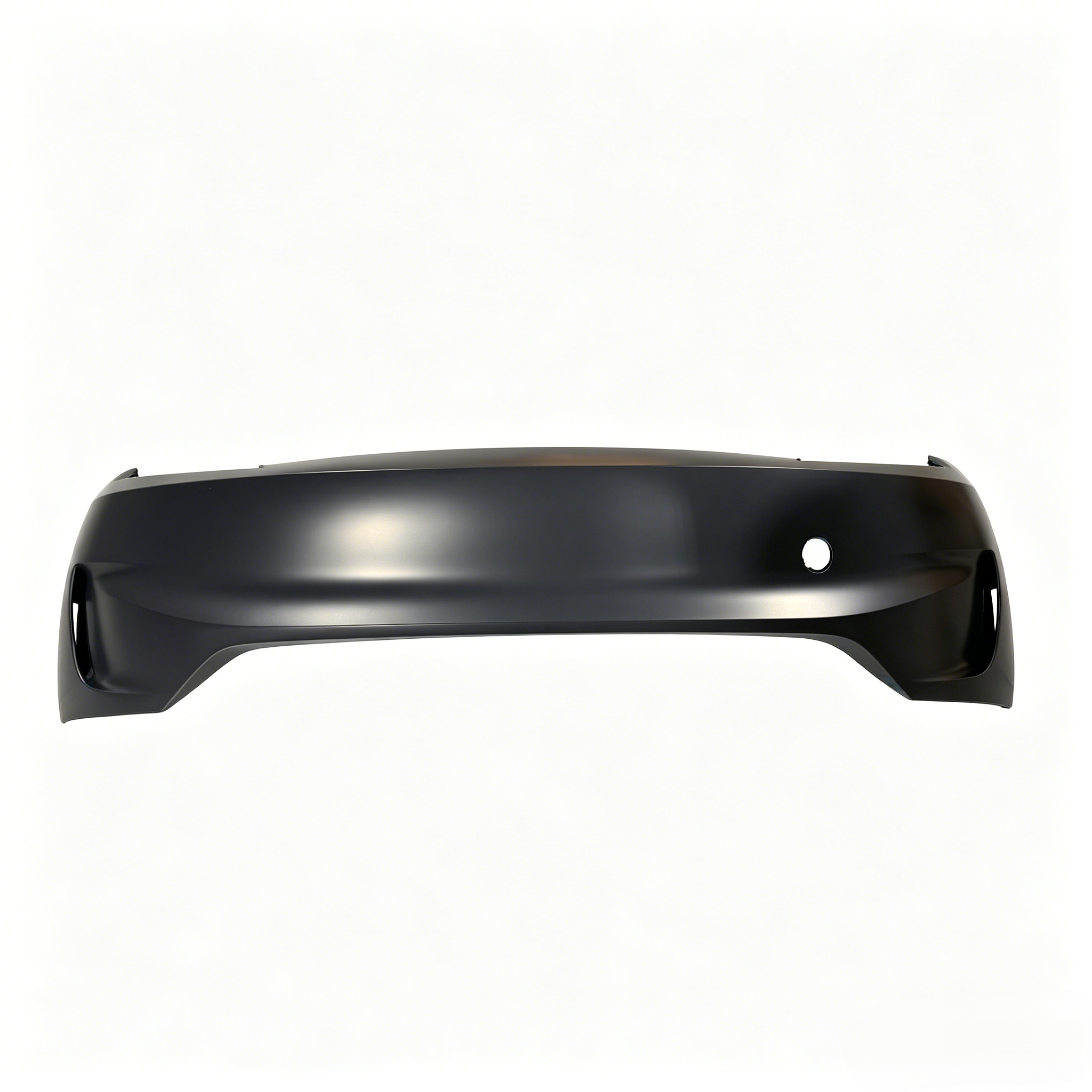
The automotive bumper represents one of the most critical safety and aesthetic components in vehicle design. Modern automotive bumper systems must balance multiple performance demands, including impact absorption, structural integrity, corrosion resistance, and cost efficiency. Understanding the materials used in automotive bumper manufacturing is essential for repair professionals, fleet managers, and automotive engineers who need to make informed decisions about replacement parts and maintenance strategies. The selection of materials for an automotive bumper directly influences vehicle safety ratings, repair costs, and long-term durability performance.
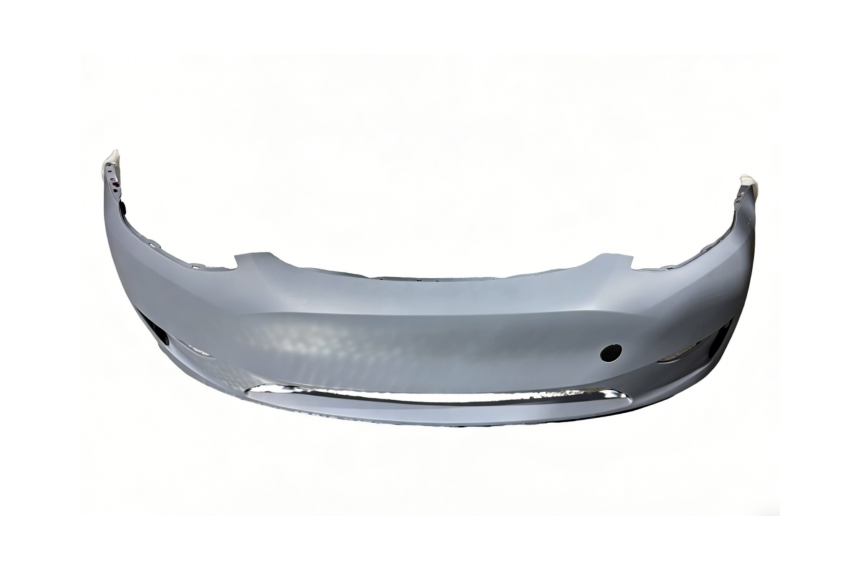
The manufacturing of an automotive bumper involves sophisticated material science and engineering precision. Manufacturers must select materials that withstand environmental exposure, thermal cycling, impact forces, and chemical degradation while maintaining structural rigidity and aesthetic appeal. The evolution of automotive bumper materials reflects broader industry trends toward weight reduction, sustainability, and enhanced safety performance. Modern vehicles incorporate multiple material types within a single automotive bumper system, each chosen for specific functional requirements and performance characteristics.
Thermoplastic Materials in Automotive Bumper Design
Polypropylene as the Primary Plastic Base
Polypropylene remains the dominant material choice for automotive bumper covers and fascias across the automotive industry. This thermoplastic polymer offers exceptional impact resistance, flexibility, and cost-effectiveness that make it ideal for the outer visible portion of an automotive bumper. Polypropylene exhibits excellent chemical resistance to fuels, oils, and road salts, ensuring long-term durability of the automotive bumper in harsh environmental conditions. The material can be easily molded into complex shapes required for modern automotive bumper designs, allowing manufacturers to integrate drainage features, sensor mounts, and aerodynamic elements.
Enhanced Polymer Formulations
Modern automotive bumper manufacturing utilizes advanced polypropylene blends that incorporate reinforcing agents and additives to improve performance characteristics. Glass fiber-reinforced polypropylene delivers superior stiffness and thermal stability for automotive bumper applications requiring enhanced structural support. Talc-filled polypropylene provides dimensional stability and reduced warping risk in automotive bumper components exposed to temperature fluctuations and UV radiation. These formulations ensure that an automotive bumper maintains its shape and functionality throughout the vehicle's operational life, even in extreme climatic conditions.
Metal and Composite Components in Automotive Bumper Systems
Steel Reinforcement Structures
Beneath the visible plastic cover, most automotive bumper systems incorporate steel reinforcement bars or beams that provide the structural foundation for impact absorption. High-strength steel, including advanced high-strength steel (AHSS), forms the core support structure of modern automotive bumper designs. These reinforcement components of an automotive bumper are engineered to absorb collision energy progressively while maintaining occupant protection. The steel frame in an automotive bumper assembly must meet rigorous safety standards established by regulatory bodies worldwide, ensuring consistent performance across multiple impact scenarios.
Aluminum and Composite Integration
Aluminum components increasingly feature in premium and high-performance automotive bumper designs, offering weight reduction benefits while maintaining structural integrity. Fiber-reinforced composite materials enhance the performance envelope of modern automotive bumper systems, particularly in luxury and performance vehicle segments. Carbon fiber composites provide exceptional strength-to-weight ratios for specialized automotive bumper applications requiring premium performance. The integration of composite materials in an automotive bumper supports automotive industry goals for vehicle weight reduction and improved fuel efficiency.
Foam Padding and Impact Absorption Materials
Expanded Polystyrene and Polyurethane Foam
Energy-absorbing foam materials form a critical layer within automotive bumper structures, positioned between the rigid reinforcement beam and the outer plastic fascia. Expanded polystyrene (EPS) foam remains a standard material choice for automotive bumper padding due to its excellent energy absorption properties and lightweight nature. Polyurethane foam offers superior compression resistance and resilience for automotive bumper applications experiencing repeated minor impacts. This padding layer in an automotive bumper system dissipates collision energy gradually, reducing peak force transmission to vehicle structures and occupants.
Advanced Foam Technologies
Modern automotive bumper manufacturers utilize gradient-density foam configurations that optimize energy absorption across different impact speeds and angles. Melamine foam derivatives improve thermal stability and fire resistance in automotive bumper components located near engine compartments. Multi-layer foam structures in an automotive bumper design distribute impact forces more effectively than single-material approaches. These technological advances in automotive bumper foam materials reflect ongoing safety improvements in modern vehicle design and crash test requirements.
Manufacturing Processes and Material Selection Criteria
Injection Molding for Plastic Components
Injection molding serves as the primary manufacturing process for plastic covers in automotive bumper production, enabling precise dimensional control and surface finish quality. This process allows manufacturers to incorporate complex features directly into the automotive bumper mold, reducing assembly requirements and production costs. Temperature control during injection molding of an automotive bumper is critical to achieving proper material flow and minimizing defects. Modern automotive bumper facilities employ multi-cavity molds that simultaneously produce multiple units, optimizing production efficiency and consistency.
Performance Requirements and Selection Logic
Material selection for an automotive bumper must satisfy multiple regulatory standards, including crash test requirements and environmental regulations. Each material component within an automotive bumper system is chosen to optimize specific performance metrics such as impact resistance, weight efficiency, and cost-effectiveness. Durability testing of automotive bumper materials includes accelerated aging, thermal cycling, and chemical exposure protocols to validate long-term performance. The automotive bumper engineering process requires continuous material science innovation to meet evolving safety and sustainability objectives.
Environmental Considerations and Sustainability
Recyclable Materials and Circular Economy
Automotive industry trends increasingly emphasize the use of recyclable materials in automotive bumper manufacturing to reduce environmental impact and support circular economy principles. Polypropylene used in automotive bumper covers can be recycled multiple times without significant property degradation, supporting end-of-life vehicle recovery programs. Manufacturers are developing bio-based polypropylene alternatives for automotive bumper applications that reduce fossil fuel dependence while maintaining performance characteristics. Sustainable material selection in automotive bumper design represents a critical component of automotive industry environmental responsibility initiatives.
Weight Reduction and Regulatory Compliance
Reducing automotive bumper weight through material optimization directly supports global fuel efficiency and emissions reduction mandates. Advanced material combinations in modern automotive bumper systems achieve lighter weight without compromising safety performance or structural integrity. The strategic use of composites and lightweight metals in automotive bumper designs contributes significantly to overall vehicle weight reduction objectives. Regulatory standards continue to drive innovation in automotive bumper material technologies, pushing manufacturers toward lighter, stronger, and more sustainable solutions.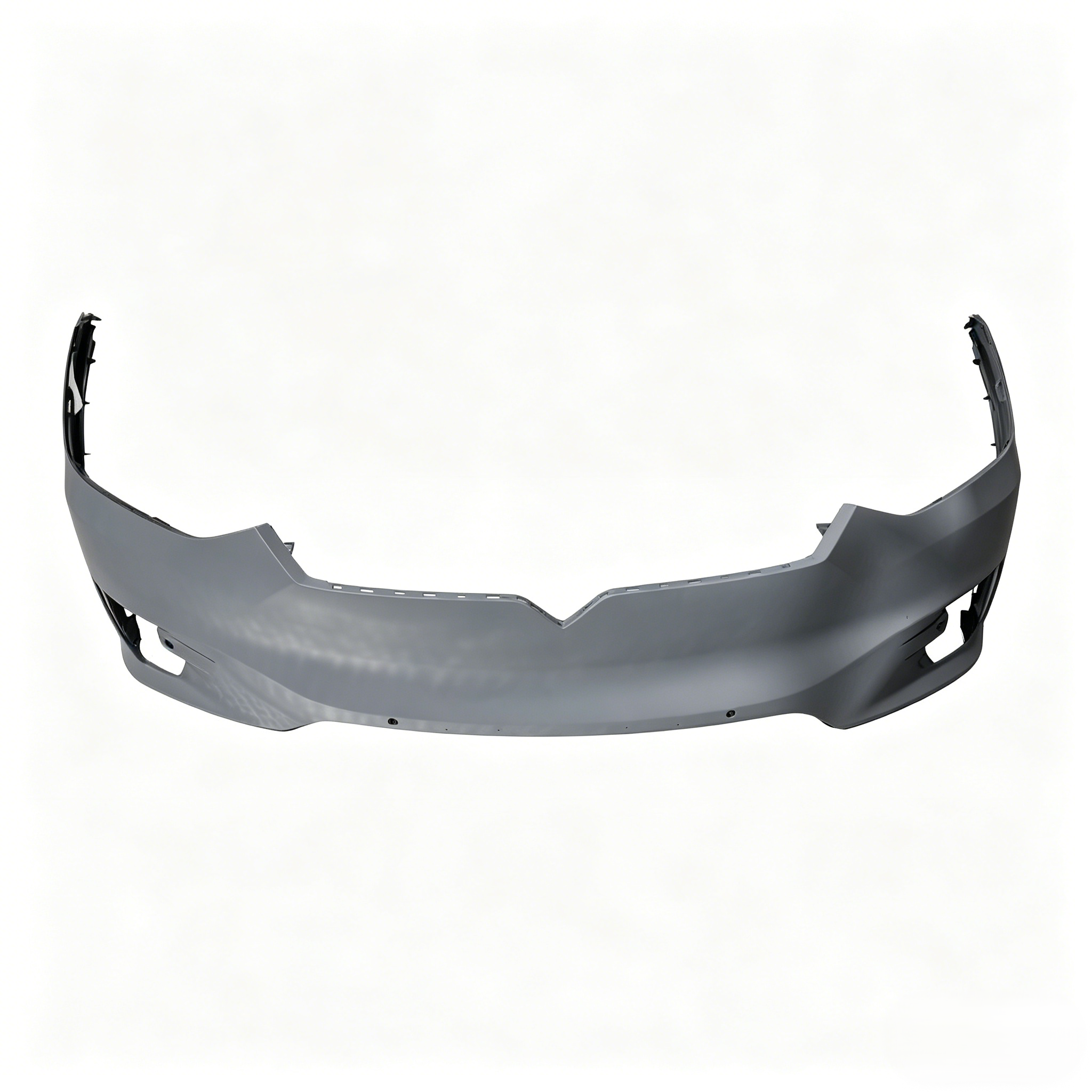
FAQ
What is the most common material used in automotive bumper manufacturing?
Polypropylene is the most widely used material for the outer cover of an automotive bumper due to its excellent impact resistance, cost-effectiveness, and moldability. Behind the plastic fascia, steel reinforcement beams provide structural support and absorb collision energy. This combination of materials in an automotive bumper system delivers optimal balance between safety performance, manufacturing efficiency, and vehicle cost.
Why are different materials used in a single automotive bumper system?
An automotive bumper system requires different materials to fulfill distinct functional roles within the assembly. The plastic outer cover of an automotive bumper provides aesthetics and minor damage resistance, while steel reinforcement provides structural strength and major impact protection. Foam padding in an automotive bumper dissipates energy, and various coatings protect against corrosion. This multi-material approach to automotive bumper design optimizes overall performance, cost, and durability within manufacturing constraints.
How do automotive bumper materials meet safety and environmental regulations?
Materials selected for automotive bumper construction undergo rigorous testing to verify compliance with crashworthiness standards and environmental regulations. Manufacturers document that each material component in an automotive bumper meets specific performance criteria established by regulatory agencies. Recyclability and sustainability considerations increasingly influence automotive bumper material selection to support environmental compliance and corporate sustainability goals. The continuous advancement of automotive bumper materials reflects evolving regulatory requirements and industry commitment to safety and environmental stewardship.