Üleüldiselt parem valgustusquality ja parandatud teeturbeksus
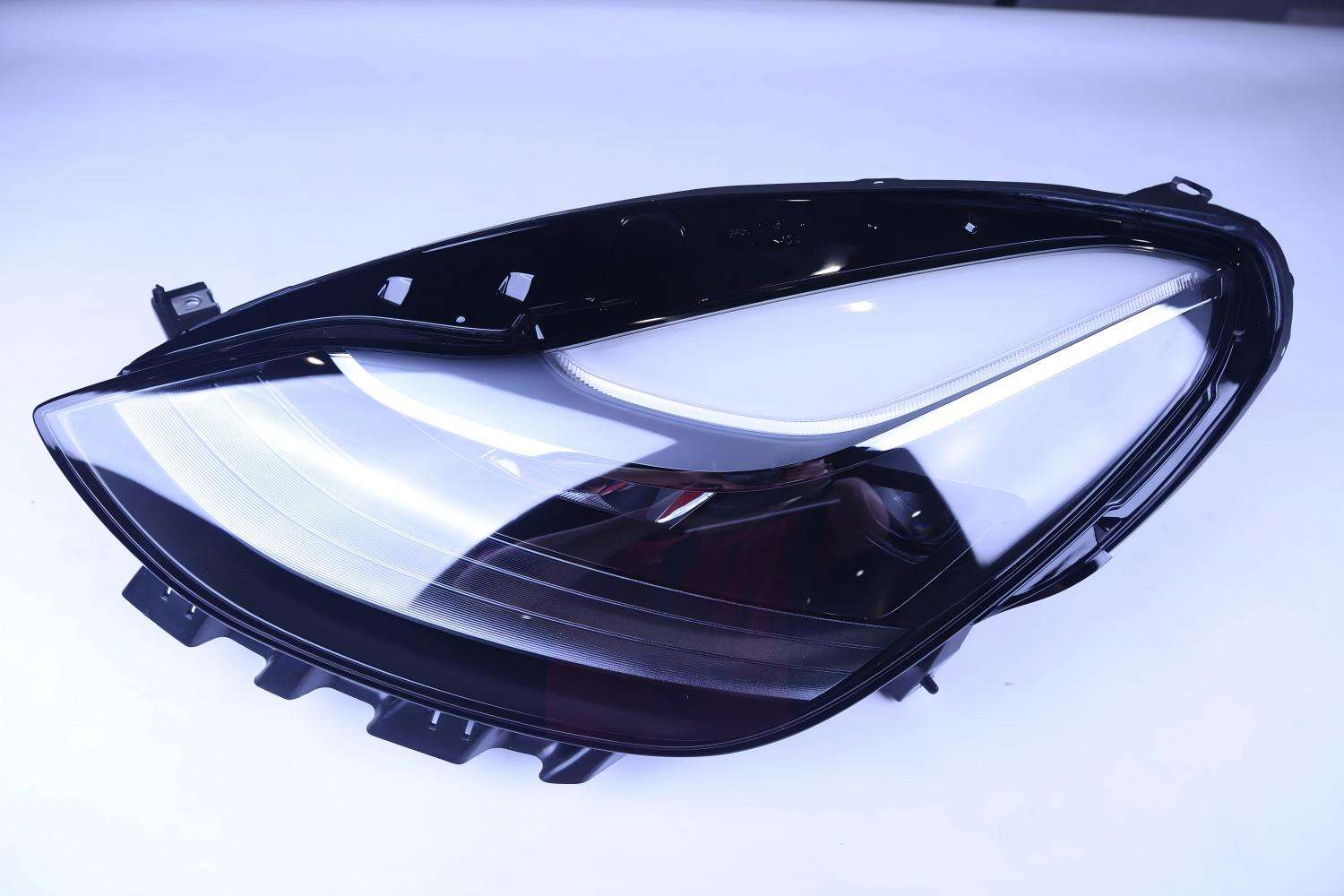
LED-pealaternate poolt tagatav valgustus kvaliteet muudab põhimõtteliselt öösel sõitmise ohutust mitme olulise toimimisomaduse kaudu, mis ületavad traditsioonilisi valgustustehnoloogiaid. LED-pealaternad teevad valgust, mille värvitemperatuur jääb tavaliselt vahemikku 5000–6500 kelvinit, luues selge valge valgustuse, mis sarnaneb tugevalt loomulikule päevavalgusele. See värvitemperatuur on inimese nägemisele optimaalne, kuna meie silmad on arenenud nii, et nad toimivad parimalt päevavalguses. LED-pealaternate valgustuse päevavalgusele sarnane kvaliteet võimaldab juhtidel täpsemalt eristada värve, kiiremini tuvastada teeriskohti ja täpsemalt hinnata kaugusi võrreldes halogeenlampide poolt tekitatava kollakasvalgusega. Uuringud näitavad, et parem värvituvastus vähendab oluliselt reageerimisaegu kriitilistes sõidusituatsioonides, mis võib aitada õnnetuste ennetamisel. LED-tehnoloogiaga saavutatav fokuseeritud kiirgusmuster loob teravnurga lõikejoone, mis maksimeerib eesmise valgustuse ja samal ajal vähendab vastassuunas sõitvatele juhtidele põhjustatavat pimestavat valgust – see on oluline ohutustegur, mida sageli kompromisseerivad madalamat klassi valgustussüsteemid. Täiustatud LED-pealaternate komplektid kasutavad täpselt konstrueeritud peegleid ja projektorläätsi, et kujundada valgusjaotust nii, et teepind, teemärgid ja äärispiirkonnad valgustataks just seal, kus juhtidel on nähtavus vajalik. See kontrollitud jaotus tagab saadaoleva valgusvõimsuse optimaalse kasutamise, suunates valgustusse kohti, kus see pakub maksimaalset ohutuskasu, mitte raiskades valgust vähem olulistesse piirkondadesse. Paljud kõrgklassilised LED-pealaternasüsteemid sisaldavad adapteeruvaid funktsioone, mis kohandavad kiirgusmustrit dünaamiliselt sõiduki kiiruse, juhi juhtimisliigutuste ja tuvastatud liikluse järgi. Kiirteede kiirustel pikendavad need süsteemid kiirgusmustrit kaugemale ette, tagades varajase ohtude tuvastamise kõrgematel kiirustel. Pöördes aktiveeruvad nurkade valgustid, et valgustada pöörde sisemist osa enne sõiduki sisenemist sinna, paljastades takistused, mis muul viisil jääksid varjatud. Linnapiirkondades laieneb kiirgusmuster, et tagada parem äärispiirkonna nähtavus jalakäijate ja jalgratturite tuvastamiseks. LED-pealaternate hetkeline reageerimisvõime tähendab, et nad saavutavad täieliku heleduse kohe pärast sisselülitamist, erinevalt HID-süsteemidest, millel kulub täieliku heleduse saavutamiseks mitu sekundit. See kohe saadaval olev valgustus on oluline parklastruktuurides, tunnelites ja olukordades, kus on vaja kiiret nähtavuse muutust.
 ×
×






 EN
EN