EN
EN



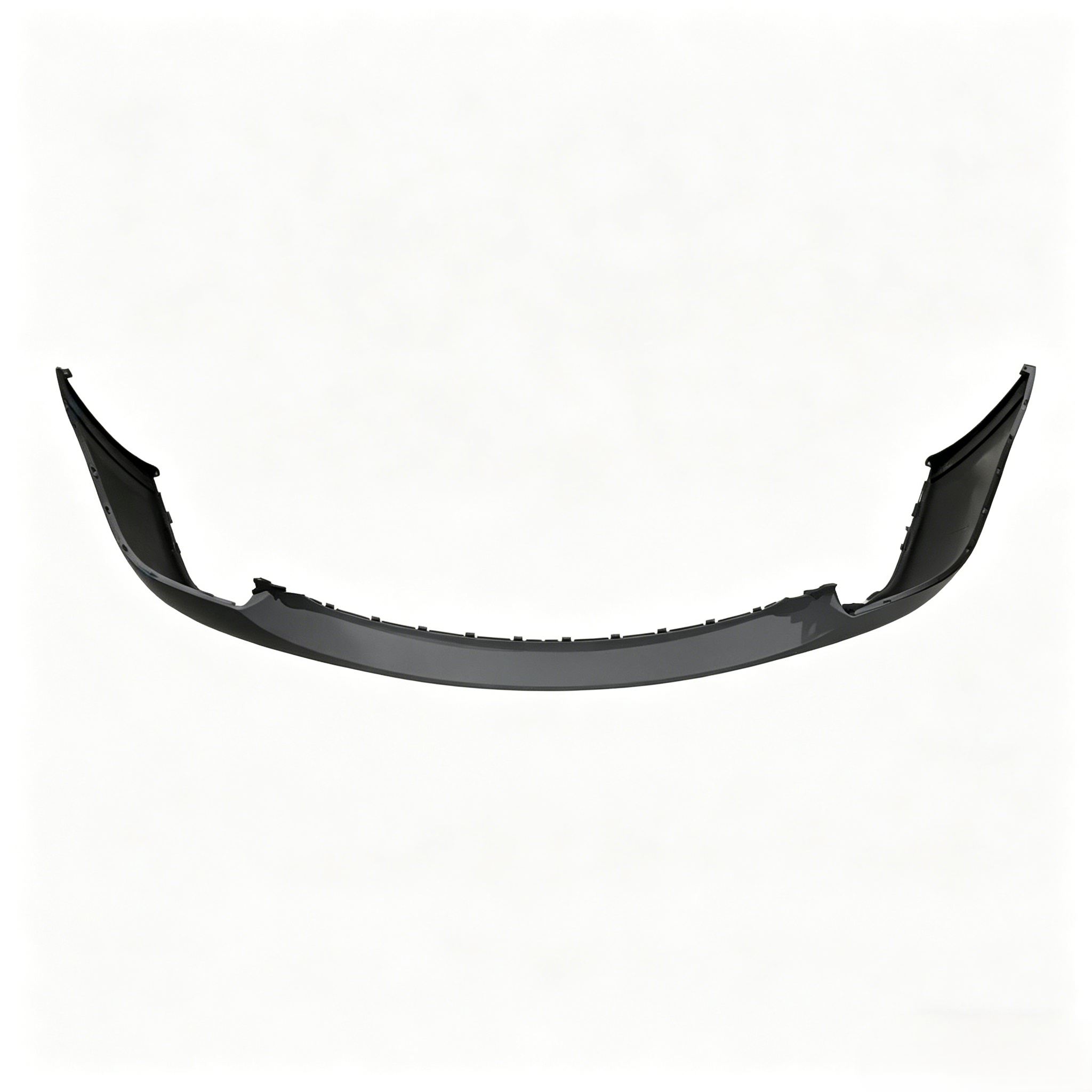
The automotive bumper serves as a critical safety and structural component designed to protect both vehicle occupants and the overall frame during collisions. Understanding how an automotive bumper performs under different impact scenarios is essential for manufacturers, repair professionals, and vehicle owners seeking optimal safety outcomes. Low-speed and high-speed impacts impose entirely different demands on an automotive bumper, requiring fundamentally different design philosophies and material compositions to manage energy absorption and structural integrity effectively.
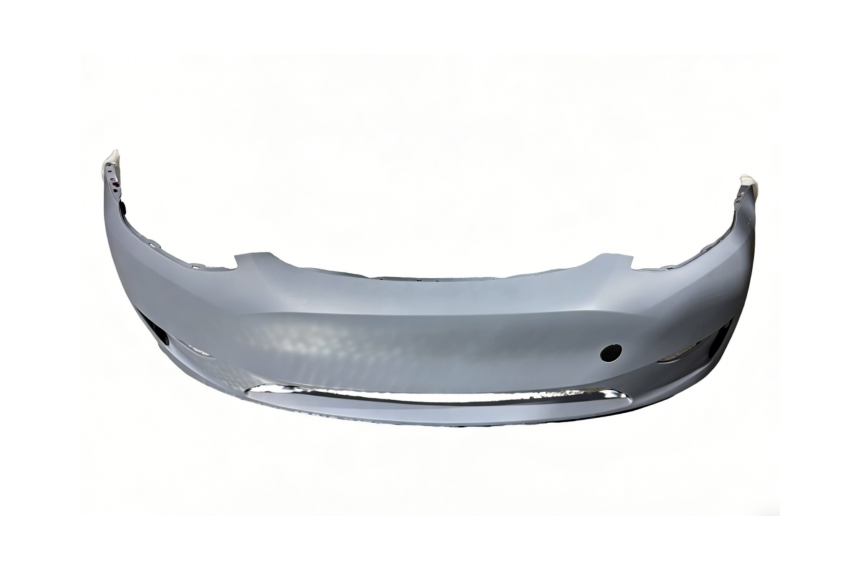
An automotive bumper must balance conflicting requirements: absorbing impact energy without crumpling, maintaining structural alignment, and returning to its original state whenever possible. The performance characteristics of an automotive bumper shift dramatically depending on collision speed, with low-speed impacts demanding elasticity and high-speed impacts requiring controlled deformation. This article explores the engineering principles that govern automotive bumper behavior across the full spectrum of impact velocities, from minor parking lot incidents to serious highway collisions.
Low-Speed Impact Performance and Energy Absorption
Design Philosophy for Minor Collisions
Low-speed automotive bumper design prioritizes reversible deformation and minimal structural damage. In parking lots and slow-traffic scenarios, collisions typically occur at speeds below 5 miles per hour, where the goal is to absorb impact energy without permanent damage to the automotive bumper or underlying frame components. Modern automotive bumper systems incorporate foam inserts, plastic energy absorbers, and reinforcement beams designed to compress and then return to their original shape, allowing vehicles to return to service without expensive repairs.
The automotive bumper in low-speed applications must distribute impact forces evenly across its surface to prevent localized crushing or cracking. Quality materials and proper shock absorption backing allow the automotive bumper to withstand repeated minor impacts while maintaining structural integrity. This reversible deformation capacity makes low-speed automotive bumper performance fundamentally different from high-speed scenarios, where permanent structural changes become inevitable and even desirable for energy management.
Material Composition and Elasticity
An effective automotive bumper for low-speed protection typically features a rigid outer shell made from plastic or composite materials, backed by energy-absorbing foam or honeycomb structures. This layered automotive bumper design allows the outer shell to flex without permanent deformation while the backing material dissipates impact energy through compression. The automotive bumper's ability to return to shape depends heavily on material selection, with premium polymers and reinforced thermoplastics offering superior performance compared to lower-grade alternatives.
Temperature and material fatigue also influence automotive bumper performance in low-speed scenarios. Repeated impacts can gradually degrade the automotive bumper's ability to absorb energy, as the foam backing becomes less resilient over time. OEM-quality replacements maintain the original automotive bumper specifications, ensuring consistent protection across the vehicle's operational lifespan.
High-Speed Impact Performance and Structural Collapse
Controlled Deformation Strategy
High-speed automotive bumper performance operates under completely different principles than low-speed protection. When an automotive bumper encounters impact speeds above 30 miles per hour, the design strategy shifts from reversible deformation to controlled structural collapse. In these severe scenarios, the automotive bumper must crumple in a predictable manner to absorb maximum energy while directing forces away from the passenger compartment. Engineers design the automotive bumper to sacrifice itself, essentially, to protect the frame and occupants during catastrophic collisions.
The high-speed automotive bumper must coordinate with the vehicle's crumple zones, frame geometry, and safety cage to manage the enormous forces generated during severe impacts. A properly engineered automotive bumper will collapse progressively, extending the deceleration distance and reducing peak forces transmitted to the vehicle frame and passengers. This controlled failure mode is critical to modern vehicle safety ratings and collision mitigation strategies.
Force Distribution and Frame Protection
During high-speed impacts, the automotive bumper absorbs initial energy and then transfers remaining forces to reinforcement beams that run through the frame. An effective automotive bumper design channels these forces along predictable paths to maximize energy dissipation while minimizing structural damage to critical areas. The automotive bumper's reinforcement beam typically anchors securely to the frame at multiple points, allowing the bumper assembly to act as an integrated structural element during severe collisions.
Material properties change dramatically under the stress conditions of high-speed automotive bumper impacts. Plastics become brittle and may shatter rather than flex, while the automotive bumper's backing materials may separate from the outer shell. Modern automotive bumper engineering accounts for these material behavior changes, often incorporating multiple materials and structural elements to handle the full range of collision velocities safely.
Design Optimization and Real-World Application
Balancing Competing Requirements
Automotive bumper engineers must satisfy regulatory standards covering both low-speed and high-speed impacts simultaneously, creating inherent design tradeoffs. An automotive bumper that excels at reversible low-speed absorption may be too rigid for optimal high-speed energy management, while a bumper optimized for high-speed collapse might fail to protect adequately during minor impacts. Modern automotive bumper designs use advanced materials and multi-layer structures to optimize performance across this entire impact spectrum, though some compromise is inevitable.
Regulatory agencies such as the National Highway Traffic Safety Administration establish minimum standards that an automotive bumper must meet at both low speeds and moderate-to-high speeds. These standards drive automotive bumper design specifications regarding material thickness, energy absorption capacity, and structural alignment maintenance. Premium automotive bumper replacements from OEM sources typically exceed minimum regulatory requirements, offering enhanced durability and performance consistency.
Installation and Performance Verification
Proper automotive bumper installation is critical to achieving designed performance in both low-speed and high-speed scenarios. Misaligned bolts, incomplete foam backing installation, or improper reinforcement beam seating can significantly compromise automotive bumper effectiveness. Repair professionals must verify that replacement automotive bumper systems mount precisely to original specifications, with proper sensor integration for vehicles equipped with collision detection and braking systems.
Regular inspection of automotive bumper condition helps identify performance degradation before collision incidents occur. Cracks in the outer shell, separation of backing materials, or visible dents may indicate that an automotive bumper has been compromised and requires replacement rather than repair. Preventive replacement maintains the vehicle's collision protection capacity and ensures consistent safety performance.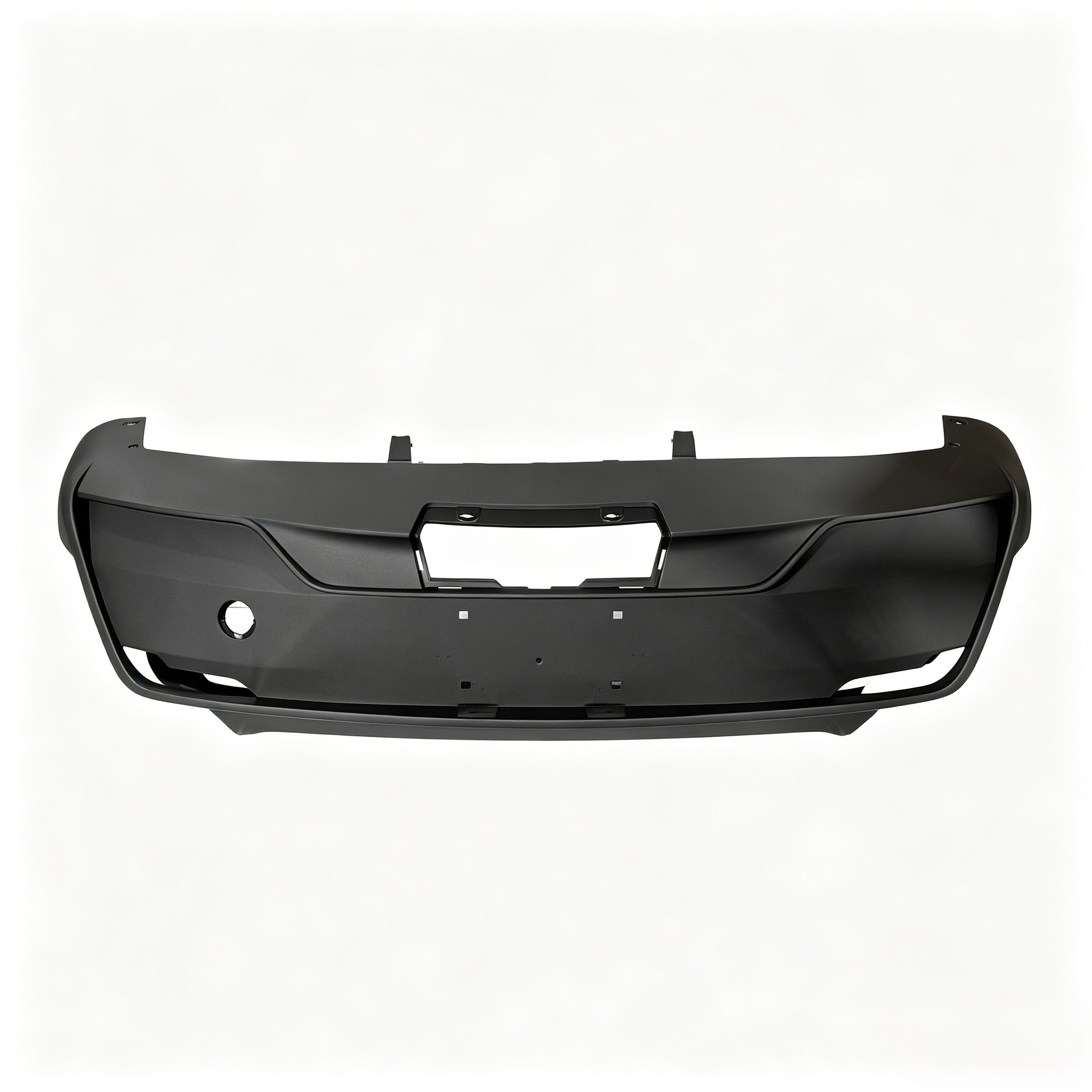
FAQ
Why does automotive bumper performance vary so dramatically between impact speeds?
Impact force increases exponentially with velocity, fundamentally changing how materials respond. At low speeds, an automotive bumper primarily absorbs energy through elastic deformation of materials. At high speeds, the same materials may become brittle or fail entirely, making controlled structural collapse the only viable energy management strategy. Automotive bumper engineers design for this transition by using layered materials and reinforcement structures that respond appropriately at each velocity range.
Can a damaged automotive bumper still provide adequate protection after repair?
Temporary repair methods may restore cosmetic appearance but often fail to restore full automotive bumper performance capacity. Once foam backing is crushed or plastic shell layers have cracked, the automotive bumper's ability to absorb energy is permanently compromised. Professionals recommend replacement rather than repair for automotive bumpers that have experienced moderate to severe impacts, ensuring reliable protection for future collisions. Low-speed cosmetic damage may be safely repaired if the underlying reinforcement structure and backing materials remain intact.
How do sensor systems affect automotive bumper design and performance?
Modern vehicles increasingly incorporate collision detection sensors and emergency braking systems behind the automotive bumper assembly. These sensors require precise mounting locations and clear signal paths that integrate into automotive bumper replacement design. An automotive bumper must accommodate radar or ultrasonic sensors without creating blind spots or interference. OEM automotive bumper assemblies are engineered to maintain proper sensor function while protecting the detection equipment from damage during low-speed impacts.