Üstün Yol Kaplaması İçin Gelişmiş Uyarlanabilir Işık Hüzmesi Teknolojisi
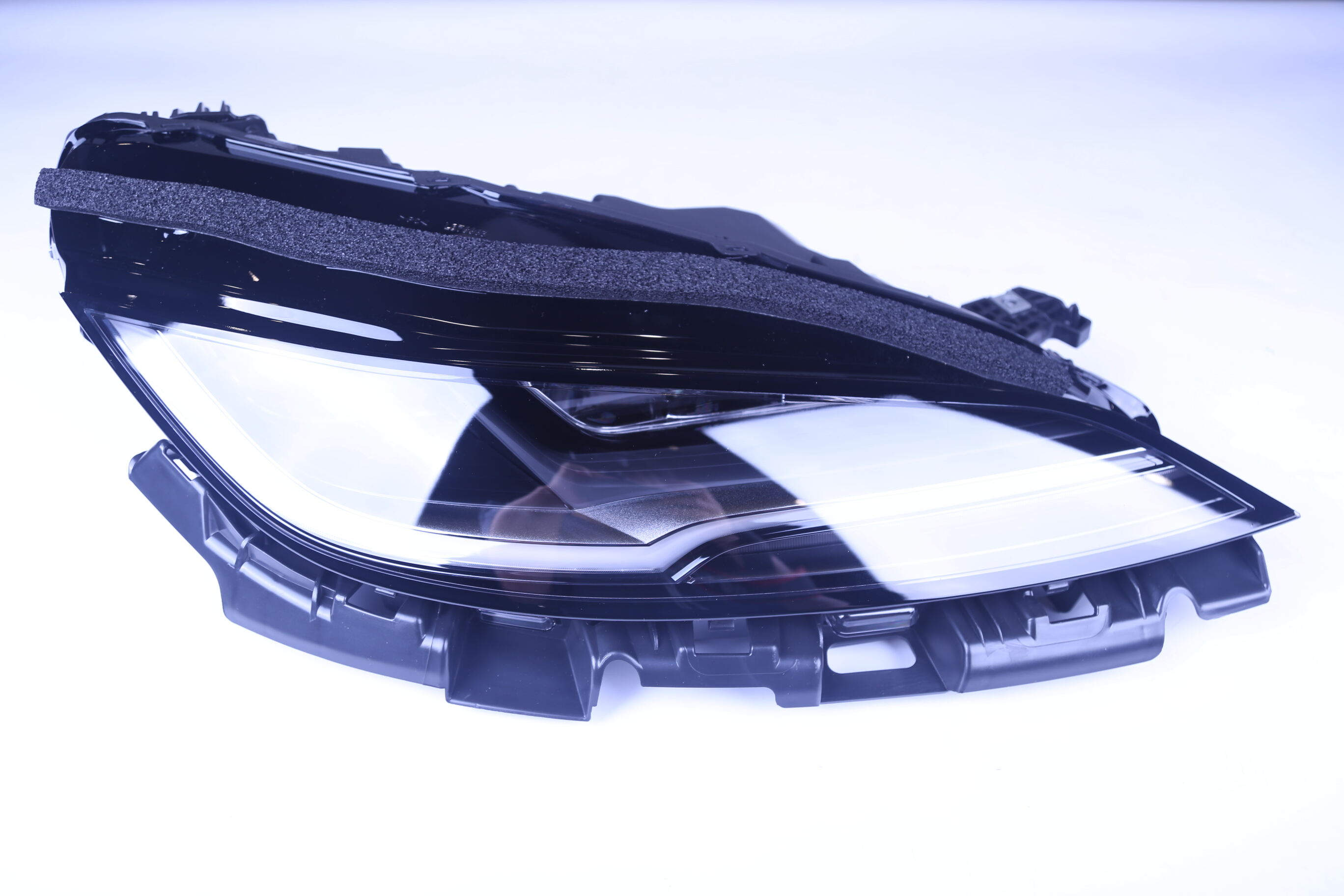
Adaptif ışın teknolojisinin modern otomobil farlarında uygulanması, sürücülerin gece seyahat deneyimini temelden dönüştüren devrim niteliğinde bir ilerlemedir. Bu gelişmiş sistem, yaklaşan trafiği, öndeki araçları, yolun eğriliğini ve çevre aydınlatma koşullarını sürekli izlemek amacıyla bir dizi sensör, kamera ve akıllı işlem biriminden yararlanır. Gerçek zamanlı bu verilere dayanarak far sistemi, diğer yol kullanıcılarının güvenliğini veya konforunu riske atmadan, optimal aydınlatma sağlamak amacıyla ışın desenini, yoğunluğunu ve yönünü otomatik olarak ayarlar. Teknoloji arka planda sorunsuz şekilde çalışır ve insan sürücülerin elle gerçekleştirmesi mümkün olmayan milisaniye düzeyinde kararlar alır. Sistem yaklaşan bir aracı tespit ettiğinde, diğer sürücülerin etkilenmeyeceği alanlarda maksimum aydınlatmayı korurken, yüksek far ışınının belirli bölümlerini seçici olarak karartır veya yönlendirir. Bu seçici karartma özelliği sayesinde, tipik bir gece sürüşü sırasında yüksek ve düşük far arasında onlarca kez geçiş yapmak zorunda kalmadan neredeyse sürekli yüksek far görünürlüğünden faydalanabilirsiniz. Adaptif sistemlerin sağladığı artırılmış görüş mesafesi, vahşi yaşamı, yayaları, bisikletçileri ve yol enkazını daha uzak mesafelerden tespit etmenizi sağlayarak, kazaları önlemek ve hayat kurtarmak için hayati ek tepki süresi kazandırır. Dönüş işlevselliği, adaptif teknolojinin başka bir boyutudur; burada far ünitesi, aracı dönüşe girmeden önce direksiyonunuzun yönüne göre fiziksel olarak döner ya da yardımcı lambaları devreye sokar. Bu şekilde önünüzdeki yolu önceden aydınlatma özelliği, geleneksel sabit farların kritik anlarda kör noktalar bıraktığı kıvrımlı dağ yollarında, kırsal güzergâhlarda ve kentsel kavşaklarda büyük ölçüde değerlidir. Adaptif teknolojinin diğer araç güvenlik sistemleriyle entegrasyonu, çarpışma önleme konusunda kapsamlı bir yaklaşım oluşturur; bu sistem, acil frenleme, şerit dışına çıkma uyarısı ve çarpışma algılama gibi özelliklerle uyum içinde çalışarak çok katmanlı bir koruma sağlar. Sistemin tam performansını sunabilmesi için kurulum kalitesi ve doğru kalibrasyon şarttır; hassas hizalama, ışığın kontrol algoritmalarının tam olarak amaçladığı yere projeksiyon yapılmasını garanti eder.




 EN
EN