EN
EN



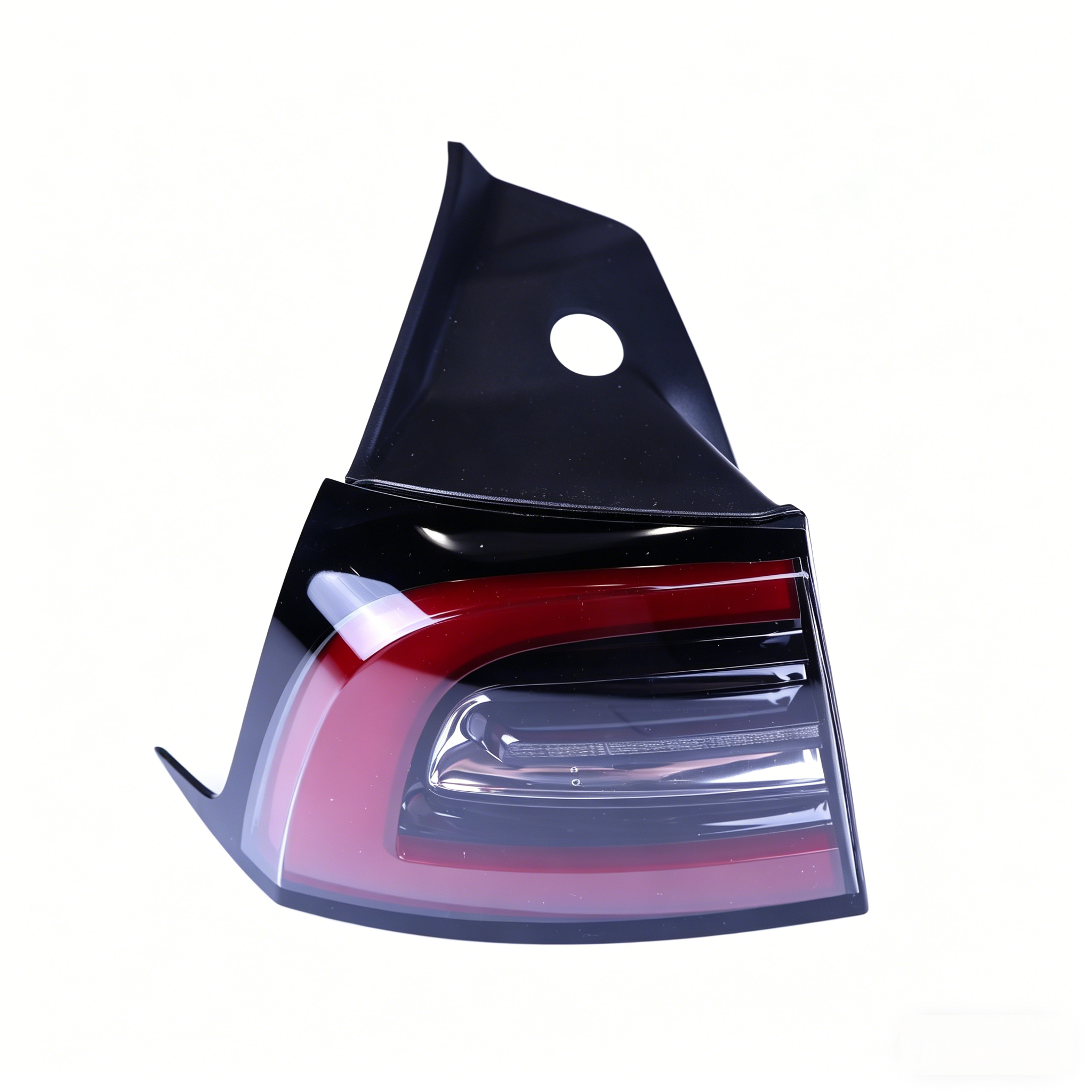
The automotive lighting system has evolved from a basic illumination tool into one of the most critical safety technologies in modern vehicle design. As vehicles become faster, roads more congested, and driving conditions increasingly complex, the role of lighting extends far beyond simple visibility. Today's automotive lighting system integrates advanced optical engineering, electronic control systems, and intelligent sensors to protect drivers, passengers, pedestrians, and other road users. Understanding why these systems are fundamental to safety performance requires examining their multifaceted contributions to crash prevention, environmental adaptation, and driver assistance integration.
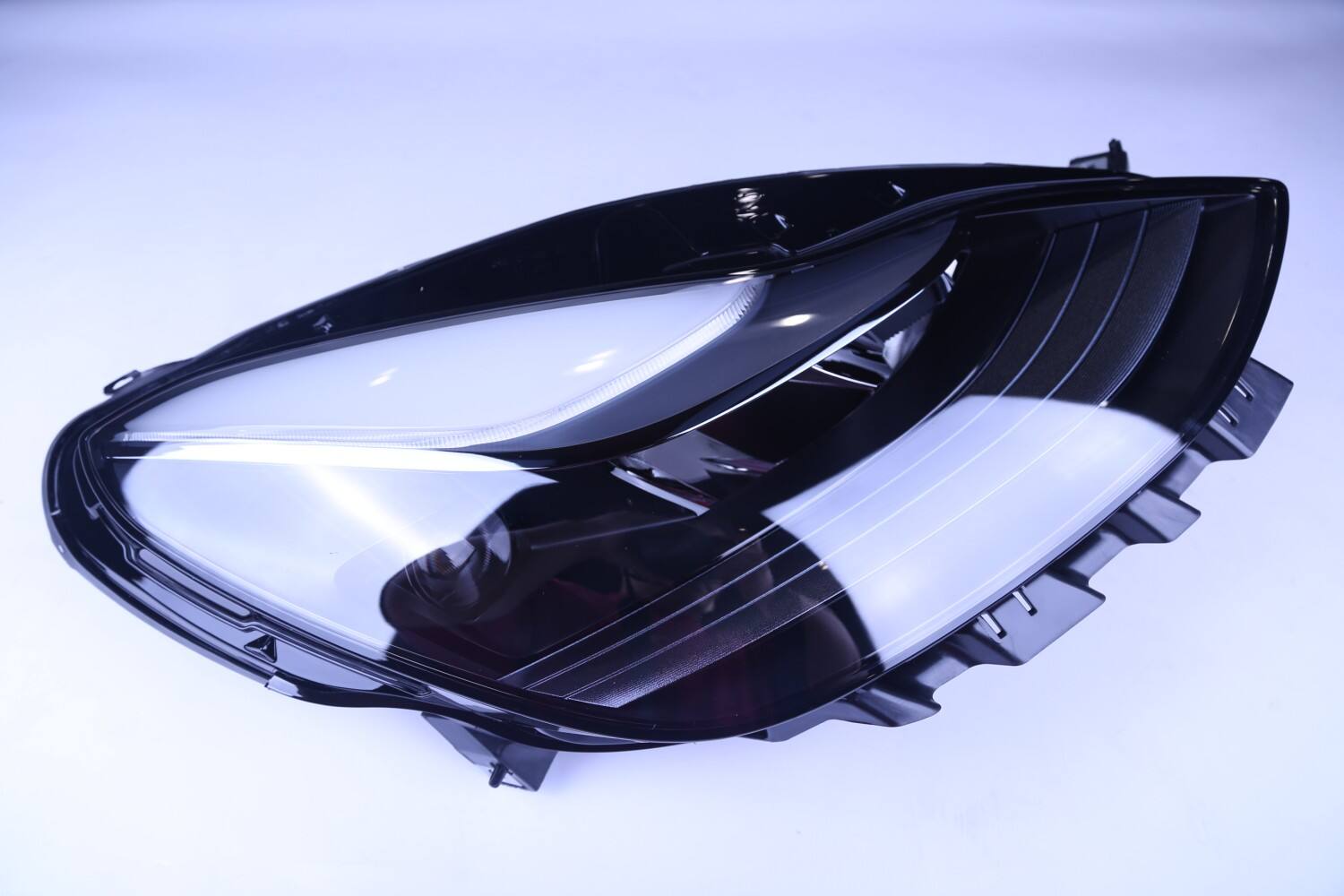
Vehicle safety statistics consistently demonstrate that inadequate lighting contributes to a disproportionate number of nighttime accidents. Research indicates that nearly half of all traffic fatalities occur during hours of darkness, despite significantly reduced traffic volumes compared to daytime. The automotive lighting system addresses this vulnerability by providing drivers with the visual information necessary to detect hazards, judge distances accurately, and make split-second decisions. Modern lighting technologies such as adaptive headlights, automatic high beams, and dynamic turn signals represent engineering responses to real-world accident data, directly targeting the primary causes of collision events. The integration of lighting with vehicle safety architectures has transformed illumination from a passive feature into an active safety mechanism that continuously adapts to changing road conditions.
The Fundamental Safety Functions of Modern Automotive Lighting Systems
Visibility Enhancement and Hazard Detection Capabilities
The primary safety function of any automotive lighting system is to extend the driver's visual range beyond the limitations of ambient light. Human visual acuity degrades dramatically in low-light conditions, reducing peripheral vision, depth perception, and color recognition. High-performance headlights project controlled light patterns that illuminate roadways up to 300 meters ahead, providing drivers with sufficient reaction time to respond to obstacles, pedestrians, or sudden changes in road geometry. The beam pattern design must balance forward illumination with glare prevention, ensuring that oncoming drivers are not temporarily blinded by excessive light intensity.
Advanced automotive lighting system configurations employ multiple light sources with distinct functions. Low beam headlights provide broad, asymmetric illumination for urban and suburban driving, while high beams deliver concentrated long-range visibility for highway conditions. Fog lights produce a wide, low-positioned beam that penetrates moisture-laden air without creating reflective glare. Each lighting element is engineered to address specific environmental challenges that compromise visual performance. The integration of LED and laser technologies has further enhanced visibility by delivering higher luminous intensity with more precise beam control compared to traditional halogen systems.
Conspicuity and Communication with Other Road Users
Beyond illuminating the road ahead, the automotive lighting system serves as a critical communication interface between vehicles. Brake lights, turn signals, and position lights convey driver intentions and vehicle status to surrounding traffic, pedestrians, and cyclists. The rapid response time of LED brake lights provides following drivers with an additional fraction of a second to react, which can prevent rear-end collisions at highway speeds. Studies have documented that faster signal response times directly correlate with reduced stopping distances and lower collision rates in dense traffic conditions.
Daytime running lights have become standard equipment precisely because they improve vehicle conspicuity during all lighting conditions. These systems ensure that vehicles remain visible even when ambient light is sufficient for driving without headlights. Statistical analysis from countries that mandate daytime running lights shows measurable reductions in multi-vehicle daytime accidents. The automotive lighting system thus functions as both an active vision aid and a passive safety signal, creating a comprehensive visibility envelope around the vehicle that enhances situational awareness for all road users.
How Environmental Adaptation Enhances Safety Performance
Automatic Adjustment to Changing Light Conditions
Modern automotive lighting system designs incorporate photosensitive controls that automatically activate headlights when ambient light falls below predetermined thresholds. This automation eliminates human error associated with manual light activation, ensuring that vehicles remain properly illuminated during twilight conditions, overcast weather, and tunnel transitions. Many drivers fail to recognize diminished visibility conditions promptly, operating vehicles without adequate illumination during periods when accident risk increases significantly. Automatic lighting systems address this behavioral safety gap by removing the decision-making burden from drivers.
Adaptive front lighting systems represent a sophisticated evolution in environmental responsiveness. These configurations use steering angle sensors, vehicle speed data, and GPS information to dynamically adjust headlight direction and intensity. When navigating curves, the automotive lighting system pivots to illuminate the road ahead rather than projecting light tangentially off the roadway. This seemingly simple adjustment dramatically improves corner visibility, reducing the likelihood of collisions with obstacles, animals, or pedestrians positioned beyond the static beam pattern of conventional headlights.
Weather-Responsive Lighting Technologies
Adverse weather conditions fundamentally alter the optical properties of the atmosphere, requiring specialized lighting strategies to maintain safety performance. Rain, fog, and snow create particulate-laden air that scatters light, reducing effective illumination range and creating reflective glare that impairs driver vision. Advanced automotive lighting system configurations employ wavelength-specific light sources and optimized beam geometries to penetrate atmospheric moisture more effectively. Some systems integrate rain sensors with lighting controls, automatically activating fog lights or adjusting headlight intensity when precipitation is detected.
The positioning and color temperature of auxiliary lighting elements significantly influence their effectiveness in challenging weather. Amber-tinted fog lights, positioned low on the vehicle fascia, project beneath the densest fog layers where visibility is least compromised. This positioning strategy prevents light from reflecting back into the driver's field of vision while maximizing road surface illumination. Similarly, adaptive systems can reduce headlight intensity during heavy snowfall to minimize the disorienting effect of illuminated snowflakes in the driver's immediate visual field. These weather-responsive capabilities demonstrate how the automotive lighting system actively mitigates environmental hazards that increase accident probability.
Integration with Advanced Driver Assistance Systems
Sensor Support and Computational Vision Enhancement
Contemporary automotive lighting system architectures function as essential enablers for camera-based driver assistance technologies. Lane departure warning systems, automatic emergency braking, and traffic sign recognition all depend on optical sensors that require consistent illumination to function reliably. Infrared illuminators integrated within headlight assemblies provide invisible light that enhances night vision camera performance without affecting driver vision or creating glare for other road users. This symbiotic relationship between lighting and sensing systems creates a comprehensive safety infrastructure that extends beyond human perceptual capabilities.
High-resolution headlight systems with individually controllable LED elements can project warning symbols, navigation information, or pedestrian alerts directly onto the roadway. This capability transforms the automotive lighting system from a passive illumination tool into an active information display that augments driver awareness. For example, crosswalk projections can alert drivers to pedestrian crossing zones in low-visibility conditions, while lane guidance patterns can assist with precise vehicle positioning during highway merging maneuvers. The integration of lighting with computational systems represents a paradigm shift in automotive safety design, where illumination becomes part of an interconnected safety ecosystem.
Glare-Free High Beam Technology and Adaptive Illumination
One of the most significant safety innovations in automotive lighting system development is the advent of glare-free high beam technology. Traditional high beam headlights require manual deactivation when approaching oncoming traffic to prevent temporary blindness in other drivers. This creates a safety dilemma where drivers must choose between optimal personal visibility and consideration for other road users. Matrix LED and digital micromirror device technologies resolve this conflict by selectively dimming only the portions of the high beam pattern that would illuminate oncoming vehicles while maintaining maximum illumination elsewhere in the visual field.
These adaptive systems use forward-facing cameras to detect other vehicles, cyclists, and pedestrians, calculating their positions in real-time and adjusting the light distribution pattern within milliseconds. The result is sustained high beam performance that never compromises the vision of other road users. Statistical analysis from European markets where these systems are more prevalent indicates measurable reductions in nighttime collision rates, particularly in rural areas where wildlife and pedestrian encounters are less predictable. The automotive lighting system thus evolves from a binary on-off mechanism into a continuously adaptive safety tool that optimizes visibility for all traffic participants simultaneously.
The Engineering Principles Behind Safety-Critical Lighting Performance
Optical Design and Beam Pattern Optimization
The safety effectiveness of an automotive lighting system depends fundamentally on precise optical engineering. Headlight assemblies employ complex reflector geometries, multi-element lenses, and precisely positioned light sources to create beam patterns that meet strict regulatory requirements. The photometric distribution must deliver sufficient intensity at specific angles and distances while maintaining cutoff lines that prevent upward light projection. These optical requirements are not arbitrary aesthetic choices but evidence-based standards derived from decades of accident research and visibility testing.
Projector-style headlights use elliptical reflectors and focusing lenses to create sharply defined beam cutoffs with superior light intensity compared to traditional reflector designs. The optical efficiency of these systems ensures that electrical energy is converted into useful illumination rather than scattered light that contributes to sky glow and glare. Advanced materials such as polycarbonate lenses with anti-reflective coatings and UV-resistant surface treatments maintain optical clarity throughout the vehicle's operational lifespan, ensuring that safety performance does not degrade over time. The automotive lighting system must sustain consistent performance through years of exposure to temperature extremes, vibration, chemical contaminants, and intense UV radiation.
Thermal Management and Reliability Engineering
High-intensity lighting technologies generate substantial heat that can compromise both optical performance and component longevity if not properly managed. LED-based automotive lighting system designs incorporate sophisticated thermal management strategies including heat sinks, active cooling fans, and thermally conductive substrates that dissipate heat away from semiconductor junctions. Elevated operating temperatures reduce LED luminous output and accelerate degradation, potentially compromising safety-critical visibility when it is most needed.
The reliability requirements for automotive lighting exceed those of most consumer electronics because lighting failure can create immediate safety hazards. Redundant circuit designs, robust electrical connections, and environmental sealing protect the automotive lighting system from moisture intrusion, vibration-induced failures, and electrical transients. Regulatory standards mandate minimum operational lifespans and failure rate thresholds to ensure that lighting systems maintain functionality throughout the vehicle's service life. This engineering emphasis on reliability transforms lighting from a replaceable component into a safety-critical system with performance expectations comparable to braking and steering mechanisms.
Regulatory Frameworks and Safety Standards Governing Automotive Lighting
International Standards and Compliance Requirements
The automotive lighting system is subject to comprehensive regulatory oversight in virtually all automotive markets worldwide. Organizations such as the United Nations Economic Commission for Europe, the Society of Automotive Engineers, and various national transportation authorities establish detailed specifications for light intensity, beam patterns, color temperature, and activation timing. These regulations ensure baseline safety performance across all vehicle types and price segments, preventing manufacturers from compromising lighting effectiveness to reduce costs or prioritize aesthetic considerations over functional requirements.
Compliance testing involves rigorous photometric measurements in controlled laboratory environments where headlight assemblies are evaluated at dozens of measurement points to verify conformance with specified intensity values and distribution patterns. The automotive lighting system must also demonstrate resistance to environmental stress including thermal cycling, vibration exposure, chemical resistance, and stone impact protection. These standardized testing protocols ensure that lighting components maintain safety-critical performance under real-world operating conditions rather than optimal laboratory environments.
Evolution of Standards in Response to Technological Innovation
As lighting technologies advance, regulatory frameworks must adapt to accommodate new capabilities while maintaining safety principles. The introduction of adaptive driving beam systems required regulatory authorities to develop entirely new testing methodologies and performance criteria. Traditional static beam pattern requirements proved inadequate for evaluating systems that continuously modify their light distribution. Regulators collaborated with automotive manufacturers and lighting suppliers to establish dynamic testing procedures that assess glare prevention, illumination coverage, and response timing under various traffic scenarios.
The regulatory approval process for innovative automotive lighting system technologies can span several years, requiring extensive field testing and statistical analysis to demonstrate safety benefits. This deliberate approach ensures that new lighting technologies deliver genuine safety improvements rather than creating unforeseen hazards. The balance between enabling innovation and maintaining safety standards reflects the critical role that lighting plays in vehicle safety architecture. Regulatory frameworks thus function as quality assurance mechanisms that translate engineering capabilities into reliable, real-world safety performance.
FAQ
How does an automotive lighting system differ between luxury and economy vehicles in terms of safety?
While all vehicles must meet minimum regulatory standards for automotive lighting system performance, luxury vehicles typically incorporate advanced technologies such as adaptive headlights, matrix LED systems, and automatic high beam control that provide superior visibility and safety benefits. However, modern economy vehicles increasingly offer LED headlights and automatic lighting controls as standard equipment, narrowing the safety performance gap. The fundamental safety functions of illumination and signaling are present across all vehicle segments, though the sophistication of environmental adaptation and driver assistance integration varies with vehicle price point and manufacturer priorities.
What maintenance practices are essential to preserve automotive lighting system safety performance?
Regular inspection of all lighting elements ensures that burned-out bulbs are replaced promptly and that lens covers remain clear and free from cracks or discoloration. Headlight lens restoration or replacement may be necessary for older vehicles where UV exposure has degraded plastic covers, reducing light transmission and compromising visibility. Proper headlight aim adjustment is critical because misaligned beams can reduce forward illumination while increasing glare for oncoming drivers. Professional automotive lighting system service should include photometric testing to verify that light output meets manufacturer specifications and regulatory requirements.
Can aftermarket lighting modifications compromise vehicle safety despite improving brightness?
Aftermarket automotive lighting system modifications frequently create safety hazards even when they increase raw light output. Improperly designed LED or HID conversions installed in housings engineered for halogen bulbs produce scattered, unfocused light that reduces effective visibility while creating excessive glare. Colored lens covers reduce light transmission and alter the spectral characteristics that other drivers rely upon to interpret vehicle signals. Any modifications to vehicle lighting should maintain regulatory compliance and preserve the optical design principles that ensure both adequate illumination and glare control for all road users.
Why are automotive lighting systems becoming more complex in electric and autonomous vehicles?
Electric vehicles benefit from efficient LED lighting that minimizes energy consumption and maximizes range, while their advanced electrical architectures enable sophisticated control systems that integrate lighting with driver assistance features. Autonomous vehicles rely heavily on camera-based perception systems that require consistent illumination provided by the automotive lighting system to function reliably in all conditions. Additionally, autonomous vehicles use external lighting to communicate intent to pedestrians and other road users in the absence of traditional driver gestures. This evolution reflects the expanding role of lighting from simple illumination to a critical interface in vehicle-to-environment communication and sensor support.
Table of Contents
- The Fundamental Safety Functions of Modern Automotive Lighting Systems
- How Environmental Adaptation Enhances Safety Performance
- Integration with Advanced Driver Assistance Systems
- The Engineering Principles Behind Safety-Critical Lighting Performance
- Regulatory Frameworks and Safety Standards Governing Automotive Lighting
-
FAQ
- How does an automotive lighting system differ between luxury and economy vehicles in terms of safety?
- What maintenance practices are essential to preserve automotive lighting system safety performance?
- Can aftermarket lighting modifications compromise vehicle safety despite improving brightness?
- Why are automotive lighting systems becoming more complex in electric and autonomous vehicles?