Außergewöhnliche Haltbarkeit und Korrosionsbeständigkeit für langfristigen Wert
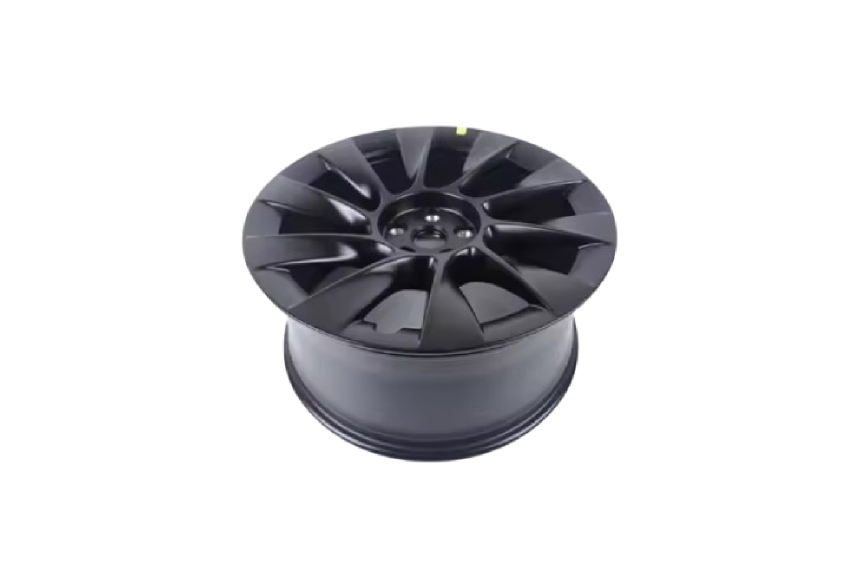
Die Haltbarkeit und Korrosionsbeständigkeit von Fahrzeug-Alufelgen bietet einen langfristigen Wert, der weit über den ursprünglichen Kauf hinausreicht, schützt Ihre Investition und bewahrt das Erscheinungsbild sowie die Sicherheit Ihres Fahrzeugs über Jahre hinweg. Im Gegensatz zu Stahlfelgen, die auf Lack- oder Pulverbeschichtung als Schutz vor Umwelteinflüssen angewiesen sind, profitieren Fahrzeug-Alufelgen von der inhärenten Korrosionsbeständigkeit von Aluminiumlegierungen. Die natürliche Oxidschicht, die sich auf Aluminiumoberflächen bildet, bietet einen passiven Schutz vor Rost und Abbau und stellt eine Barriere dar, die sich bei geringfügigen Kratzern selbst regeneriert. Dieser grundlegende Materialvorteil bedeutet, dass Fahrzeug-Alufelgen ihre strukturelle Integrität bewahren, selbst wenn die Oberflächenbeschichtung durch Bordsteinberührungen oder Steinschläge Abnutzungserscheinungen zeigt. Küstenregionen stellen für Fahrzeugkomponenten besondere Herausforderungen dar, da salzhaltige Luft Korrosionsprozesse beschleunigt, die unzureichend geschützte Materialien rasch zerstören. Fahrzeug-Alufelgen widerstehen dieser korrosiven Umgebung deutlich besser als lackierte Stahlfelgenalternativen, bei denen es bei Versagen der Schutzschichten zu Rostausblühungen und struktureller Schwächung kommt. Auch Winterfahrbedingungen in Regionen mit Streusalzanwendung profitieren von der Korrosionsbeständigkeit von Fahrzeug-Alufelgen, da diese Felgen wiederholter Einwirkung aggressiver Auftaumittel standhalten, ohne – wie bei Stahlfelgen üblich – durchrostungsbedingte Ausfälle zu erleiden. Die Fertigungsqualität moderner Fahrzeug-Alufelgen umfasst hochentwickelte Oberflächenbehandlungen, die sowohl das Erscheinungsbild als auch den Schutz verbessern. Verfahren wie Klarlackierung, Pulverbeschichtung, Polieren und spezielle Oberflächenfinishs erzeugen mehrere Schutzebenen gegen Umwelteinflüsse. Diese Behandlungen haften effektiv auf Aluminium-Substraten und erzeugen langlebige Oberflächen, die besser gegen Absplittern und Abblättern widerstehen als Lack auf Stahl. Fahrzeugbesitzer schätzen, wie Fahrzeug-Alufelgen über lange Zeit hinweg ihren optischen Reiz bewahren und so das saubere, hochwertige Erscheinungsbild erhalten, das die Gesamtoptik des Fahrzeugs verbessert. Aspekte des Wiederverkaufswerts machen Fahrzeug-Alufelgen zu einer klugen Investition, da potenzielle Käufer Fahrzeuge mit hochwertigen Alufelgen stets bevorzugen gegenüber solchen mit einfachen Stahlfelgen. Die mit gut gepflegten Fahrzeug-Alufelgen verbundene Wahrnehmung von Qualität und sorgfältiger Fahrzeugpflege kann höhere Verkaufspreise rechtfertigen und schnellere Verkäufe ermöglichen. Strukturelle Prüfungen bestätigen, dass ordnungsgemäß hergestellte Fahrzeug-Alufelgen ihre Tragfähigkeit während ihrer gesamten Einsatzdauer bewahren, wobei die Ermüdungsbeständigkeit eine zuverlässige Leistung über Hunderttausende von Kilometern sicherstellt. Besonderes Augenmerk wird bei der Radkonstruktion auf die Schlagfestigkeit gelegt, da Ingenieure sicherstellen müssen, dass Fahrzeug-Alufelgen Schlaglöcher und Bordsteinberührungen ohne katastrophalen Ausfall aushalten können. Moderne Legierungen und Fertigungstechniken erzeugen Felgen, die sich bei extremen Aufprallen kontrolliert verformen, Energie absorbieren und dabei weder zerbrechen noch gefährliche Risse bilden. Dieser kontrollierte Versagensmodus schützt die Fahrzeuginsassen und minimiert sekundären Schaden durch Felgenversagen. Der Wartungsaufwand für Fahrzeug-Alufelgen bleibt gering und beschränkt sich in der Regel auf regelmäßiges Reinigen, um Bremsstaub und Straßenverunreinigungen zu entfernen, die sich während des normalen Fahrbetriebs ansammeln.
 ×
×





 EN
EN