EN
EN



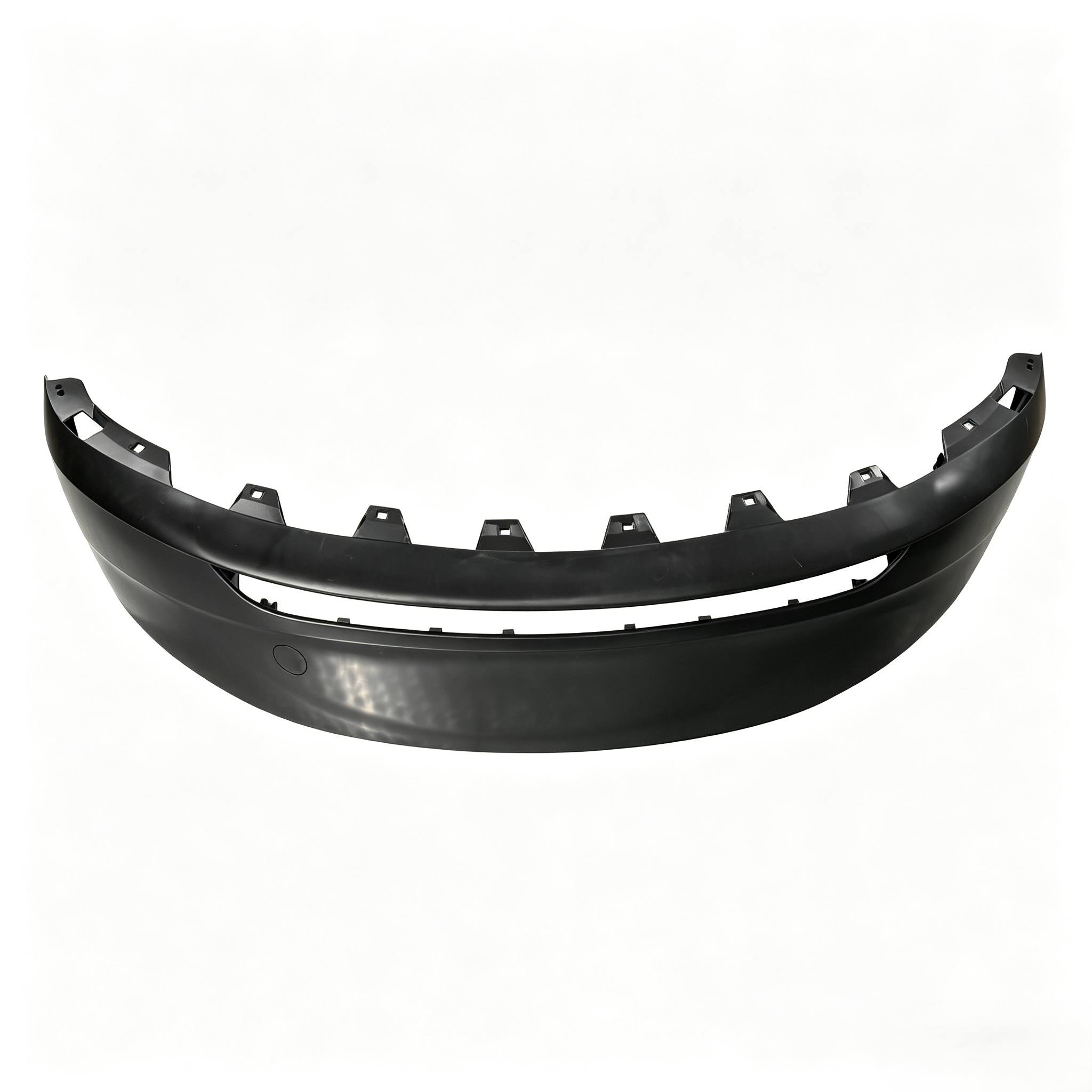
The longevity of an automotive bumper depends on multiple interconnected factors that work together to determine how well it performs throughout the vehicle's lifespan. Understanding what influences automotive bumper durability is essential for vehicle owners, fleet managers, and repair professionals who want to make informed decisions about replacement, maintenance, and care strategies. An automotive bumper faces constant environmental stress, thermal cycling, UV exposure, and potential collision impact, making its durability a critical component of overall vehicle structural integrity and safety.
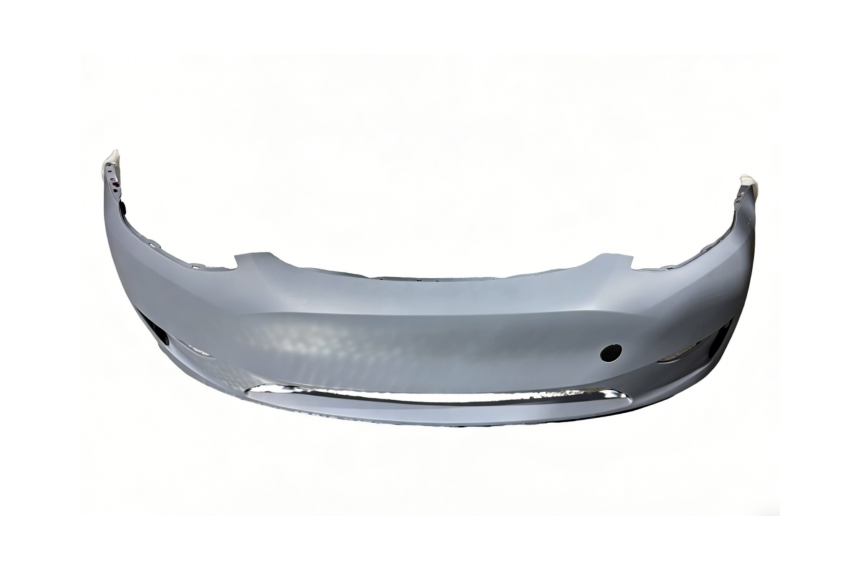
The durability of an automotive bumper is not determined by a single attribute but rather by the complex interaction of material composition, design engineering, environmental conditions, and maintenance practices. Fleet operators and individual vehicle owners who understand these factors can extend bumper lifespan, reduce unexpected repair costs, and maintain better vehicle aesthetics and performance. This comprehensive guide explores the primary factors that influence how long an automotive bumper maintains its structural integrity, appearance, and protective function.
Material Composition and Manufacturing Quality
Plastic Polymer Selection and Grade
The type of plastic polymer used in modern automotive bumper construction directly affects long-term durability. Most automotive bumper systems use polypropylene or polyurethane-based compounds that offer a balance between impact absorption, flexibility, and environmental resistance. The grade and quality of the polymer resin, along with reinforcing agents and stabilizers, determine how well the automotive bumper resists cracking, fading, and degradation when exposed to temperature fluctuations and UV radiation. Higher-grade materials in premium automotive bumper designs typically include advanced stabilizers that slow oxidation and maintain color retention, resulting in superior durability compared to lower-cost alternatives.
Reinforcement Structure and Reinforced Backing
Behind the visible automotive bumper surface lies a reinforcement structure, typically made from steel, aluminum, or composite materials, that provides the structural backbone for impact absorption. The thickness, cross-sectional design, and welding quality of this reinforcement framework significantly influence how well an automotive bumper absorbs and dissipates collision energy. Vehicles equipped with higher-quality reinforcement systems show improved automotive bumper durability, with less permanent deformation and cracking after minor impacts. The bonding between the plastic fascia and the reinforced backing also plays a crucial role; poor adhesion can lead to separation and premature failure of the automotive bumper assembly.
Environmental and Climate Exposure Factors
Ultraviolet Radiation and Color Degradation
Extended exposure to sunlight causes UV radiation to break down polymer chains in the automotive bumper material, leading to fading, brittleness, and surface cracking. Vehicles in high-sun climates experience accelerated automotive bumper degradation, particularly on the upper surfaces where UV exposure is most intense. Dark-colored automotive bumper finishes absorb more solar heat, causing thermal stress that further weakens the material structure. Regular application of UV-protective coatings and parking in shaded areas can significantly slow this degradation process, extending the effective lifespan of an automotive bumper by several years in sunny regions.
Temperature Cycling and Thermal Stress
Continuous cycles of heating and cooling cause the polymer in an automotive bumper to expand and contract, creating internal micro-fractures that accumulate over time. In northern climates with severe winters, the automotive bumper material becomes more brittle when cold, making it more susceptible to cracking from minor impacts or vibration. Conversely, in hot climates, thermal expansion stresses the adhesive bonds between the automotive bumper components and the reinforcement structure. This thermal cycling is one of the most significant factors affecting automotive bumper durability, as it operates continuously regardless of driving patterns or collision incidents, gradually weakening the material from the inside out.
Impact History and Damage Accumulation
Collision Energy and Repair Cycles
Each collision or impact event, even minor ones that don't require professional repair, can compromise the structural integrity of an automotive bumper by creating hairline fractures and micro-stresses in the material. When an automotive bumper undergoes repair welding or heat-based reshaping processes, the material properties may be altered, potentially reducing its durability in future impacts. Vehicles with multiple repair cycles on their automotive bumper show accelerated degradation compared to those with pristine bumper histories, as each repair attempt weakens the surrounding material structure. Fleet managers should track automotive bumper damage history to identify high-risk usage patterns and take preventive measures.
Chemical Exposure and Road Contaminants
Road salt, de-icing chemicals, fuel spills, and corrosive residues gradually degrade automotive bumper surfaces through chemical attack on the polymer matrix. In winter climates where road salt is heavily applied, the automotive bumper undergoes accelerated deterioration unless regularly cleaned and protected. The reinforcement structure beneath the automotive bumper fascia is also vulnerable to corrosion, particularly at seams and connection points where salt can penetrate. Preventive maintenance that includes regular washing, protective coating application, and inspection of the automotive bumper reinforcement area can substantially extend its service life in harsh chemical environments.
Maintenance Practices and Protective Measures
Routine Cleaning and Protective Coating
Regular cleaning of the automotive bumper removes accumulated salt, dirt, and chemical residues that accelerate material degradation. Applying UV-protective wax or sealant coatings to the automotive bumper surface creates a barrier against environmental contaminants and slows color fading. Professional ceramic coatings designed for automotive bumper protection can extend durability by five or more years by providing chemical resistance and reducing UV penetration. Fleet maintenance programs that include quarterly automotive bumper inspection and protective coating reapplication see significantly lower replacement rates and better overall bumper condition.
Inspection and Early Damage Detection
Regular visual inspection of the automotive bumper for cracks, separation, paint chips, and color changes allows early detection of degradation before it becomes severe. Addressing minor automotive bumper damage promptly prevents progressive crack expansion and maintains the protective function of the bumper system. Repair of small cracks using flexible polymeric sealants can prevent water infiltration and halt further deterioration of the automotive bumper structure. Fleet managers implementing comprehensive automotive bumper inspection protocols reduce unplanned downtime and extend the average service life of bumper components across their vehicle fleet.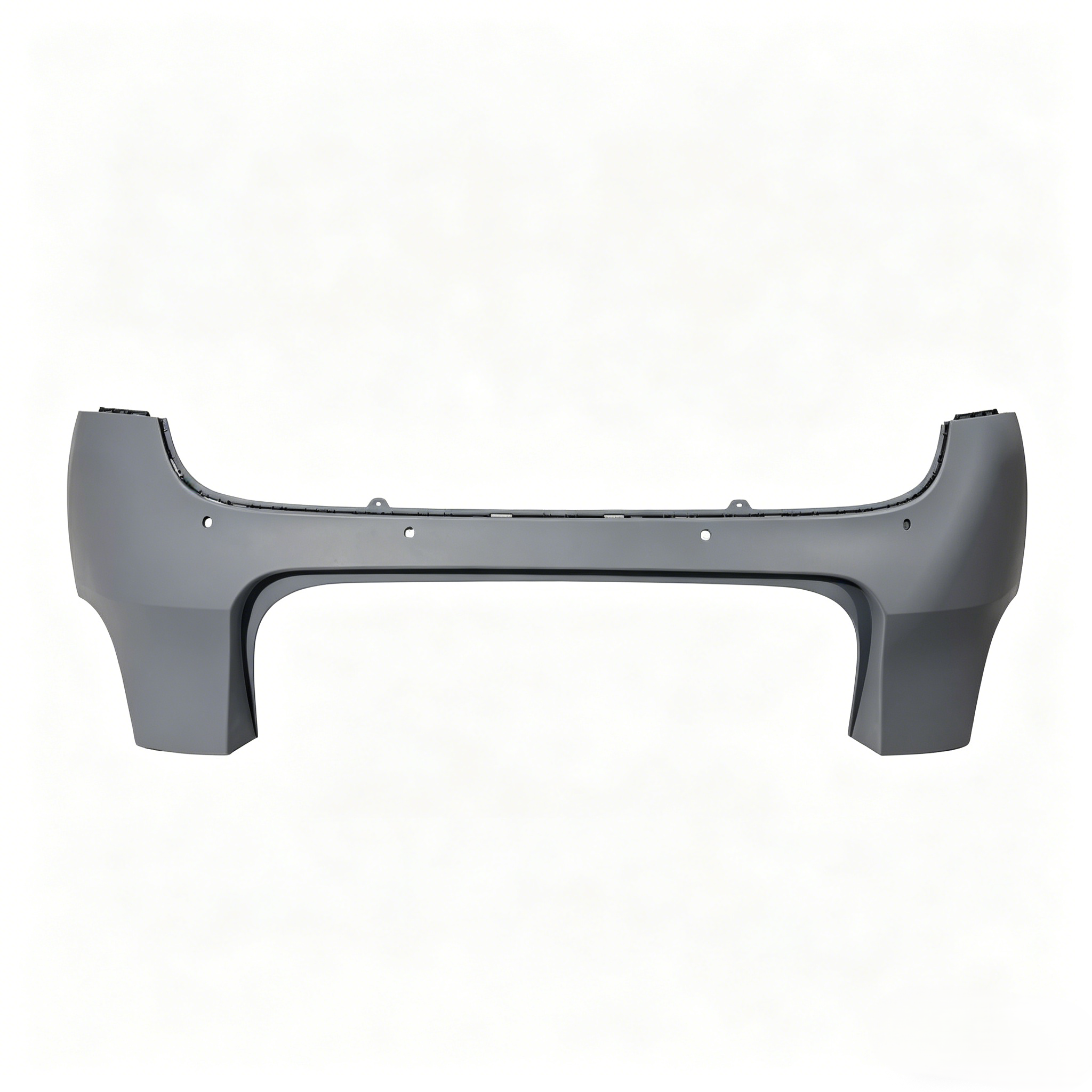
FAQ
What is the typical lifespan of an automotive bumper?
The lifespan of an automotive bumper typically ranges from seven to twelve years, depending on climate, maintenance practices, and impact history. In favorable conditions with proper care, some automotive bumper systems may exceed fifteen years before replacement becomes necessary. Harsh climates, frequent impacts, and inadequate maintenance can reduce the effective lifespan of an automotive bumper to five years or less.
Can an automotive bumper be restored to like-new condition after damage?
Minor cosmetic damage to an automotive bumper can often be restored through professional refinishing, heat reshaping, or paint touch-up, though the material properties may be slightly altered. Structural damage that affects the reinforcement framework or causes deep cracks in the automotive bumper fascia typically requires replacement rather than restoration. Each repair cycle to an automotive bumper reduces its residual durability, so restoration is most cost-effective for vehicles early in their service life or in fleet operations with strict maintenance protocols.
How does climate affect automotive bumper durability?
Climate has one of the most significant impacts on automotive bumper durability through UV exposure, thermal cycling, and salt corrosion. Hot, sunny climates accelerate UV degradation and thermal stress on the automotive bumper, while cold climates make the material brittle and prone to cracking. Vehicles in moderate climates with minimal road salt exposure show the best automotive bumper longevity, while those in harsh environments require more aggressive maintenance and protection strategies.