ชิ้นส่วนบัมเปอร์ยานพาหนะ
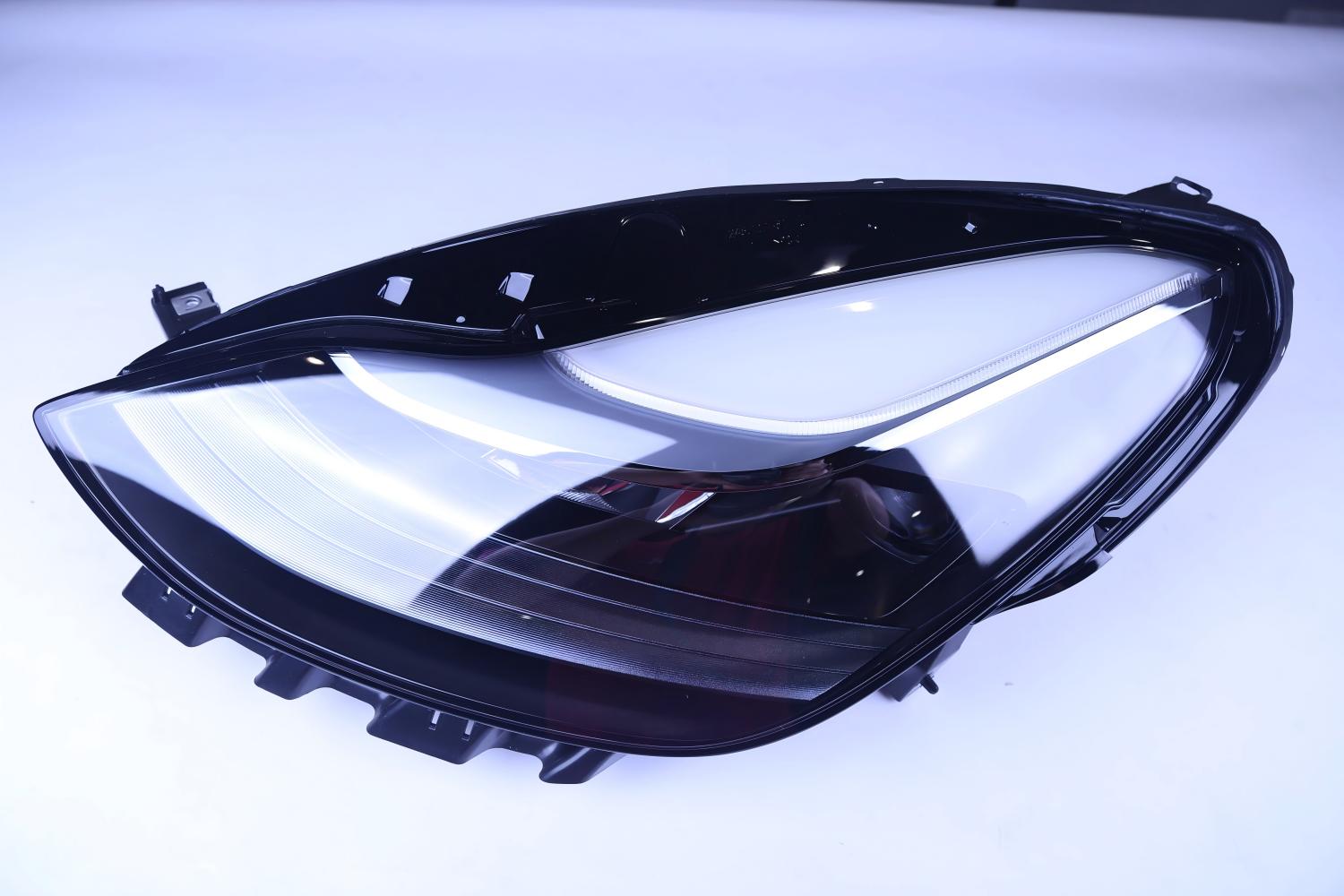
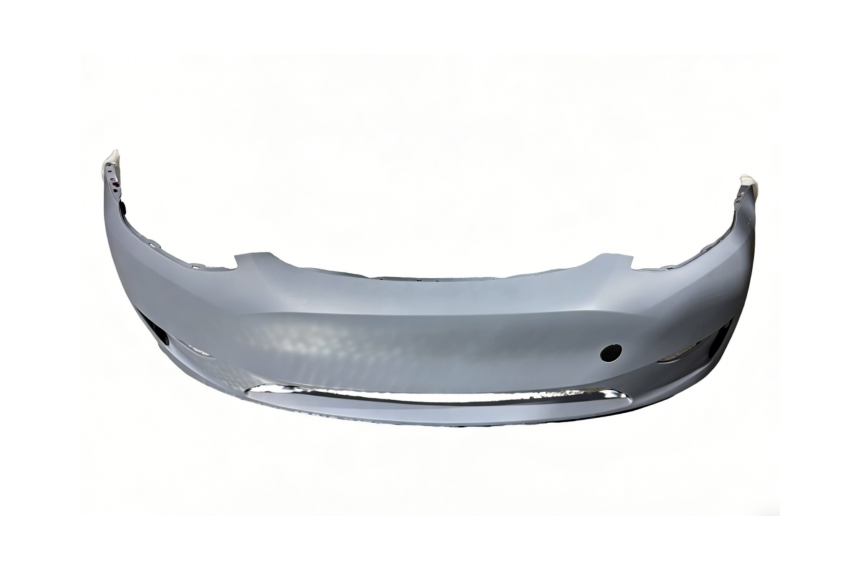
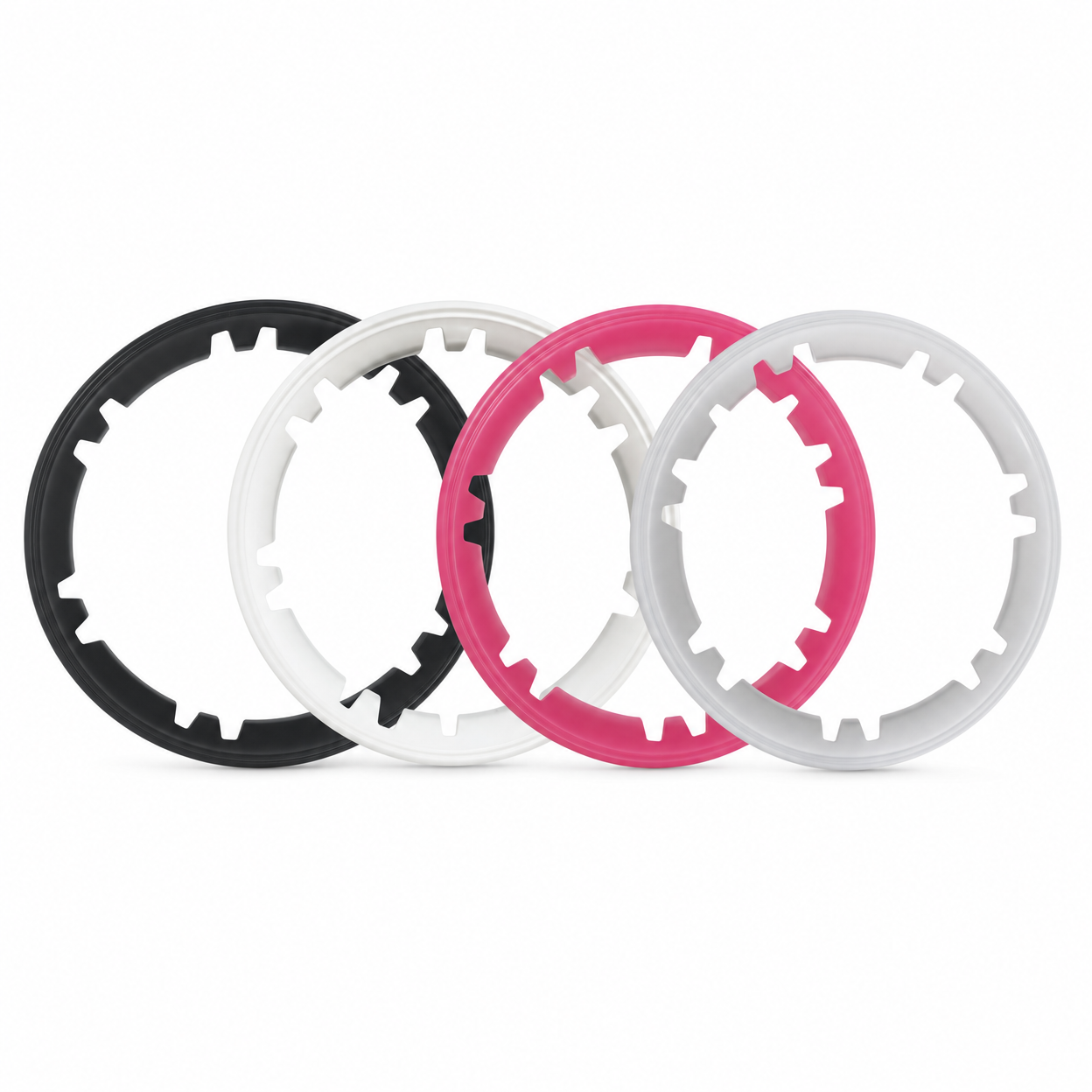
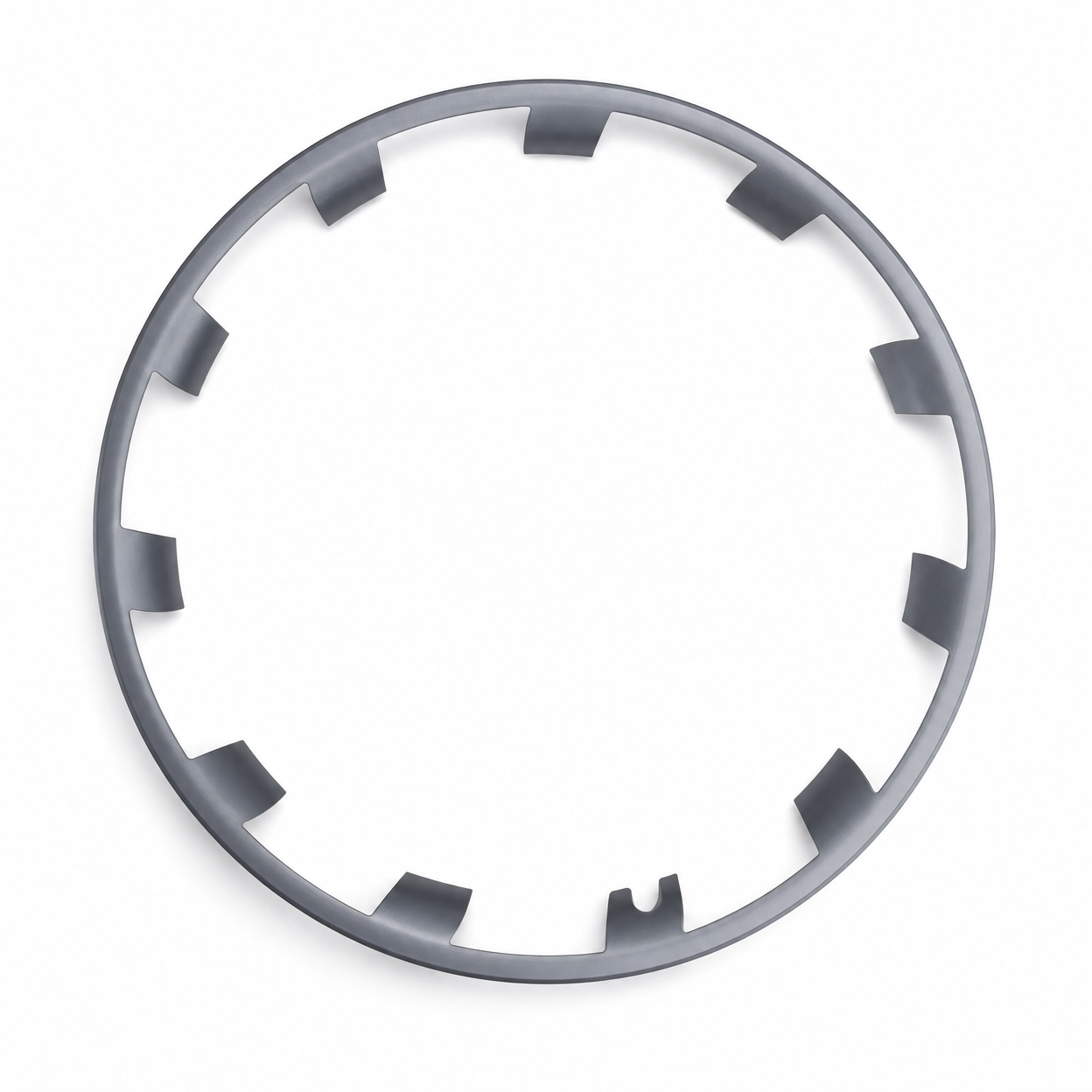
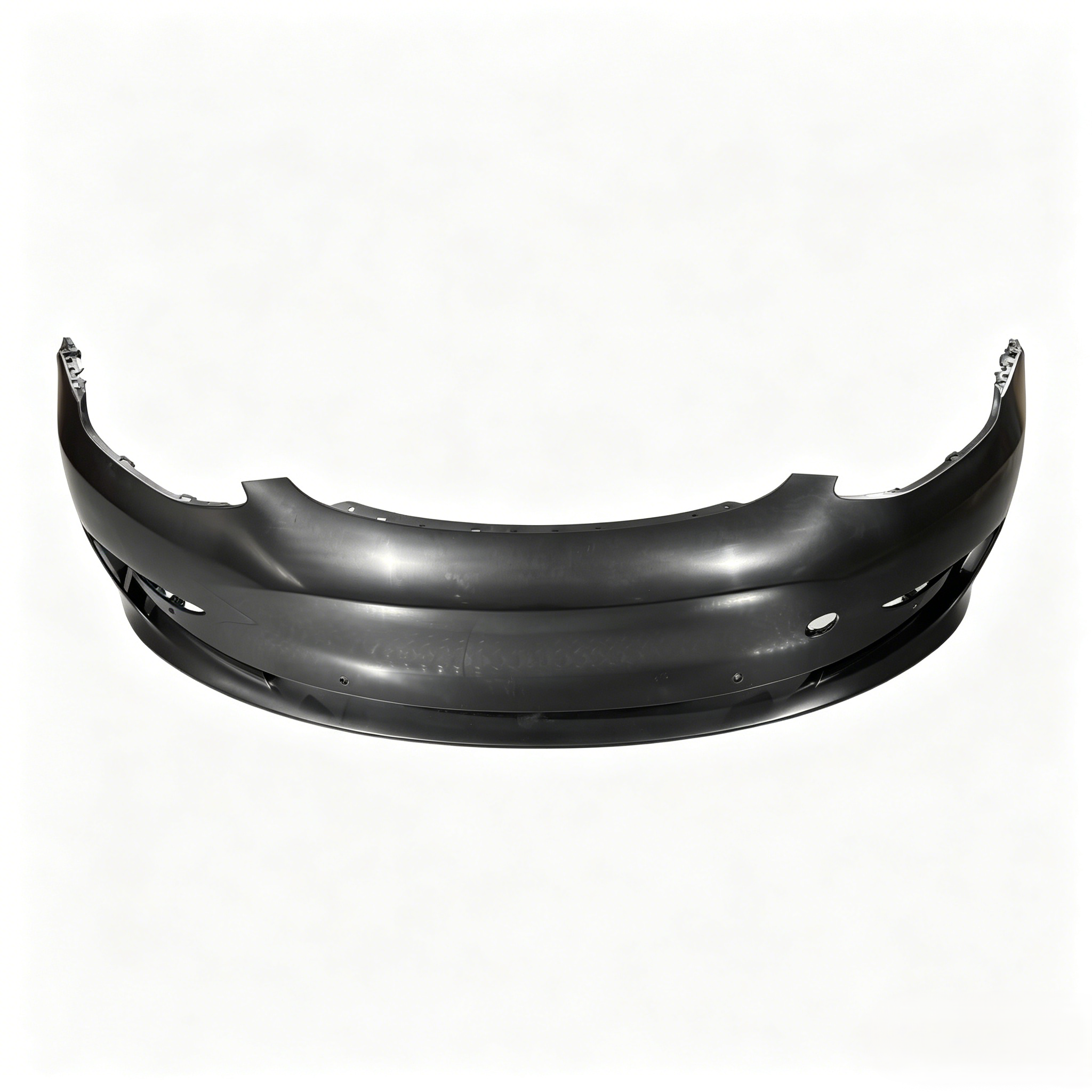
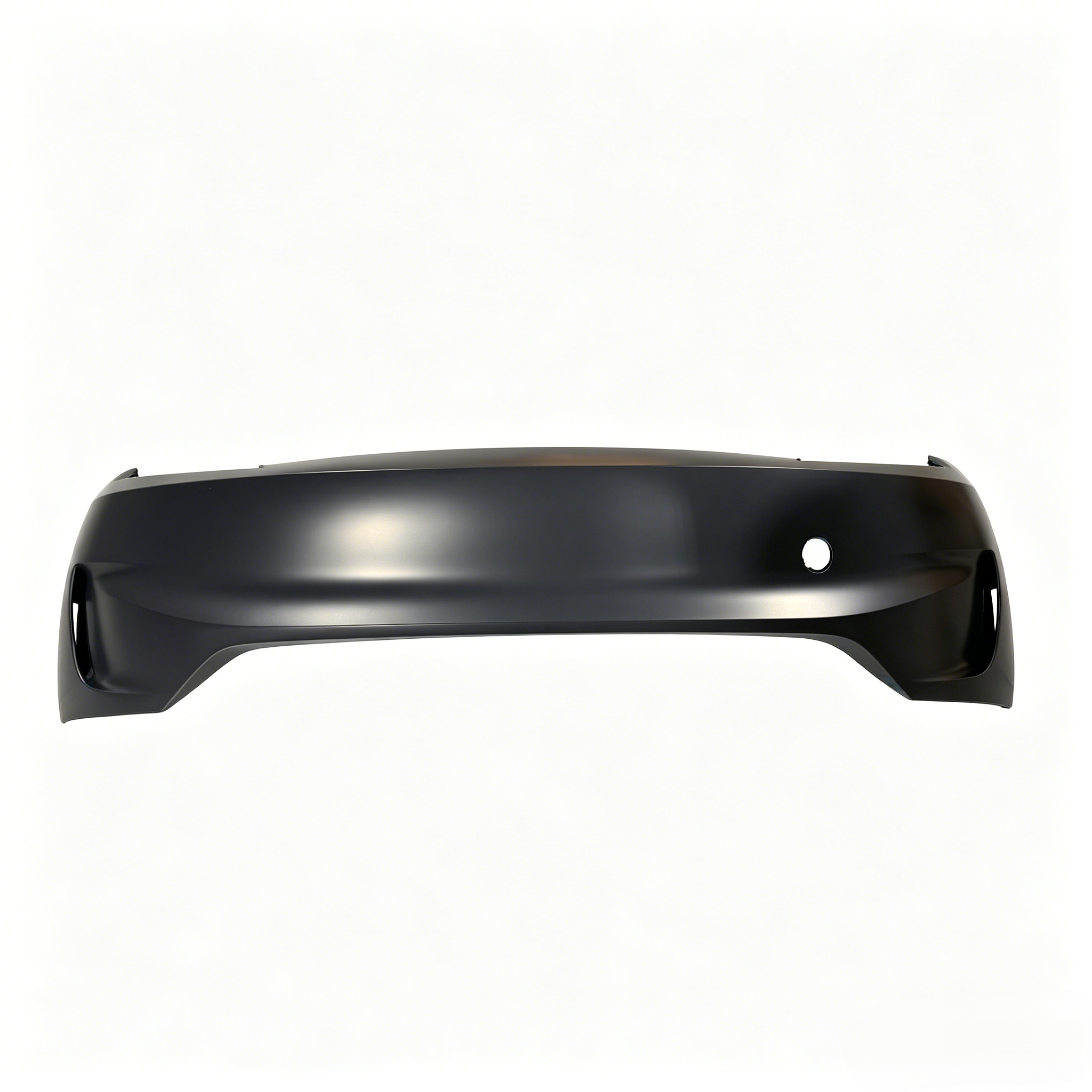
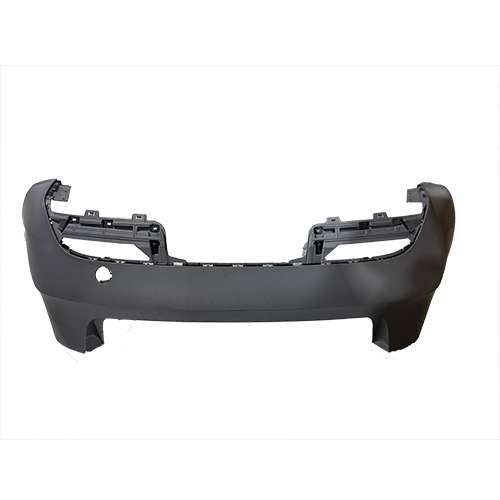
ชิ้นส่วนกันชนรถยนต์เป็นองค์ประกอบป้องกันที่จำเป็น ซึ่งทำหน้าที่เป็นแนวป้องกันขั้นแรกสำหรับยานยนต์สมัยใหม่ ชิ้นส่วนเหล่านี้ซึ่งผ่านการออกแบบวิศวกรรมอย่างพิถีพิถัน ถูกติดตั้งไว้อย่างมีกลยุทธ์ทั้งด้านหน้าและด้านหลังของยานพาหนะ โดยมีจุดประสงค์เพื่อดูดซับพลังงานจากการกระแทกในระหว่างการชน และลดความเสียหายต่อโครงสร้างสำคัญของยานพาหนะให้น้อยที่สุด ชิ้นส่วนกันชนรถยนต์รุ่นปัจจุบันประกอบด้วยองค์ประกอบหลายส่วนที่ผสานรวมกันอย่างลงตัว ได้แก่ ฝาครอบกันชน คานเสริมแรง ตัวดูดซับพลังงาน แหวนยึดติด และเซ็นเซอร์หรือชิ้นส่วนตกแต่งต่างๆ ฝาครอบกันชนด้านนอก ซึ่งโดยทั่วไปผลิตจากพลาสติกที่ทนทานหรือวัสดุคอมโพสิต ทำหน้าที่ทั้งเพิ่มคุณค่าเชิง aesthetic และปกป้องชิ้นส่วนภายในจากรายการของสิ่งแวดล้อมภายนอก ภายใต้ชั้นที่มองเห็นได้นี้ คานเสริมแรงซึ่งมักผลิตจากเหล็กกล้าความแข็งแรงสูงหรืออลูมิเนียม จะทำหน้าที่กระจายแรงจากการกระแทกไปยังโครงแชสซีของยานพาหนะ ส่วนตัวดูดซับพลังงาน ซึ่งมักผลิตจากโฟมหรือโครงสร้างแบบรังผึ้ง จะยุบตัวลงในระหว่างการชน เพื่อกระจายพลังงานจลน์อย่างมีประสิทธิภาพ ชิ้นส่วนกันชนรถยนต์รุ่นใหม่ยังผสานเทคโนโลยีขั้นสูงเข้าไว้ด้วยกัน เช่น เซ็นเซอร์จอดรถแบบบูรณาการ ระบบกล้อง หน่วยเรดาร์สำหรับระบบควบคุมความเร็วแบบปรับตัว (Adaptive Cruise Control) และจุดยึดติดสำหรับไฟตัดหมอกหรือไฟหน้าแบบเปิดใช้งานตลอดเวลา (Daytime Running Lamps) ชิ้นส่วนเหล่านี้ทำงานร่วมกันอย่างสอดคล้องเพื่อยกระดับทั้งด้านความปลอดภัยและฟังก์ชันการใช้งาน การประยุกต์ใช้ชิ้นส่วนกันชนรถยนต์นั้นครอบคลุมยานยนต์ทุกประเภท ตั้งแต่รถยนต์ขนาดกะทัดรัดไปจนถึงรถบรรทุกหนัก โดยแต่ละแบบถูกออกแบบให้สอดคล้องกับมาตรฐานระเบียบข้อบังคับเฉพาะและข้อกำหนดด้านประสิทธิภาพที่แตกต่างกัน ผู้ผลิตยังคงพัฒนานวัตกรรมด้านเทคโนโลยีกันชนอย่างต่อเนื่อง โดยใช้ซอฟต์แวร์วิศวกรรมช่วยออกแบบด้วยคอมพิวเตอร์ (Computer-Aided Engineering) เพื่อเพิ่มประสิทธิภาพในการลดน้ำหนักโดยไม่กระทบต่อความแข็งแรงของโครงสร้าง การพัฒนาของชิ้นส่วนกันชนรถยนต์สะท้อนถึงความมุ่งมั่นของอุตสาหกรรมยานยนต์ต่อความปลอดภัยของผู้เดินเท้า ด้วยการออกแบบที่ช่วยลดความเสี่ยงของการบาดเจ็บในกรณีการชนที่ความเร็วต่ำ เมื่อยานพาหนะมีความซับซ้อนมากยิ่งขึ้น กันชนก็ปรับตัวให้รองรับเทคโนโลยีขับขี่อัตโนมัติ (Autonomous Driving Technologies) ทำให้กันชนกลายเป็นส่วนสำคัญทั้งในด้านหน้าที่รับผิดชอบความปลอดภัยแบบดั้งเดิม และในระบบที่ชาญฉลาดสำหรับยานยนต์รุ่นใหม่ ซึ่งกำหนดแนวทางของโซลูชันการขนส่งในยุคปัจจุบัน





 EN
EN