Ekonomik Değer ve Çevresel Sorumluluk Bir Arada
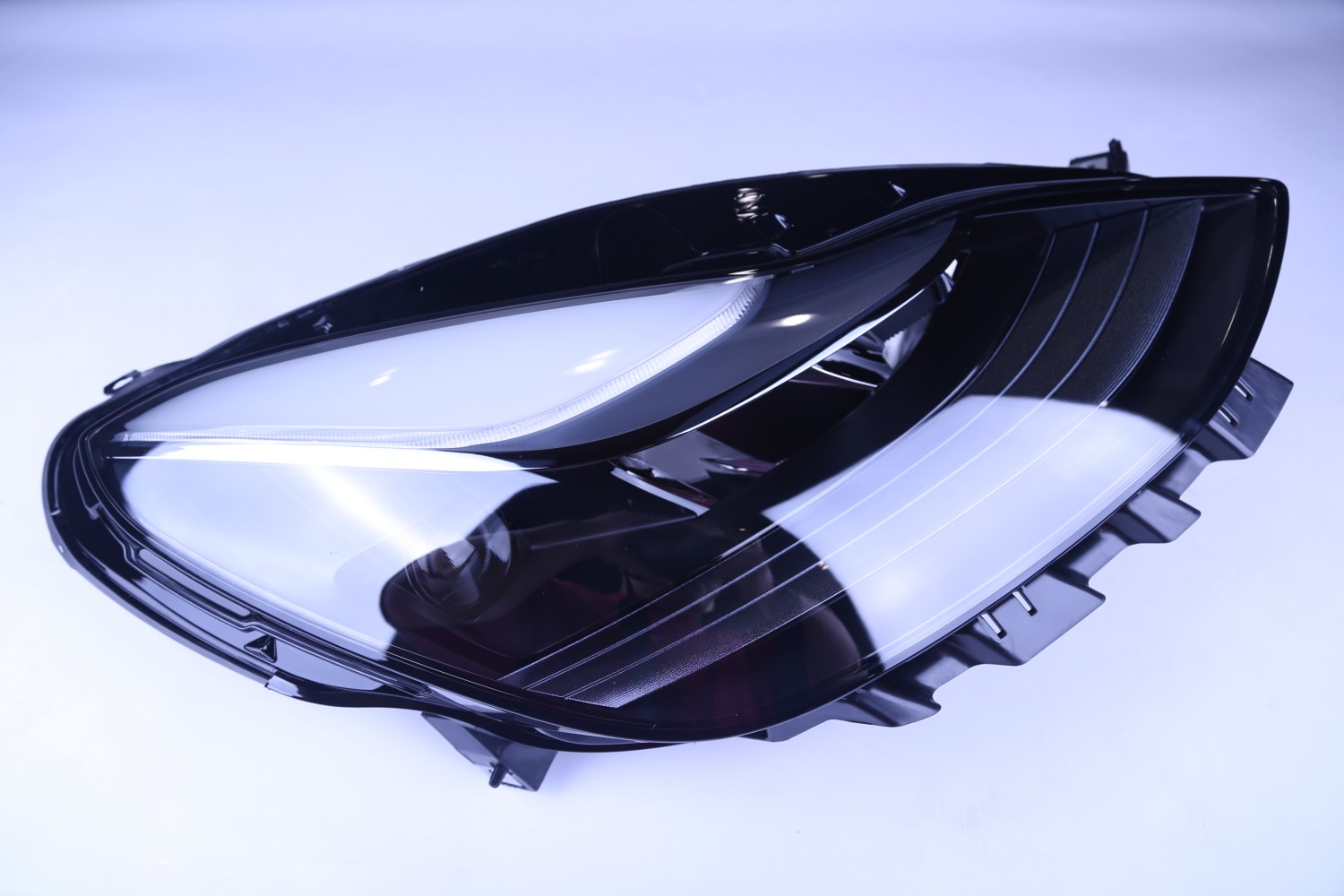
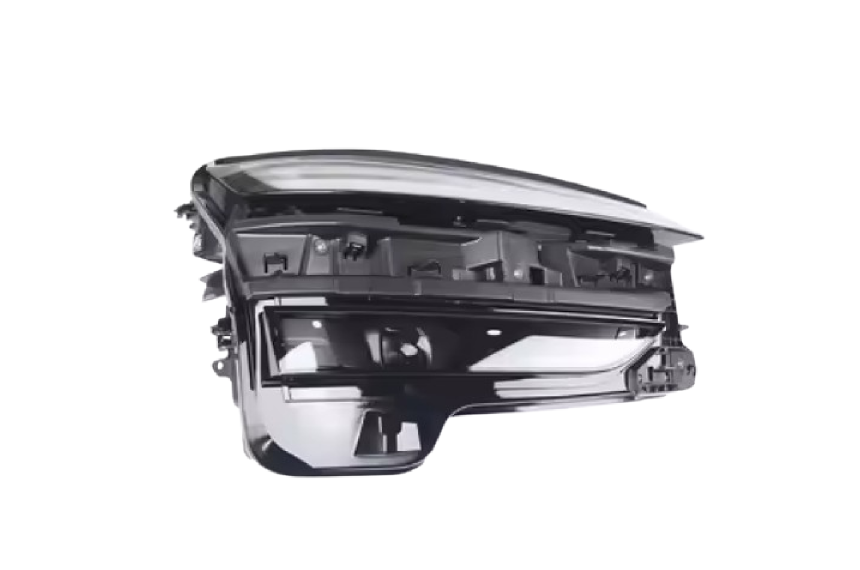
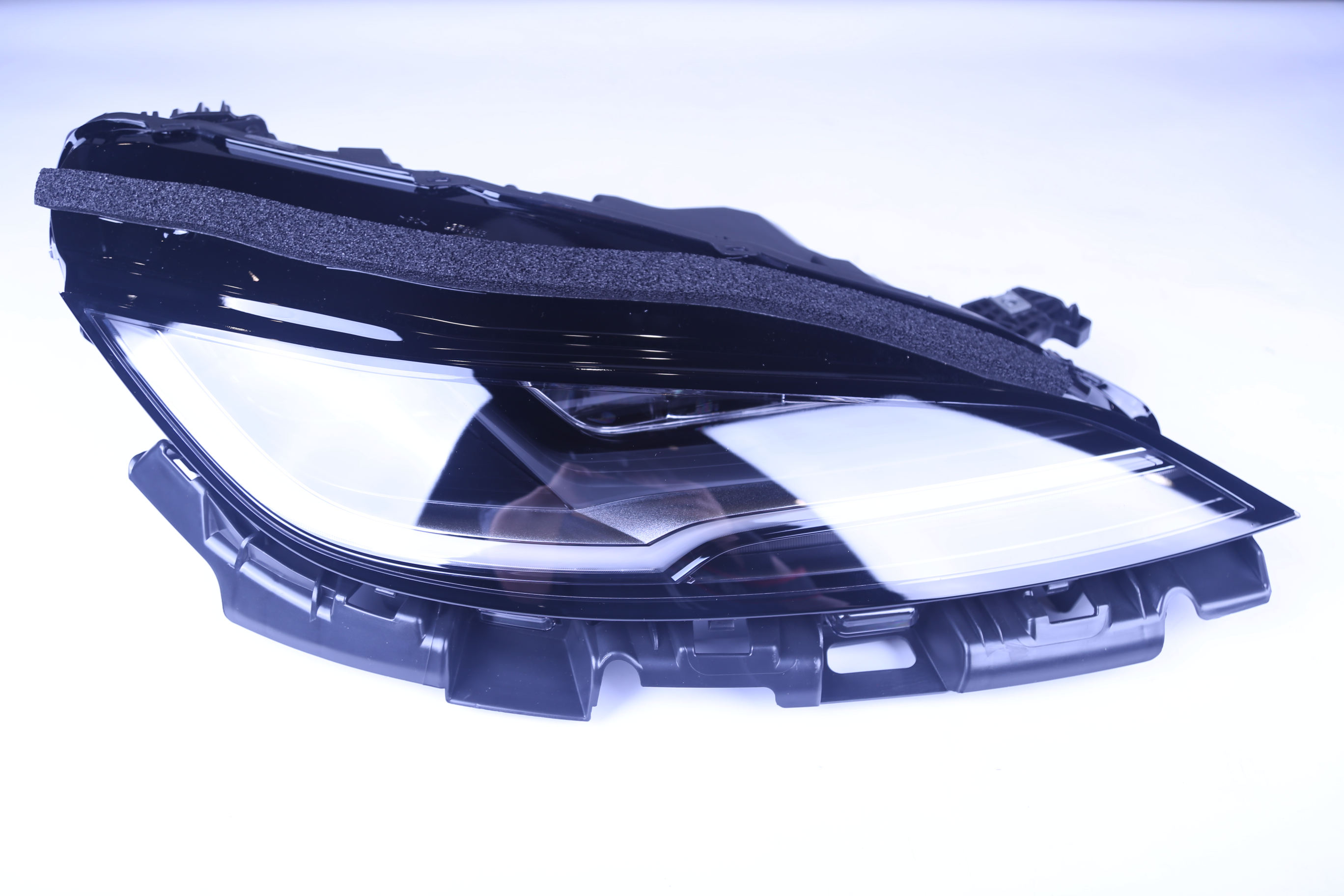
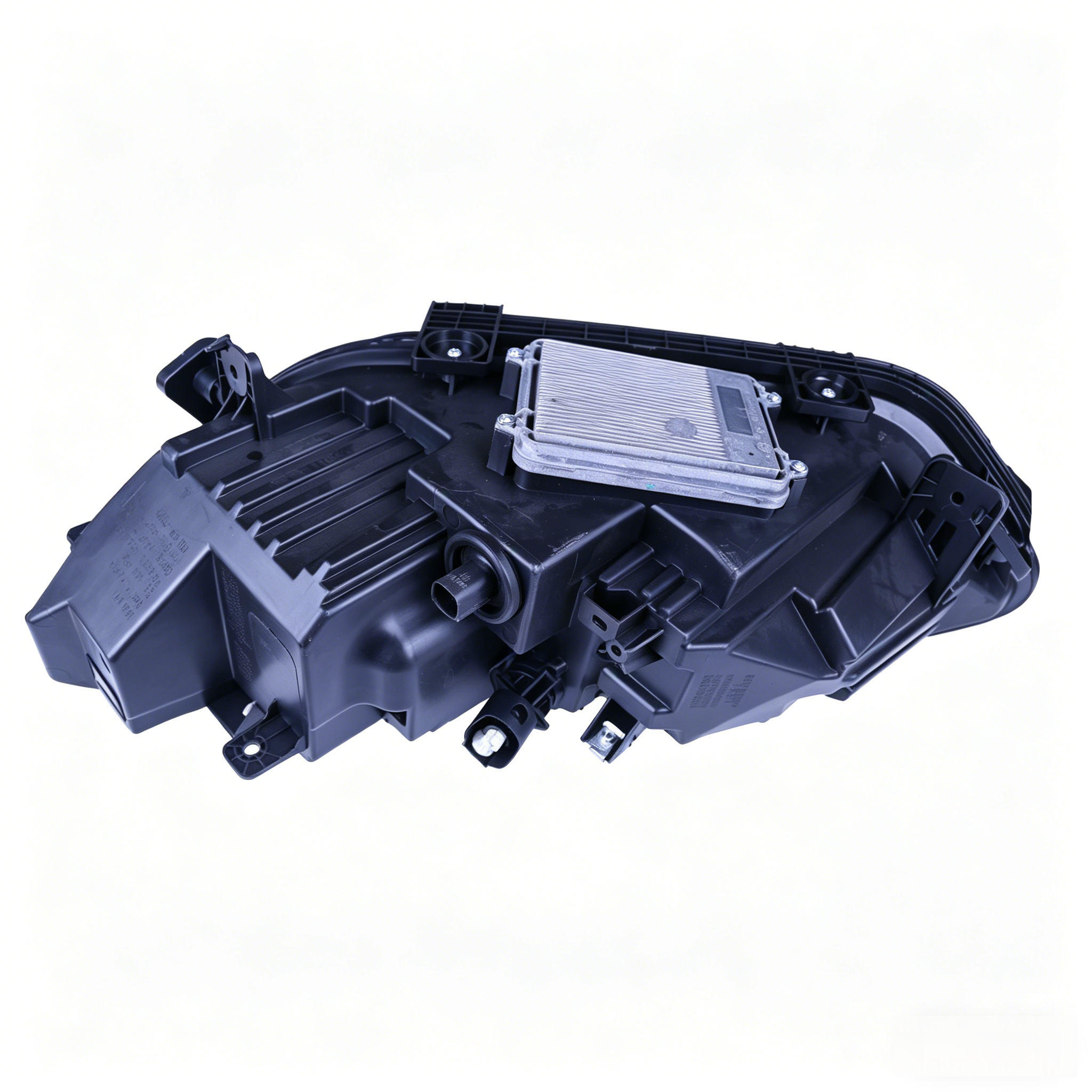
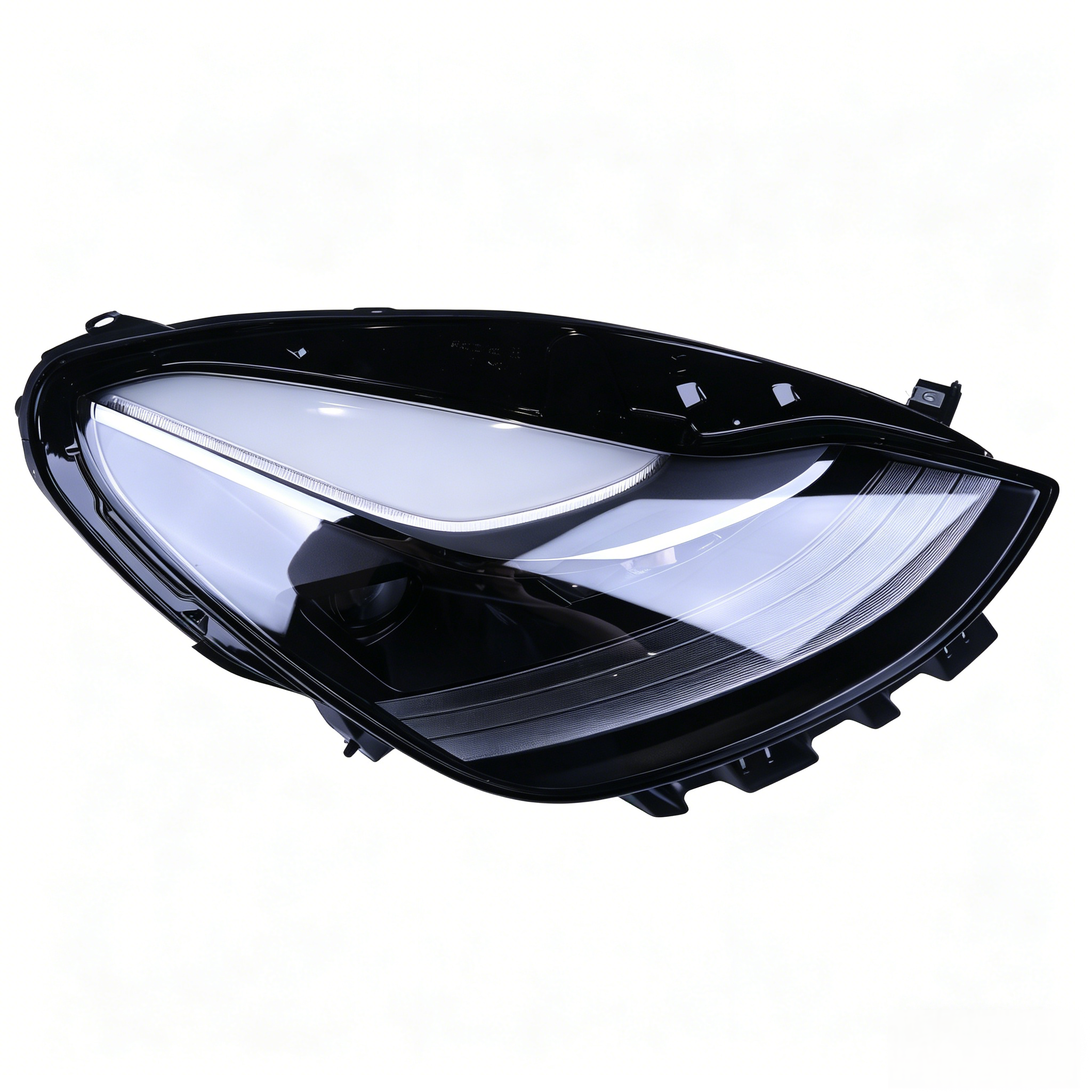
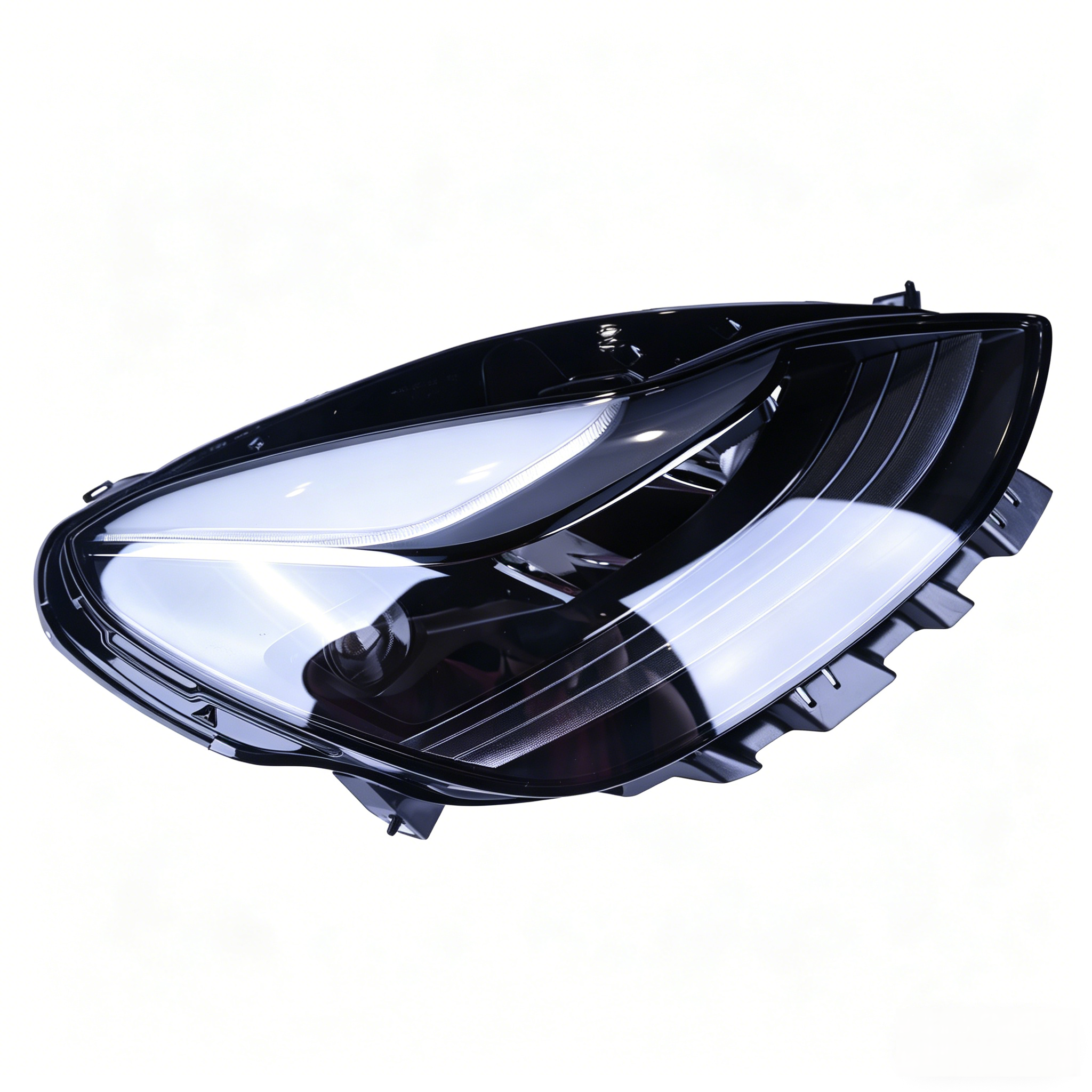
Tam LED far takımı yatırım yapmak, önemli mali tasarruflar sağlayan ve aynı zamanda çevresel sürdürülebilirlik hedeflerini destekleyen akıllıca bir ekonomik karardır. İlk olarak ön planda olan, başlangıç yatırımı olabilir; ancak gerçek değer, aracınızın ömrü boyunca toplam sahip olma maliyeti (TCO) incelendiğinde ortaya çıkar. Geleneksel halojen ampuller, normal sürüş koşullarında iki ila üç yılda bir değiştirilmelidir ve her değişim işlemi, parça maliyetlerinin yanı sıra profesyonel olarak montaj edilmesi durumunda işçilik giderlerini de içerir. Buna karşılık, doğru şekilde üretilen bir tam LED far takımı, 30.000 ila 50.000 saat veya daha uzun süre güvenilir şekilde çalışabilir; bu da aracınızla sahip olma sürenizi tamamen aşabilecek kadar uzun bir ömür anlamına gelir. Bu dikkat çekici dayanıklılık, tekrarlayan değiştirme maliyetlerini ve ampul arızalarının uygun olmayan anlarda yaşanmasına bağlı rahatsızlıkları ortadan kaldırır. Tam LED far takımı’nın enerji verimliliği, zaman içinde biriken sürekli tasarruflar sağlar. Halojen sistemlere kıyasla yaklaşık %60–75 daha az elektrik tüketirken üstün aydınlatma performansı sunan bu takımlar, aracınızın alternatör ve elektrik sistemi üzerindeki yükü azaltır. Geleneksel içten yanmalı motorlu araçlarda bu verimlilik, motorun elektrik üretmek için daha az çaba harcamasını gerektirdiğinden, yakıt tüketiminde küçük de olsa bir iyileşmeye yol açar. Etki, hibrit ve elektrikli araçlarda (EV, HEV, PHEV) daha belirgin hâle gelir; çünkü tasarruf edilen her watt doğrudan sürüş menzilini uzatır. Binlerce kilometrelik sürüş mesafesi boyunca bu verimlilik kazanımları gerçek mali tasarruflara dönüşür. Tam LED far takımı’nın düşük ısı üretimi, çevreleyen bileşenleri termal stresten korur ve böylece muhafaza gövdesi, lensler ve yakın bölgedeki diğer araç gövde parçalarının ömrünü uzatabilir; bu da pahalı onarımları veya estetik hasarları önler. Çevresel açıdan bakıldığında, tam LED far takımı, artan sürdürülebilirlik öncelikleriyle uyumlu hâldir. Uzun ömür, daha az bileşenin çöplüğe gitmesini ve daha düşük güç tüketiminin aracın yaşam döngüsü boyunca genel emisyonların azalmasına katkı sağlamasını sağlar. Üretim teknolojilerindeki ilerlemeler, LED bileşenlerin geri dönüştürülebilirliğini de artırmıştır; bu da çevresel etkiyi daha da azaltır. Ayrıca birçok tam LED far takımı tasarımı, bazı alternatif aydınlatma teknolojilerinde kullanılan cıva ve diğer tehlikeli maddelerin kullanımını ortadan kaldırır. Dayanıklılık faktörü, ayrıca değiştirme parçalarının üretiminde, ambalajlanmasında ve dağıtımında gereken imalat, paketleme ve taşıma kaynaklarını azaltarak sürdürülebilirliğe katkıda bulunur. Araç sahipleri, tam LED far takımı seçiminin yalnızca kişisel ekonomik çıkarlarını değil, aynı zamanda daha geniş kapsamlı çevresel sorumluluğu da destekleyen bir yatırım olduğunu giderek daha iyi kavramaktadır; bu nedenle bu karar, bireysel sürücülerin yanı sıra toplumun tamamı için faydalıdır.





 EN
EN