Auto Headlights: Advanced Automatic Lighting Systems for Enhanced Driving Safety and Convenience

Get a Free Quote

Our representative will contact you soon.
Email
Name
Company Name
Message
0/1000

auto headlights

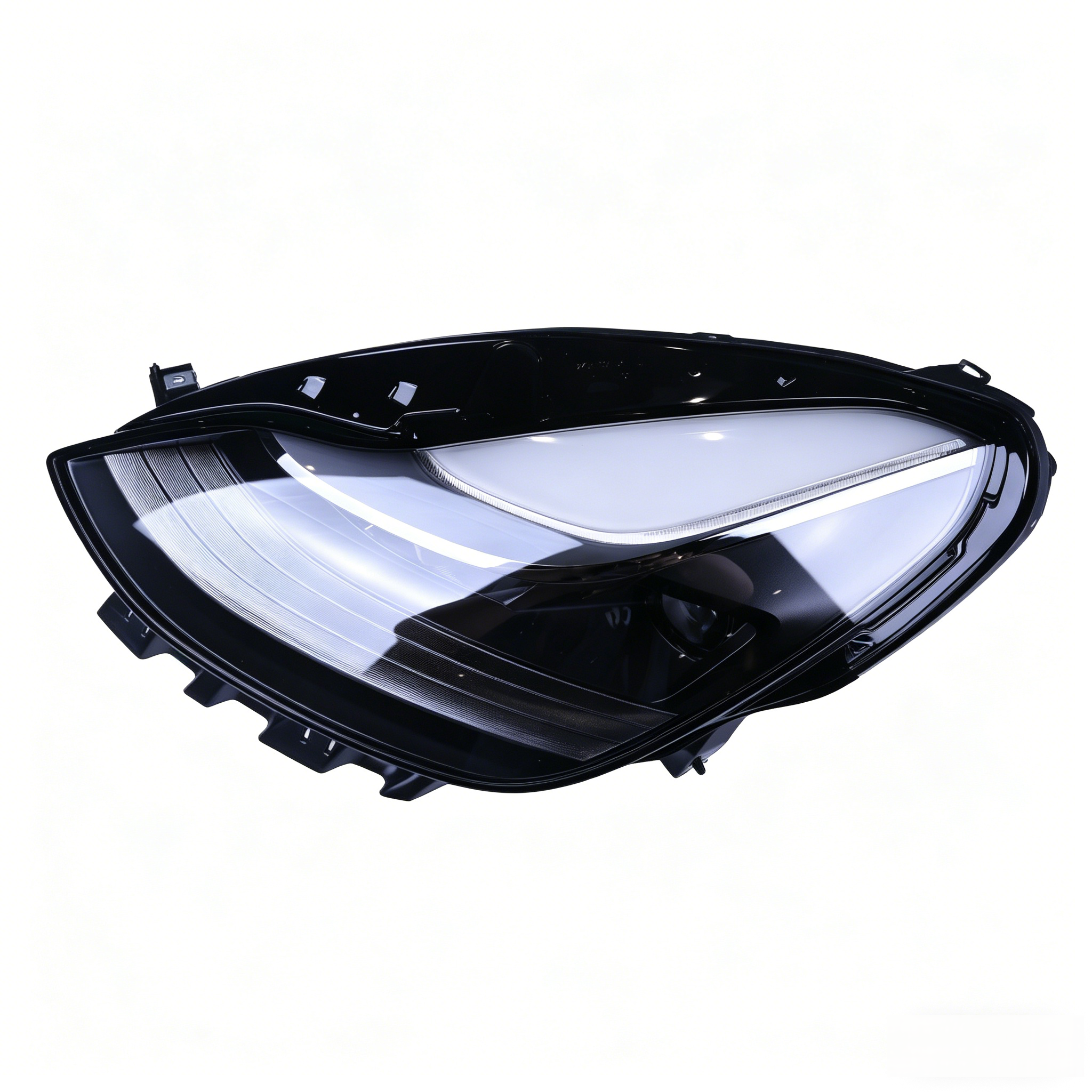
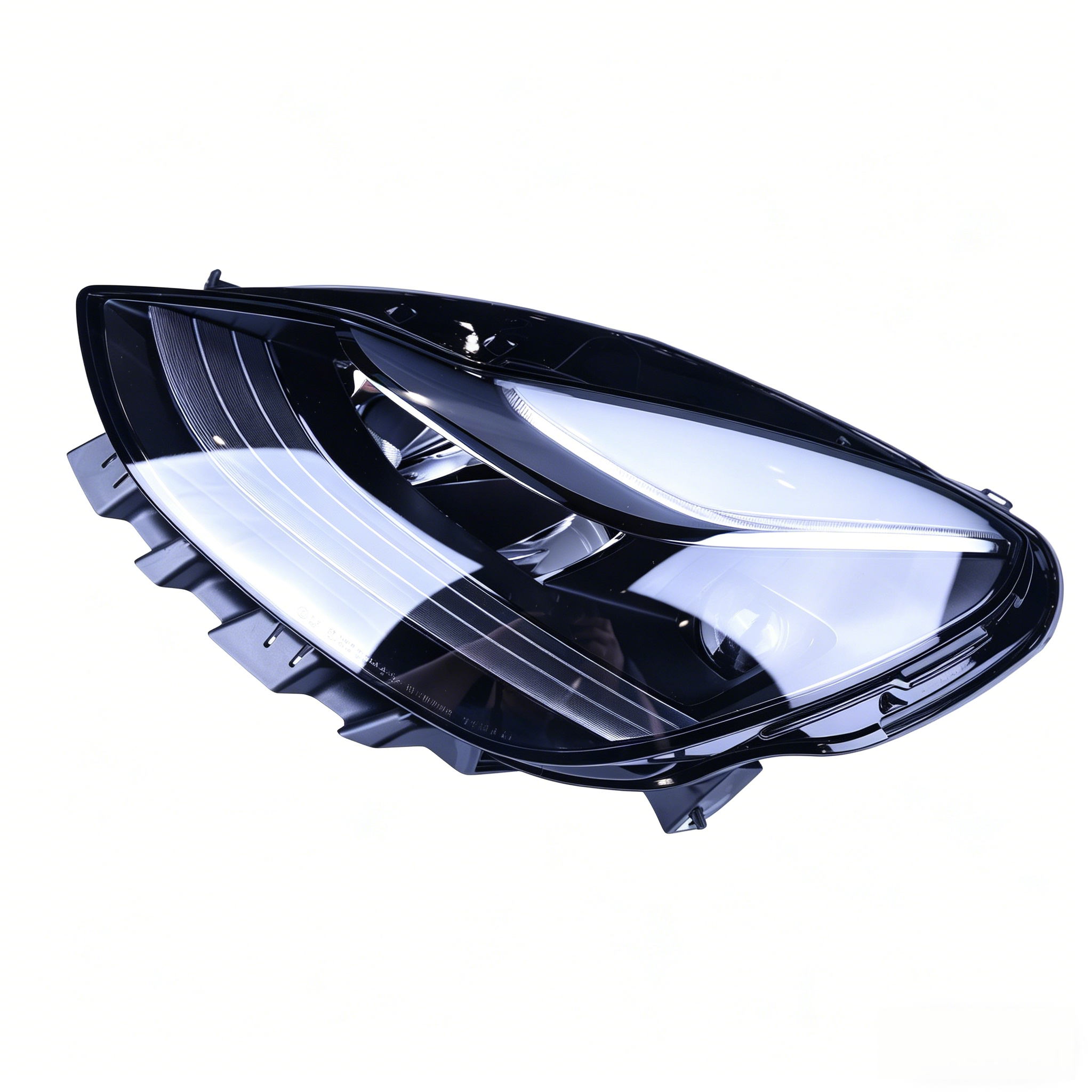
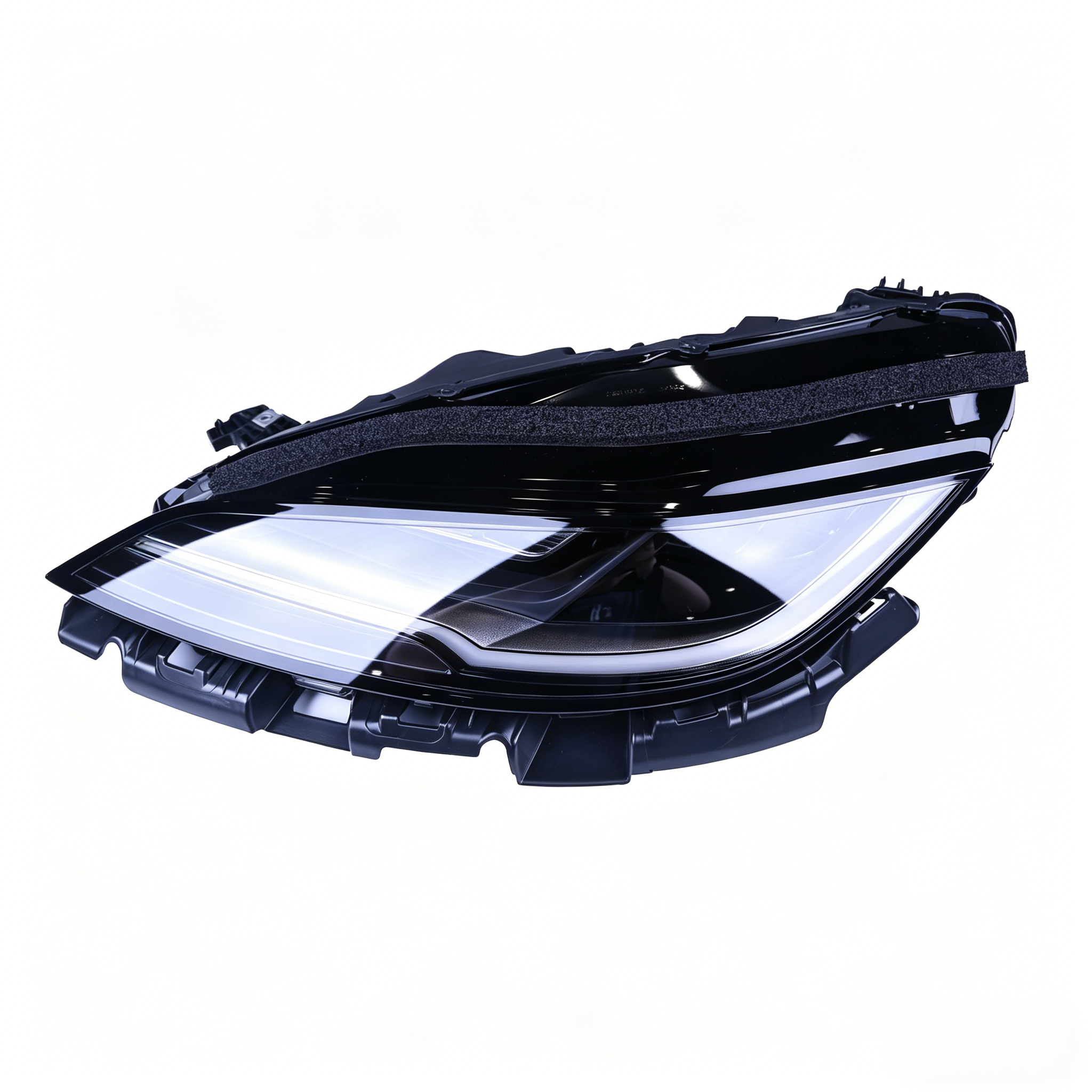
Auto headlights represent a revolutionary advancement in automotive lighting technology, transforming the way drivers experience nighttime and low-visibility driving conditions. These intelligent lighting systems automatically adjust their operation based on environmental factors, eliminating the need for manual intervention and significantly enhancing road safety. At their core, auto headlights utilize sophisticated sensors and control modules that detect ambient light levels, determining when illumination is necessary without driver input. The system seamlessly transitions between daytime running lights and full headlight operation, ensuring optimal visibility at all times. Modern auto headlights incorporate multiple technological features including automatic on-off functionality, high beam assistance, adaptive beam patterns, and integration with vehicle navigation systems. The light sensors typically mounted on the dashboard or windshield continuously monitor external lighting conditions, processing data in real-time to make instantaneous adjustments. When darkness falls, fog appears, or the vehicle enters tunnels or parking structures, auto headlights activate immediately, providing instant illumination. Similarly, when sufficient daylight returns, the system deactivates the lights automatically, conserving battery power and extending bulb lifespan. The applications of auto headlights extend across all vehicle categories, from economy sedans to luxury automobiles and commercial vehicles. They prove particularly valuable for drivers who frequently transition between well-lit urban areas and darker rural roads, or those who regularly use covered parking facilities. The technology integrates seamlessly with other vehicle safety systems, including rain-sensing wipers and automatic climate control, creating a comprehensive automated driving environment. Advanced versions of auto headlights incorporate cornering lights that illuminate the direction of travel during turns, and some premium systems feature matrix LED technology that selectively dims portions of the beam to avoid dazzling oncoming traffic while maintaining maximum illumination elsewhere. The technological sophistication of auto headlights continues to evolve, with manufacturers developing increasingly refined sensor algorithms and faster response times to ensure drivers always benefit from appropriate lighting without distraction or delay.


New Product Releases

The advantages of auto headlights deliver tangible benefits that directly improve your daily driving experience while enhancing safety for you, your passengers, and other road users. First and foremost, these systems eliminate the common problem of forgetting to turn on your lights in changing conditions, a situation that creates dangerous visibility gaps and potential accidents. With auto headlights, you gain peace of mind knowing your vehicle will always illuminate properly when needed, regardless of whether you remember to flip a switch. This automation proves especially valuable during transitional lighting periods like dawn and dusk when human judgment about lighting necessity can vary significantly. Parents driving children to school in early morning darkness benefit immensely, as the system ensures visibility without adding another task to busy morning routines. The convenience factor extends to everyday scenarios like entering parking garages, driving through tunnels, or encountering sudden weather changes. Your lights activate instantly without requiring you to take hands off the steering wheel or divert attention from the road ahead. This seamless operation reduces cognitive load, allowing you to focus entirely on navigation and traffic awareness. Auto headlights also contribute to longer component life by preventing situations where lights remain on after parking, draining your battery and potentially leaving you stranded. The system automatically switches off illumination when you exit the vehicle, protecting against the frustration and expense of dead batteries. Energy efficiency represents another practical advantage, as the lights operate only when genuinely necessary rather than running continuously out of caution. This targeted operation reduces fuel consumption in vehicles where headlight operation draws power from the engine, and extends battery life in electric vehicles where every watt matters for driving range. Insurance companies increasingly recognize the safety benefits of auto headlights, with some providers offering premium discounts for vehicles equipped with this technology. The enhanced visibility these systems provide reduces accident risk, translating to fewer claims and lower costs for insurers who pass savings to policyholders. For resale value, vehicles equipped with auto headlights command higher prices in the used car market, as buyers appreciate the convenience and safety features. The technology also proves valuable for drivers with mobility limitations or those who find manual light control difficult, promoting independence and confidence behind the wheel. Furthermore, auto headlights complement other driver assistance technologies, working harmoniously with adaptive cruise control, lane keeping systems, and collision avoidance features to create a comprehensive safety ecosystem. The consistent and appropriate use of headlights facilitated by automatic systems also improves your visibility to pedestrians, cyclists, and other vehicles, reducing the likelihood of being involved in accidents caused by others failing to see you. Maintenance benefits include reduced wear on light switches and wiring harnesses since the automatic system eliminates repeated manual operations that eventually cause mechanical failure in traditional setups.

Tips And Tricks

Consolidating Foundations, Forging New Paths, Gathering Momentum for Breakthroughs - Jiapei's Two Grand Events of 2026 Conclude Successfully

09

Apr

Consolidating Foundations, Forging New Paths, Gathering Momentum for Breakthroughs - Jiapei's Two Grand Events of 2026 Conclude Successfully

View More
Shanghai Jiapei Partners with Mahle to Launch a New Journey in China's Chassis Aftermarket

07

Apr

Shanghai Jiapei Partners with Mahle to Launch a New Journey in China's Chassis Aftermarket

View More
Jiapei's 2025 Yan'an Summit Concludes Successfully: Empowered by Red Gene, Embarking on a New Journey of

28

Apr

Jiapei's 2025 Yan'an Summit Concludes Successfully: Empowered by Red Gene, Embarking on a New Journey of "Nurturing Ambition, Securing Customer Trust, Forging the Future"

View More

Get a Free Quote

Our representative will contact you soon.
Email
Name
Company Name
Message
0/1000

auto headlights

Intelligent Sensor Technology That Adapts to Your Environment

Intelligent Sensor Technology That Adapts to Your Environment

The foundation of effective auto headlights lies in their sophisticated sensor technology that continuously monitors your driving environment and responds with remarkable precision. These advanced photosensitive sensors detect ambient light levels with exceptional accuracy, measuring not just overall brightness but also analyzing the quality and direction of available light. Positioned strategically within your vehicle, typically near the rearview mirror or integrated into the dashboard, these sensors create a comprehensive picture of external lighting conditions. The technology operates on principles similar to those used in professional photography, where light meters measure illumination to determine optimal exposure settings. However, auto headlight sensors must process information far more rapidly, making decisions in fractions of a second as you drive through changing environments. The intelligence built into modern auto headlight systems extends beyond simple light detection, incorporating algorithms that prevent nuisance activation from temporary shadows or brief passages under bridges. This smart filtering ensures your lights activate only when genuinely needed, avoiding the distraction of constant switching that would occur with overly sensitive systems. The sensors account for various lighting scenarios including the gradual transition from day to night, sudden darkness when entering tunnels or parking structures, and the reduced visibility that accompanies fog, heavy rain, or snow. When these conditions arise, the system responds immediately, activating your auto headlights before you even register the changing environment consciously. This proactive illumination ensures you never experience even momentary visibility loss that could compromise safety. Advanced implementations incorporate additional sensors that detect oncoming vehicle lights and automatically switch between high and low beams, maximizing your visibility without blinding other drivers. The technology recognizes the distinct light signature of approaching vehicles and those you are following, making intelligent decisions about beam intensity and pattern. Some premium auto headlight systems integrate with GPS navigation data, pre-emptively adjusting illumination based on known road characteristics, time of day, and typical lighting conditions for specific locations. This predictive capability means your lights may activate slightly earlier when approaching areas where sensors have previously detected reduced visibility. The sensor arrays in sophisticated auto headlight systems self-calibrate and self-diagnose, ensuring consistent performance throughout the vehicle's lifetime and alerting you if maintenance becomes necessary, protecting the reliability you depend upon for safe nighttime driving.
Seamless Integration With Vehicle Safety Systems

Seamless Integration With Vehicle Safety Systems

Modern auto headlights function as crucial components within comprehensive vehicle safety architectures, working in concert with numerous other systems to create a protective envelope around you and your passengers. This integration represents a fundamental shift from viewing headlights as isolated components to recognizing them as essential elements of active safety technology. When your auto headlights connect with rain-sensing wiper systems, they create intelligent responses to weather conditions, activating illumination the moment precipitation detection triggers wiper operation. This coordination ensures you never drive through rain or snow without proper lighting, addressing visibility from both clearing your windshield and making your vehicle visible to others. The integration extends to vehicle speed sensors, with some auto headlight systems adjusting sensitivity thresholds based on how fast you are traveling, recognizing that higher speeds demand earlier light activation to provide adequate reaction time for obstacles or hazards. Connection with your vehicle's navigation system enables auto headlights to access mapping data showing tunnel locations, dense tree coverage, and urban canyons where tall buildings block natural light, allowing preemptive illumination adjustments before you enter these challenging environments. Many modern implementations link auto headlights with adaptive cruise control and collision avoidance systems, ensuring that when these safety features activate in low light conditions, your illumination is always optimal for the automated systems' sensors and cameras to function effectively. This integration proves critical because many advanced driver assistance technologies rely on visual data that degrades significantly in poor lighting, making your auto headlights essential enablers of these protective features. The connection between auto headlights and vehicle security systems creates added convenience, with lights automatically illuminating when you approach with your key fob, lighting your path to the vehicle and deterring potential threats through visible activation. Some sophisticated systems integrate with driver attention monitoring, increasing headlight brightness slightly if the system detects signs of drowsiness, using the subtle illumination change as a gentle alertness cue. The data sharing between auto headlights and vehicle diagnostics systems ensures that any malfunction triggers dashboard alerts, preventing situations where you might unknowingly drive with compromised lighting capability. Premium implementations connect auto headlights with suspension sensors, adjusting beam angle when the system detects heavy cargo loads that might otherwise cause lights to point upward, maintaining proper road illumination and preventing glare to oncoming traffic. This holistic integration demonstrates how auto headlights transcend simple convenience features to become fundamental safety equipment that enhances every aspect of vehicle operation.
Enhanced Visibility and Safety for All Road Users

Enhanced Visibility and Safety for All Road Users

The primary value proposition of auto headlights centers on their ability to dramatically improve visibility and safety for everyone sharing the road, creating benefits that extend far beyond the convenience of automated operation. Proper illumination serves as your first line of defense against nighttime hazards, and auto headlights ensure this protection activates precisely when needed without human error or delay. Statistics consistently demonstrate that accident rates increase significantly during low-light conditions, with visibility-related incidents comprising a substantial portion of serious collisions. Auto headlights directly address this safety challenge by guaranteeing appropriate illumination regardless of driver distraction, forgetfulness, or misjudgment about lighting necessity. The instantaneous activation these systems provide proves especially critical during sudden visibility changes where human reaction time might leave you driving momentarily without adequate lighting. Consider the scenario of entering a highway tunnel on a bright afternoon; your eyes require several seconds to adjust to the darkness, but your auto headlights illuminate immediately upon entry, ensuring you can see clearly and that other vehicles can see you throughout the transition. This immediate response eliminates the dangerous gap between when lighting becomes necessary and when a driver might manually activate traditional headlights. The consistency of auto headlight operation also enhances safety by making vehicle behavior more predictable to other road users who come to expect that vehicles with this technology will always display appropriate lighting. Pedestrians, cyclists, and motorcycle riders particularly benefit from the reliable visibility that auto headlights provide, as these vulnerable road users depend heavily on seeing and being seen by larger vehicles. Many accidents involving pedestrians occur because drivers fail to use headlights in marginal lighting conditions when human forms become difficult to distinguish against complex backgrounds. Auto headlights eliminate this risk entirely by ensuring illumination whenever ambient light falls below optimal levels for human vision. The technology also addresses the common problem of drivers who leave parking lights on instead of proper headlights, mistakenly believing they have adequate illumination when in fact their front lighting is minimal and rear lights may be missing entirely. With auto headlights, the system determines the correct lighting mode, activating full headlights rather than insufficient parking lights when darkness requires. The safety benefits extend to reducing eye strain during long drives, as properly timed illumination prevents the fatigue that accumulates when drivers struggle to see clearly in inadequate lighting. Your auto headlights work continuously to optimize the balance between providing sufficient illumination for obstacle detection while avoiding excessive glare that might reflect off fog, rain, or snow to reduce rather than enhance visibility. Advanced auto headlight systems with adaptive beam technology create even greater safety margins by actively shaping the light pattern to match road conditions, directing illumination into curves before you turn the wheel and expanding the lit area on high-speed roads where greater following distance requires earlier hazard detection.

Get a Free Quote

Our representative will contact you soon.
Email
Name
Company Name
Message
0/1000