Superior Light Output and Color Quality for Enhanced Visual Clarity
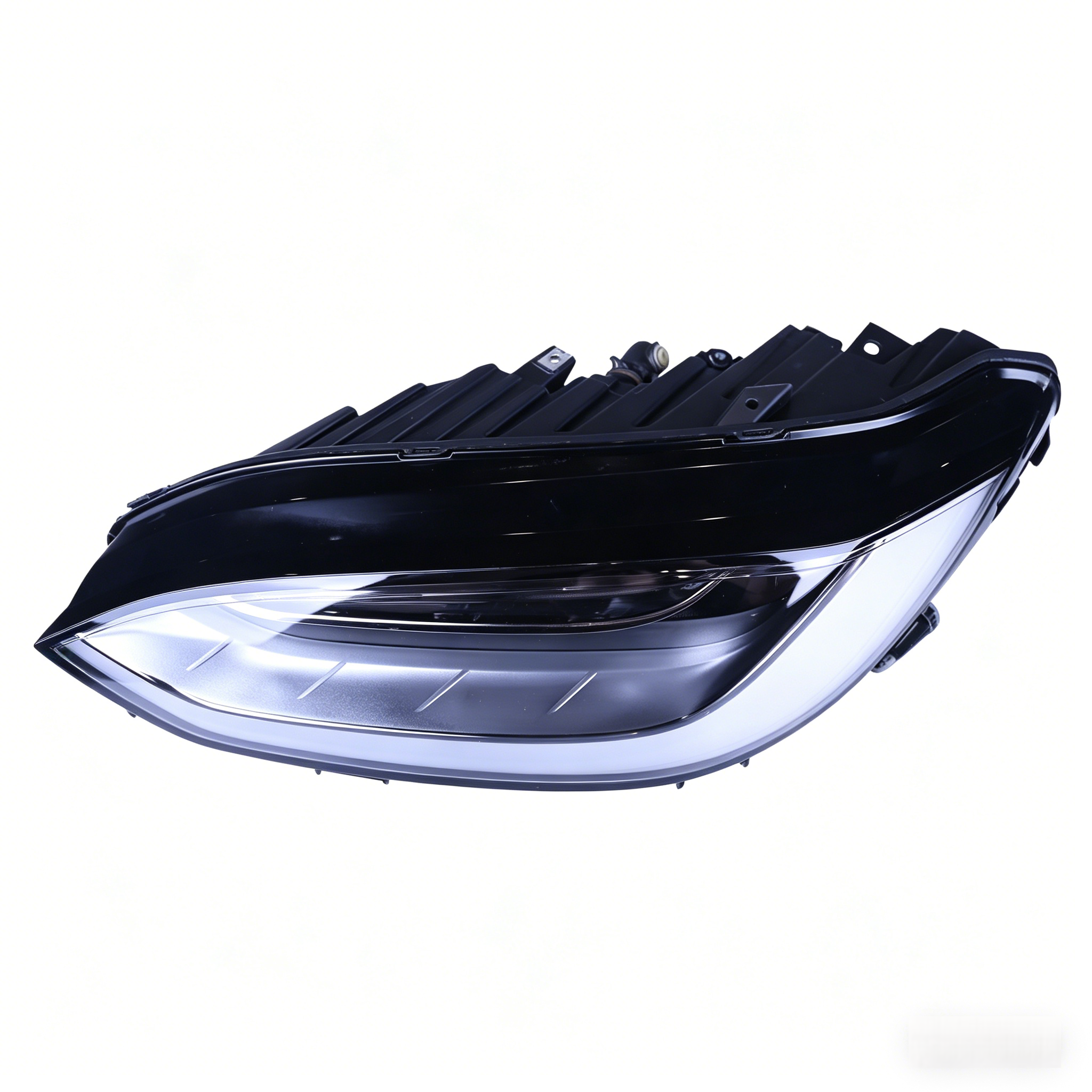
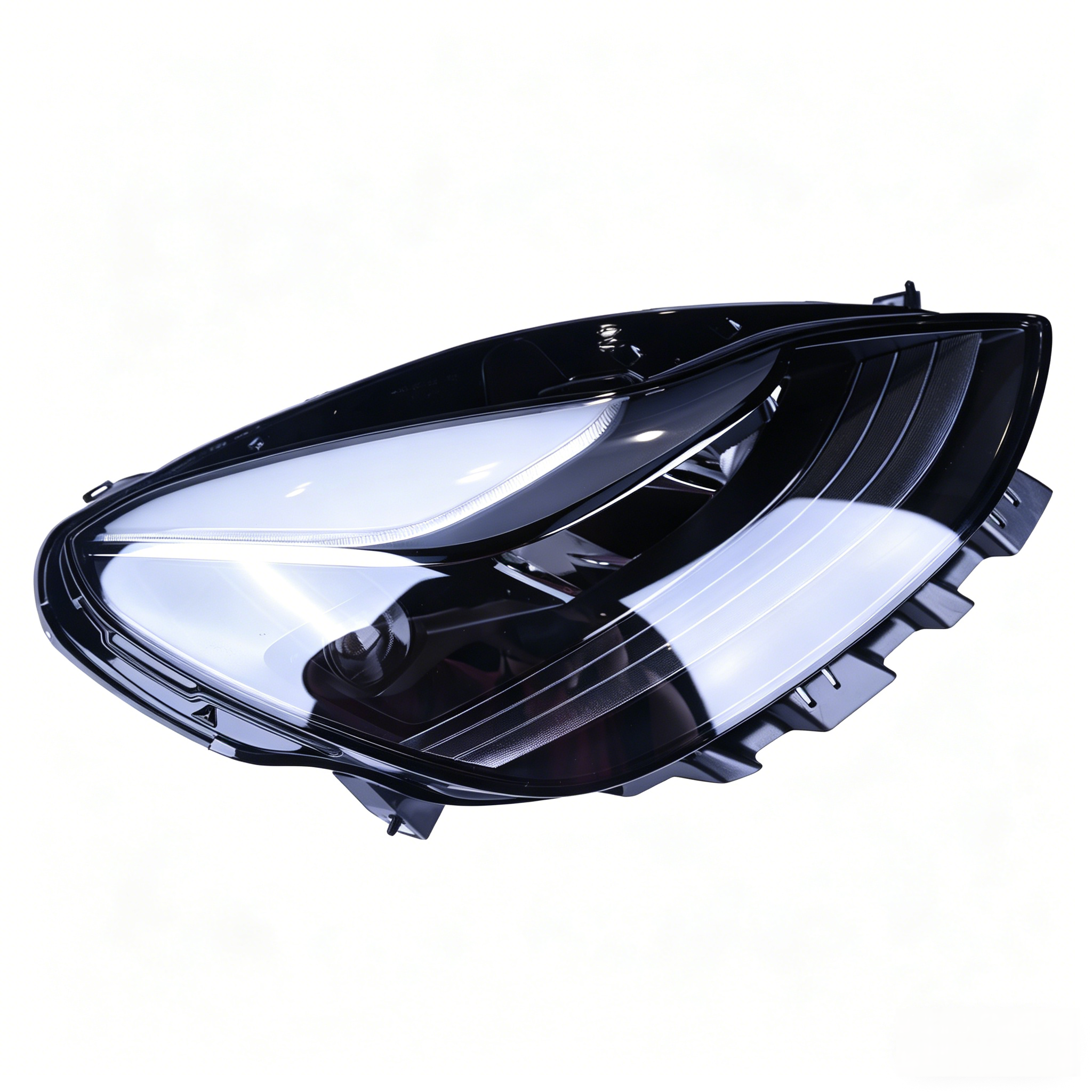
The exceptional light output generated by bright headlights fundamentally changes the nighttime driving experience, delivering illumination intensity measured in thousands of lumens that transforms dark roads into clearly visible pathways comparable to dusk conditions. This remarkable brightness emerges from advanced light source technology, whether through precisely arranged LED arrays, high-intensity discharge arc tubes, or laser-activated phosphor systems, each engineered to produce maximum photon emission within compact physical packages. The luminous efficacy of bright headlights surpasses traditional halogen bulbs by margins exceeding three hundred percent, meaning more usable light reaches the road surface per watt of electrical power consumed. This efficiency translates directly to improved visibility without imposing additional load on vehicle electrical systems or depleting battery reserves during extended use. Color temperature optimization represents a critical aspect of bright headlight superiority, with carefully calibrated spectral output that enhances human visual perception under nighttime conditions. The characteristic white light produced by quality bright headlights, typically between 5,000 and 6,500 Kelvin on the color temperature scale, matches the sun's natural spectrum more closely than the yellowish cast of halogen bulbs, enabling drivers to perceive colors, contrasts, and textures with significantly greater accuracy. This improved color rendering proves invaluable when identifying traffic signs, reading pavement markings, and detecting the reflective clothing or accessories of pedestrians and cyclists sharing the roadway. The uniform distribution of light across the illuminated area eliminates the hot spots and dark zones common with inferior lighting systems, creating a consistent field of vision that reduces eye fatigue and allows for more natural scanning of the driving environment. Bright headlights achieve their superior performance through meticulously engineered optical systems incorporating precision-molded lenses, computer-designed reflectors, and strategically positioned light sources that work in concert to shape and direct luminous output exactly where needed. The resulting beam pattern provides excellent width for detecting roadside hazards and adequate distance for high-speed travel while maintaining sharp cutoff lines that prevent upward light scatter from affecting oncoming traffic. Penetration capability in adverse weather conditions sets bright headlights apart from conventional alternatives, as the concentrated light energy and optimized wavelength selection allow beams to cut through rain, fog, and light snow more effectively than diffuse yellow light. The crisp illumination provided by bright headlights also enhances the effectiveness of lane departure warning systems, adaptive cruise control, and other driver assistance technologies that rely on camera sensors requiring adequate lighting to function properly.





 EN
EN