Dipped Beam Technology: Complete Guide to Low Beam Headlights, Benefits & Features

Get a Free Quote

Our representative will contact you soon.
Email
Name
Company Name
Message
0/1000

dipped beam

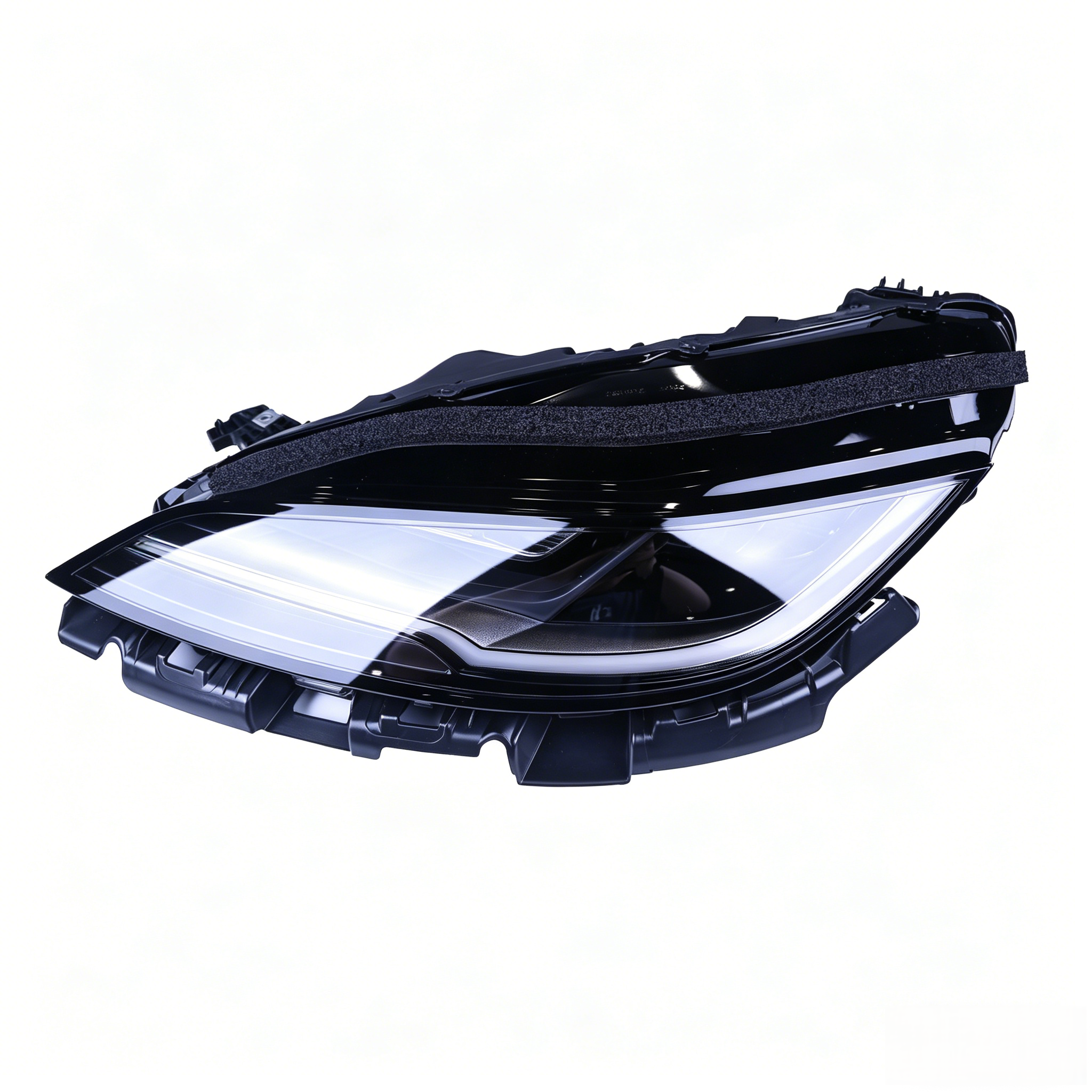
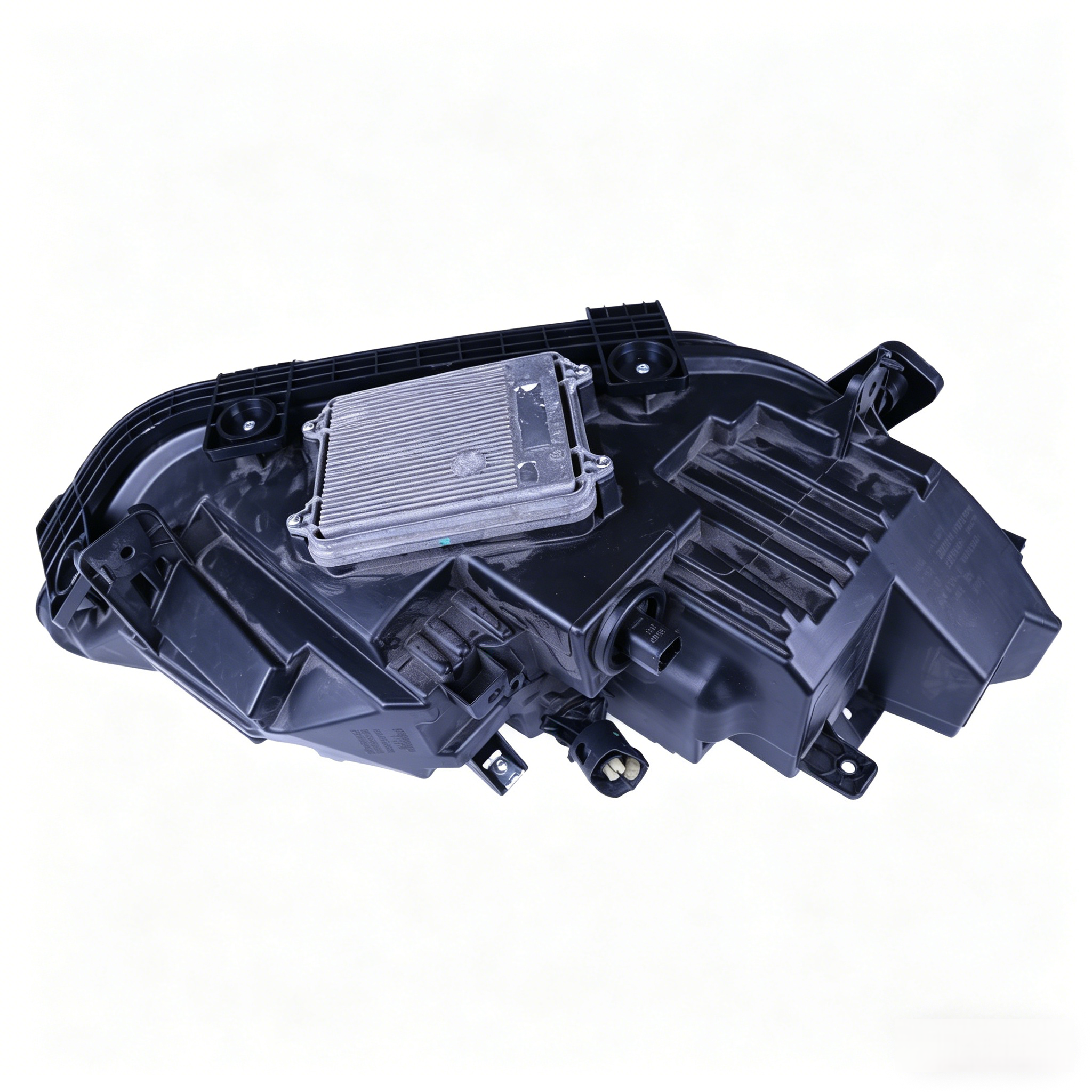
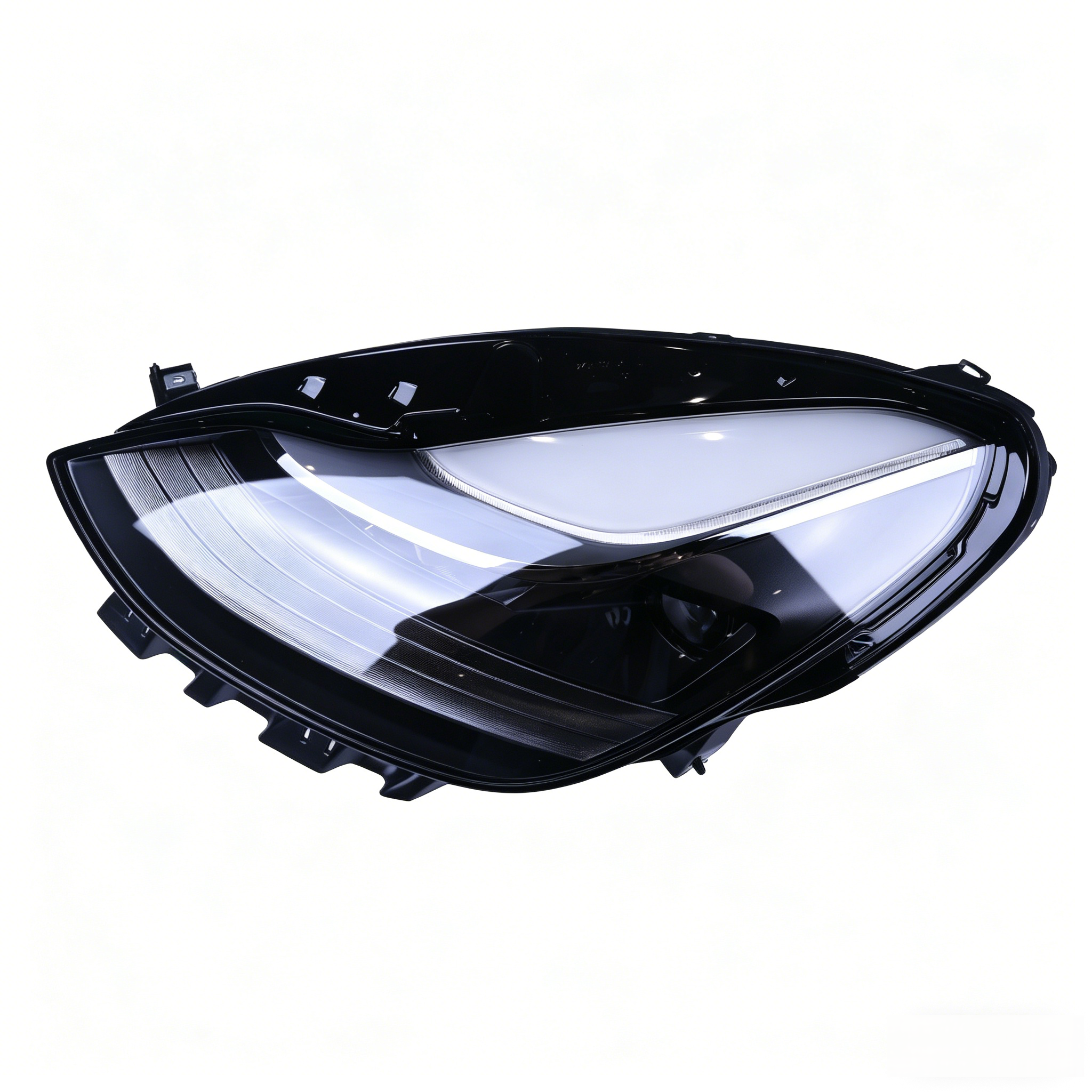
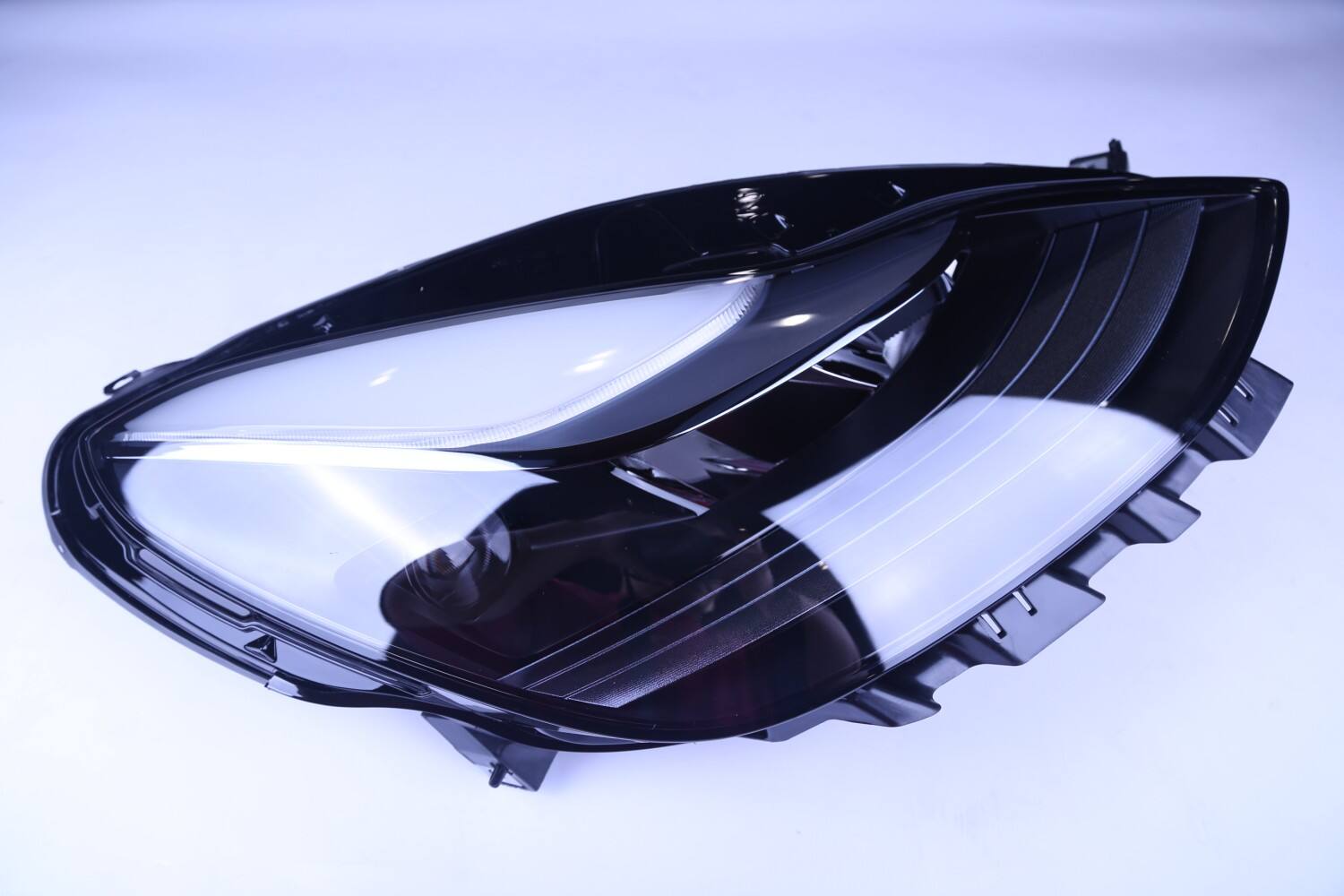
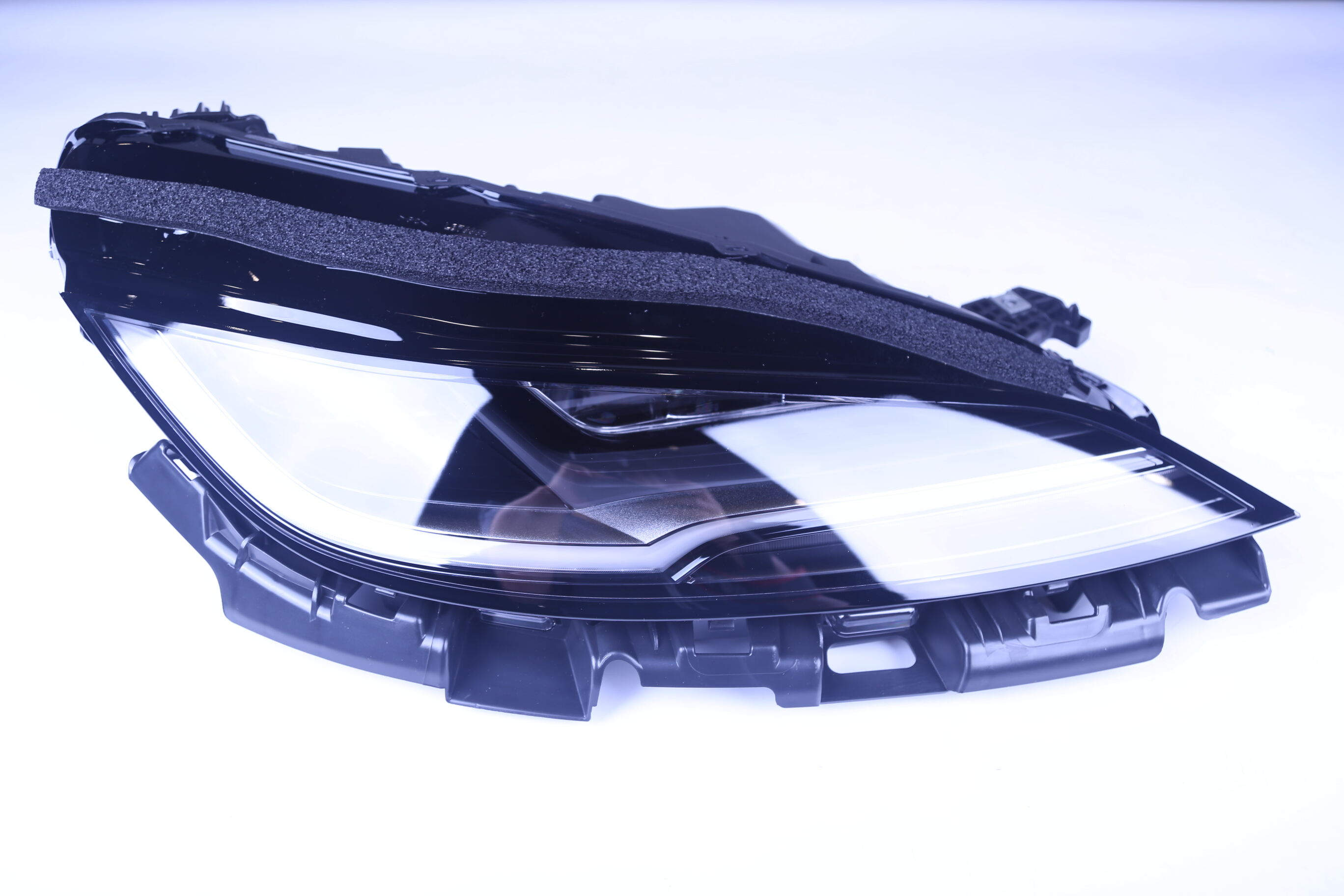
The dipped beam, also known as low beam or passing beam, represents a fundamental lighting system in modern vehicles that provides essential illumination for nighttime and low-visibility driving conditions. This carefully engineered lighting configuration projects light downward and toward the road surface at a specific angle, typically between 0.5 and 1.5 degrees below the horizontal plane. The dipped beam serves as the primary lighting mode for drivers when other vehicles are present, ensuring adequate visibility while preventing glare that could impair oncoming traffic or drivers ahead. The technology behind dipped beam systems has evolved significantly from simple incandescent bulbs to advanced halogen, xenon, and LED configurations. Modern dipped beam assemblies incorporate sophisticated reflector designs and lens patterns that control light distribution with remarkable precision. The beam pattern typically extends approximately 50 to 75 meters ahead of the vehicle, providing sufficient illumination for safe driving at moderate speeds while maintaining a sharp cutoff line that prevents light from rising into the eyes of other road users. The dipped beam functions as a mandatory safety feature in virtually all countries, with regulations specifying exact requirements for beam intensity, pattern, and aiming. Contemporary automotive lighting systems often integrate automatic dipping mechanisms that switch between high and low beams based on sensor detection of approaching vehicles. The dipped beam also plays a crucial role in daytime running light systems, where reduced-intensity operation enhances vehicle visibility without causing discomfort to other drivers. Advanced adaptive dipped beam technologies can now adjust the light pattern dynamically based on steering input, vehicle speed, and road conditions, providing optimized illumination through corners and in various driving scenarios. The continuous development of dipped beam technology reflects the automotive industry's commitment to improving road safety, energy efficiency, and driver comfort in all lighting conditions.

New Product Releases

The dipped beam offers numerous practical benefits that directly enhance your driving experience and safety on the road. First and foremost, this lighting system provides excellent visibility during nighttime driving without creating hazardous glare for other motorists. You can clearly see the road surface, lane markings, road signs, and potential obstacles within a safe distance ahead, allowing you to react appropriately to changing traffic conditions. The controlled light distribution means you maintain good vision while showing courtesy to oncoming drivers and those traveling in front of you. Modern dipped beam systems consume significantly less energy compared to older lighting technologies, which translates to reduced fuel consumption and lower carbon emissions for your vehicle. LED dipped beam configurations offer exceptional energy efficiency, drawing minimal power from your vehicle's electrical system while delivering bright, clear illumination. This efficiency also means less strain on your alternator and battery, contributing to the overall reliability of your vehicle. The longevity of contemporary dipped beam bulbs, particularly LED variants, means you will spend less time and money on replacements. While traditional halogen bulbs might last 500 to 1000 hours, LED dipped beam systems can operate for 20,000 hours or more, potentially lasting the entire lifetime of your vehicle. This durability reduces maintenance costs and eliminates the inconvenience of frequent bulb changes. The instant illumination provided by modern dipped beam systems ensures immediate visibility when you start your vehicle or activate the lights, with no warm-up period required. The precise beam pattern helps you judge distances more accurately, making it easier to navigate through tight spaces, park safely, and maintain proper lane position during nighttime driving. Advanced dipped beam technologies also adapt to weather conditions, with some systems automatically adjusting intensity and pattern when rain, fog, or snow is detected. The consistent, white light produced by newer dipped beam systems improves color recognition, helping you identify traffic signals, warning signs, and road hazards more quickly. You will also experience reduced eye strain during extended nighttime driving, as the properly aimed and distributed light creates a comfortable visual environment. The integration of dipped beam systems with other vehicle safety features, such as automatic headlight activation and adaptive lighting controls, provides a seamless, user-friendly experience that enhances your overall driving confidence and safety.

Latest News

Consolidating Foundations, Forging New Paths, Gathering Momentum for Breakthroughs - Jiapei's Two Grand Events of 2026 Conclude Successfully

09

Apr

Consolidating Foundations, Forging New Paths, Gathering Momentum for Breakthroughs - Jiapei's Two Grand Events of 2026 Conclude Successfully

View More
Shanghai Jiapei Partners with Mahle to Launch a New Journey in China's Chassis Aftermarket

07

Apr

Shanghai Jiapei Partners with Mahle to Launch a New Journey in China's Chassis Aftermarket

View More
Jiapei's 2025 Yan'an Summit Concludes Successfully: Empowered by Red Gene, Embarking on a New Journey of

28

Apr

Jiapei's 2025 Yan'an Summit Concludes Successfully: Empowered by Red Gene, Embarking on a New Journey of "Nurturing Ambition, Securing Customer Trust, Forging the Future"

View More

Get a Free Quote

Our representative will contact you soon.
Email
Name
Company Name
Message
0/1000

dipped beam

Precision Light Distribution Technology

Precision Light Distribution Technology

The dipped beam incorporates sophisticated optical engineering that delivers precisely controlled illumination exactly where you need it most. The system utilizes specially designed reflectors, projector lenses, and shield mechanisms that work together to create a distinct beam pattern with a sharp horizontal cutoff line. This cutoff prevents light from projecting upward into the eyes of oncoming drivers while maximizing illumination of the road surface directly ahead of your vehicle. The asymmetric beam pattern, which is standard in most modern dipped beam configurations, provides extended illumination on the passenger side of the road while maintaining a lower cutoff on the driver side where oncoming traffic travels. This intelligent design gives you better visibility of pedestrians, cyclists, road signs, and potential hazards on the roadside without compromising the safety of other road users. The horizontal spread of the dipped beam pattern typically extends across multiple lanes, ensuring you have adequate peripheral vision to monitor adjacent traffic and potential merging vehicles. Advanced multi-reflector and projector-style dipped beam housings create incredibly uniform light distribution, eliminating dark spots and bright patches that can cause visual discomfort or impair your ability to detect obstacles. The precise aiming mechanisms built into modern dipped beam assemblies allow for exact adjustment to compensate for vehicle load, ensuring the beam pattern remains correctly positioned whether your vehicle is empty or fully loaded with passengers and cargo. Some premium dipped beam systems incorporate dynamic leveling mechanisms that automatically adjust the beam angle based on real-time sensor data, maintaining optimal illumination regardless of driving conditions. The color temperature of contemporary dipped beam systems, particularly those using xenon or LED technology, typically ranges from 4000 to 6000 Kelvin, producing a bright white light that closely resembles natural daylight. This color temperature significantly improves your ability to distinguish colors accurately, helping you identify traffic signals, warning signs, and road markings more quickly and confidently during nighttime driving.
Enhanced Energy Efficiency and Longevity

Enhanced Energy Efficiency and Longevity

Modern dipped beam systems represent a remarkable achievement in energy-efficient lighting technology, delivering superior illumination while consuming minimal electrical power from your vehicle. LED dipped beam configurations exemplify this efficiency, typically requiring only 15 to 25 watts per bulb compared to 55 watts for conventional halogen dipped beam systems, resulting in a power reduction of approximately 60 to 70 percent. This substantial energy saving translates directly to reduced fuel consumption, as your vehicle's alternator requires less engine power to generate the electricity needed for lighting. Over the lifetime of your vehicle, this efficiency can save dozens of gallons of fuel, reducing both your operating costs and environmental impact. The reduced electrical load also benefits your vehicle's battery, particularly during short trips or when using multiple electrical accessories simultaneously, as the charging system can more easily maintain optimal battery voltage. The exceptional lifespan of modern dipped beam technology, especially LED systems, provides significant long-term value and convenience. While traditional halogen dipped beam bulbs typically require replacement every one to two years under normal usage patterns, LED dipped beam systems can operate reliably for 15 to 20 years or more, potentially eliminating the need for bulb replacement during your entire ownership period. This longevity results from the solid-state nature of LED technology, which has no fragile filament to break or degrade over time. The instant-on capability of LED and xenon dipped beam systems means they reach full brightness immediately when activated, unlike some older technologies that required warm-up time, ensuring you have maximum visibility from the moment you need it. The durability of modern dipped beam assemblies extends beyond just the light source, with advanced housing materials and sealed designs that resist moisture, road salt, and impact damage. The thermal management systems integrated into contemporary dipped beam housings efficiently dissipate heat, maintaining optimal operating temperatures that preserve both light output and component longevity. The consistent light output throughout their operational life means LED dipped beam systems maintain their effectiveness without the gradual dimming that affects conventional bulbs, ensuring reliable performance year after year.

Adaptive Safety Features and Smart Integration

Adaptive Safety Features and Smart Integration

Contemporary dipped beam systems incorporate intelligent technologies that actively enhance your safety by automatically adapting to changing driving conditions and environmental factors. Automatic dipping beam activation systems use ambient light sensors to detect when external lighting conditions require headlight illumination, turning your dipped beam on automatically at dusk, when entering tunnels, or during adverse weather conditions like heavy rain or fog. This automation ensures you always have appropriate lighting without requiring constant manual intervention, allowing you to focus more attention on driving tasks. Advanced dipped beam systems integrate with vehicle-mounted cameras and sensors to detect oncoming traffic and vehicles ahead, automatically switching between high and low beam modes to provide maximum illumination without causing glare to other drivers. This intelligent beam management significantly improves nighttime driving safety by ensuring you always have the best possible visibility while maintaining courtesy to other road users. Adaptive dipped beam technology takes this capability further by dynamically adjusting the beam pattern based on steering angle, vehicle speed, and GPS data about road curvature. When you navigate through curves, the dipped beam pattern pivots in the direction of steering input, illuminating the road ahead through the turn rather than pointing straight ahead where you are not traveling. This cornering light function dramatically improves your ability to see pedestrians, animals, or obstacles on curved roads, particularly on rural routes where street lighting is absent. Some premium dipped beam systems incorporate matrix lighting technology that can selectively dim portions of the beam pattern when sensors detect other vehicles, creating a shadow zone that prevents glare while maintaining full illumination in areas where no other traffic is present. The integration of dipped beam systems with vehicle communication networks enables diagnostic monitoring that can alert you to bulb failures, aiming problems, or system malfunctions before they compromise your safety. Weather-responsive dipped beam systems can automatically adjust light intensity and pattern when rain or fog sensors detect reduced visibility conditions, providing enhanced illumination precisely when you need it most. The seamless coordination between dipped beam systems and other vehicle lighting functions, including daytime running lights, turn signals, and fog lights, creates a comprehensive lighting environment that maximizes your visibility to other road users while optimizing your own forward vision.

Get a Free Quote

Our representative will contact you soon.
Email
Name
Company Name
Message
0/1000