Long-Term Value Through Durability and Efficiency
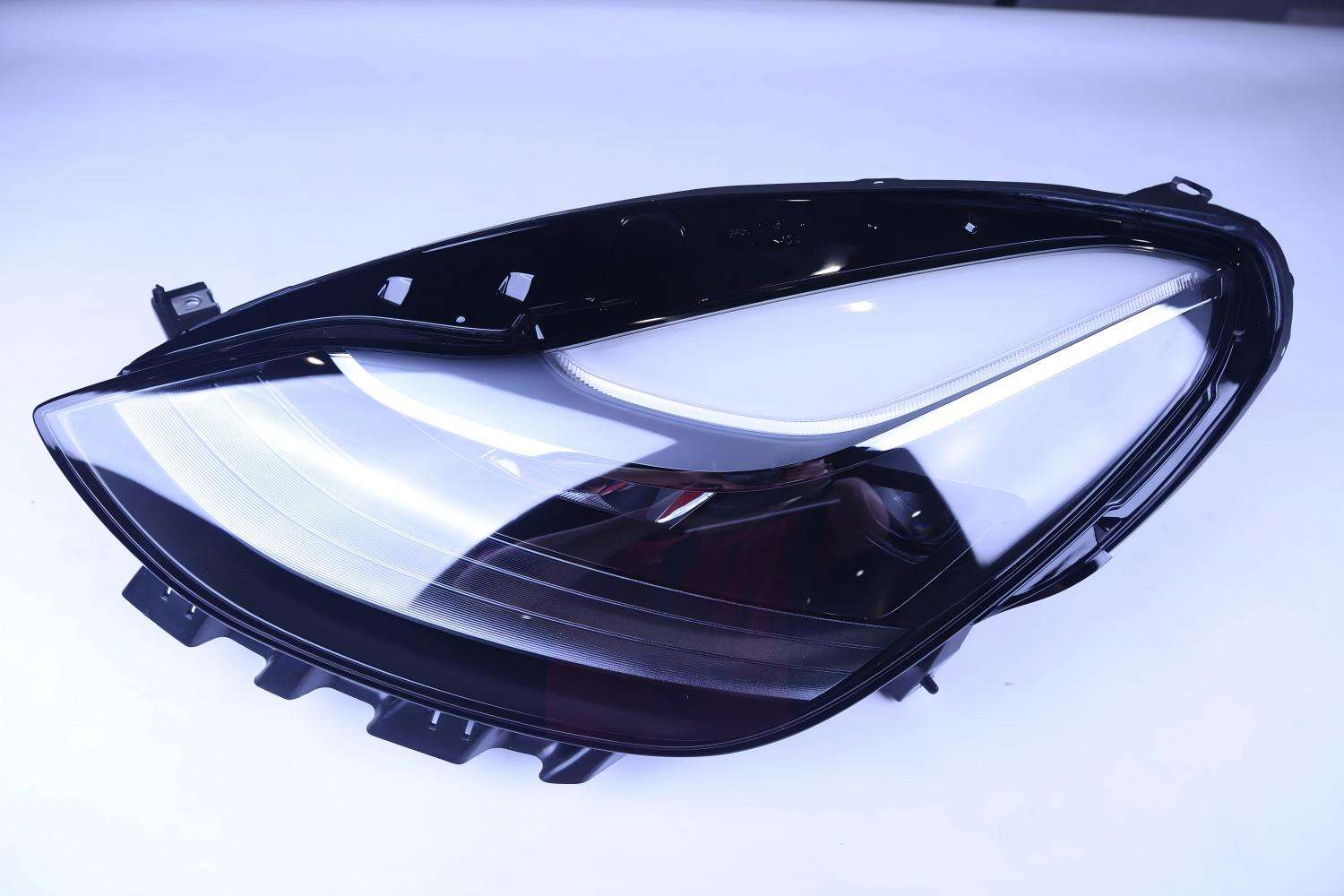
Beyond immediate safety and convenience benefits, the vehicle intelligent lighting system delivers substantial long-term economic value through exceptional durability, energy efficiency, and reduced maintenance requirements that become increasingly apparent over years of ownership. Traditional halogen headlight bulbs typically last between 500 and 1000 hours of operation, requiring replacement multiple times throughout a vehicle's lifespan and incurring both parts costs and labor charges for installation. The LED components used in the vehicle intelligent lighting system operate reliably for 25,000 to 50,000 hours or more, often exceeding the vehicle's entire service life without requiring any replacement. This longevity eliminates recurring bulb replacement expenses and the inconvenience of scheduling service appointments or performing DIY replacements. The solid-state nature of LED technology also provides superior resistance to vibration and shock compared to filament-based bulbs, reducing failures caused by rough roads or minor impacts. Energy efficiency represents another dimension of long-term value, as the vehicle intelligent lighting system typically consumes 60 to 70 percent less electrical power than equivalent halogen lighting while producing equal or superior illumination. This reduced power demand translates directly into fuel savings for conventional vehicles, since the alternator requires less engine power to maintain electrical system charge. For hybrid and electric vehicles, the efficiency gains become even more significant, as reduced lighting load directly extends driving range per charge. Over years of ownership, these incremental energy savings accumulate into meaningful cost reductions. The vehicle intelligent lighting system also protects other electrical components from stress by drawing consistent, stable current rather than the surge loads associated with traditional bulb failures. This electrical stability can extend the lifespan of batteries, alternators, and voltage regulators, preventing premature failures of these expensive components. The precision optics and sealed housing designs used in modern vehicle intelligent lighting systems resist degradation from UV exposure, temperature cycling, and environmental contamination far better than conventional assemblies, maintaining consistent light output and beam patterns throughout their service life. Many systems include self-diagnostic capabilities that monitor component health and alert you to potential issues before they cause complete failure, allowing proactive maintenance that prevents being stranded with non-functional lights. Insurance companies increasingly recognize the safety benefits of advanced lighting technologies, with some offering premium discounts for vehicles equipped with comprehensive vehicle intelligent lighting systems. Resale value also benefits, as these advanced safety features have become highly desirable among used car buyers who recognize their practical advantages. When you calculate the total cost of ownership including reduced maintenance, lower energy consumption, prevented repairs to related electrical components, potential insurance savings, and enhanced resale value, the vehicle intelligent lighting system proves to be a sound financial investment that continues delivering returns throughout your entire ownership experience.






 EN
EN