EN
EN



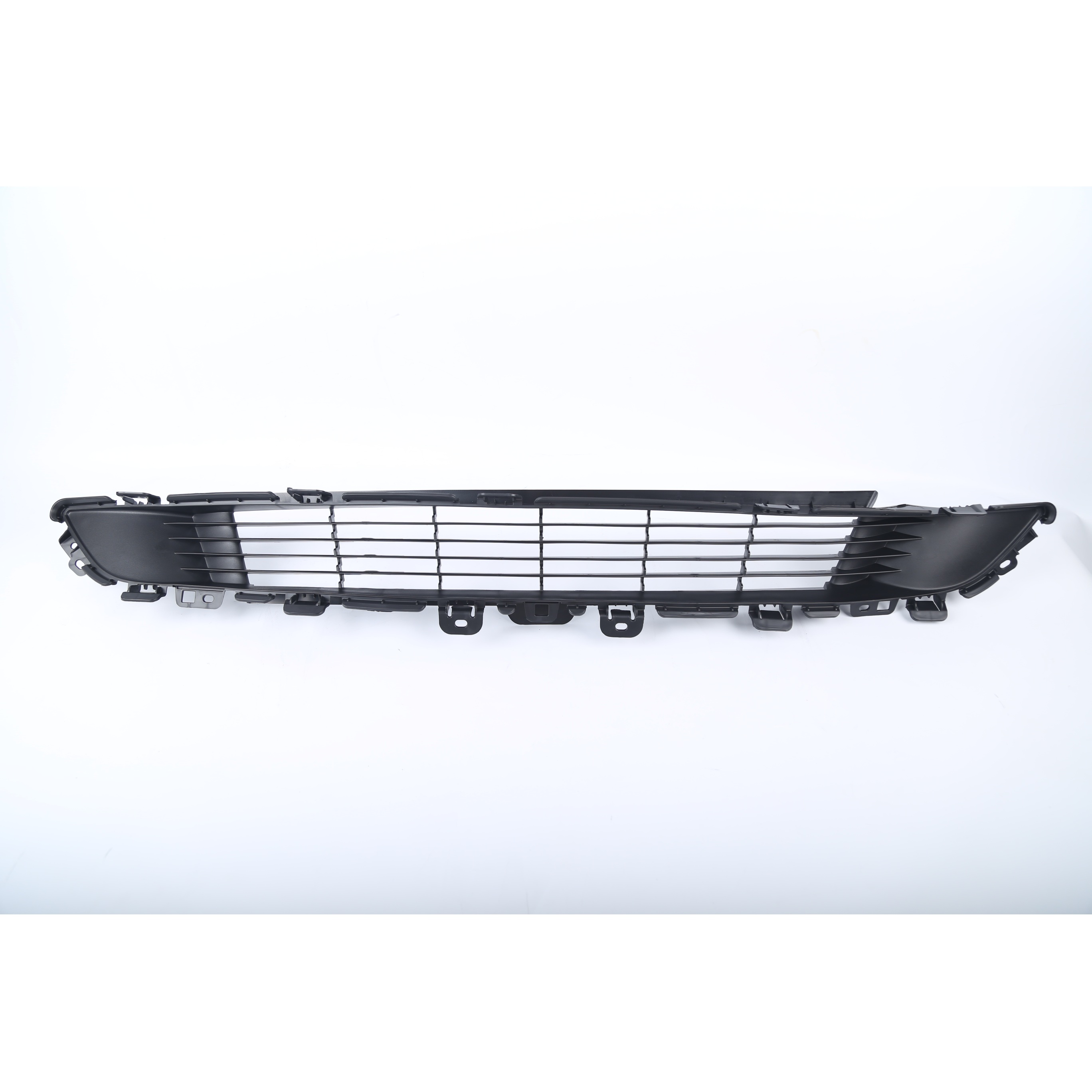
The automotive body panel system represents one of the most critical structural and aesthetic components in modern vehicles, directly influencing how technicians approach collision repair, routine maintenance, and long-term vehicle serviceability. When a vehicle sustains damage or requires component replacement, the design, materials, and integration methods of the automotive body panel system determine whether the repair process will be straightforward or extraordinarily complex. Vehicle owners, fleet managers, and repair professionals must understand how panel system architecture affects diagnostic procedures, parts accessibility, labor intensity, and overall maintenance costs throughout a vehicle's operational lifespan.
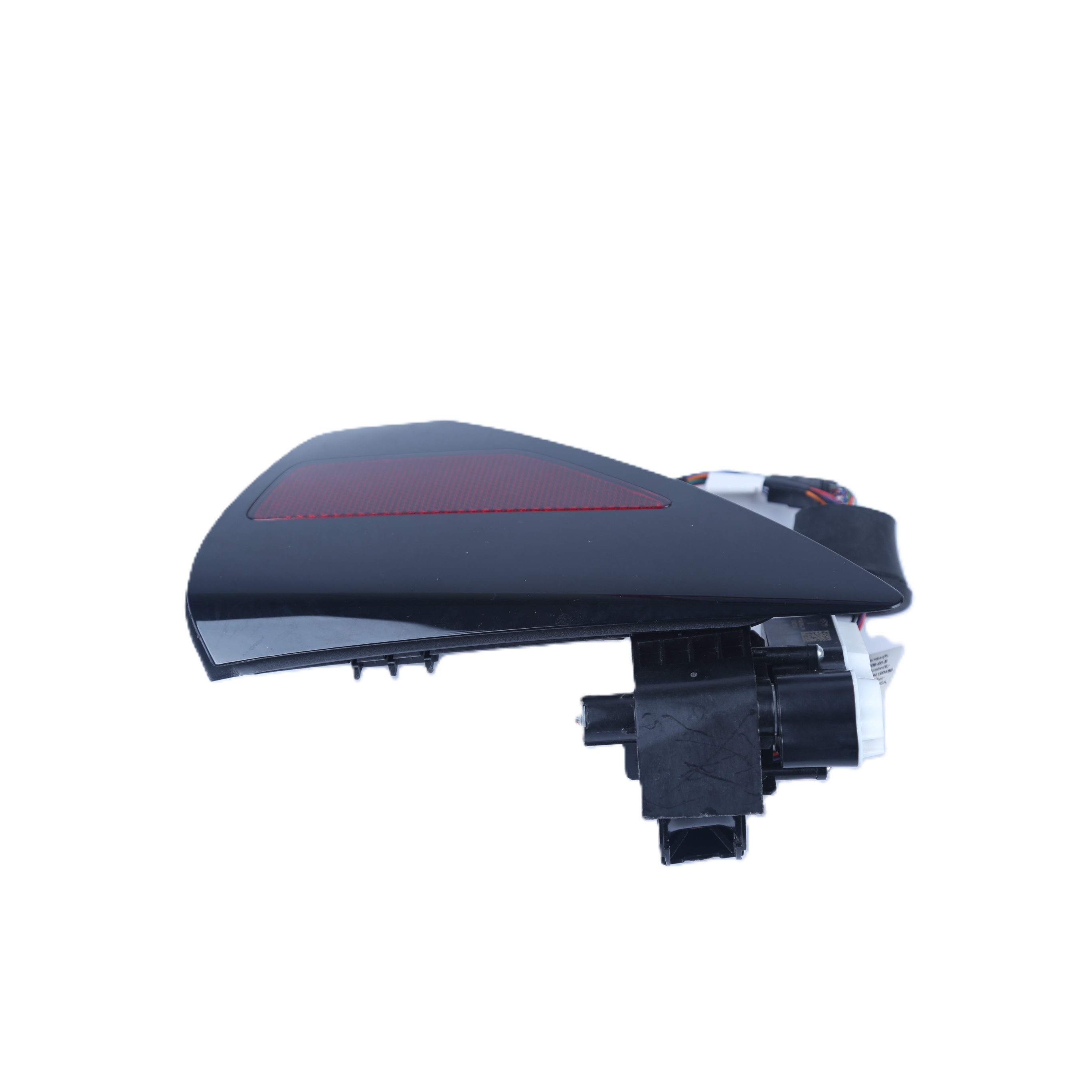
Modern vehicle engineering has evolved toward increasingly integrated body panel designs that optimize aerodynamics, safety performance, and manufacturing efficiency, yet these advancements introduce new challenges for repair environments. The complexity level embedded within an automotive body panel system affects everything from initial damage assessment accuracy to the specialized equipment required for proper restoration. Understanding this relationship between panel system design and maintenance complexity enables informed decisions about vehicle selection, repair strategy development, and cost forecasting across commercial and personal vehicle operations.
Material Composition and Repair Process Complexity
Advanced Material Integration in Modern Panel Systems
Contemporary automotive body panel systems incorporate diverse material combinations including high-strength steel, aluminum alloys, carbon fiber composites, and advanced plastics, each requiring distinct repair methodologies and specialized technician training. When manufacturers design an automotive body panel system using multiple material types within a single vehicle structure, repair shops must maintain expanded inventories of welding equipment, adhesive systems, and surface preparation tools to address different material properties correctly. The presence of aluminum panels alongside traditional steel components, for instance, necessitates separate work areas to prevent galvanic corrosion and requires aluminum-specific welding equipment that many smaller repair facilities lack.
The thermal properties and structural behavior of advanced materials within the automotive body panel system directly impact repair technique selection and execution time. Aluminum panels demand lower heat input during welding compared to steel, requiring technicians to adjust their approach and potentially extending repair duration for facilities unfamiliar with multi-material restoration. Carbon fiber components, increasingly common in performance and luxury vehicles, often require complete panel replacement rather than repair due to the difficulty of restoring structural integrity after damage, significantly increasing parts costs and eliminating traditional metalworking repair options that reduce expenses.
Material-Specific Tooling and Equipment Requirements
Repair facilities addressing modern automotive body panel system configurations must invest in material-specific tools including dedicated rivet guns for aluminum joining, specialized adhesive application systems for bonded panels, and substrate-appropriate measuring equipment for dimensional verification. The capital expenditure required to service vehicles with advanced panel materials creates a barrier for independent shops, often channeling complex repairs toward manufacturer-certified facilities with appropriate equipment investments. This equipment specialization directly increases the hourly labor rates charged for repairs involving sophisticated automotive body panel system designs, as facilities must recoup their technology investments through service pricing.
The inspection requirements for different materials within an automotive body panel system add diagnostic complexity before repair work even begins. Aluminum and composite panels may hide internal damage not visible through conventional assessment methods, requiring ultrasonic testing or thermal imaging equipment to detect delamination, internal fractures, or bond failures. These advanced diagnostic requirements extend the initial assessment phase and introduce additional costs that simpler steel panel systems would not generate, affecting insurance claim processing and customer cost expectations throughout the repair cycle.
Panel Integration Methods and Disassembly Challenges
Bonded Panel Systems and Separation Difficulties
Modern automotive body panel system designs increasingly utilize structural adhesives rather than traditional mechanical fasteners, creating permanent bonds that significantly complicate panel removal during repair or maintenance procedures. When manufacturers bond exterior panels to the underlying structure using high-strength adhesives, technicians must employ specialized cutting tools and heating equipment to separate components without damaging adjacent panels or structural members. This bonded approach, while improving vehicle rigidity and reducing noise transmission during operation, transforms what would be simple bolt-removal procedures into time-intensive separation processes requiring careful technique and substantial labor hours.
The adhesive bonding prevalent in contemporary automotive body panel system construction necessitates surface preparation protocols that extend repair timelines and introduce additional material costs for proper reassembly. After removing a bonded panel, technicians must completely clean bonding surfaces, apply primer systems, and use manufacturer-specified adhesives with precise mixing ratios and curing requirements. These adhesive systems often require controlled temperature environments and extended curing periods before the vehicle can return to service, adding days to repair completion timelines compared to mechanically fastened panel systems that allow immediate reassembly after component replacement.
Integrated Component Complexity and Cascading Repairs
The automotive body panel system in modern vehicles frequently integrates sensors, cameras, antennas, and lighting elements directly into body panels, transforming simple panel replacement into complex electrical and calibration procedures. When a front bumper panel contains parking sensors, radar units, and camera systems, panel replacement requires disconnecting multiple electrical connectors, transferring components to the replacement panel, and performing system calibration procedures using manufacturer-specific diagnostic equipment. This integration means that what appears as straightforward panel damage actually involves electrical system diagnosis, component functionality testing, and post-repair calibration that multiplies labor requirements and introduces potential points of failure during the restoration process.
The interconnected nature of components within an automotive body panel system creates cascading repair requirements where single-panel damage necessitates addressing multiple adjacent systems for proper restoration. Damage to a quarter panel may require removing door assemblies, weatherstripping, interior trim panels, and electrical harnesses to access mounting points and structural attachment areas. This cascading disassembly requirement exponentially increases labor hours and introduces risks of damaging additional components during the repair process, particularly with aging vehicles where fasteners and clips become brittle and prone to breakage during removal attempts.
Design Architecture and Accessibility Constraints
Structural Integration and Hidden Fastener Locations
Vehicle manufacturers increasingly design automotive body panel systems with concealed fasteners and mounting points that improve aesthetic appearance but severely complicate disassembly procedures for maintenance and repair personnel. When fasteners hide beneath interior trim panels, within door jambs, or behind adjacent body components, technicians must reference detailed service procedures to locate all attachment points before attempting panel removal. This hidden fastener approach, while eliminating visible bolts that detract from design aesthetics, extends diagnostic time and increases the likelihood of damaging surrounding components during exploratory disassembly when service information proves incomplete or unavailable.
The space constraints within modern automotive body panel system designs limit tool access and technician working angles, transforming routine fastener removal into challenging manual dexterity exercises. Manufacturers optimize panel fitment and minimize gaps for aerodynamic and aesthetic purposes, leaving minimal clearance for wrench access or socket tool engagement. These tight-tolerance designs force technicians to use specialized offset tools, flexible extensions, or even remove additional components simply to access a single fastener, multiplying labor hours for procedures that older vehicle designs accomplished quickly with standard tool sets and straightforward access paths.
Modular Design Versus Traditional Construction Methods
Some automotive body panel system architectures employ modular construction where large assemblies replace as complete units rather than individual panels, affecting repair cost structures and parts availability considerations. A modular front-end assembly might integrate the bumper cover, support structure, radiator mounting, and crash absorption components into a single replaceable unit, simplifying alignment procedures but dramatically increasing parts costs when only one component within the module sustains damage. This modular approach reduces assembly line manufacturing time but transfers complexity to the repair environment, where technicians must decide whether to replace entire expensive modules or attempt to separate and repair individual components within the integrated assembly.
The serviceability philosophy embedded within an automotive body panel system design determines whether routine maintenance procedures remain accessible to general repair facilities or require specialized dealer equipment and training. Vehicles designed with maintenance accessibility as a priority feature easily removable panels with standardized fasteners and clear access to wear components, while designs prioritizing manufacturing efficiency or aesthetic integration often sacrifice serviceability for production line advantages. This design philosophy directly impacts total ownership costs, as vehicles with poor panel system accessibility generate higher labor charges for routine procedures like lamp replacement, fluid service access, or mechanical component repairs that require panel removal for clearance.
Technology Integration and Calibration Requirements
Advanced Driver Assistance System Dependencies
Modern automotive body panel systems house critical sensors and cameras for advanced driver assistance systems, creating calibration requirements that significantly extend repair timelines and necessitate specialized equipment investments. When body panels containing radar sensors, cameras, or ultrasonic detectors require replacement or repair, the restored vehicle demands precise calibration procedures to ensure sensor alignment matches manufacturer specifications for proper system functionality. These calibration requirements transform straightforward panel replacement into complex procedures requiring dedicated calibration tools, manufacturer software access, and specific facility configurations including precise target placement and controlled lighting conditions.
The sensitivity of sensors integrated within the automotive body panel system means that even minor misalignment during panel installation can compromise safety system performance and generate persistent fault codes. A front bumper panel positioned millimeters outside specification tolerances may cause adaptive cruise control malfunctions or automatic emergency braking system failures, requiring iterative adjustment and recalibration until sensor positioning achieves factory parameters. This precision requirement eliminates the traditional practice of minor fitment compromises during body repair, as functional system performance now depends on dimensional accuracy that goes beyond aesthetic appearance considerations.
Electrical Architecture Complexity and Diagnostic Demands
The electrical integration within contemporary automotive body panel systems requires technicians to possess diagnostic capabilities extending far beyond traditional body repair expertise. When panels incorporate heated elements, ambient lighting, proximity sensors, or communication antennas, electrical system diagnosis becomes prerequisite to determining whether panel replacement will resolve reported issues or if underlying wiring harness damage exists. This diagnostic complexity increases the skill requirements for body repair technicians and often necessitates collaboration with electrical specialists, fragmenting the repair process across multiple technicians and extending vehicle downtime.
Software configuration tied to automotive body panel system components introduces another complexity layer where physical panel replacement requires corresponding software programming to recognize new component serial numbers or update system parameters. Some vehicle architectures require dealer-level access to proprietary software systems for component registration, preventing independent repair facilities from completing repairs without manufacturer involvement. This software dependency creates bottlenecks in repair workflows and introduces delays when dealer scheduling constraints prevent immediate software configuration, leaving physically repaired vehicles inoperable while awaiting electronic system initialization.
Economic Impact on Repair Operations and Vehicle Ownership
Labor Cost Multiplication Through System Complexity
The increased complexity inherent in modern automotive body panel systems directly multiplies labor hours required for collision repair and routine maintenance, substantially increasing total repair costs for vehicle owners and insurance carriers. Procedures that required two hours on vehicles with simpler panel systems now demand six to eight hours when addressing bonded panels, integrated sensors, and calibration requirements, tripling or quadrupling labor charges before considering increased parts costs. This labor multiplication affects insurance premium calculations, total loss threshold determinations, and vehicle depreciation patterns as higher repair costs make older vehicles with sophisticated panel systems economically impractical to restore after moderate damage incidents.
Fleet operators managing vehicles with complex automotive body panel systems face elevated maintenance budgets and extended vehicle downtime that impacts operational efficiency and service delivery capabilities. When a commercial vehicle requires panel repair involving sensor recalibration and multi-day adhesive curing periods, the extended shop time reduces fleet availability and may necessitate rental vehicle expenses or service route modifications. These operational impacts create hidden costs beyond the direct repair invoice, making vehicle selection decisions critically important for organizations where vehicle availability directly affects revenue generation and customer service commitments.
Parts Availability and Supply Chain Considerations
The specialized components within modern automotive body panel systems create supply chain dependencies that extend repair timelines when parts availability lags behind demand or when manufacturers discontinue components for older vehicle models. Integrated panel assemblies with embedded sensors or unique material compositions often lack aftermarket alternatives, forcing repair facilities to source original equipment parts through manufacturer networks with potentially extended lead times. This parts availability constraint introduces unpredictability into repair scheduling and completion estimates, frustrating vehicle owners and complicating insurance claim management when repair timelines extend beyond initial projections.
The economic pressure to reduce parts inventory investments leads some repair facilities to avoid accepting work on vehicles with particularly complex automotive body panel system designs, effectively reducing repair option availability for owners of vehicles with advanced panel technologies. Shops lacking the specialized equipment, training, or parts supplier relationships necessary to service sophisticated panel systems refer customers to competitor facilities or manufacturer dealerships, concentrating repair work among fewer service providers and potentially increasing costs through reduced competition. This market consolidation particularly affects rural areas where access to specialized repair capabilities may require substantial travel distances, adding inconvenience and indirect costs to the repair experience.
FAQ
Why does panel material choice affect repair costs more than panel design complexity?
Material selection within the automotive body panel system determines the fundamental repair approach, required equipment, and technician expertise level more directly than design complexity alone. Aluminum and carbon fiber panels demand entirely different repair methodologies, specialized tools, and facility configurations compared to traditional steel, creating equipment investment requirements that facilities must recoup through higher labor rates. While design complexity adds time to disassembly and reassembly procedures, material incompatibility can make certain repair techniques completely impossible, forcing expensive component replacement rather than economical repair approaches that reduce overall costs.
How does automotive body panel system integration affect routine maintenance access?
Integrated automotive body panel system designs often position aesthetic exterior panels over mechanical components requiring periodic service, forcing panel removal for accessing filters, fluids, or wear items during routine maintenance intervals. This design approach transforms quick-service procedures into labor-intensive operations requiring specialized knowledge of panel removal sequences, fastener locations, and reassembly torque specifications. The resulting labor hour increases for routine maintenance elevate total ownership costs and may discourage owners from completing recommended service intervals when faced with unexpectedly high costs for seemingly straightforward maintenance procedures.
Can aftermarket panels maintain the same repair complexity as original equipment?
Aftermarket replacement panels for automotive body panel systems vary significantly in their integration complexity and compatibility with vehicle systems depending on manufacturer quality standards and engineering investment. Premium aftermarket suppliers produce panels with sensor mounting provisions, wiring harness compatibility, and calibration target positioning that matches original equipment specifications, maintaining similar installation complexity while potentially reducing parts costs. However, economy-grade aftermarket panels may lack provisions for integrated components, require modification for proper fitment, or use materials that complicate repair procedures, potentially increasing installation complexity beyond original equipment despite lower initial purchase prices.
What role does panel system design play in total loss insurance determinations?
The repair complexity embedded within an automotive body panel system directly influences total loss calculations by increasing estimated repair costs through extended labor requirements, specialized equipment needs, and expensive integrated component replacement. Insurance carriers evaluate whether repair costs exceed a percentage of pre-accident vehicle value when determining total loss status, and vehicles with sophisticated panel systems reach this threshold at lower damage severity levels due to elevated restoration costs. This relationship means that newer vehicles with advanced panel technologies may receive total loss determinations for damage that would be economically repairable on older vehicles with simpler panel construction, affecting resale values and insurance premium structures across vehicle segments.
Table of Contents
- Material Composition and Repair Process Complexity
- Panel Integration Methods and Disassembly Challenges
- Design Architecture and Accessibility Constraints
- Technology Integration and Calibration Requirements
- Economic Impact on Repair Operations and Vehicle Ownership
-
FAQ
- Why does panel material choice affect repair costs more than panel design complexity?
- How does automotive body panel system integration affect routine maintenance access?
- Can aftermarket panels maintain the same repair complexity as original equipment?
- What role does panel system design play in total loss insurance determinations?