EN
EN



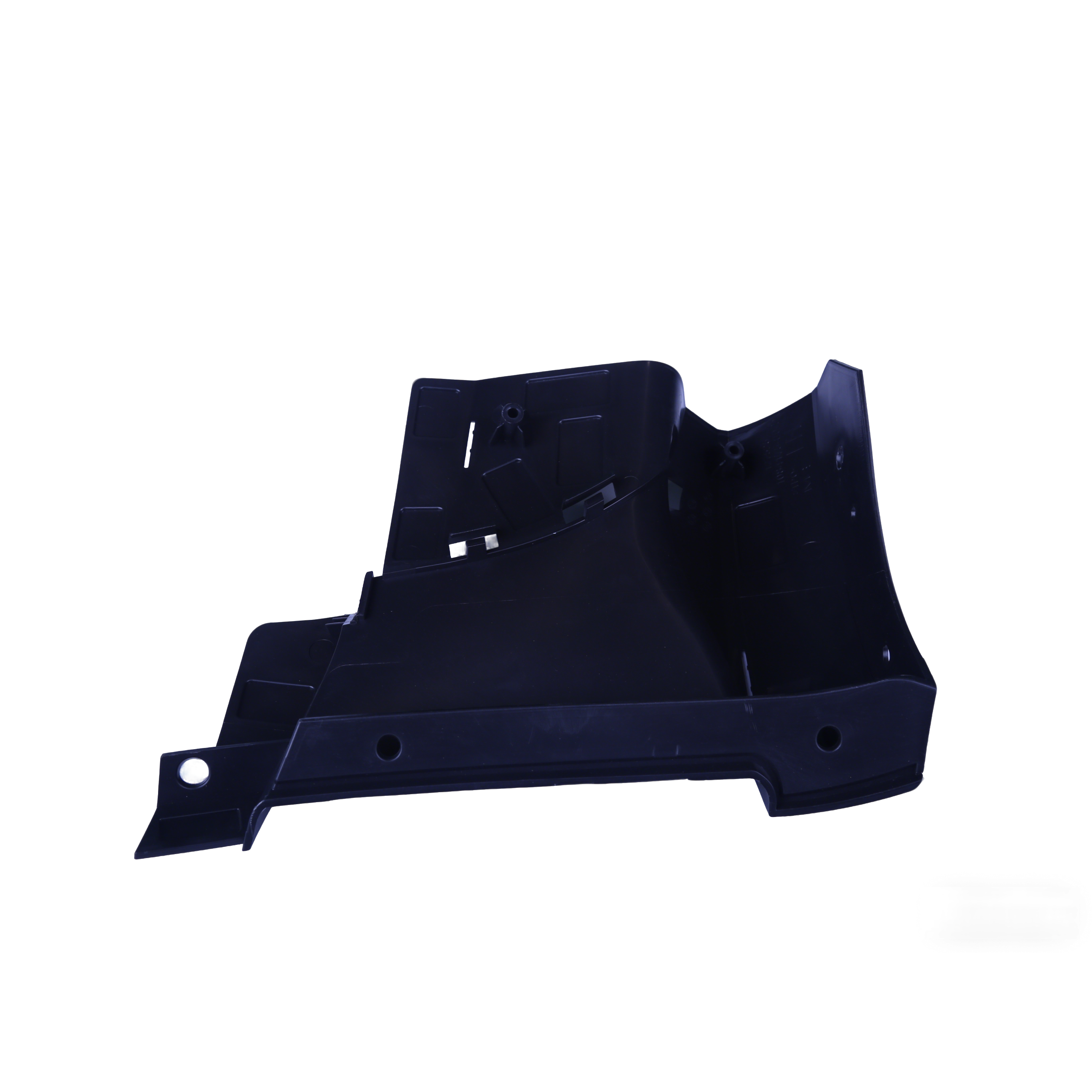
Corrosion resistance stands as one of the most consequential performance attributes in modern automotive body panel system design and selection. When engineers specify components for vehicle exterior structures, they must account for environmental degradation that threatens structural integrity, aesthetic quality, and long-term operational safety. The automotive body panel system comprises interconnected elements including bumpers, fenders, doors, hoods, and structural reinforcements that collectively define vehicle appearance while providing crucial protective functions. Unlike interior components shielded from weather exposure, body panels face constant assault from moisture, road salts, industrial pollutants, ultraviolet radiation, and temperature extremes that accelerate material breakdown through electrochemical processes. Understanding why corrosion resistance matters in these applications requires examining the multifaceted consequences of material degradation on vehicle performance, owner satisfaction, manufacturer liability, and total cost of ownership across the automotive value chain.
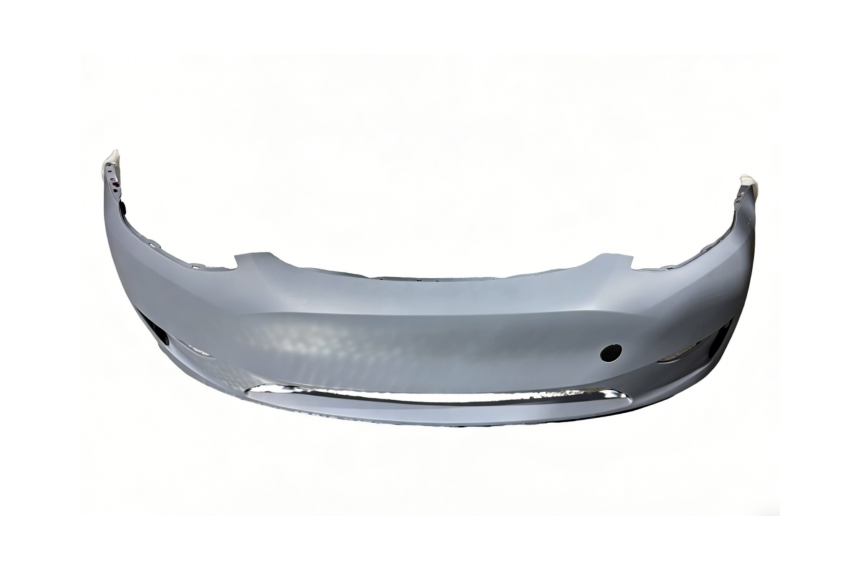
The critical nature of corrosion protection in automotive body panel system applications extends far beyond simple cosmetic concerns. Vehicle manufacturers face stringent warranty obligations, regulatory safety standards, and brand reputation considerations that make corrosion prevention a strategic imperative rather than an optional enhancement. Industry data reveals that corrosion-related failures account for substantial warranty claims, with body panel deterioration representing a significant percentage of customer complaints in vehicles older than five years. The automotive sector has responded by developing sophisticated material treatments, protective coatings, and design strategies specifically engineered to combat corrosion in body panel applications. These investments reflect recognition that inadequate corrosion resistance creates cascading problems affecting structural performance, crash safety effectiveness, resale value retention, and customer loyalty. For repair shops, fleet operators, and aftermarket suppliers, selecting components with proven corrosion resistance becomes equally important when maintaining vehicle longevity and operational reliability in demanding service environments.
The Environmental Assault on Automotive Body Panel Systems
Moisture and Humidity Exposure Dynamics
Automotive body panel system components operate in perpetually hostile moisture environments that accelerate electrochemical corrosion mechanisms. Vehicles encounter direct water exposure through precipitation, car washes, and humidity cycles that create persistent wetness on panel surfaces and within concealed structural cavities. Unlike controlled industrial environments, automotive applications subject body panels to repeated wet-dry cycling that proves particularly damaging to protective coatings and substrate materials. Water accumulation in seams, joints, and mounting points creates localized corrosion cells where dissimilar materials contact each other, establishing galvanic potential differences that drive accelerated metal deterioration. The problem intensifies in climates with high humidity levels, coastal regions with salt-laden air, and areas experiencing frequent temperature fluctuations that promote condensation formation on cold metal surfaces.
The automotive body panel system must withstand moisture intrusion through multiple pathways including drainage channels, ventilation openings, and seal interfaces that inevitably allow water penetration despite design precautions. Engineers recognize that eliminating moisture exposure remains impossible in real-world vehicle operation, making material selection and protective treatments the primary defense mechanisms. Research demonstrates that corrosion rates increase exponentially when relative humidity exceeds critical thresholds, with ferrous metals showing particular vulnerability to rust formation under these conditions. Modern body panel designs incorporate drainage provisions and ventilation strategies to minimize standing water accumulation, yet these measures cannot completely eliminate the corrosive potential inherent in automotive moisture exposure patterns. The consequence demands that every component in the automotive body panel system possess sufficient corrosion resistance to maintain functionality throughout the vehicle's intended service life.
Chemical Aggression from Road Contaminants
Road salt application during winter months introduces highly corrosive chloride compounds that dramatically accelerate body panel deterioration in cold-climate regions. Transportation authorities distribute millions of tons of sodium chloride, calcium chloride, and magnesium chloride annually to maintain roadway safety, creating an aggressive chemical environment that attacks automotive body panel system components with particular intensity. These hygroscopic salts retain moisture on metal surfaces, sustaining electrochemical corrosion reactions even during periods without active precipitation. Salt spray reaches undercarriage components, wheel wells, rocker panels, and lower body sections with concentrated force during vehicle operation, embedding chloride ions into protective coatings and substrate materials where they initiate localized pitting and crevice corrosion.
Beyond winter deicing agents, automotive body panel system elements encounter industrial pollutants, acid rain constituents, fuel residues, and cleaning chemicals that contribute additional corrosive stress. Urban environments expose vehicles to sulfur dioxide, nitrogen oxides, and particulate matter that form acidic solutions when combined with moisture, attacking painted surfaces and bare metal substrates. Coastal operations subject body panels to continuous salt fog exposure that penetrates even minor coating defects to establish active corrosion sites beneath apparently intact finishes. Agricultural regions contribute fertilizer dust and organic acids that create unique corrosion challenges for vehicles operating in farming applications. This diverse chemical exposure spectrum requires that the automotive body panel system incorporate comprehensive corrosion protection capable of withstanding multiple simultaneous degradation mechanisms throughout extended service intervals.
Thermal Cycling and Mechanical Stress Factors
Temperature variations impose thermal expansion and contraction stresses on automotive body panel system components that compromise protective coatings and create pathways for corrosive attack. Vehicles parked outdoors experience daily temperature swings exceeding fifty degrees Celsius in many climates, causing differential expansion between dissimilar materials and generating microscopic cracks in paint films and conversion coatings. These thermal cycles prove particularly damaging at joints and fastener locations where mechanical constraints prevent free thermal movement, concentrating stress at critical interfaces. Dark-colored body panels absorb significant solar radiation, reaching surface temperatures well above ambient conditions and accelerating coating degradation through photochemical reactions and thermal aging mechanisms.
Mechanical impacts from stone chips, parking incidents, and normal handling create coating breaches that expose underlying substrate materials to corrosive environments. The automotive body panel system experiences continuous vibration during vehicle operation, flexing at attachment points and body seams where relative motion can abrade protective finishes and create fretting corrosion conditions. These mechanical stresses combine synergistically with environmental exposure to accelerate corrosion initiation and propagation rates beyond what either factor would produce independently. Impact damage proves especially problematic because it creates localized coating failures that establish anodic sites where accelerated metal dissolution occurs, even when surrounding areas remain apparently protected. Understanding these combined environmental and mechanical assault mechanisms explains why corrosion resistance represents a fundamental requirement rather than a secondary consideration in automotive body panel system specification and maintenance protocols.
Structural and Safety Consequences of Corrosion Degradation
Load-Bearing Capacity Reduction
Corrosion progressively diminishes the structural integrity of automotive body panel system components through material loss that reduces cross-sectional area and load-bearing capacity. Body panels serve critical functions beyond aesthetic coverage, contributing to overall vehicle rigidity, crash energy management, and occupant protection during collision events. When corrosion attacks structural members within the automotive body panel system, it creates localized weakening that compromises designed load paths and reduces crash performance effectiveness. Engineering analyses demonstrate that even modest material loss from corrosion can substantially degrade structural performance, particularly at stress concentration points where design factors of safety are necessarily limited by mass and cost constraints.
The problem intensifies in unibody vehicle architectures where body panels integrate directly into the primary structure rather than mounting to separate frame members. Modern automotive body panel system designs rely on precisely engineered material thicknesses and geometric configurations to achieve targeted stiffness and strength characteristics while minimizing vehicle mass. Corrosion-induced material loss disrupts these carefully calculated relationships, potentially degrading structural performance below acceptable safety thresholds. Regulatory crash testing requirements assume that body panels maintain design specifications throughout the vehicle service life, making corrosion prevention essential for sustained compliance with safety standards. Fleet operators and commercial users face particular liability exposure when operating vehicles with corroded structural components, as degraded crash performance could contribute to injury severity in collision events.
Crash Safety Performance Degradation
The automotive body panel system plays a fundamental role in modern vehicle crash safety strategy through controlled energy absorption and occupant compartment protection. Front and rear bumper assemblies, fender structures, and reinforcement panels are engineered to deform in specific sequences during impact events, managing collision energy to minimize forces transmitted to passenger spaces. Corrosion compromises these carefully designed deformation characteristics by creating material property variations, thickness reductions, and premature failure points that disrupt intended crash behavior. Laboratory testing reveals that corroded automotive body panel system components exhibit altered failure modes compared to pristine parts, potentially reducing crash energy absorption effectiveness and compromising occupant protection capabilities.
Regulatory agencies increasingly scrutinize vehicle structural durability, recognizing that corrosion-degraded body panels may not provide adequate protection in real-world crashes occurring years after initial manufacture. The automotive body panel system must maintain design performance characteristics throughout warranty periods and beyond to ensure continued occupant safety. Hidden corrosion in structural cavities proves particularly problematic because external visual inspection cannot detect internal material degradation that may substantially compromise crash performance. This reality drives manufacturer investment in advanced corrosion protection systems including multi-layer coatings, galvanized substrates, and corrosion-inhibiting treatments applied during body panel fabrication. For collision repair applications, using replacement panels with equivalent corrosion resistance becomes essential to restore original crash safety capabilities rather than simply achieving acceptable cosmetic appearance.
Attachment Point Integrity and Joint Reliability
Fastener locations, weld joints, and adhesive bonds within the automotive body panel system represent critical corrosion vulnerability points where multiple materials contact under mechanical stress. Galvanic corrosion accelerates at dissimilar metal junctions, particularly when steel fasteners join aluminum body panels or when various protective coating systems interface at assembly points. These localized corrosion mechanisms can compromise joint strength, creating potential separation failures during vehicle operation or crash events. Crevice corrosion develops in narrow gaps between joined components where stagnant solutions concentrate corrosive species, attacking base materials even when adjacent exposed surfaces remain protected.
The automotive body panel system relies on consistent joint performance to maintain structural continuity and load transfer capabilities essential for vehicle safety and durability. Corrosion at attachment points creates several failure modes including fastener thread degradation, hole elongation through material loss, stress corrosion cracking in highly loaded regions, and adhesive bond breakdown due to interfacial corrosion. Modern vehicle designs increasingly employ structural adhesives alongside mechanical fasteners to enhance joint stiffness and distribute loads more uniformly, but these adhesive bonds prove vulnerable to degradation when corrosion undermines substrate surface preparation or creates disbonding at adhesive-metal interfaces. Understanding these joint-specific corrosion mechanisms emphasizes why comprehensive corrosion protection must extend throughout the entire automotive body panel system rather than focusing solely on visible exterior surfaces.
Economic Impact and Total Cost of Ownership Implications
Warranty Claim Expense and Manufacturer Liability
Corrosion-related warranty claims represent substantial financial exposure for automotive manufacturers, with body panel perforation and cosmetic deterioration generating significant service costs and customer dissatisfaction. Industry warranty data indicates that corrosion issues contribute disproportionately to total claim expenses due to extensive labor requirements, multiple component involvement, and frequent customer goodwill considerations that extend coverage beyond strict warranty terms. The automotive body panel system typically carries extended corrosion perforation warranties ranging from five to twelve years, reflecting manufacturer confidence in protective systems while creating long-term liability for inadequate corrosion resistance. When body panels fail prematurely due to corrosion, replacement costs include not only parts and labor but also paint finishing, adjacent component removal, and potential structural repairs that multiply total claim expenses.
Manufacturers invest heavily in corrosion prevention technologies precisely because warranty cost avoidance justifies substantial upfront material and processing expenses. Advanced protective coatings, cathodic protection systems, and premium corrosion-resistant materials add manufacturing cost, but these investments deliver positive financial returns through reduced warranty exposure and enhanced brand reputation. The automotive body panel system represents a particularly visible warranty concern because external corrosion directly impacts customer perception and satisfaction, generating negative publicity that extends beyond individual claim costs. Social media amplification of corrosion complaints can damage brand reputation disproportionate to actual failure rates, making corrosion prevention a strategic marketing consideration alongside its technical necessity. For aftermarket suppliers, providing replacement body panels with corrosion resistance equivalent to original equipment becomes essential for competitive positioning and liability management.
Resale Value Retention and Ownership Economics
Vehicle resale value depends significantly on body panel condition, with visible corrosion substantially depressing market prices and limiting buyer interest. Used car purchasers scrutinize automotive body panel system condition as a primary indicator of overall vehicle care and remaining service life potential. Even minor surface rust reduces perceived value and negotiating leverage, while perforation corrosion or structural deterioration can render vehicles essentially unmarketable except for salvage purposes. Market analysis demonstrates that vehicles showing body panel corrosion sell for substantially less than comparable units with clean body condition, creating direct economic consequences for owners who neglect corrosion prevention or purchase vehicles with inadequate initial protection.
Fleet operators particularly recognize that automotive body panel system corrosion resistance directly impacts total cost of ownership through residual value effects and lifecycle expense calculations. Commercial fleets typically operate vehicles through predetermined service intervals before remarketing, making resale proceeds a critical component of overall ownership economics. Body panel corrosion accelerates in commercial applications due to increased mileage, harsh operating conditions, and sometimes deferred maintenance that allows minor corrosion issues to progress into major degradation. Forward-thinking fleet managers specify vehicles with enhanced corrosion protection and implement preventive maintenance protocols specifically targeting body panel preservation to maximize asset value retention. The economic calculus clearly demonstrates that investing in corrosion-resistant automotive body panel system components delivers measurable financial returns through extended service life and enhanced residual values.
Repair and Maintenance Cost Escalation
Addressing corrosion damage in automotive body panel system components generates substantially higher repair costs compared to preventing corrosion through proper initial protection and maintenance. Once corrosion initiates, it typically progresses through accelerating stages that require increasingly extensive intervention to arrest and repair. Minor surface rust can sometimes be addressed through localized treatment and refinishing, but perforation corrosion or structural degradation demands complete panel replacement with associated labor for removal, installation, and paint finishing. These repair procedures prove particularly expensive because they require skilled technicians, specialized equipment, and time-consuming processes that generate high service bills even for seemingly modest corrosion damage.
The automotive body panel system presents unique repair challenges because corrosion often extends beyond visible surface damage into concealed areas, requiring exploratory disassembly to determine full extent of degradation. Paint color matching adds complexity and cost to body panel repairs, particularly for metallic and pearl finishes that require precise application techniques to achieve acceptable appearance. Insurance coverage for corrosion damage remains limited, with most policies excluding gradual deterioration from covered perils, leaving vehicle owners responsible for full repair expenses. This cost reality emphasizes the economic importance of selecting automotive body panel system components with proven corrosion resistance and implementing preventive maintenance strategies that identify and address incipient corrosion before it progresses to expensive failure modes requiring major structural repairs.
Material Selection and Protective Technology Strategies
Substrate Material Corrosion Resistance Characteristics
The fundamental corrosion resistance of automotive body panel system components begins with base material selection, as different metals and alloys exhibit vastly different susceptibility to environmental degradation. Traditional mild steel substrates require comprehensive protective coating systems because the material itself offers minimal intrinsic corrosion resistance in automotive service environments. Galvanized steel incorporates zinc coating layers that provide both barrier protection and sacrificial cathodic protection, substantially enhancing corrosion resistance compared to uncoated steel substrates. The zinc layer corrodes preferentially to underlying steel, protecting the base metal even when coating damage exposes substrate material to corrosive environments.
Aluminum alloys increasingly replace steel in automotive body panel system applications due to favorable strength-to-weight ratios and superior intrinsic corrosion resistance derived from protective oxide surface films. While aluminum resists general corrosion effectively, it remains vulnerable to pitting corrosion in chloride environments and galvanic corrosion when coupled with dissimilar metals without proper isolation. Advanced high-strength steels enable thickness reduction for mass savings while maintaining structural performance, but these materials often require enhanced corrosion protection due to altered electrochemical characteristics compared to conventional steel grades. Composite materials including fiber-reinforced polymers offer excellent corrosion immunity but face challenges with cost, repairability, and integration into manufacturing processes optimized for metallic body panels. Material selection decisions for automotive body panel system applications must balance corrosion resistance against structural requirements, manufacturing feasibility, cost constraints, and recyclability considerations that influence overall vehicle design strategy.
Multi-Layer Coating System Architecture
Modern automotive body panel system corrosion protection relies on sophisticated multi-layer coating architectures that provide complementary defense mechanisms against environmental degradation. The coating system typically begins with surface preparation including cleaning, degreasing, and phosphate conversion coating that enhances adhesion while providing initial corrosion resistance. Electrocoat primer application follows, utilizing electrophoretic deposition to achieve uniform coverage including complex geometries and concealed surfaces that liquid spray methods cannot effectively reach. This electrocoat layer provides crucial corrosion protection while establishing a foundation for subsequent coating layers.
Intermediate primer-surfacer coatings build film thickness, provide stone chip resistance, and create a smooth substrate for topcoat application. Basecoat and clearcoat layers complete the automotive body panel system coating architecture, delivering color, gloss, and ultraviolet protection while serving as the final barrier against moisture and chemical intrusion. Each coating layer fulfills specific functions within the overall protective system, with redundancy engineered so that minor defects in individual layers do not immediately compromise corrosion protection. The total coating system thickness typically ranges from one hundred to one hundred fifty micrometers, carefully balanced between adequate protection and manufacturing cost constraints. Advanced coating technologies including ceramic-reinforced primers and self-healing topcoats continue evolving to enhance automotive body panel system durability against increasingly demanding service environments and extended warranty obligations.
Design Strategies for Corrosion Prevention
Intelligent design practices significantly influence automotive body panel system corrosion resistance beyond material and coating selection. Engineers employ multiple strategies to minimize corrosion risk including eliminating horizontal surfaces where water and debris accumulate, designing drainage paths that prevent moisture entrapment, and avoiding crevices where capillary action retains corrosive solutions. Sealed cavity designs prevent moisture and contaminant intrusion into structural spaces while facilitating complete coating coverage during manufacturing processes. Accessibility provisions enable effective cleaning and maintenance, allowing owners to remove accumulated road salt and debris that accelerate corrosion when left undisturbed.
The automotive body panel system benefits from galvanic isolation strategies that separate dissimilar metals using insulating barriers, preventing electrochemical coupling that drives accelerated corrosion. Fastener selection considers galvanic compatibility, employing stainless steel or coated hardware that minimizes corrosion risk at critical attachment points. Cathodic protection systems using sacrificial anodes or impressed current occasionally supplement coating-based protection in particularly vulnerable areas. Design for manufacturing considerations ensure that coating application processes can effectively reach all surfaces, eliminating uncoated areas that become preferential corrosion initiation sites. These comprehensive design strategies recognize that corrosion resistance depends on system-level thinking rather than isolated component decisions, requiring integration across material selection, protective treatments, geometric configuration, and assembly methods to achieve robust long-term performance in demanding automotive service environments.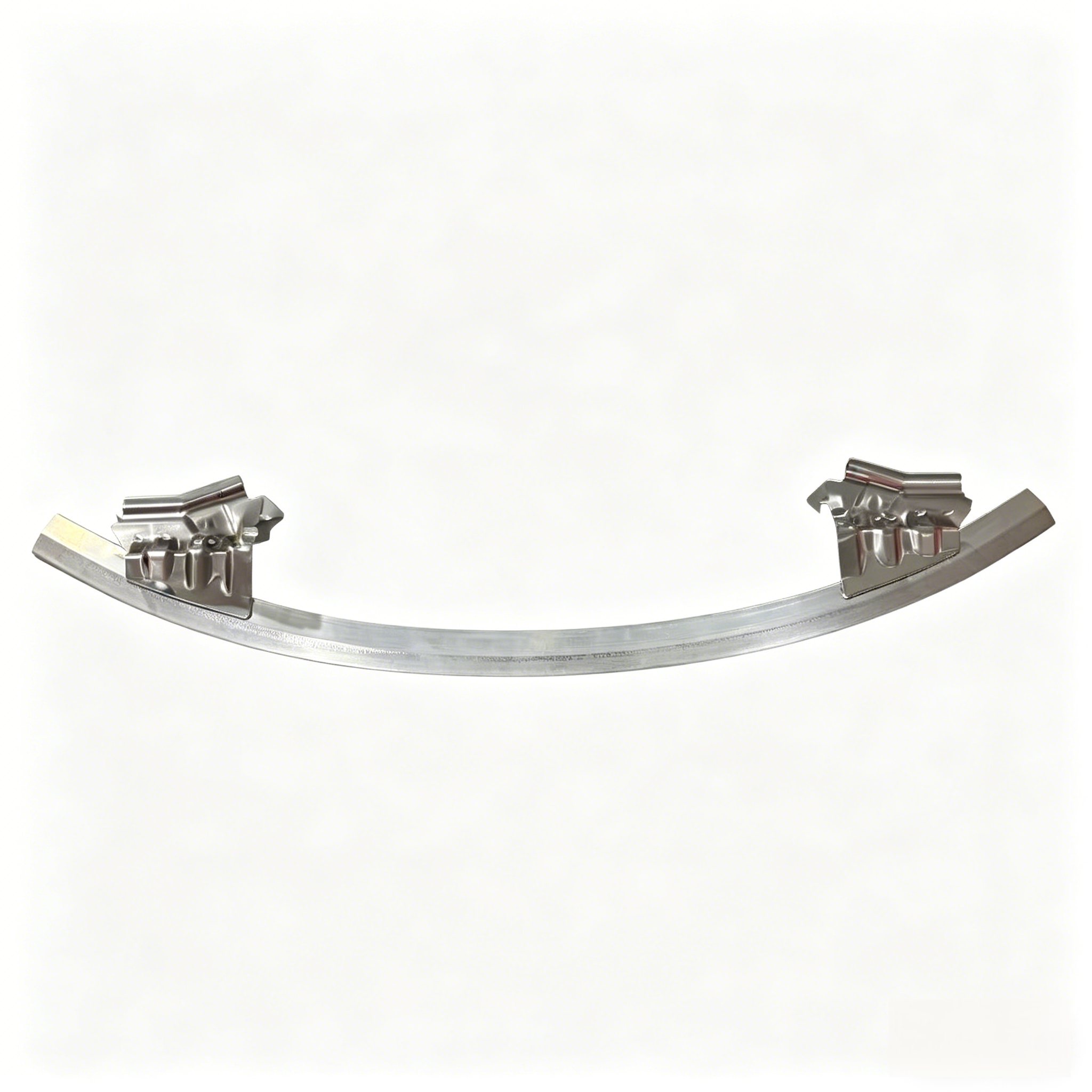
FAQ
What makes corrosion resistance more critical in automotive body panels compared to other vehicle components?
Automotive body panel system components face uniquely severe corrosion exposure because they form the vehicle's exterior surface, directly encountering precipitation, road salts, chemical contaminants, and environmental pollutants without intervening protection. Unlike interior components or sealed mechanical systems, body panels experience continuous wet-dry cycling, temperature extremes, ultraviolet radiation, and mechanical impacts that progressively compromise protective coatings. Additionally, body panels serve dual functions as aesthetic surfaces and structural elements, meaning corrosion affects both appearance and safety performance. The high visibility of body panel corrosion creates customer dissatisfaction disproportionate to actual structural consequences, while perforation corrosion compromises crash safety and generates substantial warranty liability. These factors combine to make corrosion resistance a paramount concern in automotive body panel system design and specification.
How does inadequate corrosion protection affect vehicle crash safety performance over time?
Corrosion progressively degrades the structural integrity and energy absorption characteristics engineered into automotive body panel system components for crash protection. Material loss from corrosion reduces cross-sectional area and load-bearing capacity in structural members, potentially compromising designed load paths during collision events. Body panels are precisely engineered to deform in controlled sequences that manage impact energy, but corrosion creates material property variations and premature failure points that disrupt intended crash behavior. Hidden corrosion within structural cavities proves particularly problematic because external inspection cannot detect internal degradation that substantially reduces crash performance. Regulatory crash testing assumes body panels maintain design specifications throughout vehicle service life, making long-term corrosion resistance essential for sustained safety compliance. The consequences extend beyond individual vehicle owners to include manufacturer liability, fleet operator responsibility, and broader public safety considerations for aging vehicle populations.
Can aftermarket body panels provide equivalent corrosion resistance to original equipment components?
Aftermarket automotive body panel system components vary significantly in corrosion resistance depending on manufacturer quality standards, material specifications, and protective coating systems employed. Premium aftermarket suppliers utilize substrate materials and coating architectures comparable to original equipment, sometimes sourcing from the same supply chain serving vehicle manufacturers. These high-quality aftermarket panels can deliver equivalent corrosion protection when properly manufactured and finished. However, economy-grade aftermarket body panels may employ thinner substrates, simplified coating systems, or less corrosion-resistant base materials that compromise long-term durability compared to original components. The challenge for buyers involves distinguishing quality differences that are not immediately apparent through visual inspection. Reputable aftermarket suppliers provide warranty coverage and certification documentation demonstrating corrosion testing compliance, while inferior products often lack such assurances. For critical structural applications and vehicles intended for long-term retention, selecting aftermarket automotive body panel system components with verified corrosion resistance equivalent to original equipment remains essential for maintaining vehicle safety, appearance, and value.
What maintenance practices most effectively prevent corrosion in automotive body panel systems?
Effective corrosion prevention for automotive body panel system components centers on regular cleaning to remove corrosive contaminants, particularly road salt, before prolonged exposure causes protective coating breakdown. Frequent washing during winter months proves especially important, with particular attention to undercarriage areas, wheel wells, and rocker panels where salt spray accumulates most heavily. Applying protective wax or sealant coatings creates additional barrier layers that supplement factory finishes, though these treatments require periodic renewal to maintain effectiveness. Addressing minor paint damage promptly prevents corrosion initiation at coating breaches, with touch-up repair substantially less expensive than later structural corrosion remediation. Ensuring drainage channels remain clear prevents water accumulation in vulnerable cavity areas within the automotive body panel system. Professional undercoating application provides enhanced protection for vehicles operated in severe corrosion environments, though quality varies significantly among service providers. Storage in covered facilities when practical minimizes environmental exposure that accelerates coating degradation. These maintenance practices, consistently applied throughout vehicle ownership, dramatically extend body panel service life and preserve both appearance and structural integrity against corrosive degradation.
Table of Contents
- The Environmental Assault on Automotive Body Panel Systems
- Structural and Safety Consequences of Corrosion Degradation
- Economic Impact and Total Cost of Ownership Implications
- Material Selection and Protective Technology Strategies
-
FAQ
- What makes corrosion resistance more critical in automotive body panels compared to other vehicle components?
- How does inadequate corrosion protection affect vehicle crash safety performance over time?
- Can aftermarket body panels provide equivalent corrosion resistance to original equipment components?
- What maintenance practices most effectively prevent corrosion in automotive body panel systems?