EN
EN



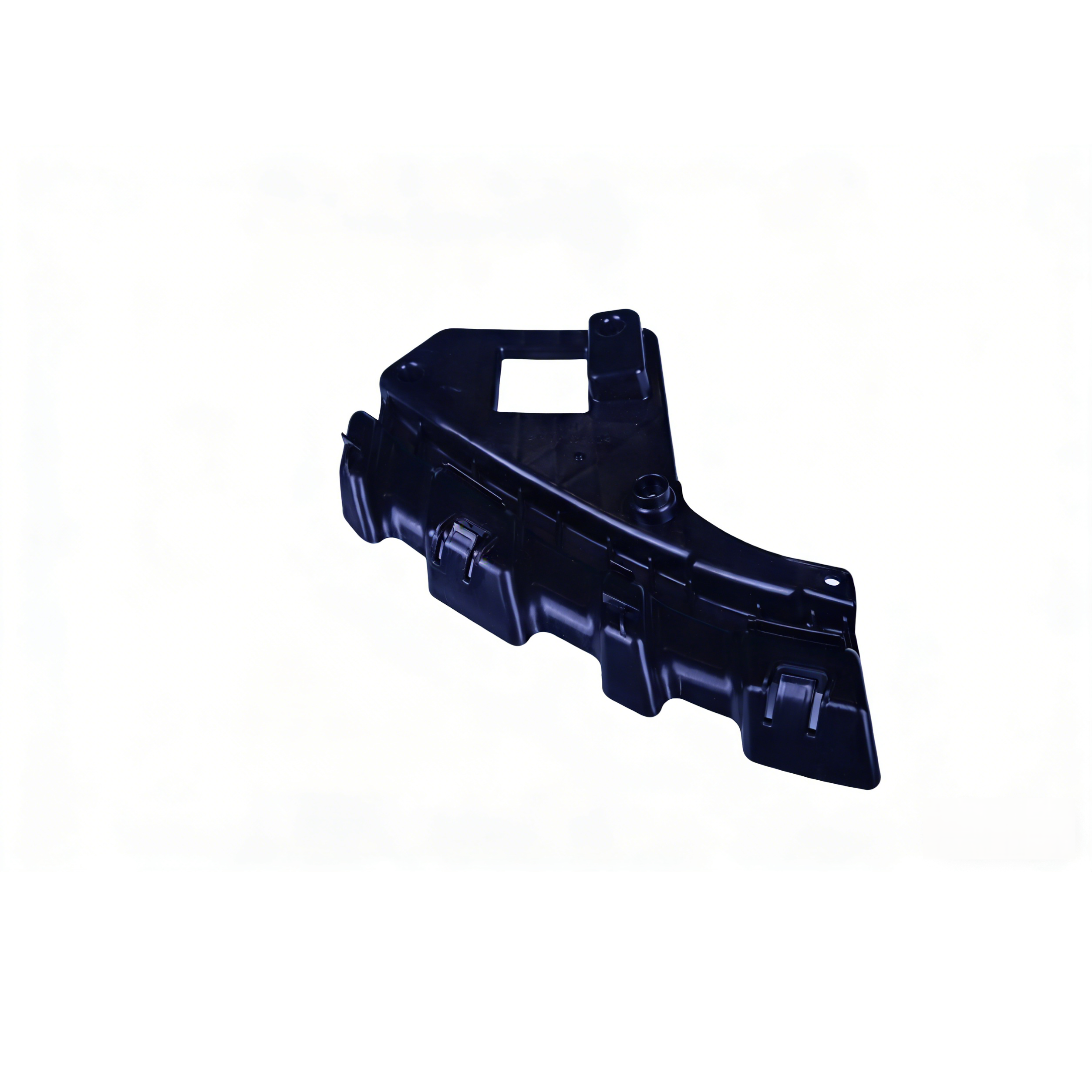
The relationship between automotive body panel system design and long-term vehicle durability represents one of the most critical yet often underestimated aspects of automotive engineering. When manufacturers develop vehicle structures, the strategic decisions made regarding material selection, panel integration methods, and structural load distribution directly determine how well a vehicle withstands years of environmental exposure, mechanical stress, and operational demands. Understanding this connection helps fleet managers, repair professionals, and automotive engineers make informed decisions that extend vehicle service life and reduce total cost of ownership.
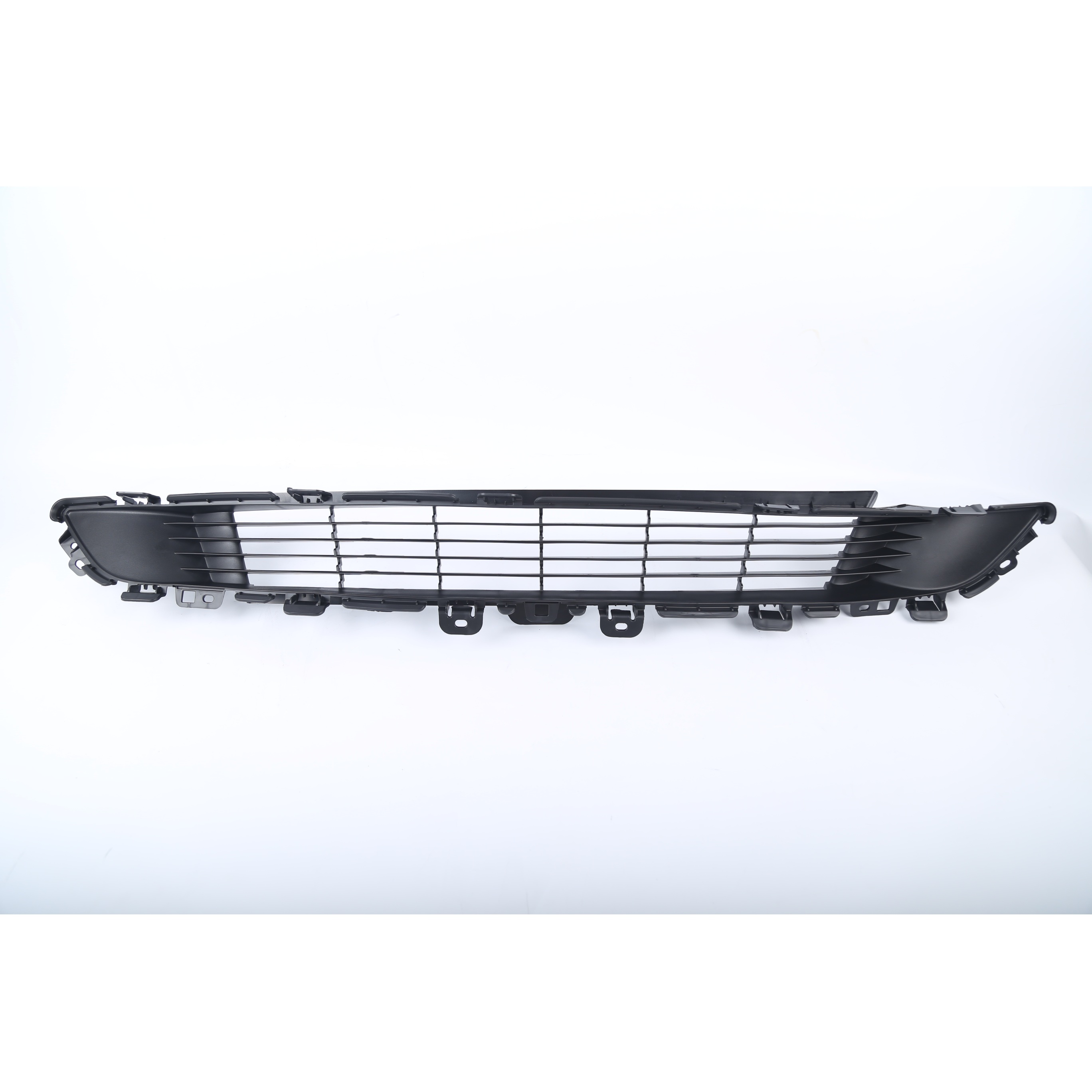
Modern vehicles face increasingly complex durability challenges as they encounter diverse operating conditions ranging from extreme temperature variations to corrosive road chemicals and mechanical impacts. The automotive body panel system serves as the first line of defense against these environmental and mechanical threats, yet its influence extends far beyond simple protection. The design architecture of these panels affects structural rigidity, crash energy absorption, thermal expansion behavior, and even the propagation of stress-induced fatigue throughout the vehicle frame. This comprehensive examination reveals how specific design choices in panel systems create cascading effects that either enhance or compromise vehicle longevity over extended service periods.
Material Selection and Its Impact on Panel System Longevity
Steel Alloy Composition and Corrosion Resistance
The foundational material choice for an automotive body panel system establishes the baseline durability characteristics that will define vehicle performance throughout its operational lifetime. High-strength steel alloys with specific carbon content and alloying elements such as chromium, nickel, and molybdenum provide superior resistance to oxidation and environmental degradation. These metallurgical properties directly influence how panels respond to moisture exposure, salt contamination, and chemical reactions that accelerate material deterioration. When manufacturers select advanced high-strength steel grades for critical structural panels, they inherently improve the vehicle's ability to maintain structural integrity under sustained stress cycles.
The grain structure and heat treatment processes applied during steel panel manufacturing further determine long-term durability outcomes. Cold-rolled steel with refined grain boundaries exhibits enhanced fatigue resistance compared to hot-rolled alternatives, particularly in areas subject to repeated flexing and vibration. The automotive body panel system benefits substantially from these metallurgical refinements because they reduce the likelihood of microcrack formation and subsequent crack propagation that leads to panel failure. Modern electrogalvanized and hot-dip galvanized coatings add additional protection layers that extend service life by creating sacrificial barriers against corrosive agents.
Aluminum Alloy Integration and Thermal Cycling Performance
Aluminum alloys have emerged as strategic materials within the automotive body panel system due to their favorable strength-to-weight ratios and inherent corrosion resistance. However, the durability implications of aluminum integration extend beyond simple material properties to encompass thermal expansion behavior and fatigue characteristics under cycling loads. Aluminum panels expand and contract at different rates than steel components, creating interface stresses at joint locations that can accelerate wear in fastening systems and adhesive bonds. Design engineers must account for these differential expansion rates through strategic joint design and material compatibility considerations.
The precipitation-hardened aluminum alloys commonly used in body panels exhibit time-dependent property changes that affect long-term durability. These age-hardening processes can continue throughout the vehicle's service life, gradually altering mechanical properties and stress distribution patterns within the panel structure. The automotive body panel system must be designed to accommodate these gradual material evolution characteristics while maintaining dimensional stability and structural performance. Surface treatments such as anodizing and chromate conversion coatings provide additional protection against galvanic corrosion when aluminum panels interface with dissimilar metals in multi-material vehicle architectures.
Composite Materials and Environmental Degradation Resistance
Advanced composite materials including carbon fiber reinforced polymers and glass fiber composites offer unique durability advantages for specific automotive body panel system applications. These materials demonstrate exceptional resistance to electrochemical corrosion and can be engineered with directional fiber orientations that optimize load-bearing capacity in predetermined stress pathways. However, composite panels face distinct durability challenges related to ultraviolet radiation exposure, moisture absorption, and impact damage that requires careful consideration during design phases. The polymer matrix materials undergo gradual degradation when exposed to sustained UV radiation, leading to surface layer breakdown and potential fiber exposure.
Moisture ingress represents another critical factor affecting composite panel longevity within the automotive body panel system. Water molecules can penetrate the polymer matrix through diffusion processes, causing dimensional changes and reducing the effective bond strength between fibers and matrix material. This hygroscopic behavior becomes particularly problematic in environments with high humidity or frequent precipitation exposure. Design strategies that incorporate moisture barriers, edge sealing systems, and drainage pathways significantly enhance the long-term durability of composite body panels by mitigating water-related degradation mechanisms.
Structural Integration Methods and Stress Distribution
Welding Technology and Joint Fatigue Performance
The methods used to join individual panels within the automotive body panel system fundamentally determine how mechanical loads distribute throughout the structure and where fatigue failures are likely to initiate. Resistance spot welding remains the dominant joining method for steel body panels, creating discrete bond points that must transfer shear and tensile loads between adjacent panels. The spacing, diameter, and metallurgical quality of these spot welds directly influence the structure's ability to withstand repeated loading cycles without developing fatigue cracks. Inadequate weld penetration or excessive heat-affected zone brittleness creates stress concentration sites that accelerate crack initiation under cyclic loading conditions.
Advanced welding techniques such as laser welding and friction stir welding offer improved joint performance characteristics that enhance overall durability of the automotive body panel system. Laser welding produces narrower heat-affected zones with finer grain structures that exhibit superior fatigue resistance compared to traditional resistance welding. Friction stir welding eliminates melting-related defects entirely, creating solid-state joints with exceptional mechanical properties for aluminum panel assemblies. These advanced joining methods allow designers to create continuous seam welds that distribute loads more uniformly across panel interfaces, reducing peak stress concentrations that typically occur at discrete spot weld locations.
Adhesive Bonding Systems and Environmental Durability
Structural adhesives have become integral components of modern automotive body panel system design, providing continuous load paths and enhanced stiffness characteristics compared to mechanical fastening alone. Epoxy-based and polyurethane adhesive systems create chemical bonds with panel surfaces that distribute stresses across wide interface areas, reducing localized stress concentrations that accelerate fatigue failure. However, adhesive joint durability depends critically on surface preparation quality, cure conditions, and long-term environmental resistance of the polymer chemistry. Inadequate surface treatment or contamination prior to bonding creates weak interfacial zones prone to premature failure under sustained loading.
The environmental aging behavior of structural adhesives within the automotive body panel system requires careful consideration during material selection and design validation. Elevated temperatures, moisture exposure, and chemical contamination from road salts or automotive fluids can degrade adhesive mechanical properties over extended service periods. Modern crash-resistant adhesives incorporate toughening agents and moisture-resistant formulations that maintain bond strength even after years of environmental exposure. Design engineers must validate adhesive joint performance through accelerated aging protocols that simulate decades of field exposure, ensuring that bonded panel assemblies maintain structural integrity throughout the vehicle's intended service life.
Mechanical Fastening and Load Path Optimization
Bolted and riveted connections within the automotive body panel system provide removability advantages for repair operations while creating distinct load transfer characteristics that influence long-term durability. These mechanical fasteners concentrate loads at discrete attachment points, creating stress fields that can initiate fatigue cracks in surrounding panel material if not properly designed. The fastener preload, hole-to-diameter ratios, and edge distances all contribute to stress distribution patterns that determine whether fatigue damage accumulates at acceptable rates over the vehicle's operational lifetime. Self-piercing rivets have gained prominence in multi-material panel assemblies because they create mechanical interlocks without requiring pre-drilled holes that weaken panel cross-sections.
The interaction between different joining methods in hybrid assembly strategies significantly affects overall automotive body panel system durability. Combining adhesive bonding with mechanical fastening creates redundant load paths that prevent catastrophic failure if one joining system degrades over time. This hybrid approach also reduces peak stresses at individual fastener locations by distributing loads through both adhesive shear and fastener bearing mechanisms. Design optimization must consider how these different joining technologies age at different rates, ensuring that the structure maintains adequate strength even as individual joint types experience varying degrees of degradation throughout extended service periods.
Geometric Design Features and Durability Enhancement
Panel Curvature and Stiffness Characteristics
The three-dimensional geometry of panels within the automotive body panel system dramatically influences structural stiffness and resistance to localized deformation that can initiate durability problems. Curved panel surfaces with compound curvatures exhibit significantly higher bending stiffness than flat panels of equivalent thickness, reducing deflections under applied loads and minimizing cyclic stress amplitudes that cause fatigue damage. Strategic incorporation of crown, character lines, and embossed features creates geometric stiffening that enhances panel performance without adding material weight. These geometric stiffeners function as integral ribs that resist out-of-plane deformations, particularly important for large exterior panels exposed to wind loads and impact events.
The radius of curvature at panel edges and transition zones requires careful optimization to prevent stress concentration effects that accelerate crack initiation. Sharp radii create geometric stress risers where applied loads generate locally elevated stress fields that exceed material fatigue limits even when nominal panel stresses remain within acceptable ranges. The automotive body panel system benefits from generous fillet radii at all geometric transitions, distributing stress gradients over larger material volumes that resist crack nucleation. Modern computational design tools enable engineers to identify potential stress concentration locations early in development cycles, allowing geometric refinements that enhance durability before physical prototypes enter testing phases.
Flanges and Joint Configuration Strategies
The flange designs used to create joining surfaces between adjacent panels fundamentally affect load transfer efficiency and long-term durability of the automotive body panel system. Wide flanges with gradual transitions from panel face to flange surface distribute bending stresses more uniformly than narrow flanges with abrupt angular changes. The flange width also determines the available bonding or welding area, directly influencing joint strength and fatigue resistance. Hemmed flanges create double-thickness regions that enhance local stiffness while providing aesthetic surface quality for visible panel edges, though the hemming process introduces residual stresses that must be considered in durability analysis.
Corner joint configurations where multiple panels converge present particular challenges for automotive body panel system durability because loads from different directions must transfer through complex three-dimensional geometry. Mitered corners with precision-fit mating surfaces distribute loads more effectively than overlapped joints that create thickness discontinuities and associated stress concentrations. The sequencing of assembly operations affects residual stress states locked into corner joints, influencing how these critical junctions respond to service loads. Design validation must include detailed analysis of corner joint behavior under multi-axial loading conditions that simulate real-world vehicle operation, ensuring adequate fatigue life margins at these geometrically complex locations.
Drainage and Ventilation Provisions
Trapped moisture within enclosed cavities of the automotive body panel system represents one of the most insidious durability threats because it creates sustained corrosive environments that accelerate material degradation from the inside out. Strategic placement of drainage holes, weep slots, and ventilation passages allows water that inevitably enters panel cavities to escape before causing significant corrosion damage. The sizing and positioning of these drainage features must balance water removal effectiveness against structural integrity concerns, as excessively large openings can reduce panel stiffness and create stress concentration sites. Drain hole locations should align with the lowest points in cavity geometries when the vehicle sits at its normal ride height, ensuring gravity-driven water removal.
Ventilation pathways that allow air circulation through enclosed panel cavities reduce moisture accumulation and promote drying after water intrusion events. The automotive body panel system benefits from ventilation designs that create pressure differentials driving airflow through cavities without allowing large debris or excessive water spray to enter during normal operation. Baffled openings and labyrinth passages provide ventilation while limiting direct exposure to road contaminants. Design engineers must validate drainage and ventilation effectiveness through water immersion testing and humidity chamber exposure that simulates years of environmental exposure, ensuring that corrosion protection systems remain effective throughout the vehicle's intended service life.
Coating Systems and Surface Protection Strategies
Multi-Layer Paint Systems and Barrier Properties
The coating architecture applied to the automotive body panel system provides the primary defense against environmental degradation, with each layer serving specific protective and aesthetic functions. Electrodeposition primer coats create uniform coverage over complex panel geometries, including internal cavities and joint interfaces that spray application cannot reach effectively. These electrocoat primers establish corrosion-resistant barriers through electrochemical mechanisms that deposit coating material preferentially on exposed metal surfaces. The primer layer thickness and cure conditions directly influence long-term corrosion protection performance, with thicker coatings generally providing enhanced barrier properties but potentially complicating subsequent coating layer adhesion.
Intermediate coating layers within the automotive body panel system fill surface imperfections while building total coating thickness that enhances barrier properties and impact resistance. Polyester and epoxy-based primer surfacers create smooth foundations for topcoat application while adding chemical resistance against automotive fluids and environmental contaminants. The adhesion between successive coating layers determines whether the complete system remains intact during thermal cycling and mechanical deformation, or whether delamination occurs that exposes underlying metal to corrosive attack. Modern coating formulations incorporate adhesion promoters and flexibilizers that maintain interlayer bonding even when panels experience significant deformation during minor impact events.
Chip Resistance and Mechanical Damage Protection
Lower body panels within the automotive body panel system face particularly severe exposure to stone impacts, abrasive debris, and mechanical damage that can penetrate coating systems and initiate corrosion at damaged sites. Specialized chip-resistant coatings applied to vulnerable areas provide enhanced impact energy absorption that prevents coating fracture and substrate exposure. These elastomeric coatings typically incorporate polyurethane or polyurea chemistries that offer exceptional flexibility and toughness, allowing them to deform under impact without cracking. The coating thickness and application patterns must be optimized to provide adequate protection without adding excessive weight or creating visual appearance concerns on exposed surfaces.
The automotive body panel system benefits from strategic application of protective films and sacrificial coatings in high-exposure areas such as rocker panels, wheel arches, and lower door sections. Polyvinyl chloride films and thermoplastic polyurethane coatings create removable protective barriers that can be replaced periodically as they accumulate damage, extending the service life of underlying painted surfaces. Design integration of these protective systems requires careful consideration of edge sealing to prevent moisture infiltration beneath protective layers that could create hidden corrosion sites. Validation testing must demonstrate that protective coatings maintain adhesion and barrier properties after extended exposure to the combination of mechanical abrasion, thermal cycling, and chemical contamination encountered in real-world service.
Cavity Wax and Internal Surface Protection
Enclosed cavities within the automotive body panel system require specialized protection strategies because standard paint processes cannot access internal surfaces effectively. Wax-based cavity preservation compounds injected into sealed spaces create hydrophobic barriers that repel moisture and displace existing water films from metal surfaces. These petroleum-based or synthetic wax formulations remain semi-fluid throughout the vehicle's service life, allowing them to self-heal minor coating disruptions and maintain continuous surface coverage despite panel flexing and thermal cycling. The injection locations, cavity geometry, and wax formulation viscosity must be coordinated to ensure complete internal surface coverage without creating drainage blockages or excessive material buildup.
The longevity of cavity protection within the automotive body panel system depends on wax formulation stability and resistance to displacement by water intrusion or mechanical disturbance. High-quality cavity waxes maintain their protective properties for decades without hardening, sagging, or washing away under normal exposure conditions. Some advanced formulations incorporate corrosion inhibiting additives that provide active electrochemical protection in addition to simple barrier effects. Design validation should include sectioning of aged vehicle structures to verify that cavity wax coverage remains intact after extended service, particularly in areas prone to water accumulation or exposure to road salt spray.
Design Validation and Durability Testing Protocols
Accelerated Corrosion Testing Methodologies
Comprehensive validation of automotive body panel system durability requires accelerated testing protocols that simulate years or decades of environmental exposure in compressed timeframes. Salt spray testing according to standardized protocols exposes coated panel assemblies to continuous or cyclic salt fog that accelerates electrochemical corrosion processes. While traditional neutral salt spray testing provides useful comparative data, it does not accurately replicate the complex exposure cycles that vehicles experience in real-world service. Modern cyclic corrosion testing incorporates alternating periods of salt spray, humidity exposure, and ambient drying that better simulate the wetting and drying cycles driving actual corrosion damage accumulation.
The automotive body panel system must demonstrate adequate corrosion resistance not only at pristine surfaces but also at scribes, edges, and damage sites where coating integrity has been compromised. Scribe testing evaluates coating systems' ability to prevent corrosion propagation from deliberately introduced damage, assessing both barrier properties and cathodic protection mechanisms. The evaluation of corrosion creep distance from scribe lines after extended salt spray exposure provides quantitative measures of coating system performance that correlate with field durability. Advanced testing protocols incorporate mechanical stress cycling during corrosion exposure to simulate the combined effects of environmental attack and mechanical fatigue that occur simultaneously in actual vehicle operation.
Mechanical Fatigue and Structural Load Cycling
Durability validation of the automotive body panel system must address fatigue damage accumulation under repeated mechanical loading that occurs throughout vehicle operation. Multi-axial fatigue testing applies representative load spectra derived from real-world vehicle usage data, including acceleration and braking loads, cornering forces, and road surface irregularities that excite structural vibrations. The load magnitudes, frequency content, and sequence effects all influence fatigue damage rates and must be carefully considered when developing test protocols. Modern approaches incorporate strain gauge instrumentation that monitors actual stress distributions within panel structures during testing, enabling correlation between predicted and measured fatigue behavior.
Component-level fatigue testing isolates individual panels and assemblies for detailed evaluation under controlled loading conditions, while full-vehicle testing validates complete automotive body panel system performance under realistic operational scenarios. Proving ground testing on specialized durability tracks exposes vehicles to severe road conditions that compress years of normal driving into weeks or months of intensive evaluation. The combination of rough road surfaces, high-speed operation, and environmental exposure during proving ground testing provides comprehensive durability validation that identifies potential failure modes before vehicles enter production. Instrumentation systems monitor panel deflections, joint integrity, and coating condition throughout testing, building databases that inform design refinements and establish durability margins.
Long-Term Field Performance Monitoring
Ultimate validation of automotive body panel system durability comes from monitoring actual vehicle performance throughout extended service periods in diverse geographic and operational environments. Fleet monitoring programs track corrosion development, structural degradation, and component failure rates across large vehicle populations operating under varied conditions. This field performance data provides invaluable feedback that validates laboratory testing protocols and identifies failure modes that may not emerge during accelerated testing. Systematic inspection programs at defined mileage or age intervals document the condition of critical panel areas, joint integrity, and coating performance, building comprehensive understanding of how design features influence actual durability outcomes.
Regional variations in corrosion aggressiveness demand that the automotive body panel system demonstrate adequate durability across the full range of environmental conditions where vehicles will operate. Coastal environments with salt spray exposure, northern climates with road deicing salt application, and industrial areas with atmospheric pollutants create distinctly different corrosion mechanisms that stress protective systems in unique ways. Field monitoring programs strategically positioned across these diverse environments enable validation that durability designs remain effective despite geographic variations in exposure severity. The correlation of field performance data with laboratory testing results allows refinement of accelerated test protocols, ensuring they accurately predict real-world durability outcomes for future vehicle programs.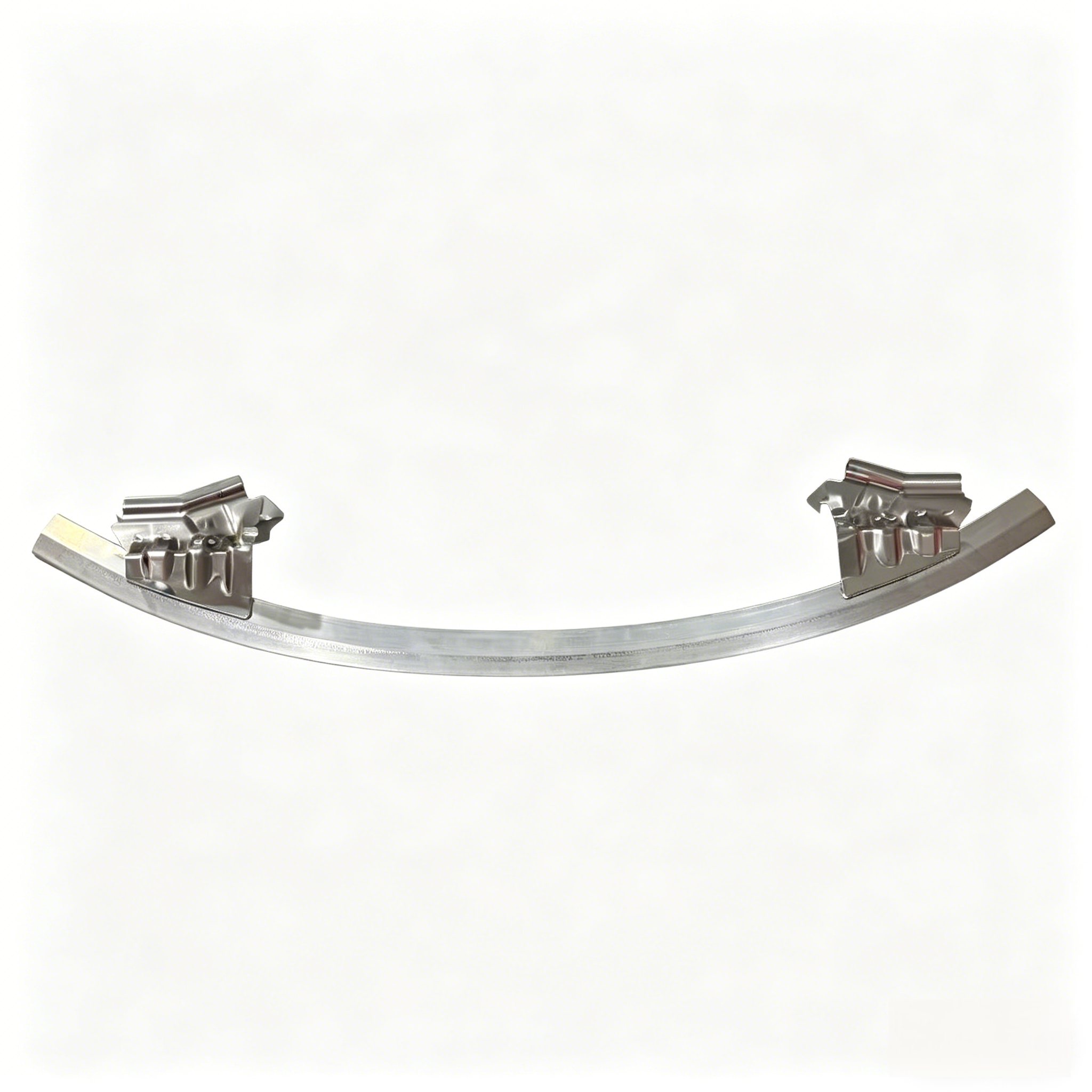
FAQ
What specific design features most significantly improve automotive body panel system durability?
The most impactful design features include strategic material selection with appropriate corrosion resistance properties, geometric stiffening through optimized panel curvatures that reduce stress concentrations, comprehensive drainage provisions that prevent moisture accumulation in enclosed cavities, and multi-layer coating systems with adequate thickness and adhesion properties. Additionally, joining methods that distribute loads uniformly across panel interfaces rather than creating discrete stress concentration points contribute substantially to long-term durability. The integration of these features into a cohesive design strategy yields significantly better durability outcomes than addressing any single factor in isolation.
How do different joining methods in automotive body panel systems affect long-term structural integrity?
Joining methods fundamentally determine stress distribution patterns and fatigue resistance characteristics throughout the panel structure. Resistance spot welding creates discrete load transfer points that can concentrate stresses and initiate fatigue cracks if improperly designed, while continuous laser welds distribute loads more uniformly across joint interfaces. Structural adhesive bonding provides excellent stiffness and fatigue performance when properly applied but requires careful surface preparation and environmental durability validation. Mechanical fastening offers repairability advantages but concentrates loads at discrete locations requiring adequate edge distances and proper preload management. Hybrid approaches combining multiple joining technologies create redundant load paths that enhance overall durability by preventing single-point failure mechanisms.
Why does the automotive body panel system require different protective coatings for various panel locations?
Different panel locations experience vastly different environmental and mechanical exposure conditions that demand tailored protection strategies. Lower body panels face severe stone impact, abrasive debris, and concentrated salt spray exposure requiring thick chip-resistant coatings and sacrificial protective films. Enclosed cavity surfaces need specialized wax-based preservation compounds that can be applied after assembly and maintain protection despite limited accessibility. Exterior visible surfaces require multi-layer paint systems that balance corrosion protection with aesthetic appearance and UV resistance. Underbody structural components may benefit from additional undercoating applications that provide enhanced moisture barriers and sound damping properties. This location-specific protection strategy ensures optimal durability performance while managing coating material costs and application complexity.
How frequently should the automotive body panel system undergo inspection to detect early durability problems?
Inspection frequency depends on vehicle age, operating environment severity, and accumulated mileage, but general guidelines suggest comprehensive inspections at least annually for vehicles operating in corrosive environments and every two years for those in moderate climates. Critical inspection points include lower body panels, wheel arch areas, door bottom edges, and any locations where drainage holes might become blocked. Early detection of coating damage, rust initiation, or structural cracks allows corrective action before minor issues progress to costly failures requiring extensive panel replacement. Fleet operators in severe environments may benefit from more frequent inspections at six-month intervals, particularly for vehicles approaching middle age where corrosion acceleration typically begins. Professional inspection using lift equipment enables thorough examination of underbody components and enclosed areas not visible during routine external surveys.
Table of Contents
- Material Selection and Its Impact on Panel System Longevity
- Structural Integration Methods and Stress Distribution
- Geometric Design Features and Durability Enhancement
- Coating Systems and Surface Protection Strategies
- Design Validation and Durability Testing Protocols
-
FAQ
- What specific design features most significantly improve automotive body panel system durability?
- How do different joining methods in automotive body panel systems affect long-term structural integrity?
- Why does the automotive body panel system require different protective coatings for various panel locations?
- How frequently should the automotive body panel system undergo inspection to detect early durability problems?