EN
EN



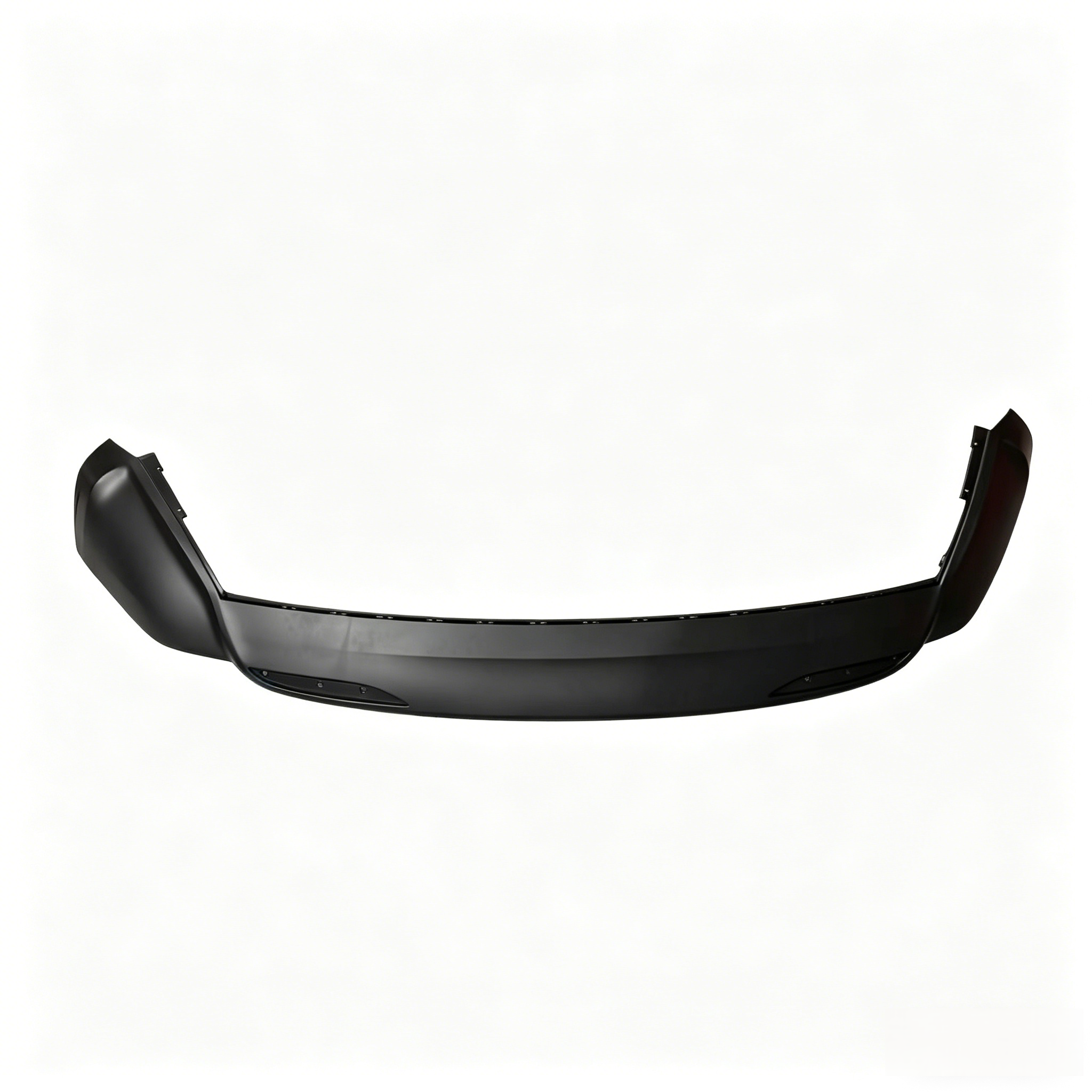
The automotive body panel system serves as a critical structural and protective component that directly influences how well a vehicle protects occupants during collision events, withstands environmental stresses, and maintains structural integrity throughout its operational life. Modern vehicles rely on sophisticated engineering of body panels to create crumple zones, distribute impact forces, maintain cabin rigidity, and integrate with advanced safety systems. Understanding the multifaceted role of the automotive body panel system in vehicle safety performance requires examining how these components function as part of a comprehensive passive safety architecture, working in coordination with active safety technologies to minimize injury risk and enhance crashworthiness across diverse impact scenarios.
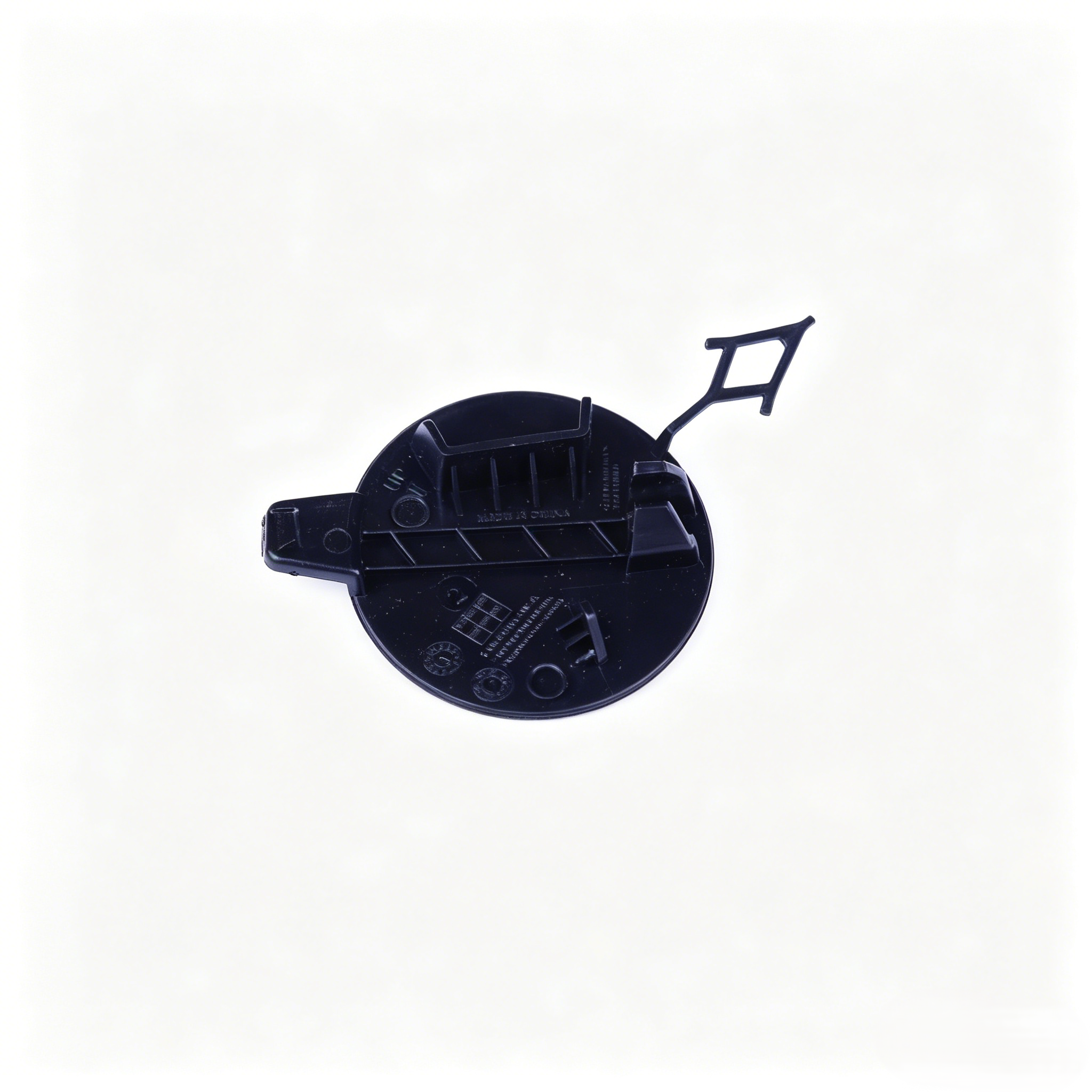
Beyond simply providing an outer shell for the vehicle, the automotive body panel system functions as an engineered energy management system designed to absorb, redirect, and dissipate kinetic energy during collisions while maintaining a protective safety cage around passengers. Each panel component, from front bumper assemblies to roof structures and side impact beams, is strategically designed with specific material properties, thickness profiles, and geometric features that determine how the vehicle responds to various impact types. This integrated approach to body panel engineering has transformed vehicle safety performance over the past several decades, contributing to dramatic reductions in occupant injury rates and fatality statistics across global automotive markets.
Energy Absorption and Crumple Zone Function
Progressive Deformation Characteristics
The primary safety function of the automotive body panel system involves controlled progressive deformation during collision events, where strategically designed panels compress and fold in predetermined patterns to absorb kinetic energy before it reaches the passenger compartment. Front-end body panels including bumper covers, fenders, hood assemblies, and radiator support structures are engineered with specific material grades and geometric features that allow them to crumple predictably under impact loads. This progressive deformation extends collision duration, reducing peak deceleration forces experienced by occupants and minimizing injury severity. Advanced finite element analysis and physical crash testing inform the design of these deformation characteristics, ensuring that the automotive body panel system responds appropriately across a range of impact speeds and angles.
Material selection plays a crucial role in achieving optimal progressive deformation, with modern automotive body panel system designs incorporating high-strength steel, aluminum alloys, and composite materials in specific locations to balance energy absorption with structural integrity. Thinner gauge materials in sacrificial zones allow for controlled crushing, while thicker reinforced sections in strategic areas maintain load paths that protect the safety cell. The interaction between different panel materials and their attachment methods creates a hierarchical energy absorption system where outer panels deform first, followed by intermediate structural components, with the passenger compartment remaining intact. This layered approach to energy management represents a fundamental safety principle embedded in contemporary automotive body panel system engineering.
Impact Force Distribution Mechanisms
Beyond localized energy absorption, the automotive body panel system distributes impact forces across multiple load paths to prevent concentrated stress that could compromise passenger safety. Structural body panels including A-pillars, B-pillars, rocker panels, and roof rails form an interconnected cage that spreads collision forces throughout the vehicle structure rather than allowing them to penetrate directly into the occupant zone. This force distribution function becomes particularly critical in offset frontal impacts and side collisions where impact energy must be redirected away from direct passenger contact points. The geometric design of body panel connections and the material properties at joint interfaces determine how effectively the system distributes loads during real-world crash scenarios.
Modern automotive body panel system designs incorporate computational optimization techniques that identify optimal material placement and thickness gradients to maximize force distribution efficiency while minimizing vehicle weight. Advanced manufacturing processes including hot stamping, hydroforming, and tailored blank welding enable the production of body panels with variable strength zones that direct forces along preferred load paths. This sophisticated approach to structural design ensures that the automotive body panel system functions as an integrated safety system rather than a collection of independent components, with each panel contributing to overall crashworthiness performance through its specific role in the force distribution network.
Occupant Protection Through Structural Integrity
Passenger Compartment Preservation
The most critical safety function of the automotive body panel system involves maintaining passenger compartment integrity during severe collisions, creating a protected survival space that prevents intrusion of external objects or structural components into areas occupied by vehicle occupants. The body panel structure surrounding the passenger cabin, including roof panels, floor panels, firewall assemblies, and pillar structures, must resist deformation and penetration even as surrounding crumple zones collapse. This requires the use of ultra-high-strength materials and reinforced panel designs in specific locations where maintaining structural rigidity is paramount. The automotive body panel system achieves this dual functionality by incorporating both soft deformable zones and rigid protective zones within a single integrated structure.
Engineering the passenger compartment portion of the automotive body panel system involves balancing multiple competing requirements including weight reduction, manufacturing feasibility, corrosion resistance, and crashworthiness performance. Modern designs utilize advanced high-strength steel grades with yield strengths exceeding 1000 MPa in critical structural body panels, combined with strategic reinforcements at high-stress locations. The integration of body panel components through adhesive bonding, laser welding, and mechanical fastening creates a rigid cage structure that distributes loads while preventing separation of joints during impact events. This comprehensive approach to structural integrity ensures that the automotive body panel system maintains its protective function across diverse collision scenarios including frontal, side, rear, and rollover impacts.
Side Impact Protection Architecture
Side collisions present unique challenges for the automotive body panel system because of the limited distance between the outer vehicle surface and occupant seating positions, requiring body panels to provide immediate resistance to intrusion while managing impact energy. Side body panels including door outer skins, door inner reinforcements, B-pillar structures, and rocker panel assemblies must absorb collision energy within a constrained deformation space, typically less than 300 millimeters before reaching occupant proximity. This spatial constraint drives the use of high-strength materials and specialized structural geometries including impact beams, reinforcement plates, and energy-absorbing foam systems integrated within door panel assemblies.
The effectiveness of side impact protection depends on how well the automotive body panel system distributes loads vertically and longitudinally to engage multiple structural elements in resisting intrusion. Door-mounted impact beams transfer collision forces to rocker panels and roof rails, engaging the entire body structure rather than allowing localized panel deformation. Advanced automotive body panel system designs incorporate multi-chamber door structures with internal reinforcements that provide progressive resistance as deformation occurs, optimizing energy absorption within the available space. The integration of side airbag systems with body panel structures creates a comprehensive protection system where structural resistance and supplemental restraint systems work together to minimize occupant injury risk in side impact scenarios.
Integration With Advanced Safety Technologies
Sensor and Camera Mounting Provisions
Contemporary automotive body panel system designs must accommodate an expanding array of active safety sensors including radar units, lidar systems, cameras, and ultrasonic detectors that require precise mounting locations, unobstructed fields of view, and protection from environmental conditions. Front bumper assemblies increasingly incorporate dedicated mounting brackets and calibrated positioning features for adaptive cruise control radar and automatic emergency braking sensors, requiring body panel designs that maintain sensor alignment while still providing impact protection. The automotive body panel system must balance the structural requirements of crashworthiness with the functional requirements of sensor integration, ensuring that safety technology components remain operational while not compromising passive safety performance.
Design considerations for sensor-integrated automotive body panel system components include material selection that minimizes radar signal attenuation, geometric features that prevent sensor blockage from road debris, and mounting systems that maintain calibration despite normal vehicle vibration and thermal cycling. Body panel materials in sensor zones must allow electromagnetic wave transmission for radar systems while maintaining structural properties needed for impact protection. This dual functionality requires careful material engineering and testing to verify that the automotive body panel system supports advanced driver assistance system functionality without degrading safety performance. The increasing prevalence of autonomous driving technologies will further intensify these integration requirements as vehicles incorporate additional sensor arrays throughout the body structure.
Pedestrian Protection Features
Modern automotive body panel system designs increasingly incorporate features specifically engineered to reduce injury severity when vehicles contact pedestrians or cyclists, addressing a significant category of traffic safety beyond occupant protection. Front-end body panels including hood assemblies, bumper covers, and fender structures are designed with energy-absorbing characteristics that reduce impact forces on pedestrian lower extremities and torsos during collisions. Active hood lift systems integrate with body panel structures to create additional clearance between the hood outer panel and rigid engine components, reducing head impact severity when pedestrians contact the vehicle front.
The automotive body panel system achieves pedestrian protection through careful selection of bumper heights, fascia material properties, and hood panel stiffness characteristics that balance occupant protection requirements with pedestrian impact mitigation. Regulatory testing protocols including leg form impacts, upper legform impacts, and head impact tests drive body panel design decisions, requiring engineers to optimize panel geometries and material selections that perform well across multiple impact scenarios. Advanced automotive body panel system designs incorporate breakaway mounting features, energy-absorbing foam layers, and strategic compliance zones that reduce contact forces while maintaining structural integrity for occupant protection. This multi-objective design approach reflects the expanding scope of vehicle safety performance beyond traditional crashworthiness metrics.
Material Science and Manufacturing Influence
Advanced Material Applications
The evolution of automotive body panel system safety performance is directly tied to advances in material science that enable stronger, lighter, and more energy-efficient panel structures. Ultra-high-strength steel, aluminum alloys, magnesium components, and carbon fiber reinforced polymers each offer distinct advantages for specific body panel applications, allowing engineers to optimize material selection based on the safety function required in each location. Hot-stamped boron steel components provide exceptional strength-to-weight ratios in critical structural areas including A-pillars and B-pillars, while aluminum front-end structures offer excellent energy absorption characteristics with reduced mass. The strategic combination of multiple materials within a single automotive body panel system, known as multi-material design, enables optimization of safety performance while achieving weight reduction targets that improve vehicle efficiency.
Material selection for the automotive body panel system must consider not only static strength properties but also dynamic impact behavior including strain rate sensitivity, energy absorption capacity, and failure modes under crash loading conditions. Advanced high-strength steels exhibit increased yield strength at the high strain rates experienced during collisions, providing enhanced protection compared to their static strength specifications would suggest. Aluminum alloys offer superior specific energy absorption, meaning they absorb more energy per unit mass than steel, making them ideal for sacrificial crumple zone components. The ongoing development of new alloy compositions, heat treatment processes, and manufacturing techniques continues to expand the performance envelope of automotive body panel system materials, enabling safety improvements in future vehicle generations.
Manufacturing Process Impact on Safety
The manufacturing processes used to form, join, and assemble automotive body panel system components significantly influence their safety performance by affecting material properties, geometric accuracy, and structural continuity. Stamping processes can introduce work hardening that increases local strength in formed sections, while also creating residual stresses that influence crash behavior. Hot stamping processes modify material microstructure during forming, creating panel components with tailored strength distributions that enhance crashworthiness. Joining technologies including resistance spot welding, laser welding, adhesive bonding, and mechanical fastening each create different stress distributions and failure modes that affect how the automotive body panel system responds during collision events.
Quality control in manufacturing directly impacts the safety performance of the automotive body panel system by ensuring that material properties, dimensional tolerances, and joint strengths meet design specifications. Variations in material thickness, forming depth, or weld quality can significantly alter crash performance, potentially compromising occupant protection. Advanced manufacturing facilities employ statistical process control, automated inspection systems, and destructive testing protocols to verify that produced body panels match the safety performance validated through prototype testing. The automotive body panel system achieves its designed safety function only when manufacturing processes consistently deliver components that meet engineering specifications, making production quality an essential element of overall vehicle safety performance.
Real-World Performance and Maintenance Considerations
Collision Repair and Safety Restoration
The safety performance of the automotive body panel system extends beyond initial manufacture to include proper repair procedures following collision damage, as improper repairs can compromise structural integrity and reduce protection in subsequent crashes. Body panels that have experienced deformation may exhibit altered material properties including work hardening, microstructural damage, or residual stress patterns that affect their crash performance. Critical structural components of the automotive body panel system including frame rails, pillar structures, and floor panels typically require replacement rather than straightening after significant collision damage to ensure full restoration of safety performance. Repair procedures must follow manufacturer specifications to maintain proper material selection, joint integrity, and geometric alignment.
Advanced automotive body panel system designs increasingly incorporate adhesively bonded joints, ultra-high-strength materials, and complex geometric features that require specialized repair equipment and training for proper restoration. The use of aluminum body panels presents particular challenges because aluminum work-hardens differently than steel and cannot be heated for straightening without compromising strength. Collision repair facilities must invest in material-specific equipment, manufacturer-certified training, and quality verification systems to ensure that repaired automotive body panel system structures provide equivalent safety performance to original factory construction. The importance of proper repair procedures will continue to increase as body panel designs become more sophisticated and incorporate additional materials and joining technologies.
Corrosion Protection and Long-Term Integrity
The long-term safety performance of the automotive body panel system depends on effective corrosion protection that maintains structural integrity throughout the vehicle service life, as corrosion can significantly reduce panel thickness, strength, and energy absorption capacity. Body panels exposed to road salt, moisture, and environmental contaminants experience electrochemical degradation that progressively weakens structural components if not adequately protected. Automotive manufacturers employ multiple corrosion protection strategies including galvanized steel substrates, electro-coating processes, cavity wax injection, and drainage provisions that minimize moisture accumulation in enclosed body structures. The effectiveness of these protection systems directly influences how well the automotive body panel system maintains its designed safety performance over years of operation.
Critical structural components of the automotive body panel system including rocker panels, floor sections, and lower door structures face particularly aggressive corrosion environments due to their proximity to road surfaces and exposure to abrasive materials and chemical deicers. Perforation of these panels compromises the load-bearing capacity essential for crash protection, potentially creating safety deficiencies that are not immediately visible through routine inspection. Vehicle owners and fleet operators should implement regular inspection protocols that identify early corrosion damage and address it before structural integrity is compromised. The automotive body panel system achieves its full safety potential only when corrosion protection systems remain effective throughout the vehicle operational life, making preventive maintenance and timely repairs essential elements of long-term safety performance.
FAQ
How does the automotive body panel system differ from the vehicle frame in terms of safety function?
The automotive body panel system and vehicle frame serve complementary but distinct safety functions within modern vehicle structures. In body-on-frame construction, the frame provides the primary load-bearing structure while body panels primarily offer environmental protection and minor energy absorption. In unibody construction, which dominates passenger vehicle design, the automotive body panel system is structurally integrated with the frame, with panels themselves serving as primary load-bearing and energy-absorbing components. Critical structural body panels including floor panels, rocker panels, pillars, and roof structures form the safety cage that protects occupants, while outer panels including fenders, doors, and hoods provide crumple zones that absorb impact energy. This integrated approach means the automotive body panel system in unibody vehicles directly determines crashworthiness rather than simply covering a separate frame structure.
Can aftermarket body panels provide the same safety performance as original equipment panels?
Aftermarket body panel quality varies significantly, with some manufacturers producing components that closely match original equipment specifications while others offer panels with different materials, thicknesses, or manufacturing processes that may not provide equivalent safety performance. Critical structural components of the automotive body panel system including pillars, frame rails, and floor sections should ideally be replaced with original equipment or certified equivalent parts that meet manufacturer specifications for material properties, dimensional accuracy, and joint compatibility. Non-structural exterior panels including fenders, hoods, and door skins may be safely replaced with quality aftermarket alternatives provided they maintain proper fit, sensor integration provisions, and pedestrian protection characteristics. Vehicle owners should verify that replacement body panels meet safety standards and are appropriate for the specific panel location and safety function within the automotive body panel system.
How do electric vehicle body panel systems differ from conventional vehicles in terms of safety design?
Electric vehicle automotive body panel systems incorporate additional design considerations to protect battery pack assemblies, manage high-voltage systems, and address the unique weight distribution created by floor-mounted battery structures. The floor panel and rocker panel sections of electric vehicle body structures typically include reinforced sections that protect battery enclosures from side impact intrusion and underbody strikes, adding structural requirements beyond conventional vehicle designs. The increased vehicle mass from battery systems requires enhanced energy absorption capacity in front and rear crumple zones, often achieved through modified automotive body panel system designs with additional reinforcements and optimized material selection. Electric vehicles also incorporate specific provisions for high-voltage cable routing and battery disconnect features within the body panel structure, ensuring that collision damage does not create electrical hazards. Despite these differences, the fundamental safety principles of the automotive body panel system remain consistent across propulsion types, focusing on energy management, occupant protection, and structural integrity.
What inspection methods can identify compromised safety performance in the automotive body panel system?
Professional inspection of the automotive body panel system uses multiple techniques to identify structural damage, corrosion, or improper repairs that could compromise safety performance. Visual inspection reveals obvious damage including deformation, misalignment, paint disturbances suggesting previous repairs, and surface corrosion. Ultrasonic thickness measurement detects panel thinning from corrosion that may not be visible externally, particularly important for structural components in the automotive body panel system located in corrosion-prone areas. Dimensional measurement using laser scanning or coordinate measurement systems identifies structural misalignment that indicates previous collision damage or improper repairs. Magnetic particle inspection and dye penetrant testing reveal cracks in critical structural welds and joints. For vehicles with significant collision history, professional structural measurement systems compare actual body dimensions against manufacturer specifications to verify proper repair. Regular inspection of the automotive body panel system helps identify safety-compromising conditions before they result in reduced crash protection, making professional evaluation an important element of vehicle safety maintenance.
Table of Contents
- Energy Absorption and Crumple Zone Function
- Occupant Protection Through Structural Integrity
- Integration With Advanced Safety Technologies
- Material Science and Manufacturing Influence
- Real-World Performance and Maintenance Considerations
-
FAQ
- How does the automotive body panel system differ from the vehicle frame in terms of safety function?
- Can aftermarket body panels provide the same safety performance as original equipment panels?
- How do electric vehicle body panel systems differ from conventional vehicles in terms of safety design?
- What inspection methods can identify compromised safety performance in the automotive body panel system?