EN



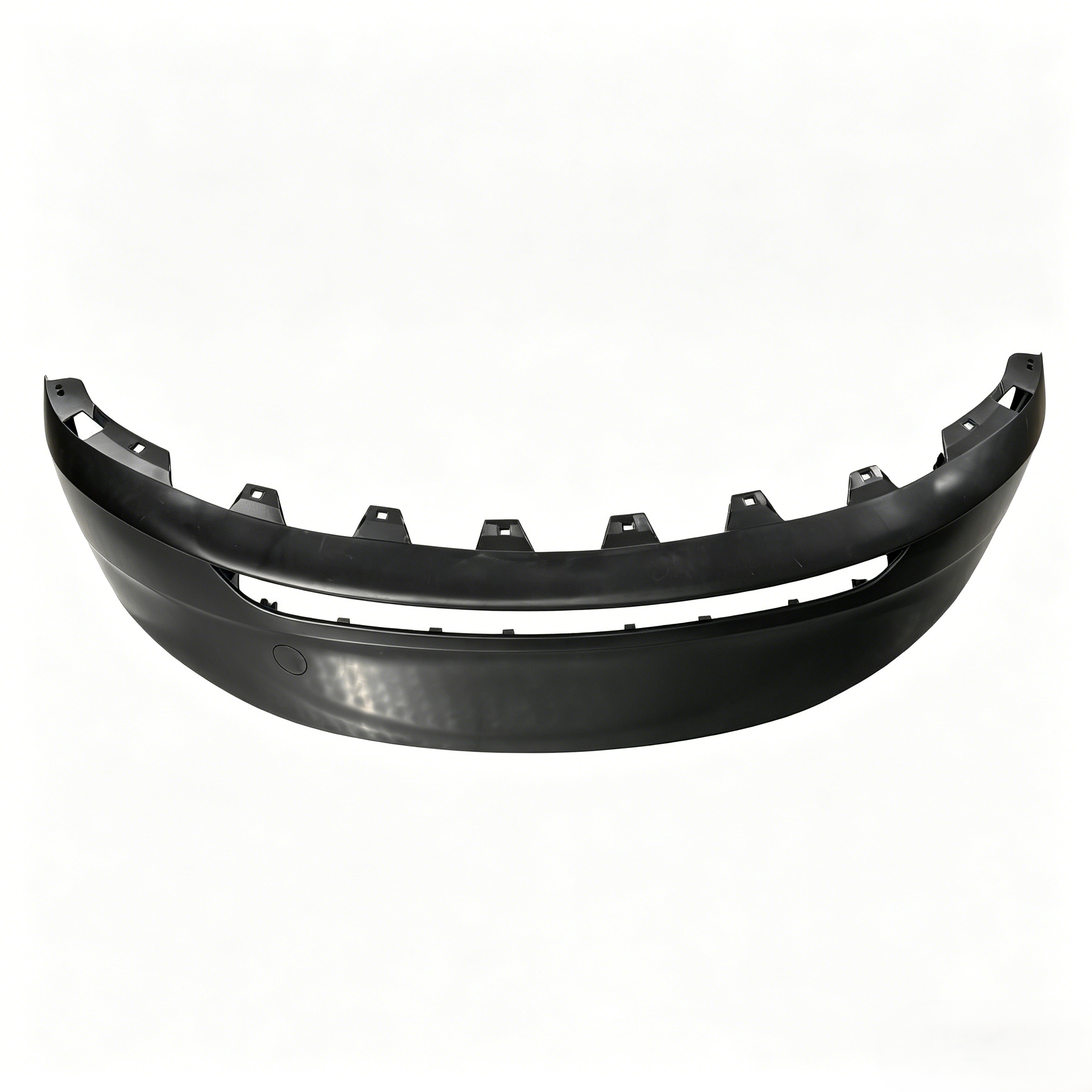
The automotive bumper represents one of the most critical safety components in modern vehicle design, engineered specifically to absorb and dissipate impact energy during collision scenarios. Understanding how an automotive bumper accomplishes this fundamental safety objective reveals the sophisticated engineering that protects both vehicle occupants and the structural integrity of the automobile itself. The automotive bumper has evolved from simple metal bars into a complex system of materials and design principles that work together seamlessly to manage the tremendous forces generated during a collision.
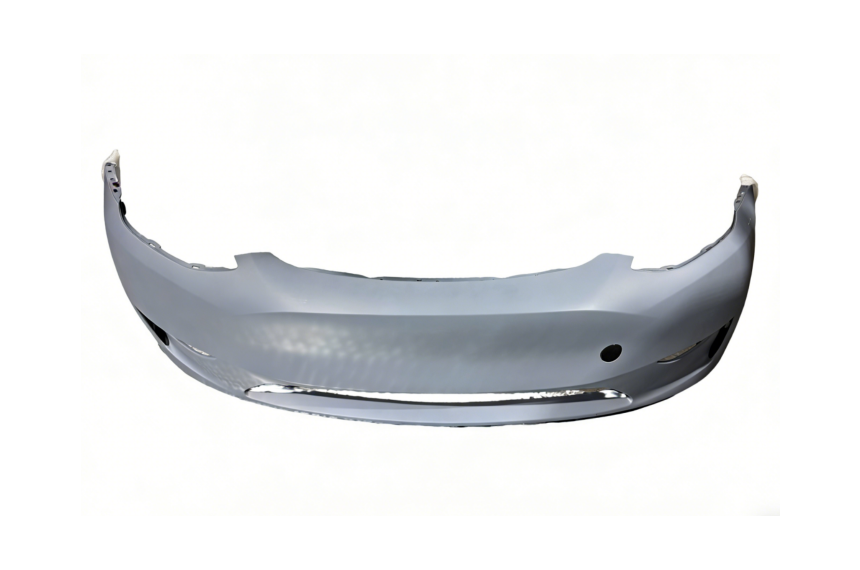
When a vehicle encounters a collision, the automotive bumper must perform an intricate dance of force absorption and energy dissipation. The design must absorb sufficient energy to protect the vehicle's frame and critical components while remaining structurally sound enough to be reinstalled or replaced cost-effectively. Modern automotive bumper engineering integrates material science, structural analysis, and safety standards to create a protective barrier that handles impact forces ranging from minor parking lot incidents to more severe collision events. This comprehensive approach ensures that an automotive bumper serves as the first line of defense in any collision scenario.
Material Composition and Energy Absorption Mechanisms
Core Materials in Automotive Bumper Systems
An automotive bumper typically consists of multiple material layers, each contributing to overall impact energy absorption. The outer fascia, usually made from polypropylene or thermoplastic materials, provides the visible protective surface while offering initial deformation and energy absorption. This plastic component of the automotive bumper can flex and compress during impact, slowing the transfer of force to underlying structures. Behind the fascia lies a reinforcement beam, typically constructed from steel or aluminum alloys, which provides structural support and handles the primary load-bearing responsibility during collision. The space between the fascia and reinforcement beam in an automotive bumper often contains foam or honeycomb material that serves as a secondary energy absorber.
Deformation Mechanics in Automotive Bumper Design
The progressive deformation of an automotive bumper during impact represents a carefully engineered phenomenon designed to extend the collision duration over milliseconds. By stretching the impact event over a longer timeframe, the automotive bumper reduces the peak force experienced by the vehicle structure and occupants, which directly correlates with injury reduction and structural preservation. The materials in an automotive bumper are selected specifically for their deformation characteristics, allowing controlled crushing and flexing rather than rigid resistance. This controlled deformation of the automotive bumper converts kinetic energy into heat and material deformation, dissipating the destructive force before it reaches critical vehicle components.
Structural Design and Force Distribution
Load Path Engineering in Automotive Bumper Systems
The structural architecture of an automotive bumper determines how collision forces distribute throughout the system. Engineers design the automotive bumper reinforcement beam to channel impact forces laterally along the length of the structure, preventing concentrated damage in a single area. This load distribution strategy of the automotive bumper reduces the likelihood of frame damage and protects passenger compartments from deformation. The attachment points where the automotive bumper connects to the vehicle frame are strategically positioned and designed with crush zones that allow controlled separation during severe impacts. These engineered failure points in the automotive bumper system protect the main vehicle frame from absorbing full collision forces.
Geometric Optimization for Automotive Bumper Performance
The three-dimensional shape of an automotive bumper influences how it manages impact energy during collisions. The curved profile and segmented design of a modern automotive bumper provide multiple deformation zones that activate progressively as compression increases. An automotive bumper with ribs, tubes, or cellular structures offers greater energy absorption capability than solid designs due to increased surface area and controlled buckling behavior. The height and positioning of the automotive bumper relative to the vehicle chassis affect collision compatibility with other vehicles and infrastructure. Engineers optimize the automotive bumper geometry to balance these factors, ensuring consistent energy absorption across different impact scenarios and collision angles.
Safety Standards and Performance Testing
Regulatory Requirements for Automotive Bumper Impact Resistance
Government agencies worldwide establish minimum performance standards that every automotive bumper must satisfy before deployment. These regulations specify acceptable damage limits for low-speed collisions, typically between 2.5 and 5 miles per hour, depending on jurisdiction. An automotive bumper must protect the vehicle's structure, hood, door, fender, and safety equipment from damage below these regulatory thresholds. The automotive bumper standards also address compatibility between different vehicle sizes and types, preventing catastrophic structural failures when collisions occur between vehicles of disparate masses. These comprehensive standards ensure that every automotive bumper meets baseline safety and performance expectations.
Testing Methodologies for Automotive Bumper Evaluation
Manufacturers validate automotive bumper performance through controlled collision tests that measure energy absorption, rebound characteristics, and structural integrity. Drop tests, pendulum impacts, and crash sled tests quantify how effectively an automotive bumper manages impact forces across various scenarios. Data collection during these tests measures acceleration forces, deformation distances, and energy dissipation rates that characterize the automotive bumper's protective capabilities. Advanced computational modeling allows engineers to predict automotive bumper behavior before physical prototypes are tested, accelerating development cycles while ensuring safety compliance. These rigorous evaluation processes guarantee that an automotive bumper delivers consistent protection in real-world collision events.
Installation and Maintenance Considerations
Proper Installation Impact on Automotive Bumper Effectiveness
The protective benefits of an automotive bumper depend critically on correct installation and secure attachment to the vehicle frame. Improperly installed fasteners or misaligned mounting brackets compromise the structural integrity of the automotive bumper system, reducing its ability to absorb and transfer impact forces effectively. A correctly installed automotive bumper maintains consistent spacing from the vehicle body and aligns perfectly with adjacent body panels. Fleet maintenance facilities and repair shops must follow manufacturer specifications precisely when installing replacement automotive bumpers to ensure original equipment performance. Any deviation from installation guidelines may void warranty coverage and create liability concerns related to occupant safety.
Damage Assessment and Replacement Requirements
Evaluating whether an automotive bumper can be safely reused after collision impact requires professional inspection and assessment. Minor fascia cracks or cosmetic damage may allow continued use of the automotive bumper, while reinforcement beam deformation or attachment point failure necessitates complete replacement. The automotive bumper's design assumes specific material properties and structural geometry; manufacturing defects or impact-induced alterations compromise its protective function. Repair shops must document the condition of the automotive bumper following collision and communicate findings to vehicle owners regarding repair versus replacement decisions. Timely replacement of damaged automotive bumpers maintains vehicle safety ratings and protects occupants in subsequent collision events.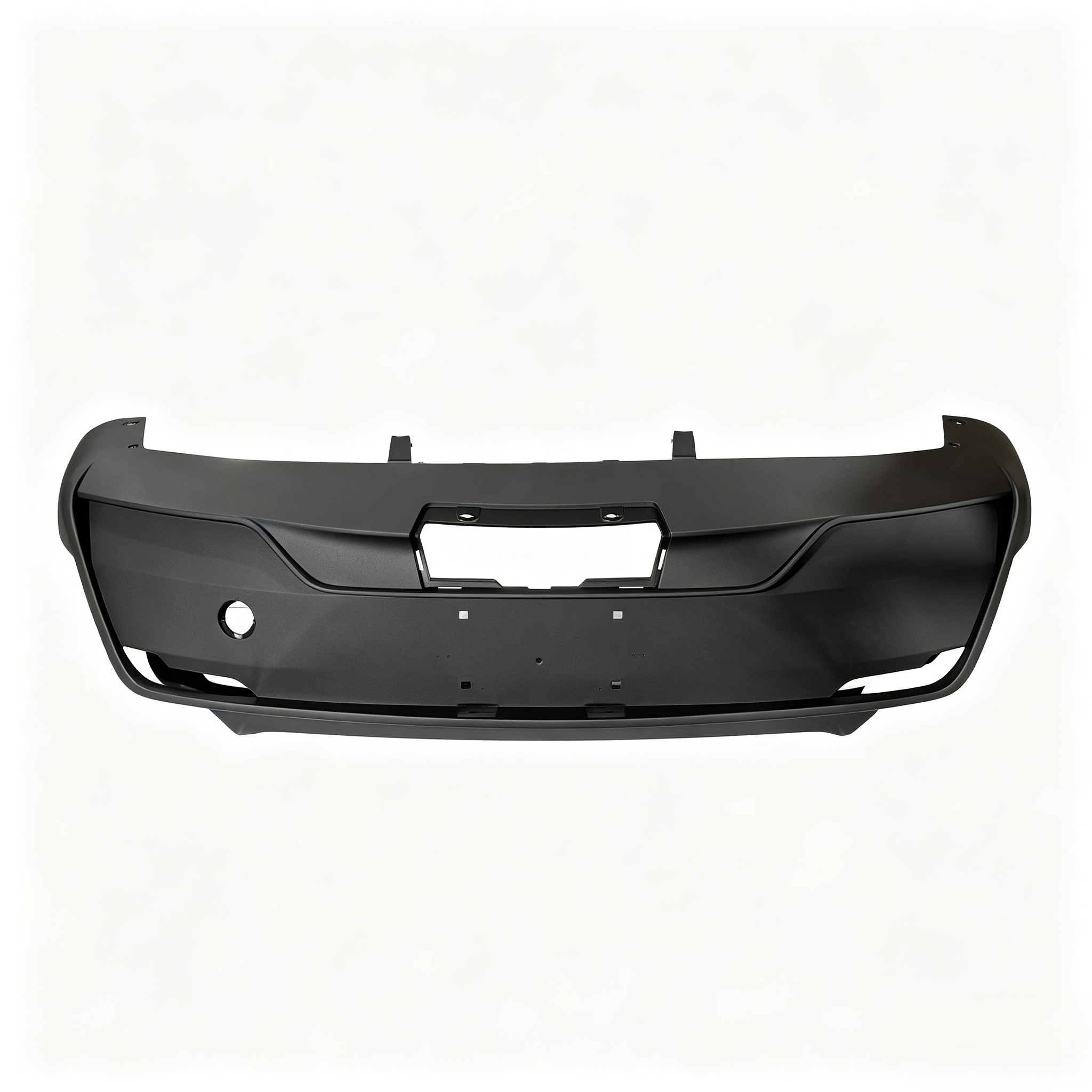
FAQ
How does an automotive bumper absorb different collision speeds?
An automotive bumper uses progressive deformation and multiple material layers to handle varying impact velocities. At low speeds, the outer fascia absorbs energy through controlled deformation while attached foam layers compress gradually. At higher speeds, the reinforcement beam activates fully, distributing forces laterally and extending the collision duration. The automotive bumper's design anticipates a range of impact scenarios and responds proportionally, ensuring effective energy absorption whether the collision occurs at parking speeds or highway speeds. This adaptive response capability makes the automotive bumper effective across all realistic collision scenarios.
Can an automotive bumper be repaired instead of replaced?
Minor damage to an automotive bumper fascia can sometimes be repaired through plastic welding, heat restoration, or paint correction techniques. However, structural damage to the reinforcement beam, permanent deformation beyond tolerance limits, or attachment point failure requires complete automotive bumper replacement. The automotive bumper's protective function depends on maintaining original material properties and structural geometry; repairs cannot restore these characteristics if significant damage has occurred. A professional assessment determines whether repair is safe and cost-effective or if automotive bumper replacement is necessary. Insurance companies often require replacement of compromised automotive bumpers to maintain vehicle safety ratings.
What materials offer the best energy absorption in automotive bumper design?
Polypropylene thermoplastics provide excellent deformation characteristics and cost-effectiveness for automotive bumper fascias, while aluminum and high-strength steel reinforce the structural beam. Closed-cell foam and honeycomb materials between the fascia and beam offer superior energy absorption without adding excessive weight to the automotive bumper assembly. Composite materials increasingly appear in premium automotive bumper designs, offering enhanced energy absorption and lightweight characteristics. The automotive bumper's effectiveness results from the combination of these materials working together rather than any single material alone. Engineers select specific material combinations based on vehicle class, intended use, and regulatory requirements for each automotive bumper application.