EN



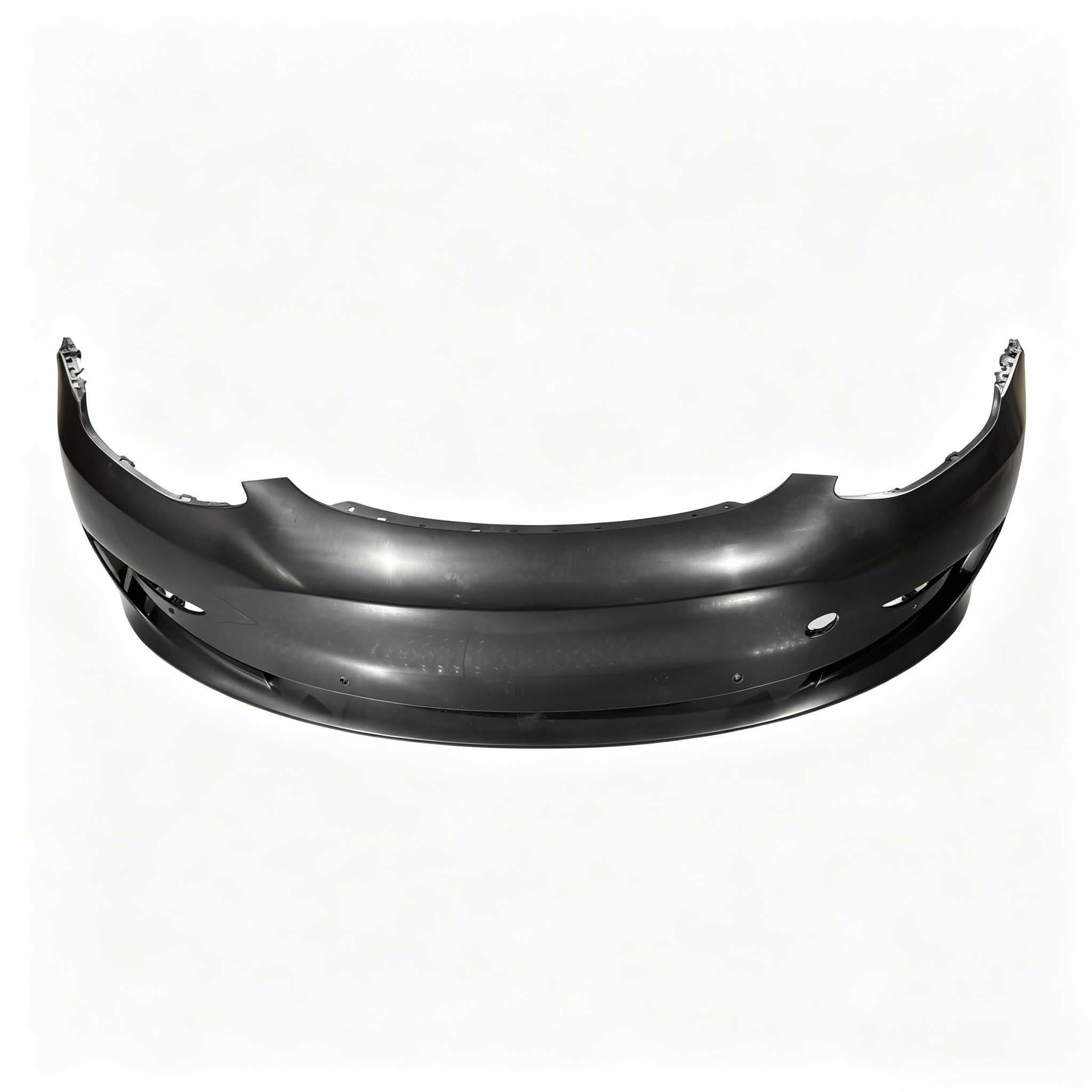
An automotive bumper serves as far more than a cosmetic element on your vehicle. The automotive bumper is engineered to absorb impact energy during collisions, protecting both the vehicle's structural frame and the occupants inside. Modern automotive bumper systems are designed with multiple layers of materials and strategic geometry to manage crash forces efficiently. Understanding why an automotive bumper is critical reveals the engineering sophistication behind vehicle safety standards that manufacturers invest in heavily.
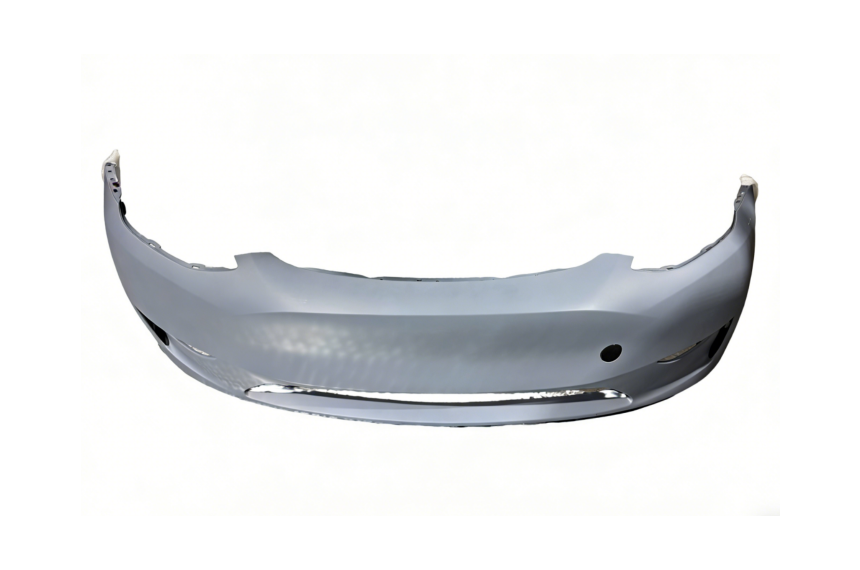
The automotive bumper performs critical safety functions that extend well beyond what many vehicle owners realize. When an automotive bumper absorbs collision force, it prevents that energy from transferring directly to the vehicle's chassis, occupant compartment, and the people inside. This protective mechanism has become increasingly important as traffic conditions evolve and collision scenarios become more complex. An automotive bumper that meets modern safety standards can significantly reduce injury risk and vehicle damage severity in real-world accident situations.
The Physics of Automotive Bumper Impact Absorption
Energy Dissipation Through Automotive Bumper Structure
Every automotive bumper is constructed with layers designed to absorb and distribute collision energy over time and distance. The outer cover of an automotive bumper is typically made from plastic or composite materials that flex under impact rather than crack immediately. Behind this cover sits a reinforcement bar, usually steel or aluminum, that provides structural rigidity and load-bearing capacity. When a collision occurs, the automotive bumper system works as an integrated unit, with each layer contributing to energy absorption. The polymeric foam or honeycomb structures inside the automotive bumper compress progressively, converting kinetic energy into heat over milliseconds. This staged energy absorption is what separates modern automotive bumper designs from rigid structures that would transfer full impact force to the vehicle frame.
Bumper Performance Standards and Testing
Regulatory bodies around the world mandate specific performance requirements for automotive bumper systems. The automotive bumper must withstand standardized low-speed barrier tests that simulate real-world parking lot collisions and minor accidents. These tests measure how much force is transmitted to the vehicle structure and occupant compartment after an automotive bumper impact. The automotive bumper is tested at various angles and speeds to ensure consistent performance across different collision scenarios. Engineers evaluate the automotive bumper's ability to return to its original shape after minor impacts, which preserves the vehicle's appearance and structural integrity. High-quality automotive bumper designs often exceed minimum regulatory standards, providing additional safety margins for occupants.
Structural Protection Beyond Occupant Safety
Protecting Vehicle Components Behind Automotive Bumper Coverage
Behind every automotive bumper lies valuable vehicle infrastructure that requires protection during collisions. The radiator, condenser, and cooling system components sit directly behind the automotive bumper and face significant damage risk in frontal impacts. The automotive bumper shields these critical systems from direct collision contact, reducing costly repairs and preventing catastrophic overheating situations. Additionally, the automotive bumper protects fuel system components, electrical lines, and sensor assemblies that modern vehicles depend on for operation. When an automotive bumper fails to absorb impact properly, these components suffer damage that can render the vehicle inoperable or unsafe. The automotive bumper essentially acts as the first line of defense for all mechanical and electrical systems housed in the front and rear ends of the vehicle.
Automotive Bumper Role in Frame and Chassis Integrity
The vehicle frame and chassis represent the structural skeleton that holds the entire vehicle together and protects occupants during crashes. A well-designed automotive bumper absorbs collision energy before it reaches the frame, preventing frame damage that compromises vehicle structural integrity. When the automotive bumper is inadequate or damaged, collision forces transfer directly to the frame, causing misalignment, cracking, or bending that affects vehicle handling and safety. Frame damage from poor automotive bumper performance can take months to repair and may never restore the vehicle to its original strength characteristics. Professional collision repair specialists prioritize restoring the automotive bumper to original specifications precisely because frame protection depends on proper automotive bumper function. The automotive bumper acts as a critical buffer zone between external collision forces and the vehicle's core structural system.
Real-World Safety Implications of Automotive Bumper Quality
Occupant Protection Through Automotive Bumper Effectiveness
Crash test data consistently demonstrates that vehicles equipped with automotive bumper systems meeting high safety standards experience significantly better outcomes in real collisions. When an automotive bumper absorbs impact energy effectively, the deceleration forces experienced by occupants remain within survivable ranges. Poor automotive bumper performance allows rapid acceleration of the vehicle's cabin, exposing occupants to dangerous g-forces that cause serious injuries. Modern automotive bumper designs work in coordination with airbags and seatbelt systems to create a comprehensive occupant protection environment. The automotive bumper represents the first stage of a multi-stage crash protection strategy that ultimately saves lives. Vehicles with damaged, undersized, or improperly functioning automotive bumper systems consistently show higher injury rates in comparable collision scenarios.
Economic and Insurance Implications of Automotive Bumper Standards
Insurance companies recognize the safety value of properly functioning automotive bumper systems and often factor bumper condition into premium calculations and claims assessments. A vehicle with a compromised or missing automotive bumper presents higher risk for catastrophic damage and occupant injury, which influences insurance rates and coverage terms. Repair costs escalate dramatically when an automotive bumper fails to prevent damage to underlying vehicle systems, making bumper maintenance economically important for vehicle owners. Fleet operators and commercial vehicle managers prioritize maintaining automotive bumper integrity because failures directly impact insurance costs and operational expenses. The automotive bumper's role in preventing expensive frame damage and component damage justifies investment in quality replacement parts and regular inspection protocols. Regulatory compliance with automotive bumper standards ensures that vehicles meet insurance requirements and maintain appropriate protection levels throughout their service lives.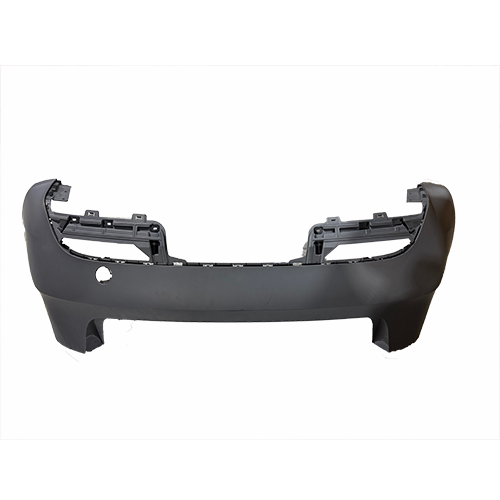
FAQ
Why does an automotive bumper need to be replaced after a collision?
An automotive bumper that has absorbed collision energy may be permanently deformed, cracked, or damaged in ways that prevent it from functioning during subsequent impacts. Even if an automotive bumper appears structurally sound after a collision, the internal energy-absorbing materials may be compressed and unable to provide the same protection level. Replacement ensures that the automotive bumper returns to factory specifications and maintains its engineered protective capabilities. Attempting to repair a significantly damaged automotive bumper rather than replacing it can result in compromised safety performance.
Can an automotive bumper be repaired instead of replaced after damage?
Minor cosmetic damage to an automotive bumper can sometimes be repaired through sanding, filling, and repainting without compromising function. However, structural damage to the reinforcement bar, compression damage to internal layers, or significant cracks in the automotive bumper typically require full replacement. Professional collision technicians evaluate the automotive bumper's damage extent and determine whether repair or replacement best serves the vehicle's safety and structural integrity. The cost-benefit analysis often favors automotive bumper replacement because repair labor may approach replacement costs while offering uncertain protective benefits.
How does automotive bumper design vary between vehicle types?
Automotive bumper design varies significantly based on vehicle weight, intended use, regulatory requirements, and crash scenarios the vehicle may encounter. Heavier vehicles like trucks and SUVs require more robust automotive bumper systems designed to handle greater collision forces and protect more critical components. Passenger cars often feature automotive bumper designs optimized for pedestrian safety and energy absorption efficiency. Electric vehicles may have automotive bumper designs with integrated cooling or sensor accommodation that differs from traditional automotive bumper architecture. Each automotive bumper type represents an engineering solution tailored to that specific vehicle platform's unique safety and performance requirements.