EN
EN



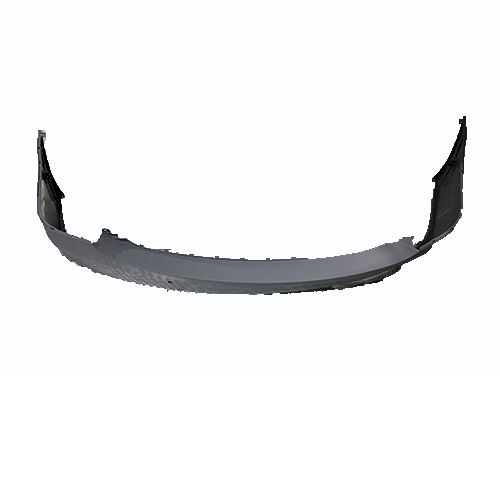
The automotive bumper serves as the first line of defense in minor collision events, yet its structural characteristics directly determine whether repair costs remain manageable or escalate significantly. After a minor collision, the extent of damage to your automotive bumper becomes the primary cost driver, influencing everything from labor time to material expenses. Understanding how an automotive bumper influences repair costs requires examining both its physical composition and functional integration within modern vehicle systems.
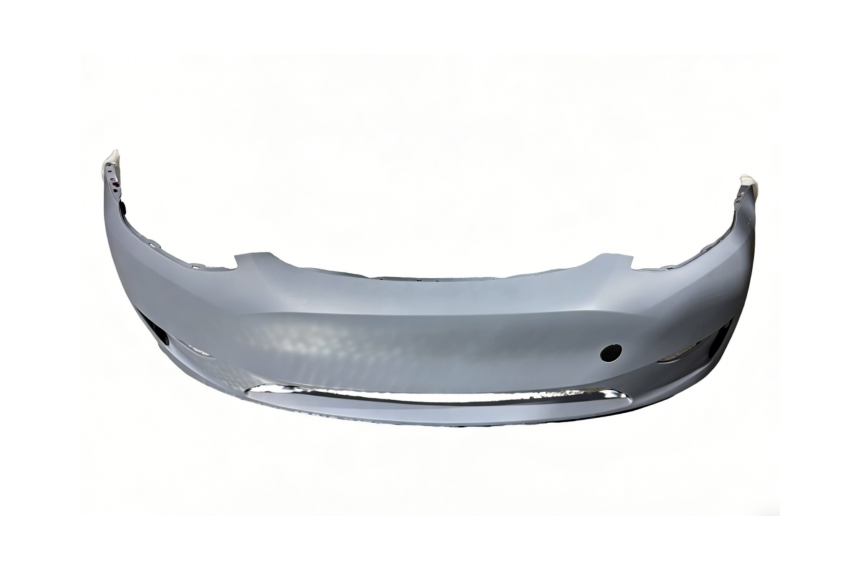
An automotive bumper comprises multiple layers including the outer cover, foam absorber, reinforcement bar, and sensor mounts. When collision impact occurs, each layer responds differently depending on force distribution and angle of impact. The automotive bumper's ability to absorb energy without transferring damage to the vehicle frame determines final repair expenses. Modern vehicles integrate electronic sensors, cameras, and radar systems into the automotive bumper assembly, adding complexity and cost considerations that did not exist in older vehicles.
How Automotive Bumper Material Composition Affects Repair Decisions
Plastic versus Metal Bumper Construction
Most contemporary vehicles use plastic composite materials for the automotive bumper cover, chosen for their light weight and cost efficiency during manufacturing. The automotive bumper's plastic outer layer can sustain scuffs, scratches, and minor cracks that often respond well to buffing, sanding, or localized repair rather than complete replacement. However, when an automotive bumper receives impact forceful enough to compromise the structural reinforcement bar beneath the plastic cover, repair scope expands dramatically, pushing costs upward. Fiberglass-reinforced composite bumpers used on some vehicles can sometimes be repaired through specialized welding or patching techniques, though these approaches require specialized technician training and equipment, adding labor costs to the repair bill.
Foam Absorber Integrity and Replacement Requirements
The foam absorber layer within an automotive bumper crushed or compressed during collision impact cannot be restored to original density or performance specification. Once damaged, an automotive bumper's foam layer must be replaced entirely to restore proper energy absorption in any subsequent collision, making this a non-negotiable component in comprehensive repairs. The automotive bumper foam replacement cannot be avoided through cosmetic touch-ups or partial repairs, meaning technicians must budget for complete foam layer replacement costs regardless of outer surface damage severity. Reinforcement bar straightening or replacement represents another significant cost category when an automotive bumper absorbs sufficient force to bend or crack this structural spine.
Sensor and Electronics Integration Within the Automotive Bumper
Cost Implications of Embedded Technology
Modern vehicles feature parking sensors, forward collision radar, or backup cameras mounted directly within or behind the automotive bumper. When an automotive bumper sustains collision damage, these integrated sensors frequently require recalibration, realignment, or complete replacement, adding hundreds of dollars to baseline repair costs. A simple cosmetic automotive bumper scuff becomes more expensive when technicians must verify sensor function, recalibrate radar alignment, or replace damaged backup camera housings. The automotive bumper's electronics integration means collision damage assessment now requires diagnostic scanning to identify hidden sensor damage not visible during initial inspection.
Diagnostic Scanning and Calibration Labor
After automotive bumper collision damage, repair shops must perform comprehensive diagnostic scanning to verify that embedded sensors sustained no electrical or alignment damage. This diagnostic process for the automotive bumper typically consumes one to three hours of technician labor, depending on vehicle model complexity and sensor configuration. Recalibrating the automotive bumper's radar or camera systems after replacement requires specialized equipment and technician certification, adding fixed labor costs regardless of visible damage severity. The automotive bumper repair estimate that fails to include diagnostic and calibration labor will likely result in surprise costs once repair work commences.
Minor Collision Impact Assessment and Repair Cost Variability
Determining Repair versus Replacement Economics
After a minor collision, repair professionals must evaluate whether the automotive bumper can be cosmetically restored or must be replaced entirely. Surface-level damage to an automotive bumper limited to paint and plastic cover scratches may cost two hundred to five hundred dollars for sanding, filling, and repainting. However, once an automotive bumper sustains structural deformation, internal foam compression, or reinforcement bar bending, replacement often becomes more economical than extensive repair labor. The automotive bumper replacement cost typically ranges from four hundred to one thousand dollars depending on vehicle make and model, plus eight to twelve hours of labor for removal and installation. For many minor collisions, replacement represents better value than attempting to restore a partially compromised automotive bumper that may fail to provide adequate protection in future impacts.
Insurance Coverage and Deductible Application
Insurance coverage for automotive bumper damage depends on policy type and collision circumstances, with comprehensive policies typically covering collision damage after meeting the deductible amount. The automotive bumper repair estimate influences whether the total damage claim justifies filing insurance or handling costs through out-of-pocket payment. When automotive bumper damage alone remains under the deductible threshold, owners may choose to absorb costs privately rather than trigger a claim that could increase future premiums. Comprehensive automotive bumper repair documentation including detailed damage assessment photographs helps ensure insurance processing accuracy and fair claim settlement.
FAQ
Can an automotive bumper be partially repaired instead of replaced?
Partial repairs to an automotive bumper are possible when damage remains limited to the outer plastic cover and foam layer, with the reinforcement bar remaining undamaged. Surface scratches and paint damage on the automotive bumper can be addressed through cosmetic restoration without full replacement. However, once an automotive bumper reinforcement bar bends or the foam layer crushes, replacement becomes necessary for structural integrity and safety performance. The decision to repair or replace an automotive bumper should consider whether the remaining structure can reliably protect the vehicle and passengers in future impacts.
How do embedded sensors in an automotive bumper increase repair costs?
Embedded sensors within an automotive bumper add significant cost through diagnostic scanning, recalibration, or replacement after collision damage. Each sensor integrated into the automotive bumper may require specialized equipment and certified technician expertise to verify function or realign after replacement. The diagnostic process for an automotive bumper with embedded technology can consume hours of labor not present in older vehicles without integrated sensors. This hidden cost component explains why seemingly minor automotive bumper damage often generates surprisingly high repair estimates on modern vehicles.
What factors determine the total cost to repair automotive bumper damage?
The total automotive bumper repair cost depends on damage severity, reinforcement bar condition, foam layer integrity, embedded sensor function, and labor rates at the chosen repair facility. An automotive bumper sustaining only paint damage may cost under five hundred dollars, while structural damage requiring sensor recalibration can easily exceed two thousand dollars. The specific vehicle model influences automotive bumper repair costs significantly, as luxury and specialty vehicles require manufacturer-specific components and specialized technician training. Getting detailed automotive bumper damage assessment and repair estimates from qualified shops ensures accurate cost understanding before proceeding with repairs.