EN
EN



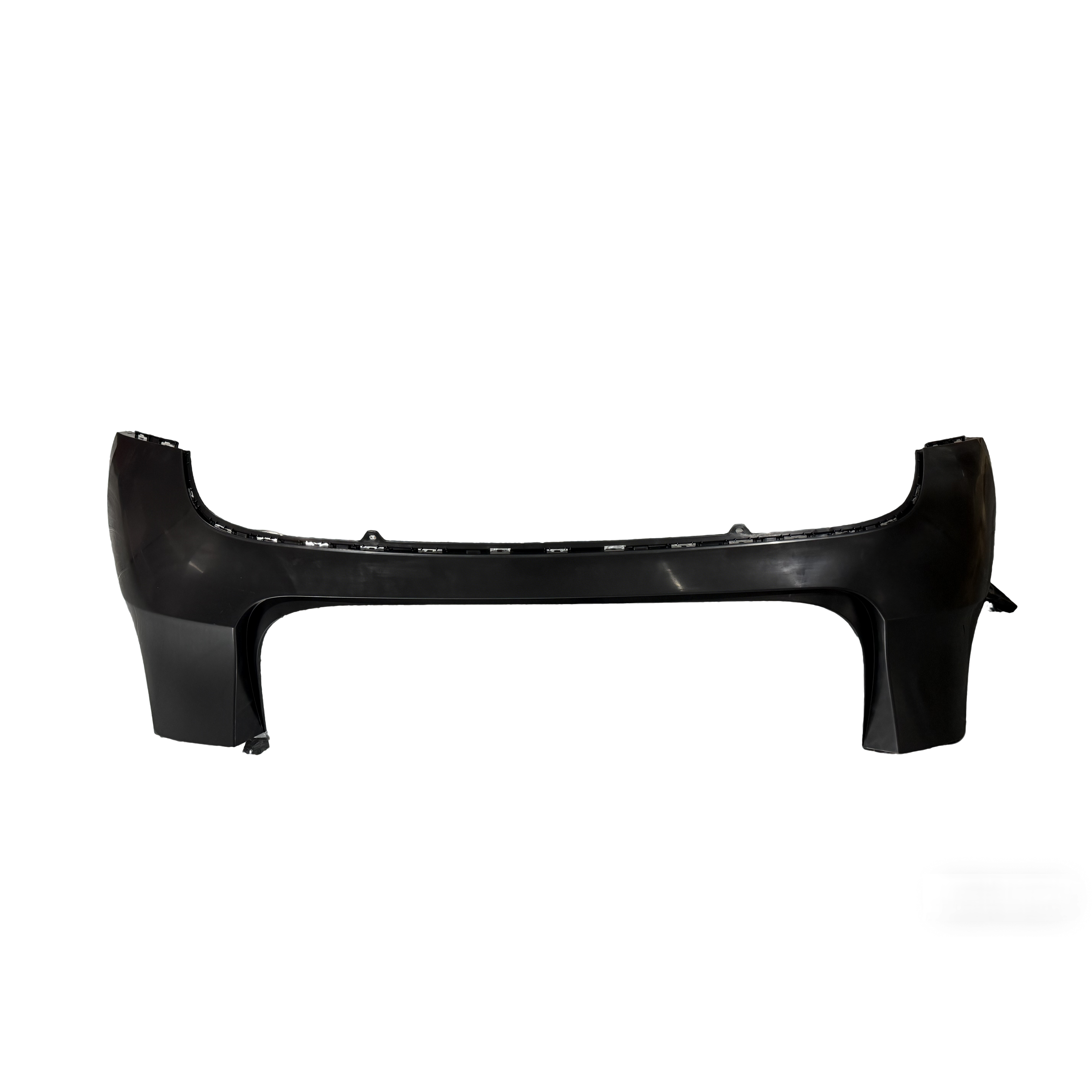
The automotive bumper represents far more than a cosmetic component on modern vehicles. It serves as a critical structural element designed to absorb and distribute impact forces during low-speed collisions, protecting both passengers and vehicle integrity. Understanding the automotive bumper's role in overall crashworthiness is essential for manufacturers, fleet managers, repair professionals, and vehicle owners who prioritize safety performance and long-term reliability.
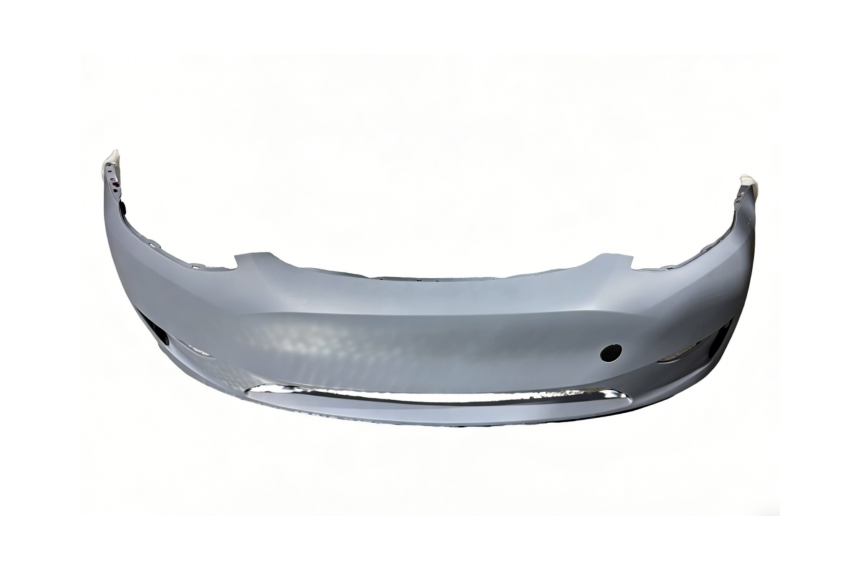
An automotive bumper functions as the vehicle's first line of defense in crash scenarios, absorbing kinetic energy and preventing or minimizing damage to critical components like the engine, radiator, and passenger cabin. The design and structural integrity of an automotive bumper directly influence how effectively a vehicle can withstand collisions, making it a fundamental consideration in overall crashworthiness ratings and safety standards.
Energy Absorption and Impact Mitigation
Primary Energy Dissipation Mechanism
The automotive bumper absorbs collision energy through specialized materials and structural configurations designed to deform in controlled patterns. When an automotive bumper contacts an obstacle at low to moderate speeds, its internal foam core and reinforcement structure compress progressively, extending the time over which impact forces are applied to the vehicle frame. This extended deceleration period significantly reduces peak force transmission to occupants, a principle that defines modern automotive bumper effectiveness in crashworthiness calculations.
Material Composition and Performance
Modern automotive bumper designs incorporate multi-layer material systems including thermoplastic covers, energy-absorbing foam, and rigid reinforcement beams. The automotive bumper's outer layer provides aesthetic appeal and weather resistance, while intermediate foam layers and backing structures work together to dissipate impact forces. Different automotive bumper materials exhibit varying energy absorption characteristics, with manufacturers selecting compositions based on target crashworthiness performance and regulatory compliance requirements specific to different vehicle classes.
Structural Protection and Occupant Safety
Frame and Undercarriage Defense
An automotive bumper protects underlying vehicle systems by absorbing impact before structural components experience damaging forces. The automotive bumper's reinforcement bar, typically steel or composite material, distributes loads across the frame attachment points rather than concentrating stress at single locations. This load distribution capability of the automotive bumper prevents frame misalignment, suspension damage, and drivetrain dislocation that could otherwise compromise vehicle structural integrity and passenger compartment protection.
Secondary Safety System Integration
The automotive bumper works in coordination with airbags, seatbelt systems, and crumple zones to create comprehensive crashworthiness protection. During higher-speed collisions, the automotive bumper's initial impact absorption buys critical milliseconds for supplemental restraint systems to deploy effectively. Advanced automotive bumper designs now incorporate sensor mounts for collision detection systems, allowing the automotive bumper to communicate impact severity to vehicle control modules and optimize occupant protection responses.
Regulatory Compliance and Performance Standards
Global Crashworthiness Benchmarks
Automotive bumper design must satisfy stringent regulatory standards established by organizations like the National Highway Traffic Safety Administration, European Union safety directives, and regional automotive authorities. These automotive bumper regulations specify minimum energy absorption requirements, impact test velocities, and allowable permanent deformation limits. Compliance with automotive bumper standards ensures that vehicles meet baseline crashworthiness performance expectations, protecting both occupants and other road users during collision events.
Testing and Validation Protocols
Manufacturers conduct rigorous testing on automotive bumper systems, including pendulum impact tests, vehicle-to-barrier collision simulations, and vehicle-to-vehicle crash scenarios. Each automotive bumper configuration undergoes validation to confirm it meets regulatory thresholds for energy absorption, residual force transmission, and permanent damage limitations. The automotive bumper testing data directly informs crashworthiness ratings and safety certifications that influence consumer purchasing decisions and fleet procurement specifications.
Real-World Collision Scenarios and Practical Implications
Low-Speed Collision Performance
In parking lot impacts and minor fender-benders, the automotive bumper typically performs its intended function, preventing or minimizing damage to vehicle systems and occupants. A well-designed automotive bumper absorbs parking collision forces without transmitting dangerous accelerations to vehicle occupants, reducing whiplash injuries and psychological trauma associated with even minor accidents. Insurance claim data consistently demonstrates that vehicles with properly maintained automotive bumper systems experience significantly lower repair costs and occupant injury rates in low-speed collision scenarios.
Repair and Maintenance Considerations
Maintaining automotive bumper integrity is crucial for preserving overall vehicle crashworthiness. Any damage to the automotive bumper should be professionally assessed and repaired using original equipment manufacturer specifications to ensure crash protection remains uncompromised. Aftermarket automotive bumper replacements must meet or exceed original specifications to maintain the vehicle's crashworthiness rating, making proper component selection essential for fleet managers and repair facilities responsible for accident recovery and restoration.
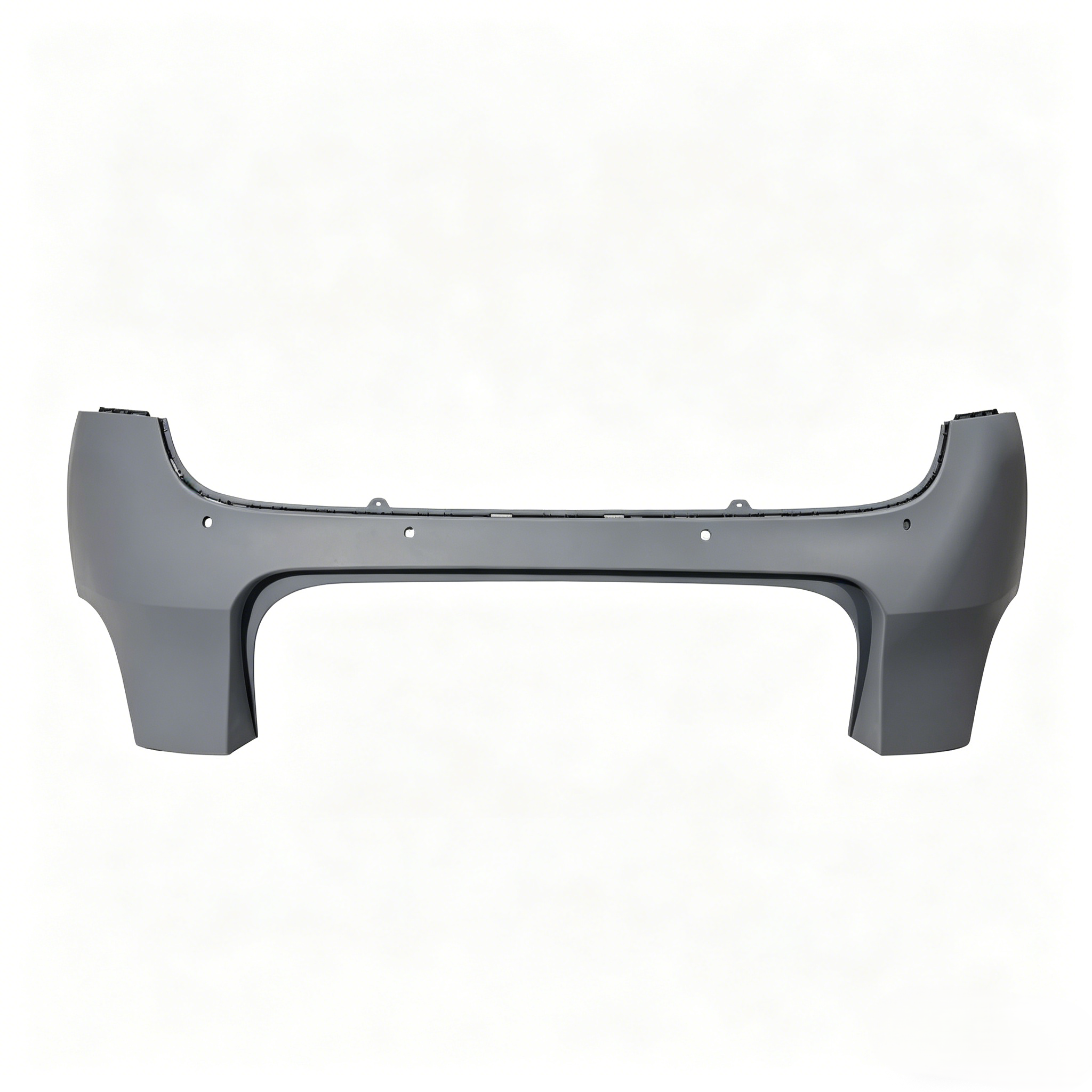
FAQ
Why is an automotive bumper essential for vehicle safety?
The automotive bumper serves as the primary defense against collision forces, absorbing impact energy and protecting critical vehicle components and occupants. By distributing and dissipating collision forces through specialized materials and structural design, the automotive bumper significantly reduces injury risk and vehicle damage in accident scenarios. Without a properly functioning automotive bumper, collision forces would transfer directly to the vehicle frame and occupant compartment, dramatically increasing injury severity and repair costs.
How does automotive bumper design affect crashworthiness ratings?
Automotive bumper performance is a measurable component of standardized crashworthiness testing protocols used by safety organizations worldwide. The automotive bumper's ability to absorb specific energy levels at defined impact velocities directly influences vehicle crash test scores and safety ratings that consumers rely upon. Advanced automotive bumper designs that exceed minimum regulatory requirements contribute to higher safety ratings, which positively impact vehicle market value and consumer confidence in the vehicle's protective capabilities.
What should you do if your automotive bumper is damaged?
If your automotive bumper shows signs of cracking, permanent deformation, or compression, professional inspection and replacement using original equipment manufacturer parts is recommended to restore full crashworthiness protection. A compromised automotive bumper cannot reliably absorb collision forces as designed, potentially reducing occupant safety in future accidents. Repair facilities should verify that replacement automotive bumper components match original specifications, including material composition, reinforcement structure, and attachment mechanisms to maintain crash protection integrity.