EN
EN



Night driving presents significant challenges for vehicle operators, with reduced visibility being the primary safety concern that affects millions of drivers worldwide. The design of automotive headlight systems plays a crucial role in determining how effectively drivers can navigate roads after sunset, identify potential hazards, and respond to changing traffic conditions. Modern headlight engineering has evolved dramatically from simple sealed-beam units to sophisticated optical systems that integrate advanced reflector geometries, precision lens optics, and intelligent beam control technologies. Understanding how specific design elements within headlight assemblies contribute to improved visibility helps drivers, fleet managers, and automotive professionals make informed decisions about vehicle lighting upgrades and maintenance protocols.
The fundamental purpose of any headlight system extends beyond simply illuminating the road ahead—it must create a controlled light distribution pattern that maximizes forward visibility while minimizing glare for oncoming traffic. This delicate balance requires precise engineering of multiple components working in harmony, including the light source itself, reflector surfaces, lens configurations, and housing designs. Each design element directly impacts how light is projected, shaped, and directed onto the roadway, ultimately determining whether drivers can detect pedestrians, animals, road debris, and other vehicles with sufficient time to react safely. As lighting technology continues advancing with LED and adaptive systems, the relationship between headlight design and nighttime visibility becomes increasingly sophisticated and measurable.
Optical Engineering Fundamentals That Enhance Night Vision
Reflector Geometry and Light Distribution Control
The reflector component within a headlight assembly serves as the primary mechanism for directing light emitted from the bulb or LED source toward the roadway in a controlled pattern. Modern reflector designs utilize complex mathematical curves and multi-faceted surfaces that precisely angle light rays to create the desired beam pattern. Advanced headlight reflectors incorporate computer-designed free-form surfaces that can direct different portions of the light output to specific zones within the beam pattern, ensuring adequate illumination of both near-field areas directly in front of the vehicle and far-field regions extending hundreds of feet ahead. This sophisticated geometry prevents wasted light that would scatter ineffectively into the sky or toward oncoming drivers.
The shape and surface treatment of reflector elements directly determine how efficiently a headlight converts the raw light output from its source into useful illumination on the road surface. High-performance headlight assemblies employ reflectors with optimized parabolic or elliptical profiles that capture the maximum amount of light and redirect it forward with minimal loss. The reflective coating applied to these surfaces, typically aluminum or silver vapor deposition, must maintain high reflectivity across the visible spectrum while resisting degradation from heat and environmental exposure. When reflector geometry is precisely engineered, drivers experience improved depth perception during night driving because the light distribution creates clear visual contrast between road surfaces, lane markings, and surrounding environments.
Lens Design and Beam Pattern Shaping
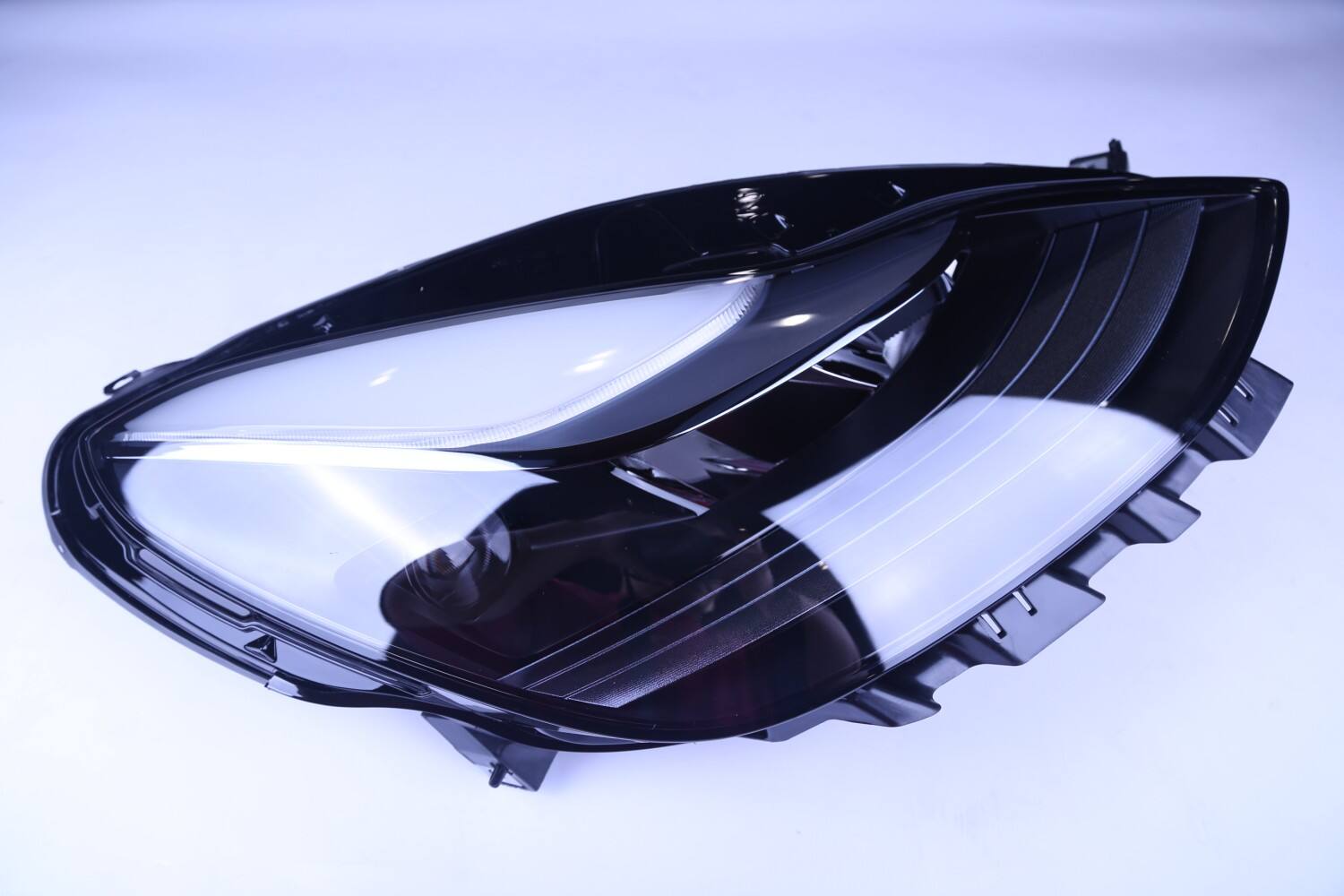
The outer lens component of a headlight assembly performs critical functions beyond simply protecting internal components from weather and debris. Lens optics incorporate precisely molded patterns, prisms, and diffusion elements that further refine the light distribution created by the reflector system. Modern headlight lenses use computer-optimized pillow optics and directional prisms that spread light horizontally to illuminate road edges while controlling vertical spread to prevent upward light waste. These optical features work in coordination with reflector geometry to create the sharp cutoff line required in low-beam patterns, which allows maximum forward illumination without causing glare for oncoming traffic.
Clear lens designs that rely primarily on reflector optics for beam shaping have become increasingly common in contemporary headlight engineering, offering advantages in light transmission efficiency and aesthetic flexibility. However, even clear lens assemblies incorporate subtle optical features molded into the polycarbonate material that fine-tune beam edges and eliminate hot spots within the light pattern. The lens material itself affects visibility performance, with high-quality polycarbonate formulations offering superior UV resistance that prevents the yellowing and hazing that degrades light output over time. A well-designed headlight lens maintains optical clarity throughout its service life, ensuring consistent visibility performance even after years of exposure to road debris impacts and environmental weathering.
Housing Architecture and Heat Management
The housing structure that contains all headlight components serves functions that extend well beyond mechanical mounting, with thermal management being particularly critical for maintaining optimal light output and component longevity. LED headlight systems generate significant heat that must be effectively dissipated to prevent performance degradation and premature failure. Advanced headlight housing designs incorporate integrated heat sinks, ventilation channels, and thermally conductive materials that transfer heat away from sensitive electronic components and light sources. Proper thermal engineering within the headlight housing ensures that light output remains stable across varying ambient temperatures and extended operation periods.
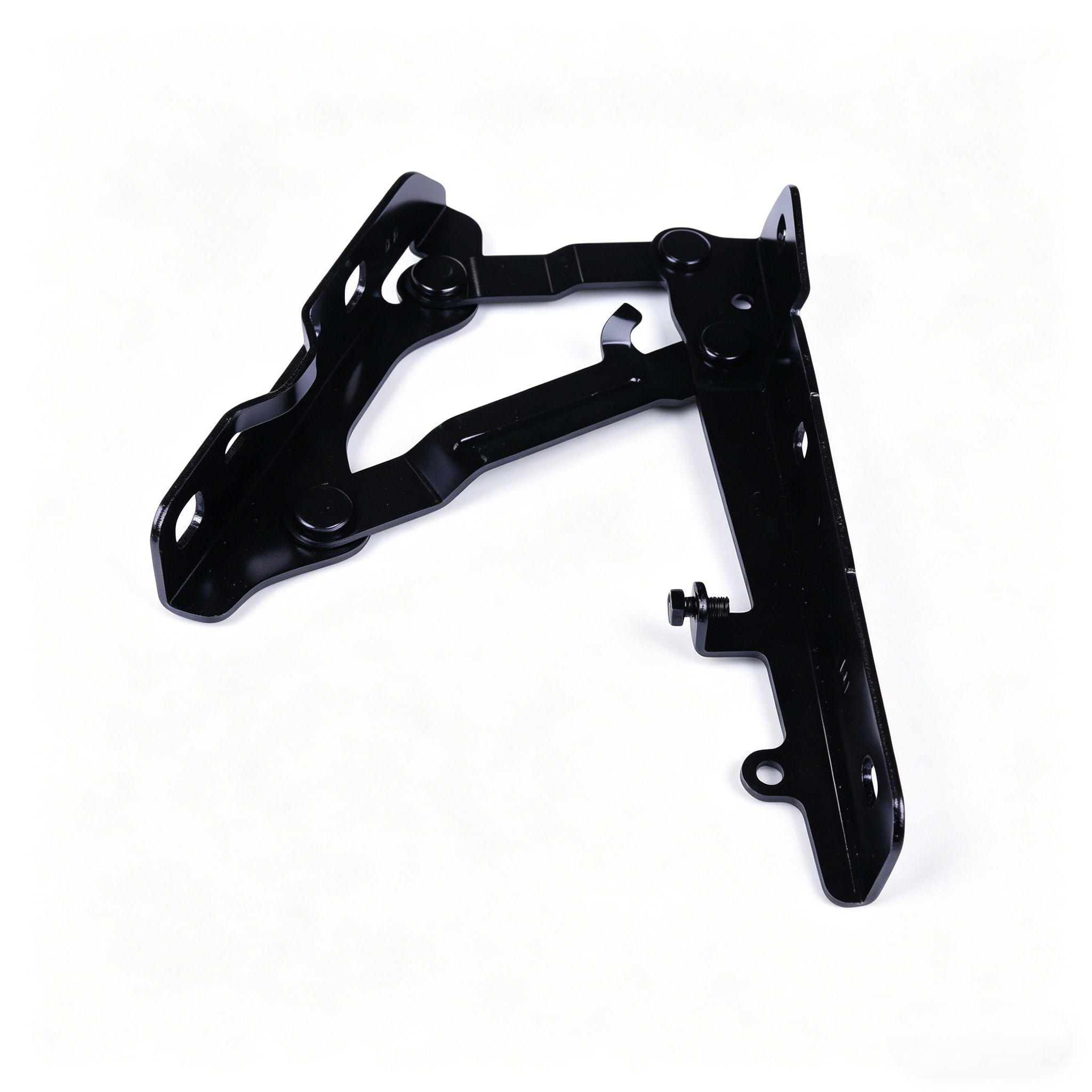
Housing design also influences how effectively a headlight maintains proper aim and alignment throughout its service life, which directly impacts nighttime visibility safety. Rigid housing structures with precisely engineered mounting points resist the vibration and impact forces that can cause headlight misalignment over time. When headlight assemblies lose proper aim, even high-quality optical systems fail to deliver their intended beam patterns, resulting in reduced forward visibility or increased glare for other drivers. Premium headlight designs incorporate adjustment mechanisms with fine-pitch threads and locking features that maintain alignment settings even under demanding operating conditions encountered in daily driving.
Advanced Light Source Technologies and Visibility Enhancement
LED Technology and Intensity Distribution
Light-emitting diode technology has fundamentally transformed headlight design capabilities by providing compact, high-intensity light sources with precise control characteristics that were impossible with traditional halogen bulbs. LED headlight systems can generate significantly higher luminous output within smaller physical packages, allowing optical designers to create more sophisticated reflector and lens geometries that improve light distribution. The directional nature of LED light emission enables more efficient optical systems with less wasted light, as the majority of photons can be captured by reflector surfaces and directed toward the roadway rather than requiring complex redirection of omnidirectional bulb output.
Modern LED headlight designs utilize multiple individual emitters positioned at specific locations within the reflector cavity, with each LED serving a distinct function within the overall beam pattern. This multi-element approach allows independent optimization of different beam zones, such as having dedicated LEDs for foreground illumination near the vehicle, separate emitters for distance projection, and additional elements that enhance peripheral visibility at road edges. The instantaneous response time of LED technology also enables dynamic beam control features that can adapt light distribution in real-time based on steering input, vehicle speed, and detected traffic conditions. These capabilities result in substantially improved visibility during night driving compared to conventional headlight technologies.
Color Temperature and Visual Perception
The color temperature of light emitted by a headlight system significantly affects human visual perception and the ability to detect objects during nighttime driving conditions. Modern headlight designs typically produce light in the range of 5000 to 6500 Kelvin, which corresponds to a neutral white to slightly cool white appearance that closely approximates natural daylight. This color temperature range offers advantages for nighttime visibility because the human eye's photopic vision system, which operates under higher light levels, is most sensitive to wavelengths prevalent in daylight-spectrum illumination. Headlight systems designed with appropriate color temperature enable better color discrimination and contrast perception compared to the yellowish light produced by traditional halogen bulbs.
The spectral characteristics of headlight output also affect how well road surfaces, lane markings, and traffic signs reflect light back toward the driver. Pavement materials and retroreflective signage are specifically engineered to work optimally with certain wavelength ranges, and headlight designs that produce full-spectrum white light ensure maximum effectiveness of these passive safety features. However, color temperature must be carefully balanced, as excessively cool or blue-tinted light can reduce penetration through fog, rain, and snow while potentially causing increased glare perception for other road users. Well-engineered headlight systems select color temperature values that optimize the trade-offs between contrast perception, material reflectivity, and adverse weather performance.
Beam Pattern Optimization for Different Driving Scenarios
Effective headlight design recognizes that nighttime driving encompasses diverse scenarios requiring different illumination characteristics, from high-speed highway travel to urban navigation and rural road conditions. The beam pattern projected by a headlight assembly must provide adequate illumination distance for the vehicle's potential travel speed while also ensuring sufficient width coverage to detect pedestrians, animals, or objects approaching from the roadside. Low-beam patterns are specifically designed with an asymmetric distribution that provides extended reach on the passenger side of the road where potential hazards may appear, while maintaining a lower cutoff on the driver side to minimize glare for oncoming traffic.
High-beam patterns in well-designed headlight systems provide dramatically increased forward illumination distance, often exceeding 500 feet of effective visibility range that enables safe operation at highway speeds during nighttime conditions. The transition between low-beam and high-beam modes should deliver substantial performance differences that justify the beam selection, with high-beam activation providing both increased intensity and expanded coverage area. Advanced headlight designs increasingly incorporate adaptive beam functions that can selectively shape the light pattern by masking specific zones where oncoming or preceding vehicles are detected, maintaining maximum forward illumination while preventing glare. These intelligent beam control systems represent the evolution of headlight design toward actively managed visibility optimization rather than static beam patterns.
Glare Control Mechanisms and Visibility Safety
Cutoff Line Engineering and Vertical Light Control
One of the most critical aspects of headlight design that affects both driver visibility and safety for other road users is the creation of a sharp, properly positioned cutoff line in the low-beam pattern. This cutoff represents the upper boundary of the main beam intensity and prevents excessive upward light projection that would cause glare for drivers in oncoming vehicles. Well-engineered headlight assemblies create cutoff lines with precise angular positioning, typically placing the horizontal portion at approximately 0.5 to 1.0 degrees below horizontal when the vehicle is properly loaded. This geometric relationship ensures maximum forward visibility while maintaining the cutoff below the eye level of drivers in approaching vehicles.
The sharpness of the cutoff line transition significantly impacts both visibility performance and glare control effectiveness. High-quality headlight designs produce cutoff lines with rapid intensity gradients, where light levels drop dramatically within a very small angular range above the cutoff boundary. This sharp transition allows positioning the intense main beam as high as possible for maximum distance visibility without causing glare above the cutoff line. Advanced optical systems achieve sharp cutoffs through precise coordination between reflector design, shield positioning, and lens optics, with manufacturing tolerances measured in fractions of millimeters to ensure consistent performance across production volumes. When headlight cutoff lines are properly engineered and maintained, drivers can use their low beams confidently even on roads with frequent oncoming traffic.
Lateral Distribution and Side Glare Prevention
Beyond vertical glare control, effective headlight design must also manage lateral light distribution to prevent excessive illumination beyond the road boundaries that could affect drivers in adjacent lanes or on perpendicular streets. The beam pattern width in well-designed headlight systems provides adequate peripheral visibility for detecting roadside hazards while avoiding wasteful light projection into areas where it serves no visibility function. This lateral control is particularly important in urban environments where excessive headlight spread can create uncomfortable glare for pedestrians on sidewalks or drivers waiting at intersections perpendicular to the main road.
Modern headlight assemblies incorporate specific optical features that shape the lateral edges of the beam pattern with controlled intensity gradients, preventing harsh transitions that create visual discomfort while maintaining adequate road-edge illumination. The asymmetric low-beam pattern common in contemporary headlight designs naturally reduces lateral spread on the driver side where oncoming traffic is typically encountered, while allowing somewhat greater spread on the passenger side where additional width improves hazard detection. This lateral shaping requires sophisticated reflector design with zone-specific surface contours that independently control light distribution in different horizontal sectors of the beam pattern.
Adaptive Technologies and Dynamic Glare Management
The most advanced headlight systems incorporate adaptive technologies that actively manage glare by detecting other vehicles and selectively modifying the beam pattern to exclude these areas from high-intensity illumination. These adaptive driving beam systems use camera sensors to identify the position and distance of other vehicles, then employ mechanical shields, LCD matrices, or individually controllable LED arrays to create shadow zones that prevent glare while maintaining maximum illumination in all other areas. This technology represents a fundamental advancement in headlight design philosophy, shifting from static beam patterns to dynamic visibility optimization that responds in real-time to changing traffic conditions.
Implementation of adaptive beam control requires integration between the headlight hardware and vehicle electronic systems, with processing algorithms that determine appropriate masking patterns based on detected vehicle positions, speeds, and trajectories. High-performance headlight assemblies designed for adaptive functionality incorporate precise mechanical actuators or matrix-array light sources capable of rapid response to control commands. The result is nighttime visibility that approaches high-beam performance levels even in situations where traditional systems would require low-beam operation, substantially improving driver ability to detect hazards at increased distances during night driving conditions. As these technologies mature and production costs decline, adaptive beam control is becoming increasingly common in modern headlight design across various vehicle segments.
Environmental Durability and Long-Term Visibility Performance
Material Selection and Weather Resistance
The materials used in headlight construction directly affect how well the assembly maintains its optical performance throughout years of exposure to harsh environmental conditions. Lens materials must resist UV degradation that causes yellowing and hazing, which progressively reduces light transmission and degrades beam pattern quality. Premium headlight designs utilize specially formulated polycarbonate materials with integrated UV stabilizers and hard-coat surface treatments that prevent deterioration even after extended exposure to intense sunlight. These advanced materials maintain greater than 90% light transmission even after thousands of hours of UV exposure, ensuring consistent visibility performance throughout the headlight's service life.
Housing materials and sealing systems must prevent moisture intrusion that can cause internal condensation, corrode reflective surfaces, and promote electrical connection failures in LED or HID systems. Well-engineered headlight assemblies incorporate multi-stage sealing with gaskets, adhesives, and breather vents that allow pressure equalization while blocking moisture ingress. The reflector substrate material and coating process significantly impact long-term performance, with vacuum-deposited aluminum or silver coatings on thermally stable substrates providing superior reflectivity retention compared to painted or plated surfaces. These material choices ensure that headlight visibility performance remains stable rather than gradually degrading as components age and weathering accumulates.
Impact Resistance and Structural Integrity
Headlight assemblies must withstand significant mechanical stresses during normal vehicle operation, including vibration from road irregularities, thermal cycling from temperature variations, and occasional impacts from road debris. The structural design of the headlight housing affects how effectively these stresses are managed without causing optical misalignment or component damage that would degrade visibility performance. High-quality headlight engineering incorporates reinforced mounting points, flexible lens attachment methods, and shock-absorbing features that maintain optical alignment even when subjected to impacts that would damage lesser designs. This structural integrity ensures that beam patterns remain properly aimed and shaped throughout the vehicle's operational lifetime.
Lens impact resistance is particularly critical for maintaining nighttime visibility, as even minor cracks or chips can scatter light inappropriately and create distracting glare patterns within the driver's field of view. Modern headlight lenses typically meet stringent impact testing standards that verify their ability to resist stone impacts at highway speeds without shattering or developing significant damage. The polycarbonate materials used in contemporary headlight construction offer substantial advantages over the glass lenses used in older designs, providing superior impact resistance with lower weight. When headlight assemblies maintain their structural integrity over time, drivers benefit from consistent visibility performance rather than the gradual degradation that occurs when components shift, crack, or become misaligned due to inadequate structural design.
Maintenance Accessibility and Performance Restoration
Practical headlight design considers the maintenance requirements necessary to preserve optimal visibility performance throughout the vehicle's service life. Assemblies designed with accessible bulb or LED module replacement provisions enable straightforward restoration of light output when components reach end-of-life, avoiding the expense of complete headlight replacement. However, sealed LED headlight designs that integrate light sources into the assembly offer advantages in optical performance and reliability, even though they require complete unit replacement when LED modules eventually fail after tens of thousands of operating hours. The design approach must balance initial performance optimization against long-term service requirements and ownership costs.
Lens restoration and cleaning accessibility also affects how well headlight assemblies maintain visibility performance. Designs that incorporate removable lenses or accessible internal surfaces allow thorough cleaning when contamination accumulates, though modern sealed assemblies with premium materials typically require less frequent service. Some headlight designs include integrated lens washing systems that automatically spray cleaning solution and remove road film that accumulates during driving, maintaining consistent light transmission without requiring manual intervention. These maintenance considerations form part of the overall design strategy that determines whether a headlight assembly continues delivering excellent nighttime visibility throughout its intended service life or suffers progressive performance degradation that compromises safety.
FAQ
What specific headlight design features have the greatest impact on nighttime visibility distance?
The reflector geometry and light source intensity are the primary design factors determining how far ahead a headlight effectively illuminates during night driving. Advanced reflector designs with optimized parabolic or elliptical profiles focus light into a concentrated beam that extends visibility distance substantially beyond what simpler reflector shapes achieve. High-intensity LED or HID light sources provide the raw output necessary to illuminate distant objects, but without proper optical design to shape and direct this output, much of the light is wasted. The combination of high-output light sources with precision-engineered reflectors and lenses creates the extended visibility distances that characterize premium headlight systems, often exceeding 300 feet of effective range in low-beam mode and 500 feet or more when using high beams.
How does headlight color temperature selection affect driver visibility during different weather conditions?
Color temperature selection involves important trade-offs between clear-weather visibility and performance during fog, rain, or snow conditions. Neutral white light in the 5000-6000 Kelvin range provides excellent contrast perception and object detection during clear nighttime conditions because it matches the spectral response characteristics of human vision. However, this higher color temperature includes more blue wavelengths that scatter more readily in water droplets and atmospheric particles, potentially reducing penetration distance during adverse weather. Slightly warmer color temperatures around 4000-4500 Kelvin offer better fog and rain penetration because longer wavelengths scatter less, though they sacrifice some of the contrast advantages provided by daylight-spectrum illumination. Well-designed headlight systems select color temperatures that optimize overall performance across the full range of conditions drivers typically encounter, generally favoring the 5000-6000 Kelvin range for its superior clear-weather visibility while accepting modest adverse-weather trade-offs.
Why do some headlight assemblies maintain consistent performance while others degrade noticeably over time?
The durability of materials used in headlight construction and the quality of sealing systems determine whether visibility performance remains stable throughout the assembly's service life. Premium headlight designs utilize UV-stabilized polycarbonate lenses with hard-coat surface treatments that resist yellowing, hazing, and abrasion that progressively reduce light transmission in lower-quality assemblies. The reflector coating process and substrate material affect whether reflective surfaces maintain high efficiency or gradually corrode and tarnish. Effective moisture sealing prevents internal condensation that degrades reflector surfaces and creates light-scattering water droplets. Headlight assemblies engineered with high-quality materials and robust sealing maintain their optical performance for many years, while cheaper designs with inferior materials and inadequate environmental protection suffer visible degradation that reduces nighttime visibility and may eventually require complete assembly replacement to restore proper lighting function.
How does proper headlight aim affect nighttime visibility and safety for all road users?
Correct headlight aiming is essential for achieving the intended beam pattern that balances driver visibility with glare prevention for other road users. Even premium headlight assemblies with sophisticated optical designs fail to deliver their performance potential when improperly aimed, either pointing too low and reducing forward visibility distance or aimed too high and causing excessive glare. The vertical aim specification typically positions the beam pattern so the brightest zone illuminates the road surface at an optimal distance ahead while keeping the cutoff line below the eye level of drivers in oncoming vehicles. Lateral aim ensures the asymmetric beam pattern correctly positions the extended reach on the passenger side rather than projecting toward oncoming traffic. Professional headlight aiming using optical alignment equipment or properly calibrated aiming screens ensures that beam patterns meet design specifications, maximizing nighttime visibility while maintaining safety and courtesy for other drivers sharing the roadway.
Table of Contents
- Optical Engineering Fundamentals That Enhance Night Vision
- Advanced Light Source Technologies and Visibility Enhancement
- Glare Control Mechanisms and Visibility Safety
- Environmental Durability and Long-Term Visibility Performance
-
FAQ
- What specific headlight design features have the greatest impact on nighttime visibility distance?
- How does headlight color temperature selection affect driver visibility during different weather conditions?
- Why do some headlight assemblies maintain consistent performance while others degrade noticeably over time?
- How does proper headlight aim affect nighttime visibility and safety for all road users?