EN
EN



The headlight beam pattern serves as one of the most critical yet frequently overlooked elements in automotive safety engineering. While drivers often focus on headlight brightness or aesthetic design, the geometric distribution of light projected onto the road surface determines whether a vehicle can navigate safely through darkness, adverse weather, and complex traffic environments. A properly engineered beam pattern balances forward illumination with lateral coverage while preventing glare that endangers other road users, making it a foundational component of both active safety systems and regulatory compliance frameworks across global markets.
Understanding why beam pattern design carries such profound implications requires examining the intersection of human vision physiology, traffic dynamics, regulatory standards, and optical engineering principles. Modern automotive lighting systems must address competing demands: providing sufficient illumination for high-speed driving, enabling peripheral hazard detection, minimizing visual impairment to oncoming traffic, and maintaining performance across varied environmental conditions. These requirements explain why even minor deviations in headlight beam geometry can dramatically affect accident rates, driver fatigue, and overall traffic safety outcomes in both urban and highway scenarios.
The Fundamental Role of Beam Pattern in Visual Performance and Hazard Recognition
How Controlled Light Distribution Enhances Forward Visibility Distance
The primary function of any automotive headlight system centers on projecting usable illumination across sufficient distance to enable timely hazard recognition and response. Beam pattern geometry determines how luminous intensity distributes across the road surface, with properly designed patterns concentrating light in the central driving corridor while extending coverage to anticipated hazard zones. Research in automotive photometry demonstrates that drivers require minimum illumination levels of three to five lux at distances corresponding to stopping sight distance for their travel speed, which typically ranges from 100 to 300 meters depending on velocity and road conditions.
A well-engineered headlight beam pattern achieves this performance through precise optical control that creates an asymmetric distribution favoring the driver's side of the road. This asymmetry allows greater illumination distance on the roadside where pedestrians, cyclists, and roadway obstacles typically appear while limiting upward projection that would blind oncoming drivers. The pattern must maintain consistent intensity across the illuminated zone rather than creating bright spots or dark gaps that force the eye to constantly readjust, which increases cognitive load and accelerates visual fatigue during extended nighttime driving.
Peripheral Illumination and the Detection of Lateral Hazards
Beyond forward throw distance, effective headlight beam patterns must provide adequate lateral spread to capture hazards entering the travel path from roadside positions. Human peripheral vision operates through rod cells that detect motion and low-contrast objects but require minimum illumination thresholds to function effectively in scotopic conditions. A beam pattern with insufficient lateral coverage forces drivers to rely exclusively on central vision, dramatically reducing their ability to detect pedestrians, animals, or vehicles emerging from side streets or driveways until these hazards enter the direct forward beam.
Studies of nighttime accident patterns consistently demonstrate that collision risk increases significantly when headlight beam width falls below minimum recommended values at key distances. At 50 meters ahead—a critical decision point for most urban driving scenarios—beam patterns should provide usable illumination across at least eight to ten meters of lateral width to encompass adjacent lanes and immediate roadside zones. This lateral coverage becomes particularly crucial at intersections, curves, and areas with frequent pedestrian activity where hazards may approach from angles outside the primary forward beam axis.
The Relationship Between Beam Cutoff Geometry and Glare Control
Perhaps the most critical aspect of headlight beam pattern design involves the sharp cutoff line that prevents upward light projection into the eyes of oncoming drivers. This horizontal demarcation, typically positioned at or slightly below the horizontal plane of the headlight assembly, represents a fundamental compromise in lighting design: maximizing forward illumination while minimizing disability glare that impairs other road users. The cutoff must exhibit sufficient sharpness to create a distinct transition between illuminated and dark zones, yet cannot be so abrupt that it creates distracting visual artifacts or reduces visibility immediately beyond the cutoff line.
International lighting regulations specify precise cutoff geometry requirements that vary by region but share common principles. ECE regulations mandate an asymmetric cutoff with a 15-degree upward step on the passenger side to illuminate road signs and overhead structures while maintaining a horizontal cutoff on the driver side to protect oncoming traffic. This specific geometry directly addresses the dual requirements of sign visibility and glare reduction, demonstrating how beam pattern engineering must balance multiple competing functional demands. When headlight assemblies fail to maintain proper cutoff geometry due to misadjustment, wear, or substandard manufacturing, the resulting glare can reduce oncoming driver visibility by 30 to 50 percent, effectively creating dangerous blind spots that persist for several seconds after exposure.
The Engineering Physics Behind Effective Beam Pattern Design
Optical Components and Their Influence on Light Distribution
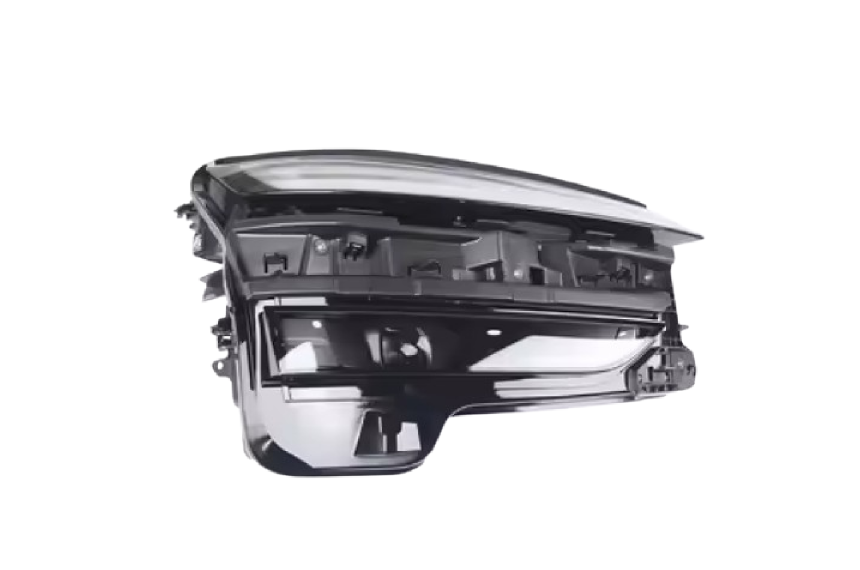
Modern headlight assemblies employ sophisticated optical systems that transform point-source or near-point-source illumination from bulbs or LED arrays into controlled beam patterns through carefully designed reflector geometries, lens elements, and projection optics. Reflector-based headlight systems utilize parabolic or complex freeform surfaces that redirect light through geometric reflection, with surface segments calculated to direct specific portions of the light source output toward designated zones within the target beam pattern. These multi-surface reflectors can incorporate dozens of distinct geometric regions, each optimized to fill particular areas of the illumination pattern while maintaining overall pattern uniformity.
Projector-style headlight assemblies achieve beam pattern control through a different optical approach, using an elliptical reflector to focus light through a shield or cutoff plate positioned at the focal point, then projecting this shaped light through a converging lens that forms the final beam pattern. This architecture enables extremely sharp cutoff lines and precise pattern control but requires careful alignment of all optical elements to maintain design performance. LED headlight systems introduce additional complexity through their multi-point light sources, requiring either complex reflector designs that address each LED individually or sophisticated projection optics that homogenize multiple LED outputs into a coherent beam pattern with controlled distribution characteristics.
The Impact of Light Source Characteristics on Pattern Quality
The physical characteristics of the light source itself profoundly influence the quality and precision of the resulting beam pattern. Traditional halogen bulbs approximate point sources with filament dimensions of approximately three to five millimeters, allowing reflector and projection systems to achieve relatively sharp beam edges and controlled distribution. LED sources, while offering superior efficiency and longevity, present challenges due to their extended source dimensions and non-uniform intensity distribution across the emitting surface, requiring more complex optical designs to achieve equivalent pattern control.
Color temperature and spectral distribution also affect perceived beam pattern performance even when geometric light distribution remains constant. Headlight sources with color temperatures between 4,000 and 6,000 Kelvin typically provide optimal visibility because this range approximates daylight spectral characteristics, enhancing contrast perception and reducing eye strain compared to warmer or cooler alternatives. However, excessively cool color temperatures above 6,500 Kelvin can create uncomfortable glare perception even when geometric beam pattern remains within regulatory limits, demonstrating how photometric and colorimetric factors interact to determine overall lighting effectiveness and safety impact.
Environmental Factors and Beam Pattern Performance Degradation
Even properly designed headlight systems experience beam pattern degradation over their service life due to environmental exposure and component aging. Lens hazing caused by ultraviolet exposure, thermal cycling, and chemical contamination progressively scatters light, softening sharp cutoff lines and reducing forward intensity while increasing stray light that contributes to glare. Reflector oxidation and coating degradation similarly compromise pattern control by altering surface reflectivity characteristics and introducing non-uniform reflection that creates dark spots or uneven intensity distribution within the intended beam pattern.
Moisture ingress represents another significant degradation mechanism, creating condensation on internal optical surfaces that scatters light and dramatically reduces pattern definition. Advanced headlight designs incorporate breather systems and desiccant materials to manage internal humidity, but seal degradation over time allows progressive moisture accumulation that eventually compromises optical performance. These aging effects explain why headlight maintenance and periodic replacement constitute critical safety practices, as degraded beam patterns may still provide subjectively adequate illumination to the driver while creating dangerous glare for other road users or failing to meet regulatory minimum intensity requirements at specified test points.
Regulatory Frameworks and Their Influence on Safety-Critical Beam Characteristics
International Standards for Photometric Performance
Global automotive lighting regulations establish detailed photometric requirements that define acceptable headlight beam patterns through minimum and maximum intensity values measured at specific angular positions relative to the headlight axis. The ECE R112 regulation governing headlight systems in Europe and many other markets specifies over 30 distinct test points where luminous intensity must fall within defined ranges, creating a comprehensive envelope that constrains beam pattern geometry. These requirements ensure that compliant headlight systems provide adequate forward illumination, sufficient lateral spread, controlled cutoff geometry, and limited upward light projection that could cause glare.
North American regulations under FMVSS 108 employ similar principles but with different specific values and test point locations, reflecting distinct design philosophies regarding the balance between seeing distance and glare control. These regional differences create challenges for global vehicle platforms, often requiring market-specific headlight designs or adaptive systems that can accommodate varying regulatory frameworks. The existence of multiple regulatory systems also demonstrates continuing debate within the lighting engineering community regarding optimal beam pattern characteristics, with ongoing research examining whether existing standards fully address emerging challenges such as increased traffic density, higher travel speeds, and the complex interaction between different headlight technologies sharing roadways.
Aim Adjustment Requirements and Field Performance Maintenance
Regulatory frameworks universally recognize that properly designed headlight optics provide safety benefits only when correctly aimed, leading to specific requirements for adjustment mechanisms and periodic verification procedures. Vertical aim specifications typically require headlight beam patterns to project slightly downward, with cutoff lines falling approximately 0.5 to 1.0 percent below horizontal at a 25-meter test distance, ensuring that the maximum intensity zone strikes the road surface rather than projecting into oncoming driver eye positions. Horizontal aim centers the beam pattern in the forward driving corridor, preventing excessive illumination toward the road edge or median that would reduce useful forward visibility.
Vehicle loading, suspension wear, and accident damage can all disrupt headlight aim, transforming properly engineered beam patterns into safety hazards through excessive upward projection or misdirected illumination. Some jurisdictions mandate periodic headlight aim inspection as part of vehicle safety certification programs, while others rely on driver awareness and voluntary service interventions. The effectiveness of these various approaches varies considerably, with research suggesting that a substantial percentage of vehicles operate with misaimed headlights that compromise both driver visibility and glare control, undermining the safety benefits that proper beam pattern design intends to provide.
Emerging Regulatory Approaches for Adaptive Lighting Systems
Advanced headlight technologies including adaptive driving beam systems, matrix LED arrays, and dynamic pattern adjustment capabilities challenge traditional regulatory frameworks built around static beam patterns measured at fixed test points. These systems continuously modify light distribution based on driving conditions, traffic presence, and vehicle dynamics, potentially offering significant safety improvements through optimized illumination that adapts to real-time requirements. However, regulatory approval requires demonstrating that these dynamic systems maintain minimum visibility performance while preventing unacceptable glare under all operational scenarios, necessitating new testing protocols and certification approaches.
Recent regulatory updates in Europe permit adaptive driving beam technology that uses sensors to detect oncoming and preceding vehicles, then selectively reduces illumination in zones occupied by other traffic while maintaining high-beam intensity elsewhere. This approach theoretically maximizes driver visibility without creating disability glare, but implementation requires sophisticated control algorithms, reliable sensor systems, and fail-safe mechanisms that default to conventional low-beam patterns if system malfunctions occur. The gradual regulatory acceptance of adaptive systems represents recognition that static beam pattern requirements may not represent optimal solutions for all driving scenarios, opening pathways for continued innovation in automotive lighting design while maintaining fundamental safety protections embedded in photometric performance standards.
The Connection Between Beam Pattern Design and Measurable Safety Outcomes
Accident Statistics and Nighttime Collision Risk Factors
Epidemiological research consistently demonstrates disproportionate accident rates during nighttime hours despite significantly reduced traffic volumes, with fatal collision rates approximately three times higher per vehicle-mile traveled in darkness compared to daylight conditions. While multiple factors contribute to this elevated risk including fatigue, impaired driving, and reduced traffic visibility, inadequate headlight performance constitutes a significant contributing element that proper beam pattern design directly addresses. Studies examining accident patterns reveal that specific collision types including pedestrian strikes, animal collisions, and single-vehicle road departure crashes show particularly pronounced nighttime increases, suggesting that forward visibility limitations play causal roles in these incidents.
Analysis of vehicles involved in nighttime collisions frequently identifies headlight deficiencies including misaim, reduced output from aging components, and improper aftermarket modifications that compromise beam pattern integrity. In pedestrian fatality investigations, inadequate lateral beam spread emerges as a recurring factor where victims approached from roadside positions outside the primary headlight illumination zone, remaining invisible to drivers until collision became unavoidable. These findings underscore how beam pattern characteristics directly influence real-world safety outcomes rather than representing abstract technical specifications, with measurable consequences in injury and fatality statistics that justify regulatory attention and engineering investment in lighting performance optimization.
Driver Behavior Adaptation and Risk Compensation Effects
The relationship between headlight beam pattern quality and safety outcomes involves complex behavioral dimensions beyond simple visibility improvements. Research in risk homeostasis theory suggests that drivers may partially offset superior lighting performance through behavioral adaptations including increased speed, reduced following distances, or decreased attention allocation to visual scanning. However, empirical studies examining actual driving behavior with improved headlight systems generally find that safety benefits substantially exceed any risk compensation effects, with overall collision reductions ranging from 10 to 30 percent depending on baseline lighting quality and specific improvements implemented.
Superior beam pattern design particularly benefits less experienced drivers, older drivers with age-related vision decline, and drivers unfamiliar with specific roadways who lack the mental models that help compensate for limited visibility. For these populations, properly engineered headlight performance provides disproportionate safety value by expanding the perceptual envelope within which they can detect and respond to hazards. The cognitive load reduction associated with adequate illumination also helps maintain driver alertness during extended nighttime driving, potentially addressing fatigue-related accident risks that compound visibility limitations in creating dangerous operating conditions.
Interaction Effects Between Headlight Performance and Other Safety Systems
Modern vehicles increasingly integrate headlight systems with other active safety technologies including adaptive cruise control, collision warning systems, and automated emergency braking that rely on sensor inputs to detect hazards and initiate protective responses. The effectiveness of these systems depends partly on headlight performance because many utilize camera-based sensors that require adequate scene illumination to function reliably. Poor beam pattern design that creates uneven illumination, excessive contrast, or inadequate coverage in critical detection zones can compromise sensor performance, effectively degrading the protective value of expensive safety systems through lighting deficiencies.
This integration creates new imperatives for headlight beam pattern optimization that extend beyond traditional visibility considerations to encompass sensor support requirements. Camera systems operating in the near-infrared spectrum may require specific beam pattern characteristics that differ from visible-light optimization for human vision, potentially necessitating separate illumination sources or wavelength-specific pattern design. As automated driving systems assume greater control authority, the role of headlight systems may expand to include machine vision support as a primary function alongside traditional driver visibility enhancement, fundamentally altering design priorities and performance metrics that define effective beam pattern characteristics.
Practical Considerations for Maintaining Optimal Beam Pattern Performance
Inspection Methods and Performance Verification Procedures
Vehicle owners and service technicians can employ several straightforward methods to verify that headlight systems maintain proper beam pattern characteristics throughout their service lives. Wall projection testing provides a simple qualitative assessment by positioning the vehicle at a specified distance from a flat vertical surface, then comparing the projected beam pattern against reference marks that indicate proper cutoff position, lateral spread, and overall pattern shape. While this approach lacks the precision of laboratory photometric measurement, it effectively identifies gross misalignment, asymmetric patterns indicating component failure, and degraded cutoff definition suggesting lens hazing or internal contamination.
Professional headlight aim equipment uses optical sensors positioned at specified locations relative to the vehicle to measure actual beam intensity and cutoff position, comparing results against manufacturer specifications or regulatory requirements. These systems enable precise adjustment of headlight aim mechanisms to restore proper beam pattern projection after suspension work, collision repair, or routine service intervals. Regular aim verification represents a critical but often neglected maintenance practice, with studies suggesting that systematic inspection and adjustment programs could significantly reduce nighttime accident rates by ensuring that installed headlight systems deliver their designed performance rather than degraded illumination patterns that compromise both driver visibility and glare control.
Component Selection and Replacement Considerations
When headlight components require replacement due to wear, damage, or performance degradation, selecting appropriate parts substantially affects continued beam pattern integrity and safety performance. Original equipment manufacturer components undergo extensive photometric testing and regulatory certification to ensure compliance with applicable standards, while aftermarket alternatives may or may not provide equivalent performance depending on manufacturing quality and design fidelity. Particularly concerning are decorative aftermarket headlight assemblies that prioritize aesthetic appearance over optical performance, potentially creating beam patterns that fail to meet minimum intensity requirements, lack proper cutoff geometry, or produce excessive glare despite subjectively bright appearance.
Bulb or LED replacement similarly impacts beam pattern characteristics, as different lamp technologies exhibit distinct filament positions, arc locations, or emitting area geometries that interact with reflector and lens optics designed for specific source characteristics. Substituting LED retrofit bulbs into halogen-designed optical systems frequently produces degraded beam patterns with poor cutoff definition, uneven intensity distribution, and increased glare potential even when retrofitted sources provide greater total light output. These considerations underscore the importance of using properly matched replacement components that maintain the optical characteristics assumed by headlight system design, preserving the beam pattern integrity essential for continued safety performance throughout vehicle service life.
Environmental Protection and Preventive Maintenance Strategies
Proactive measures to protect headlight optical components from environmental degradation help maintain beam pattern quality and extend effective service life. Regular cleaning of external lens surfaces removes accumulated road film, insect residue, and contaminants that scatter light and reduce forward intensity while increasing stray light that contributes to glare. Specialized plastic polishing compounds can restore moderately hazed lenses to near-original clarity, though severely degraded lenses typically require replacement to fully restore optical performance and beam pattern definition.
Application of protective films or coatings to headlight lenses provides an additional defense against ultraviolet degradation and mechanical damage that progressively compromise optical clarity. These treatments create sacrificial barriers that absorb environmental exposure, allowing periodic replacement of protective layers rather than requiring complete headlight assembly replacement when surface degradation accumulates. Interior moisture management through proper seal maintenance and breather system function prevents condensation-related optical degradation that can rapidly destroy beam pattern integrity. Collectively, these preventive maintenance practices help ensure that headlight systems continue delivering their designed beam pattern performance throughout realistic vehicle ownership periods, maintaining the safety benefits that proper illumination provides rather than allowing gradual performance degradation that imperceptibly increases collision risk.
FAQ
How does headlight beam pattern affect safety differently than overall brightness?
Beam pattern geometry determines where light projects and how intensity distributes across the road surface, which directly affects both how far drivers can see and whether they create dangerous glare for other road users. A poorly designed pattern can produce high total light output while still creating dark spots that hide hazards, concentrating light in unhelpful areas, or projecting upward into oncoming drivers' eyes. Proper beam pattern design ensures that available light directs to critical visibility zones while maintaining sharp cutoff geometry that prevents disability glare, making controlled distribution more important than raw brightness for both personal visibility and overall traffic safety.
What causes headlight beam patterns to degrade over time and reduce safety performance?
Several aging mechanisms progressively compromise beam pattern quality including lens hazing from ultraviolet exposure and environmental contamination that scatters light and softens cutoff lines, reflector oxidation that alters surface properties and creates uneven intensity distribution, and seal degradation allowing moisture ingress that fogs internal optics. Additionally, mechanical wear in adjustment mechanisms and suspension components can cause aim drift that misdirects otherwise proper beam patterns. These cumulative effects explain why headlight systems require periodic inspection and eventual replacement to maintain safety-critical performance levels rather than continuing indefinitely with degraded illumination characteristics.
Can aftermarket LED headlight conversions maintain proper beam pattern characteristics?
LED retrofit products produce widely varying beam pattern quality depending on how accurately they replicate the light source geometry and emission characteristics assumed by the original optical design. Halogen headlight reflectors and lenses position optical elements to work with specific filament locations and dimensions, so LED sources with different emitting area size, position, or intensity distribution typically produce degraded patterns with poor cutoff definition and uneven intensity regardless of total light output. Only retrofit products specifically engineered to match original source geometry while meeting photometric performance standards can maintain proper beam patterns, though most jurisdictions prohibit non-certified lamp source substitutions that may compromise safety regardless of subjective appearance to the vehicle owner.
Why do regulations specify such detailed beam pattern requirements rather than simple minimum brightness standards?
Simple intensity requirements would allow headlight designs that achieve high forward brightness while creating uncontrolled glare, failing to provide adequate lateral coverage, or producing uneven illumination with dangerous dark zones. Detailed photometric specifications measured at multiple test points ensure that compliant headlight systems balance competing requirements including seeing distance, lateral hazard detection, sign illumination, and glare control that collectively determine real-world safety performance. These comprehensive standards reflect decades of accident research, vision science, and optical engineering development that identified specific beam pattern characteristics correlating with measurable safety improvements, translating this knowledge into verifiable technical requirements that protect all road users rather than optimizing visibility for individual drivers at others' expense.
Table of Contents
- The Fundamental Role of Beam Pattern in Visual Performance and Hazard Recognition
- The Engineering Physics Behind Effective Beam Pattern Design
- Regulatory Frameworks and Their Influence on Safety-Critical Beam Characteristics
- The Connection Between Beam Pattern Design and Measurable Safety Outcomes
- Practical Considerations for Maintaining Optimal Beam Pattern Performance
-
FAQ
- How does headlight beam pattern affect safety differently than overall brightness?
- What causes headlight beam patterns to degrade over time and reduce safety performance?
- Can aftermarket LED headlight conversions maintain proper beam pattern characteristics?
- Why do regulations specify such detailed beam pattern requirements rather than simple minimum brightness standards?