EN
EN



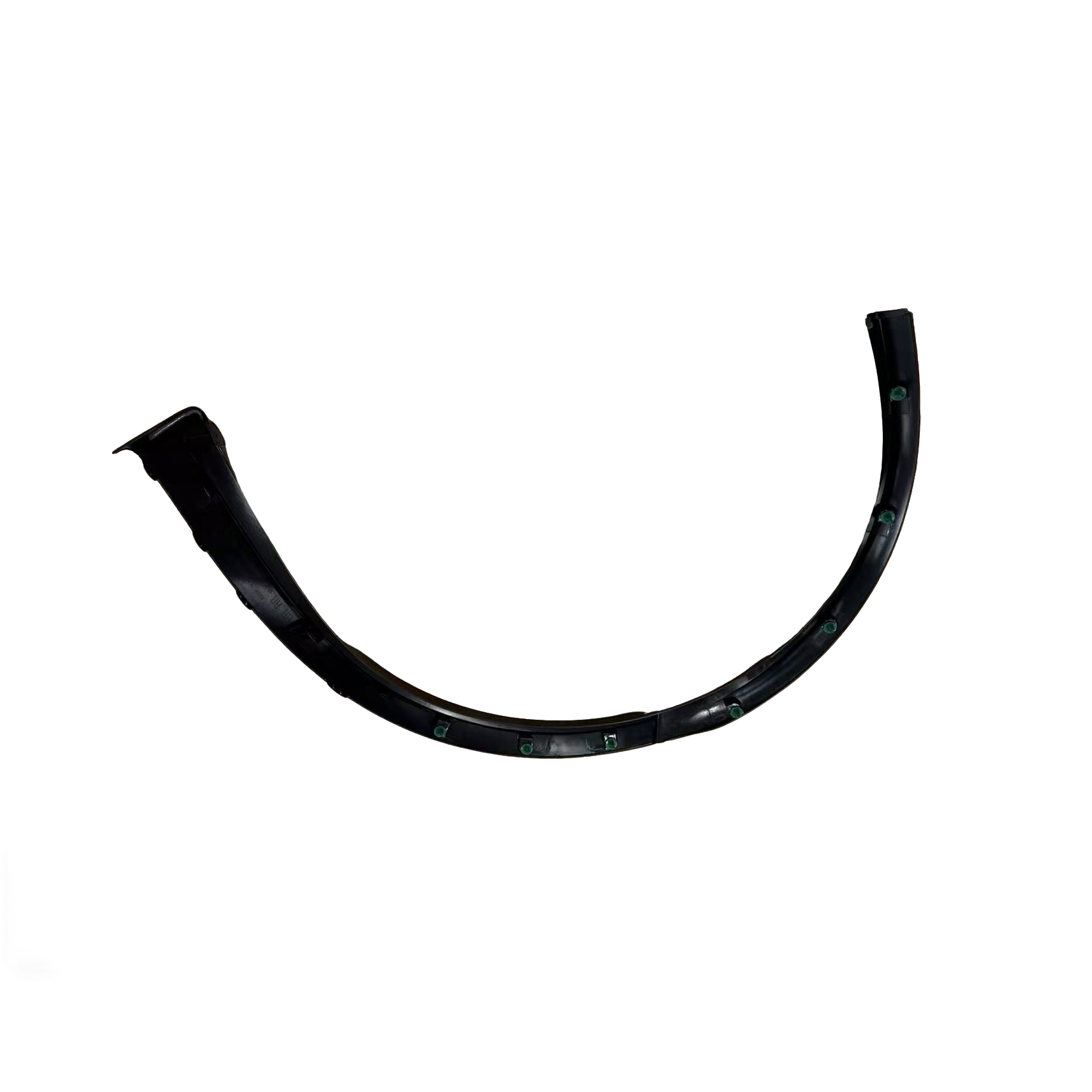
The longevity of your vehicle depends significantly on how well the automotive body panel system holds up over time. Body panels form the structural and protective outer layer of any vehicle, and their durability directly impacts both safety and resale value. Understanding what factors influence the performance of your automotive body panel system helps you make informed maintenance decisions and avoid costly repairs down the line. Many vehicle owners underestimate how environmental conditions, manufacturing quality, and regular care affect the lifespan of their automotive body panel system.
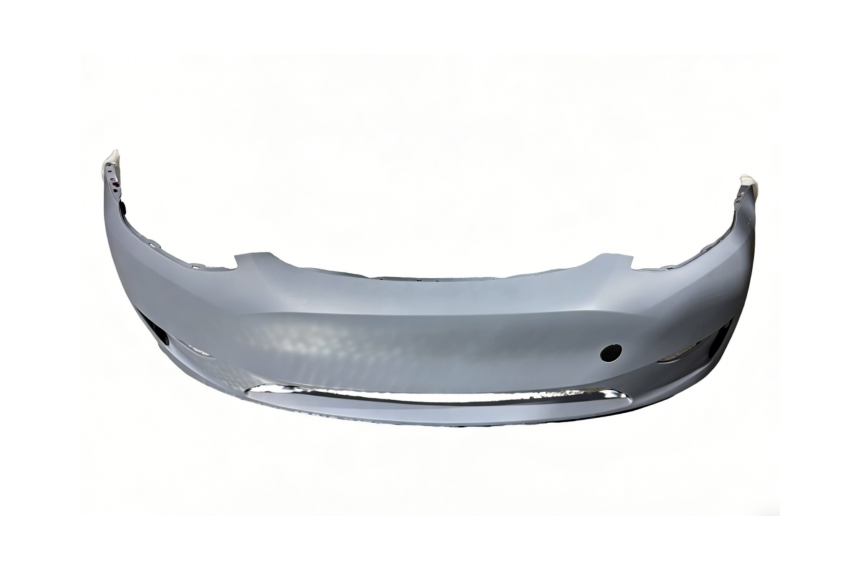
An automotive body panel system comprises metal, plastic, or composite components engineered to work together as a unified protective assembly. The durability of this system depends on multiple interconnected factors ranging from material selection to environmental exposure and maintenance practices. Fleet managers, collision repair professionals, and vehicle owners who understand these factors can extend the operational life of their automotive body panel system significantly. This article explores the key influences on automotive body panel system durability and provides actionable insights for long-term vehicle maintenance.
Material Composition and Manufacturing Quality
Substrate Selection and Corrosion Resistance
The base material of your automotive body panel system fundamentally determines its ability to resist environmental degradation. High-strength steel, aluminum alloys, and advanced composites each offer different durability profiles. Steel panels in your automotive body panel system require proper coating systems to prevent rust formation, while aluminum provides inherent corrosion resistance but demands specialized welding and joining techniques. The choice of substrate directly influences how your automotive body panel system performs across different climate zones and operating conditions. Quality manufacturing ensures that the automotive body panel system maintains structural integrity throughout its service life.
Coating and Paint System Integrity
The protective coating layer of an automotive body panel system serves as the first defense against corrosion, UV damage, and chemical exposure. Modern automotive body panel system coatings typically include primer, base coat, and clear coat layers that work synergistically. A compromised coating on your automotive body panel system allows moisture and contaminants to reach the substrate, accelerating degradation. The application process significantly affects durability—improper spray techniques, insufficient curing time, or inadequate layer thickness reduce the protective value of the automotive body panel system coating. Factory-applied finishes on an automotive body panel system generally provide superior durability compared to aftermarket repairs when applied under controlled conditions.
Environmental and Exposure Factors
Climate Conditions and Seasonal Variations
Geographic location plays a critical role in determining how long your automotive body panel system remains corrosion-free and visually intact. Vehicles in coastal regions face salt spray exposure that aggressively attacks an automotive body panel system, regardless of material type. Cold climates introduce freeze-thaw cycles that can cause micro-cracking in the protective coatings of an automotive body panel system, allowing water penetration. UV radiation in high-sun environments gradually degrades the clear coat layer of an automotive body panel system, leading to oxidation and paint fading. The durability trajectory of any automotive body panel system depends largely on whether the vehicle operates in harsh, moderate, or protected environmental conditions.
Road Salt, Chemicals, and Contaminant Exposure
Road maintenance chemicals present one of the most significant threats to automotive body panel system longevity in northern climates. Calcium chloride, magnesium chloride, and sodium chloride used for de-icing actively corrode unprotected areas of the automotive body panel system, especially around door jambs and panel seams. Industrial pollution, acid rain, and airborne particles also degrade the surface finish of an automotive body panel system over extended exposure periods. Bird droppings, tree sap, and insect residue contain acidic compounds that etch the clear coat layer of your automotive body panel system if not removed promptly. Regular washing and protective treatments become essential maintenance tasks for preserving your automotive body panel system in contaminated environments.
Maintenance Practices and Care Protocols
Preventive Maintenance and Regular Cleaning
Consistent washing and protective care directly extend the operational life of your automotive body panel system. Removing contaminants before they bond to the surface prevents permanent damage to the protective coating of your automotive body panel system. Waxing and sealant application create an additional barrier that shields the automotive body panel system from environmental hazards and reduces water spotting. Undercarriage washing in winter months removes accumulated salt and prevents corrosion from spreading to hidden areas of the automotive body panel system. Neglecting these basic maintenance steps significantly reduces the durability potential of your automotive body panel system.
Damage Assessment and Timely Repairs
Paint chips, dents, and scratches compromise the protective integrity of an automotive body panel system and should be addressed promptly. Even minor damage to the automotive body panel system coating can create entry points for moisture, triggering rust development beneath the surface. Professional repair shops assess automotive body panel system damage and implement corrections that maintain structural alignment and coating continuity. Delayed repairs allow corrosion to spread through the layers of your automotive body panel system, requiring more extensive and expensive restoration. Quality touch-up and refinishing work preserves the long-term durability profile of your automotive body panel system.
Structural Integrity and Impact Resistance
Design and Engineering Specifications
The automotive body panel system design incorporates reinforcement ribs, thickness variations, and material transitions that distribute stress and prevent failure under normal operating loads. Modern engineering of the automotive body panel system accounts for impact absorption, vibration dampening, and fatigue resistance. Component alignment and fit tolerances within the automotive body panel system affect water drainage and seal performance, which influence corrosion susceptibility. Structural stiffness in the automotive body panel system prevents flexing that can cause fastener fatigue and seal deterioration. Vehicles engineered with robust automotive body panel system designs demonstrate longer service intervals and superior durability.
Fastening Systems and Joint Protection
The connection points and fasteners throughout your automotive body panel system represent critical vulnerability zones for moisture and corrosion initiation. Improper fastening techniques compromise the structural continuity of the automotive body panel system and allow lateral movement between panels. Sealed fasteners and welded joints in the automotive body panel system provide superior protection compared to exposed mechanical fasteners. Sealant degradation along panel seams reduces the effectiveness of the automotive body panel system water barrier, leading to interior component corrosion. Regular inspection of fastening integrity helps identify emerging issues in your automotive body panel system before they escalate into major structural problems.
FAQ
What is the typical lifespan of an automotive body panel system?
Under normal conditions with proper maintenance, an automotive body panel system can maintain structural integrity and corrosion resistance for eight to twelve years or 100,000 to 150,000 miles. Environmental factors significantly affect this timeline—coastal vehicles or those in harsh climates may see reduced durability in their automotive body panel system. Regular washing, protective treatments, and prompt damage repairs can extend the effective lifespan of your automotive body panel system considerably beyond factory predictions.
How does regular maintenance impact automotive body panel system durability?
Systematic maintenance directly influences how long your automotive body panel system resists corrosion and maintains visual appeal. Washing removes contaminants that otherwise etch and degrade the coating, while waxing adds protective layers that shield your automotive body panel system from environmental hazards. Addressing minor damage promptly prevents moisture from penetrating the automotive body panel system and triggering rust formation. Fleet operations that implement preventive maintenance protocols consistently report improved durability metrics for their automotive body panel system investments.
What causes premature failure in an automotive body panel system?
Premature failure of an automotive body panel system typically results from deferred maintenance, untreated damage, exposure to road salt, and poor storage conditions. Manufacturing defects or substandard coating application can compromise an automotive body panel system from the outset. Corrosion spreading from fastener areas or panel seams accelerates structural degradation across the entire automotive body panel system. Collision damage that misaligns panels or compromises welds weakens the automotive body panel system structurally and creates vulnerability to further deterioration.