EN
EN



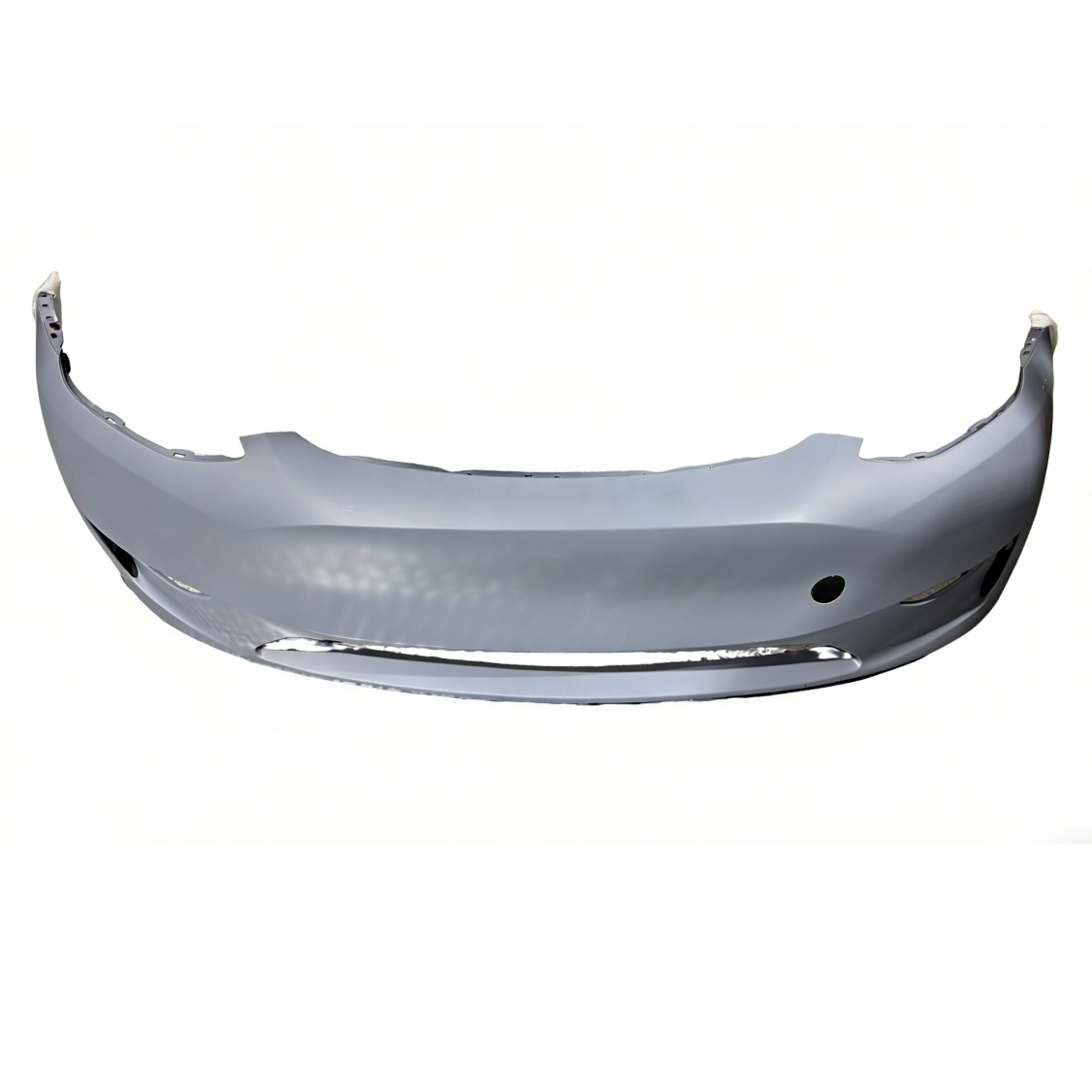
The modern automotive bumper is far more than a simple protective bar bolted to the front and rear of a vehicle. Every automotive bumper design reflects a careful balance between safety regulations, vehicle purpose, aesthetic consistency, and practical performance requirements. Understanding how automotive bumper engineering adapts across different vehicle categories reveals the complexity behind these essential components and why a sedan's bumper differs fundamentally from that of a heavy-duty truck or compact city car.
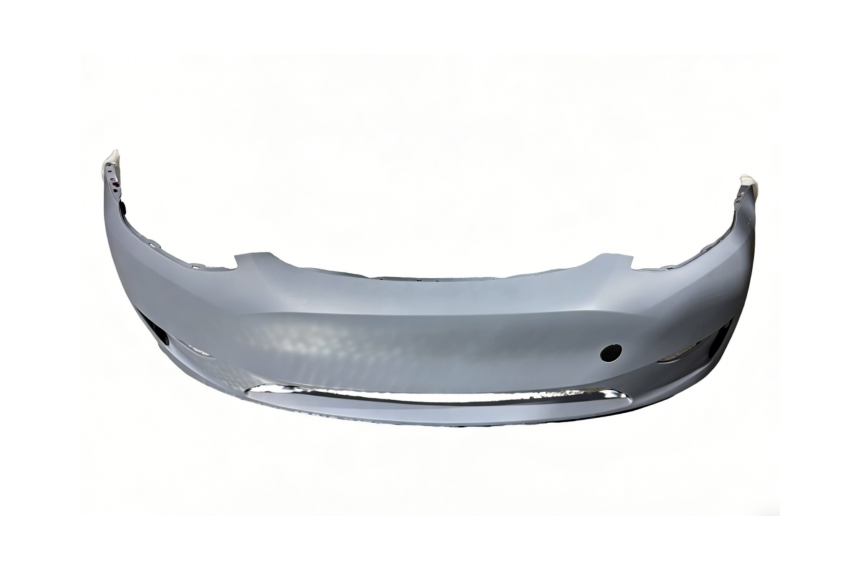
Vehicle manufacturers invest significant engineering effort in optimizing the automotive bumper for each platform because bumpers serve multiple interconnected functions simultaneously. They protect occupants and pedestrians, absorb impact energy efficiently, accommodate sensor and camera systems, integrate lighting components, and contribute to overall vehicle aerodynamics. The automotive bumper design process begins with understanding the vehicle's intended use, expected collision scenarios, regulatory environment, and market expectations. This foundational analysis directly shapes material selection, structural geometry, and integration strategies unique to each vehicle category.
Sedan and Compact Car Automotive Bumper Design
Lightweight Engineering for Urban Use
Sedans and compact cars require a specific automotive bumper approach that prioritizes weight efficiency and pedestrian safety. These vehicles typically encounter lower-speed urban collisions and frequent minor impacts, so the automotive bumper design emphasizes controlled energy absorption rather than rigid resistance. Manufacturers use reinforced plastic composites, aluminum frames, and foam energy absorbers to create bumper systems that remain lightweight while meeting safety standards. The automotive bumper for compact vehicles often features integrated moldings that blend seamlessly with the vehicle's side profile, reducing wind resistance and improving fuel efficiency.
Sensor and Technology Integration
Modern sedans incorporate advanced driver assistance systems, requiring the automotive bumper to house parking sensors, collision warning cameras, and radar modules. This automotive bumper design evolution has pushed engineers to create hollow sections and strategically placed apertures that allow sensors to function while maintaining structural integrity. The bumper beam in these vehicles remains relatively narrow because sedan owners expect agility and precise handling. An automotive bumper on a sedan must therefore accommodate technology integration without increasing vehicle width, weight, or approach angles that might hinder city driving capability.
Truck and SUV Automotive Bumper Design
Heavy-Duty Impact Resistance
Trucks and larger SUVs demand a fundamentally different automotive bumper strategy focused on towing capacity, off-road durability, and recovery point integration. The automotive bumper design for these vehicles often features solid steel tubes, reinforced mounting brackets, and integrated recovery rings that allow towing and winching operations. Unlike compact vehicle bumpers, the automotive bumper on a truck absorbs high-energy impacts from both highway speeds and rough terrain. Manufacturers engineer these bumpers with greater material thickness and structural depth, knowing that buyers will subject the automotive bumper to genuinely demanding conditions. The bumper height on trucks also accommodates the vehicle's higher center of gravity and larger tire diameter.
Towing and Accessory Integration
The automotive bumper on a truck serves as a foundation for aftermarket accessories including hitch systems, brush guards, light bars, and off-road recovery equipment. This automotive bumper design philosophy accepts that the bumper will support additional load points and frequently interact with external obstacles. Engineers specify higher crush strength ratings and ensure the automotive bumper mounting points distribute loads across the vehicle frame, not just through the traditional bumper beam. The design of an automotive bumper for trucks balances factory functionality with market expectations for customization and rugged use.
Commercial and Fleet Automotive Bumper Design
Durability and Maintenance Efficiency
Commercial vehicles face relentless duty cycles, frequent low-speed collisions, and rapid cost-of-ownership pressures that reshape automotive bumper engineering priorities. The automotive bumper design for fleet vehicles emphasizes replaceable components, corrosion resistance, and damage isolation to minimize downtime. Many fleet managers prefer automotive bumper systems where damaged sections can be replaced individually rather than requiring complete bumper replacement. An automotive bumper for commercial use often features modular construction, allowing technicians to swap fascia panels, beam sections, or protective guards without extensive disassembly.
Safety Certification and Regulatory Compliance
Commercial automotive bumper designs must navigate complex regulatory frameworks that vary by region, vehicle class, and intended market. The automotive bumper specification for a commercial vehicle in North America differs significantly from an automotive bumper engineered for European or Asian markets. Manufacturers designing an automotive bumper for fleet use must verify compliance with Federal Motor Vehicle Safety Standards, European Economic Commission regulations, and increasingly, pedestrian protection standards. This automotive bumper engineering complexity increases development costs but ensures that fleet operators avoid liability and maintain vehicle marketability across jurisdictions.
Performance and Special-Purpose Vehicle Automotive Bumper Design
Lightweight Racing and Performance Considerations
Performance vehicles and sports cars employ a specialized automotive bumper design philosophy where weight reduction and aerodynamic precision take priority over traditional impact absorption. The automotive bumper materials for high-performance vehicles frequently include carbon fiber reinforced polymers, aluminum honeycomb structures, and advanced composite systems that reduce unsprung weight. An automotive bumper on a performance vehicle must minimize air turbulence, reduce vehicle lift at high speeds, and support integrated aerodynamic devices like splitters and dive planes. This automotive bumper design approach accepts higher material costs and manufacturing complexity in exchange for improved handling, braking efficiency, and aesthetic precision.
Environmental and Specialty Vehicle Adaptation
Electric vehicles, hybrid platforms, and emergency response vehicles each require tailored automotive bumper engineering suited to their specific operational demands. The automotive bumper design for an electric vehicle must accommodate battery thermal management systems, while emergency vehicle bumpers integrate warning light clusters and reinforced attachment points. Agricultural and industrial vehicles demand an automotive bumper designed for extreme durability in harsh environments, often featuring solid steel construction and oversized protective components. Regardless of application, the automotive bumper remains a critical interface between the vehicle and its operating environment, requiring design decisions that reflect real-world usage patterns and safety priorities.
FAQ
What safety standards govern automotive bumper design across different vehicle categories?
Automotive bumper design is regulated by multiple safety standards depending on vehicle class and market region. In the United States, Federal Motor Vehicle Safety Standard 215 (FMVSS 215) establishes crash test requirements and height specifications for automotive bumpers. The European Union enforces ECE Regulation 42, which includes pedestrian protection requirements that affect automotive bumper geometry and material properties. Additionally, some markets require specific automotive bumper testing for low-speed crash scenarios. Manufacturers developing an automotive bumper must research applicable regulations for each intended market and often exceed minimum requirements to support brand safety positioning.
How does vehicle size affect automotive bumper material selection?
Vehicle size directly influences which materials engineers select for automotive bumper construction. Compact vehicles can utilize lightweight polymers and composite materials in their automotive bumper design because collision energies remain relatively modest in typical usage scenarios. Larger vehicles require automotive bumper materials with greater strength, such as steel tubes, aluminum extrusions, or reinforced composites, to adequately absorb higher collision energies. The automotive bumper weight budget varies by vehicle platform, with luxury vehicles sometimes accepting heavier automotive bumper systems to enable advanced sensor integration, while economy vehicles prioritize weight reduction to improve fuel economy. Material durability and corrosion resistance also become more critical for commercial automotive bumper applications subjected to harsh conditions.
Why do truck bumpers differ significantly from sedan automotive bumper designs?
Truck automotive bumper designs differ from sedan bumpers because trucks operate under fundamentally different conditions and market expectations. A truck's automotive bumper must support towing loads, accommodate recovery equipment, resist damage from off-road obstacles, and tolerate heavy-duty abuse that sedans never experience. Truck automotive bumper engineering specifies higher material thickness, more robust mounting systems, and integrated recovery points that add no value in a sedan application. The automotive bumper height on trucks also reflects the vehicle's larger tires and ground clearance, ensuring alignment with the underlying vehicle structure. Additionally, truck owners actively modify their automotive bumper systems with aftermarket accessories, requiring design flexibility that sedan manufacturers don't need to engineer into their automotive bumper specifications.