EN
EN



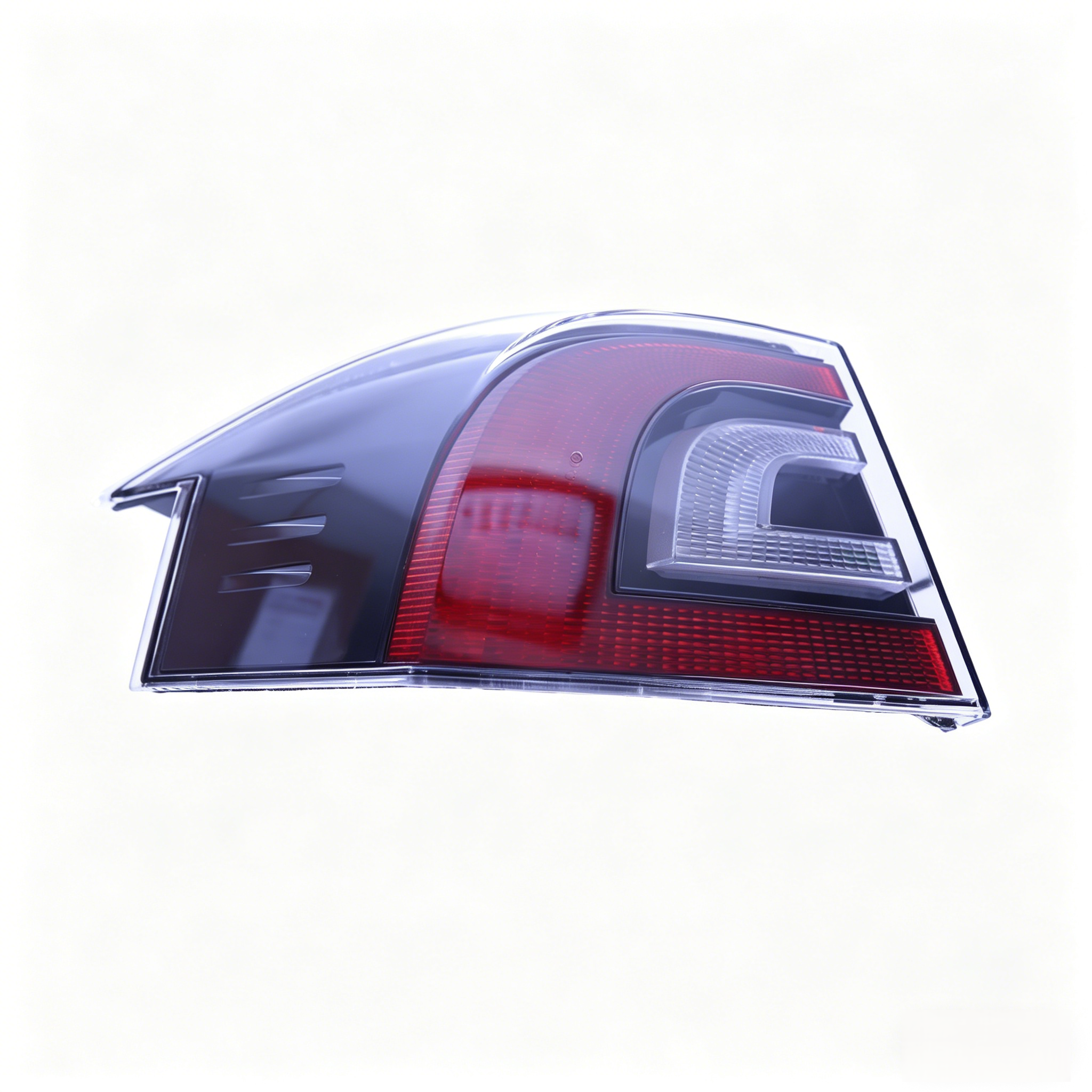
Automotive lighting systems represent critical safety components that demand consistent attention and proactive maintenance strategies to achieve optimal longevity. Understanding the specific maintenance considerations that extend component lifespan enables vehicle owners and fleet managers to maximize return on investment while ensuring continuous illumination performance. The lifespan of an automotive lighting system depends on multiple interconnected factors including environmental exposure, electrical stability, thermal management, and physical protection measures that collectively determine whether components survive for years or fail prematurely.
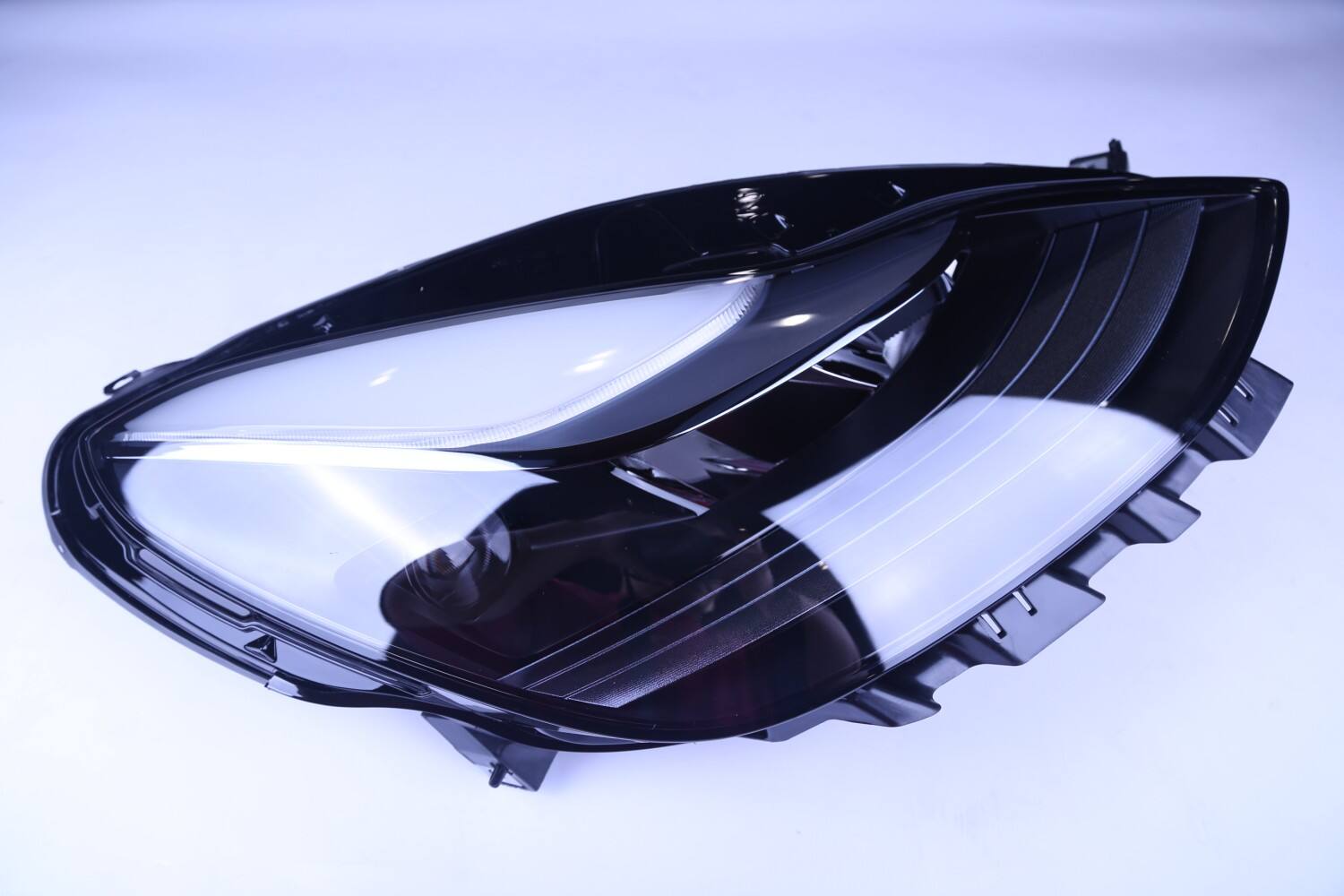
The maintenance requirements for modern automotive lighting systems extend beyond simple bulb replacement, encompassing protective measures for housings, lenses, electrical connections, and thermal management systems. Contemporary vehicles integrate advanced lighting technologies including LED assemblies, adaptive headlight modules, and sensor-integrated systems that require specialized maintenance approaches distinct from traditional halogen configurations. Implementing targeted maintenance practices based on component-specific vulnerabilities significantly extends functional lifespan while maintaining photometric performance standards essential for safe vehicle operation across diverse driving conditions.
Environmental Protection Strategies for Automotive Lighting System Durability
Moisture Intrusion Prevention and Seal Integrity
Moisture represents the primary environmental threat to automotive lighting system longevity, causing corrosion of electrical contacts, reflector degradation, and condensation that impairs light output. Factory-installed seals around headlight assemblies deteriorate over time due to thermal cycling and ultraviolet exposure, creating pathways for water infiltration. Regular inspection of seal condition every six months allows early detection of cracking or hardening that compromises moisture barriers. Applying silicone-based sealants to vulnerable junction points between housing components reinforces factory seals before complete failure occurs.
Breather vents integrated into modern automotive lighting systems equalize internal pressure while preventing bulk water entry, but these small ports can become obstructed by debris or contamination. Cleaning breather vents quarterly using compressed air maintains proper ventilation that prevents condensation accumulation inside sealed assemblies. When moisture does penetrate housing assemblies, immediate intervention through controlled drying prevents progressive corrosion damage that shortens component lifespan. Parking vehicles in covered areas or using protective covers during extended outdoor storage minimizes direct weather exposure that accelerates seal degradation in automotive lighting systems.
Ultraviolet Radiation Defense and Lens Preservation
Polycarbonate lenses used in contemporary automotive lighting system assemblies experience photodegradation from prolonged ultraviolet exposure, resulting in yellowing and surface hazing that reduces light transmission by thirty percent or more. Factory-applied UV protective coatings gradually wear away through environmental exposure and improper cleaning techniques, leaving substrate material vulnerable to accelerated degradation. Applying aftermarket UV protective treatments annually restores protective barriers that extend lens clarity and maintain proper beam pattern projection essential for nighttime visibility.
Surface oxidation develops as microscopic pitting across lens surfaces exposed to direct sunlight, creating diffusion that scatters light rather than projecting focused beams. Professional restoration services using progressive abrasive polishing remove oxidized layers and reapply protective coatings, recovering photometric performance comparable to new assemblies. Preventive application of ceramic-based protective films provides physical barriers against UV radiation while maintaining optical clarity, offering five-year protection intervals that significantly extend automotive lighting system component lifespan. Parking orientation that minimizes direct sun exposure on headlight assemblies during daytime hours reduces cumulative UV damage over vehicle lifetime.
Chemical Contamination Management and Surface Protection
Road chemicals including de-icing salts, petroleum products, and industrial fallout create corrosive environments that attack both metallic and polymer components within automotive lighting systems. Salt accumulation on electrical connectors accelerates galvanic corrosion that increases contact resistance and generates excessive heat during operation. Quarterly washing of headlight assemblies using pH-neutral automotive detergents removes chemical deposits before corrosive action penetrates protective coatings on vulnerable surfaces. Applying dielectric grease to electrical connections creates moisture barriers that prevent salt-induced corrosion in electrical pathways.
Insect residue and organic matter adhering to lens surfaces contain acidic compounds that etch polycarbonate substrates when left in place for extended periods. Immediate removal of biological contamination using microfiber cloths and appropriate cleaning solutions prevents permanent surface damage that impairs optical performance. Wax-based protective treatments applied to lens surfaces create sacrificial barriers that facilitate easier cleaning while preventing direct contact between contaminants and substrate material. Regional considerations regarding specific environmental threats inform customized maintenance schedules that address local conditions affecting automotive lighting system longevity.
Electrical System Optimization for Extended Component Life
Voltage Regulation and Power Quality Management
Electrical stability fundamentally determines automotive lighting system component lifespan, with voltage fluctuations causing premature failure through thermal stress and semiconductor degradation. Modern LED lighting assemblies incorporate driver circuits sensitive to voltage variations outside specified operating ranges, typically between eleven and fifteen volts for twelve-volt systems. Installing voltage monitoring equipment identifies charging system irregularities that subject lighting components to damaging overvoltage or brownout conditions requiring immediate correction to prevent shortened lifespan.
Alternator output ripple creates high-frequency voltage variations that stress capacitive filtering components within LED driver circuits, gradually degrading performance over thousands of operating hours. Replacing aging alternators before complete failure prevents exposure of automotive lighting systems to unstable power delivery that accelerates component wear. Battery condition directly impacts voltage stability, with degraded batteries unable to buffer voltage spikes generated during load dump events when large electrical loads suddenly disconnect. Proactive battery replacement every four years maintains electrical system stability that protects sensitive lighting components from voltage-induced damage.
Connector Maintenance and Contact Resistance Control
Electrical connectors linking automotive lighting systems to vehicle harnesses develop contact resistance over time through oxidation and mechanical wear, generating localized heating that damages both connectors and adjacent components. Annual inspection of connector contacts reveals discoloration or corrosion requiring cleaning with specialized electrical contact solutions and fine abrasive pads. Applying conductive contact enhancer compounds after cleaning reduces resistance while providing oxidation protection that extends interval between maintenance cycles.
Vibration-induced fretting corrosion occurs at connection points subjected to constant micro-movement, creating insulating oxide layers despite sealed connector designs. Securing harness routing with proper retention clips minimizes movement that causes fretting damage to electrical connections serving automotive lighting systems. Heat shrink tubing applied over critical connectors provides additional environmental protection and strain relief that prevents mechanical stress concentration at solder joints or crimp connections. Thermal imaging inspection identifies elevated temperatures at connector locations indicating developing resistance problems requiring intervention before component failure occurs.
Ground Path Integrity and Circuit Protection
Ground circuit quality profoundly affects automotive lighting system performance and longevity, with poor ground connections causing voltage drops that stress components and reduce light output. Chassis ground points corrode over time, particularly in harsh environments where road salt contacts steel body panels. Periodic cleaning of ground connection points using wire brushes and applying anti-corrosion compounds maintains low-resistance paths essential for proper lighting circuit operation. Supplementary ground straps installed between lighting assemblies and chassis provide redundant paths that ensure reliable operation even if primary grounds degrade.
Circuit protection devices including fuses and relays require periodic verification to ensure proper operation that protects automotive lighting system components from overcurrent damage. Fuse holders develop contact resistance similar to power connectors, creating voltage drops and heating that can ignite surrounding materials. Replacing fuse holders every five years prevents age-related failures that compromise circuit protection. Relay contacts weld or oxidize after thousands of switching cycles, requiring replacement based on operational hours rather than calendar age. Upgrading to solid-state switching devices eliminates mechanical contact wear while providing faster switching that reduces inrush current stress on LED driver circuits.
Thermal Management Practices for Component Longevity
Heat Sink Maintenance and Airflow Optimization
LED automotive lighting systems generate substantial heat despite high efficiency, with junction temperatures directly determining semiconductor lifespan through accelerated degradation mechanisms. Heat sink assemblies integrated into modern headlight designs require unobstructed airflow and clean surfaces to dissipate thermal energy effectively. Accumulation of dust and debris on heat sink fins reduces thermal transfer efficiency by up to forty percent, causing elevated operating temperatures that halve expected LED lifespan. Cleaning heat sink surfaces during routine maintenance intervals using compressed air and soft brushes restores thermal performance critical for automotive lighting system longevity.
Thermal interface materials between LED arrays and heat sink surfaces degrade over time, developing voids and reduced thermal conductivity that impair heat transfer. Professional servicing intervals every three years allow inspection and replacement of thermal compounds using high-performance materials that maintain efficient thermal pathways. Ventilation ports designed into headlight assemblies must remain clear to facilitate convective cooling, requiring inspection and cleaning to prevent blockage by external debris or internal condensation residue. Aftermarket cooling enhancements including forced-air systems benefit high-performance automotive lighting systems operating in extreme temperature environments or subjected to extended duty cycles.
Operating Duration Management and Thermal Cycling Reduction
Thermal cycling stress from repeated heating and cooling causes mechanical fatigue in solder joints, LED attachment interfaces, and housing materials that eventually leads to automotive lighting system component failure. Minimizing unnecessary lighting activation when not required for safety reduces accumulated thermal cycles over vehicle lifetime. Automatic lighting control systems that activate headlights based on ambient light conditions should be calibrated to prevent premature activation during dawn and dusk periods when natural illumination provides adequate visibility.
Extended idle operation with lighting systems activated generates maximum thermal stress due to reduced cooling airflow compared to normal driving conditions. Fleet vehicles and service vehicles frequently operating at idle benefit from supplementary cooling measures or operational protocols limiting extended lighting use during stationary periods. Staged activation sequences that gradually bring automotive lighting systems to full output reduce thermal shock compared to instantaneous full-power activation, particularly beneficial for high-intensity discharge systems. Modern LED systems with integrated thermal management incorporate current derating at elevated temperatures, automatically reducing output to prevent damage while signaling potential cooling system issues requiring attention.
Environmental Temperature Considerations
Extreme ambient temperatures affect automotive lighting system performance and longevity through multiple mechanisms including altered material properties and accelerated chemical reactions. High-temperature operation above forty-five degrees Celsius significantly reduces LED lifespan through enhanced diffusion processes in semiconductor junctions. Parking in shaded areas during hot weather and using reflective windshield covers reduces soak temperatures that carry over into initial operating periods when components are most vulnerable to thermal damage.
Cold temperature operation below negative twenty degrees Celsius stresses plastic components through reduced ductility and increased brittleness that makes housings vulnerable to impact damage. Allowing brief warm-up periods before full lighting activation in extreme cold reduces thermal shock to components transitioning from ambient to operating temperatures. Block heaters and garage storage benefit automotive lighting systems in severe winter climates by moderating temperature extremes that accelerate material degradation. Regional climate patterns inform customized maintenance strategies addressing specific thermal challenges that dominate component wear mechanisms in particular operating environments.
Physical Protection and Mechanical Integrity Maintenance
Impact Damage Prevention and Housing Integrity
Physical damage represents a leading cause of premature automotive lighting system failure, with road debris, parking incidents, and environmental factors causing housing cracks and lens damage. Regular inspection for hairline fractures in housing assemblies identifies developing structural issues before complete failure occurs. Protective films applied to lens surfaces absorb minor impact energy that would otherwise cause permanent damage to polycarbonate substrates. Stone guard screens installed ahead of vulnerable lighting assemblies provide physical barriers against road debris without significantly affecting light output or beam patterns.
Mounting hardware securing headlight assemblies to vehicle structures loosens over time through vibration and thermal cycling, allowing excessive movement that stresses connection points and electrical harnesses. Torque verification of mounting fasteners during routine maintenance intervals prevents progressive loosening that leads to alignment shifts and physical damage. Tab-style mounting systems common in modern assemblies become brittle with age and ultraviolet exposure, requiring careful inspection and replacement of damaged tabs before complete mounting failure occurs. Reinforcement brackets added to high-vibration mounting locations reduce stress concentration that causes fatigue failures in automotive lighting system mounting points.
Lens Surface Care and Optical Performance Preservation
Improper cleaning techniques cause more lens damage than environmental exposure alone, with abrasive materials and harsh chemicals creating permanent surface scratches that degrade optical performance. Establishing proper cleaning protocols using microfiber cloths, pH-neutral solutions, and gentle wiping motions preserves surface integrity throughout automotive lighting system lifespan. Automated car wash systems using recycled wash media sometimes introduce abrasive particles that scratch lens surfaces, making hand washing preferable for vehicles with premium lighting systems.
Bug removal products and tar solvents contain strong chemicals that attack polycarbonate lens materials if left in contact for extended periods or used repeatedly. Selecting cleaning products specifically formulated for automotive lighting system applications prevents chemical damage while effectively removing organic and petroleum-based contamination. Clay bar treatments popular for paint decontamination should never be applied to polycarbonate lenses due to abrasive action that removes protective coatings and creates surface marring. Clear protective films rated for optical applications provide renewable sacrificial surfaces that can be replaced periodically rather than attempting restoration of damaged original lenses.
Vibration Damping and Resonance Control
Mechanical vibration transmitted through vehicle structure causes fatigue failures in automotive lighting system components including solder joints, LED attachment bonds, and internal wiring connections. Aftermarket vibration damping materials applied to headlight mounting surfaces reduce transmitted vibration amplitude that causes component fatigue. Inspection of internal components during bulb replacement or service intervals identifies developing cracks and loose connections before complete failure occurs.
Resonant frequencies that amplify vibration at specific engine speeds or road surface conditions cause accelerated wear in components subjected to sustained resonant excitation. Identifying problematic operating conditions through vibration measurement allows targeted interventions including mounting modifications or damping treatments that eliminate resonance conditions. Securing internal wiring harnesses within headlight assemblies prevents repeated flexing that causes conductor fatigue and insulation damage. Quality assessment of replacement components before installation prevents introduction of substandard parts with inadequate vibration resistance that compromise automotive lighting system longevity.
Scheduled Inspection and Proactive Replacement Strategies
Component Life Monitoring and Predictive Maintenance
Systematic tracking of automotive lighting system operating hours enables predictive replacement before failure occurs, preventing unexpected outages that compromise safety. Hour meters integrated with vehicle electrical systems or aftermarket logging devices provide accurate operational data informing maintenance decisions. LED assemblies typically achieve fifty thousand hours of operation before luminous flux degrades to seventy percent of initial output, establishing predictable replacement timelines based on actual usage rather than calendar age.
Photometric testing using calibrated light meters quantifies output degradation over time, identifying components approaching end-of-life requiring proactive replacement. Annual testing establishes performance trends that forecast remaining useful life and inform budget planning for fleet applications. Thermal imaging inspections reveal developing hot spots indicating failing driver circuits or degraded thermal interfaces requiring intervention. Comprehensive inspection protocols documented in maintenance management systems ensure consistent application of proven practices that maximize automotive lighting system component longevity across diverse operating conditions.
Parts Quality Verification and Counterfeit Avoidance
Replacement component quality fundamentally determines whether maintenance efforts successfully extend automotive lighting system lifespan or merely delay inevitable premature failure. Counterfeit lighting components flooding aftermarket channels use substandard materials and inadequate quality control that result in rapid failure despite proper installation and maintenance. Sourcing replacement parts exclusively from authorized distributors with verifiable supply chain documentation prevents introduction of inferior components that undermine maintenance investments.
Original equipment specifications provide baseline performance standards that replacement components must meet or exceed to deliver expected longevity. Independent testing of replacement parts before installation verifies photometric performance, thermal management capability, and electrical characteristics match requirements for reliable long-term operation. Warranty coverage and manufacturer support differentiate quality suppliers from opportunistic vendors offering low-cost alternatives with hidden deficiencies. Investment in premium replacement components often proves more cost-effective than repeated replacement of budget alternatives that fail prematurely despite careful maintenance.
Documentation and Maintenance History Tracking
Comprehensive maintenance records enable data-driven decisions regarding automotive lighting system component replacement timing and identify recurring issues requiring systematic correction. Digital maintenance management systems facilitate trend analysis across multiple vehicles, revealing patterns that inform improved maintenance strategies. Photographic documentation of component condition during inspection intervals provides visual reference for degradation rate assessment and warranty claim support when premature failures occur.
Recording environmental exposure history including climate conditions, road types, and usage patterns correlates specific factors with component longevity outcomes. Fleet applications benefit particularly from systematic data collection that quantifies maintenance strategy effectiveness and justifies investments in preventive measures. Sharing anonymized maintenance data across industry networks contributes to collective understanding of factors affecting automotive lighting system longevity and identifies emerging issues with specific component designs or manufacturers. Continuous improvement processes based on accumulated maintenance data drive optimization of practices that maximize component lifespan while controlling total cost of ownership.
FAQ
How often should automotive lighting system lenses be professionally cleaned or restored?
Professional lens restoration should occur when light transmission degrades by fifteen percent or more compared to baseline measurements, typically every three to five years depending on environmental exposure. Annual professional inspection identifies early-stage oxidation and UV damage amenable to preventive treatment before extensive restoration becomes necessary. Vehicles operated in high-UV environments or exposed to harsh chemicals require more frequent professional attention to maintain optimal optical performance and prevent permanent lens damage requiring complete assembly replacement.
What electrical system measurements indicate potential problems affecting automotive lighting system longevity?
Voltage measurements below thirteen volts or above fourteen point five volts during normal operation indicate charging system irregularities requiring immediate correction to prevent lighting component damage. Voltage ripple exceeding five hundred millivolts peak-to-peak suggests alternator diode failure stressing LED driver circuits. Contact resistance exceeding fifty milliohms at connector locations generates excessive heat accelerating component degradation. Systematic electrical testing during routine maintenance intervals identifies developing issues before catastrophic failures occur, enabling targeted interventions that preserve automotive lighting system component lifespan.
Can aftermarket thermal management upgrades significantly extend LED automotive lighting system lifespan?
Aftermarket thermal management enhancements including forced-air cooling systems and upgraded heat sink assemblies can extend LED component lifespan by twenty to thirty percent when properly implemented, particularly in extreme temperature environments or high-duty-cycle applications. Effectiveness depends on identifying thermal bottlenecks through temperature measurement and applying appropriate solutions rather than generic upgrades. Vehicles operating in desert climates or used for extended night driving benefit most from thermal management improvements that maintain junction temperatures within optimal ranges specified by LED manufacturers for maximum longevity.
What are the most critical maintenance intervals for maximizing automotive lighting system component longevity?
Quarterly visual inspections identifying moisture intrusion, seal degradation, and electrical connector corrosion represent the most critical maintenance intervals for preventing premature automotive lighting system failure. Annual comprehensive assessments including photometric testing, electrical system verification, and thermal imaging provide deeper insights into component condition and remaining useful life. Three-year intervals for thermal interface material replacement and five-year intervals for electrical connector and ground path renewal address predictable wear patterns before performance degradation occurs. Customizing maintenance schedules based on specific operating conditions and environmental exposure optimizes resource allocation while maximizing component longevity.
Table of Contents
- Environmental Protection Strategies for Automotive Lighting System Durability
- Electrical System Optimization for Extended Component Life
- Thermal Management Practices for Component Longevity
- Physical Protection and Mechanical Integrity Maintenance
- Scheduled Inspection and Proactive Replacement Strategies
-
FAQ
- How often should automotive lighting system lenses be professionally cleaned or restored?
- What electrical system measurements indicate potential problems affecting automotive lighting system longevity?
- Can aftermarket thermal management upgrades significantly extend LED automotive lighting system lifespan?
- What are the most critical maintenance intervals for maximizing automotive lighting system component longevity?