EN
EN



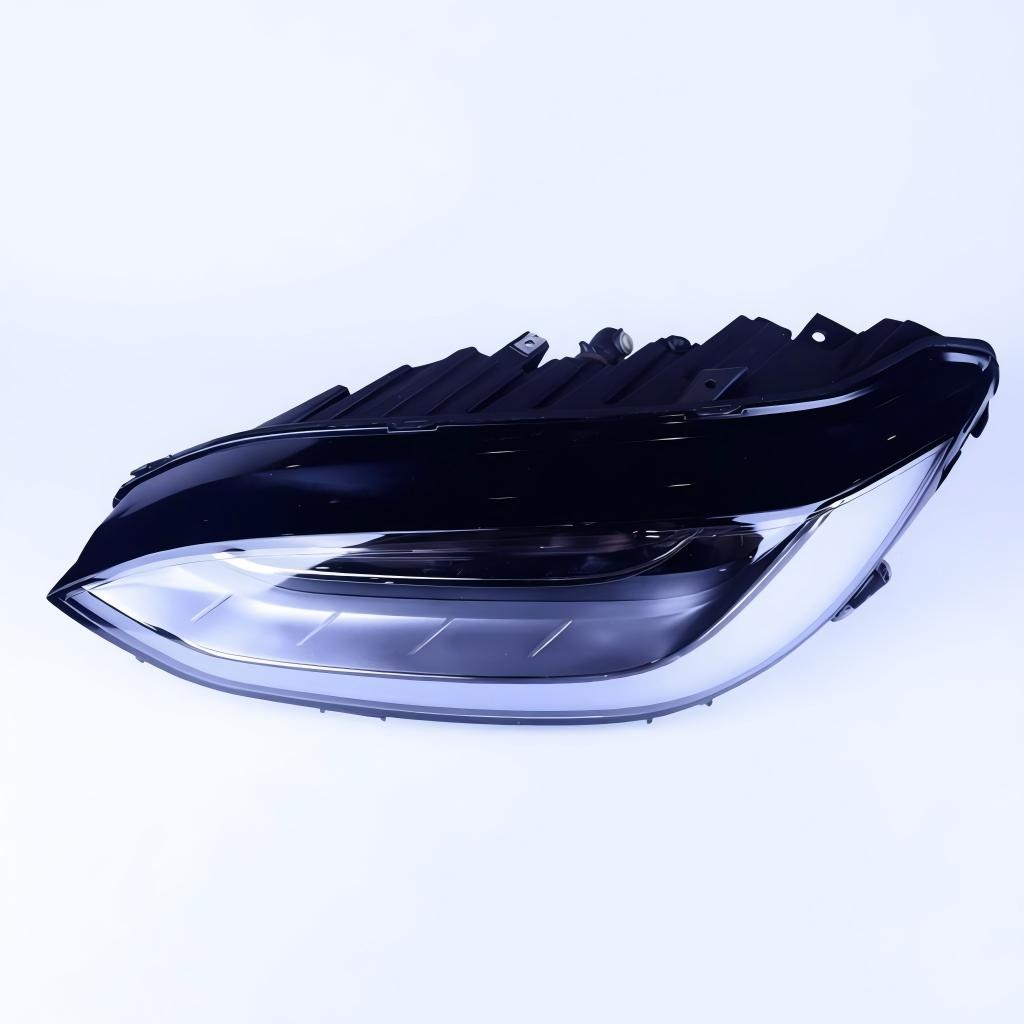
Modern automotive headlight systems represent complex assemblies of optical, electrical, and mechanical components that require systematic maintenance to preserve their functionality and longevity. Understanding what maintenance practices help extend the lifespan of headlight components enables vehicle owners and fleet managers to reduce replacement costs, maintain optimal visibility, and ensure regulatory compliance throughout the service life of their vehicles. Proper care of headlight assemblies goes beyond occasional bulb replacement, encompassing preventive measures that address the diverse failure modes affecting lenses, reflectors, housings, seals, and electrical connections.
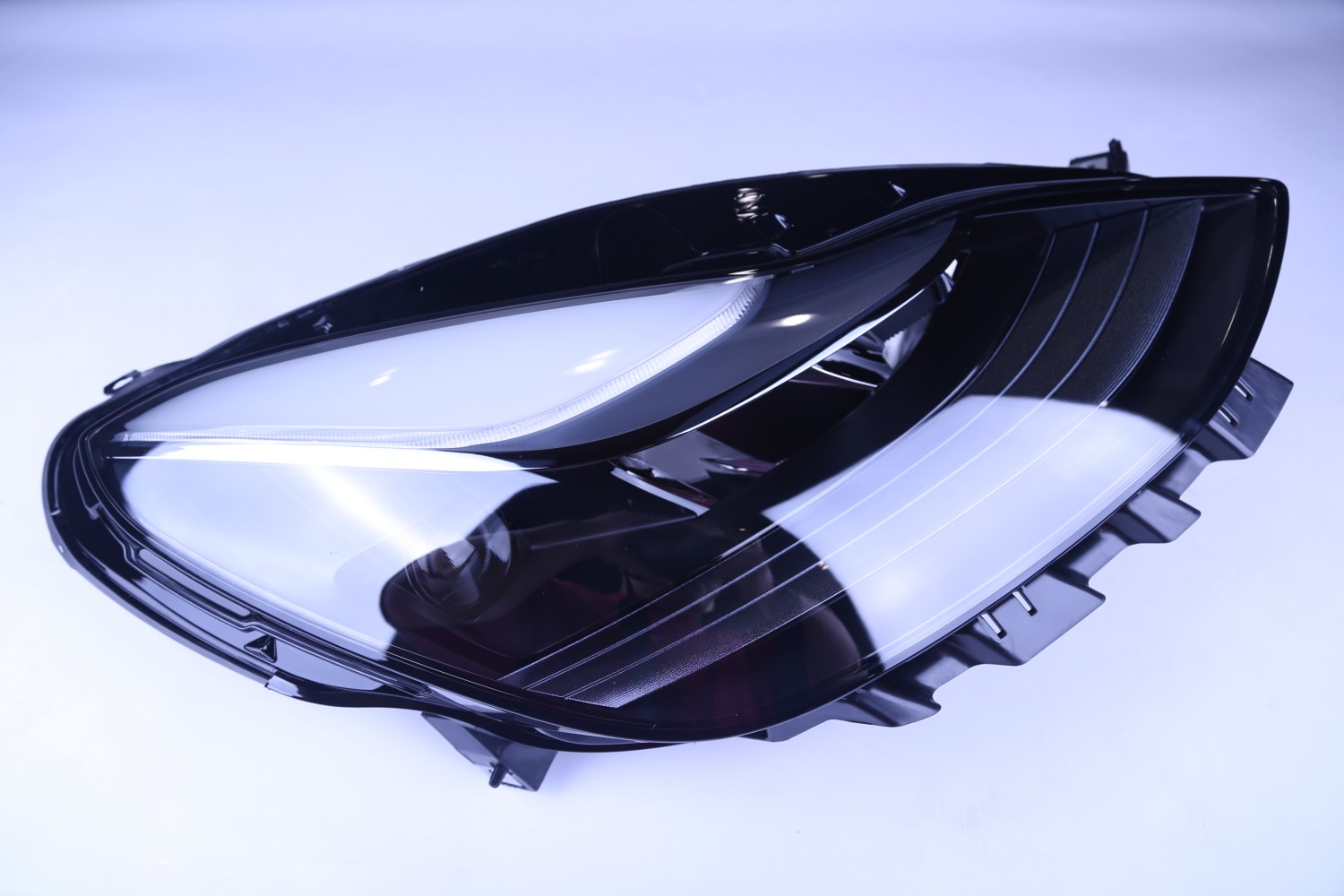
The degradation patterns observed in headlight components stem from environmental exposure, thermal cycling, vibration stress, and chemical contamination. Identifying the specific maintenance interventions that counteract these degradation mechanisms allows for targeted preservation strategies that extend component service intervals significantly beyond baseline expectations. This article examines the evidence-based maintenance practices that directly contribute to headlight longevity, covering lens protection protocols, seal integrity maintenance, electrical system care, thermal management considerations, and systematic inspection routines that detect early-stage deterioration before functional failure occurs.
Protective Measures for Headlight Lens Preservation
Understanding Lens Degradation Mechanisms
The transparent lens surface of a headlight assembly serves as the primary barrier between the optical system and environmental hazards, making it particularly vulnerable to degradation that reduces light transmission and compromises beam pattern integrity. Polycarbonate lenses, which dominate contemporary automotive applications due to their impact resistance and formability, undergo photodegradation when exposed to ultraviolet radiation. This process breaks down the polymer chains at the surface level, creating microscopic crazing that manifests as yellowing and opacity. Understanding this degradation pathway is essential because it informs the selection of protective treatments that can substantially slow the oxidation process and maintain optical clarity throughout the headlight service life.
Chemical exposure represents another significant threat to lens integrity, with road salts, petroleum-based contaminants, insect proteins, and acidic precipitation all contributing to surface etching and coating breakdown. The factory-applied hard coating on most headlight lenses provides limited protection against these aggressive substances, particularly when mechanical abrasion from airborne particulates creates penetration points for chemical attack. Maintenance practices that address both the chemical and mechanical aspects of lens degradation demonstrate superior effectiveness in preserving optical performance compared to interventions that target only a single degradation mode.
Implementing Effective Lens Cleaning Protocols
Regular cleaning of headlight lenses using appropriate materials and techniques constitutes the foundation of lens preservation maintenance. The cleaning frequency should reflect exposure conditions, with vehicles operating in coastal environments, industrial zones, or agricultural areas requiring more frequent attention than those in suburban settings. A proper cleaning protocol begins with thorough rinsing using clean water to remove loose particulates that could cause abrasive damage during the wiping process. This initial rinse proves particularly important for removing hard particles such as road grit and sand that act as cutting agents when dragged across the lens surface during dry wiping.
The selection of cleaning agents directly impacts long-term lens condition, with pH-neutral automotive soap formulations demonstrating superior compatibility with polycarbonate substrates and protective coatings compared to household detergents or glass cleaners. Alkaline cleaners can accelerate coating degradation, while solvent-based products may cause stress crazing in the polycarbonate substrate itself. Microfiber cloths specifically designed for automotive finishes provide effective cleaning action without introducing the scratching associated with paper towels or conventional cotton rags. The mechanical action during cleaning should involve straight, overlapping passes rather than circular motions, as linear patterns reduce the visibility of any micro-scratches that do occur despite proper material selection.
Applying UV-Protective Treatments and Sealants
Beyond routine cleaning, the application of specialized protective treatments significantly extends headlight lens service life by creating a renewable barrier against UV radiation and environmental contaminants. Modern headlight sealants incorporate UV absorbers and stabilizers that intercept damaging wavelengths before they reach the polycarbonate substrate, effectively functioning as a sacrificial layer that undergoes degradation in place of the lens itself. These treatments require reapplication at intervals determined by exposure intensity, typically ranging from three to six months for vehicles with significant outdoor parking exposure.
Application technique substantially influences protective coating performance, with surface preparation being the critical first step. The lens must be completely clean and dry, with any existing oxidation or contamination removed through appropriate restoration procedures before sealant application. Thin, even coating layers applied with foam applicators or microfiber cloths provide superior adhesion and durability compared to thick applications that may cure unevenly or develop edge lifting. Allowing adequate curing time before vehicle operation ensures complete polymerization of the protective layer, maximizing its resistance to water spotting and premature wear from environmental exposure.
Maintaining Seal Integrity and Moisture Barriers
Recognizing the Critical Role of Headlight Seals
The sealed environment within a headlight assembly protects sensitive reflective surfaces, electrical connections, and optical components from moisture intrusion and contamination. Factory seals typically incorporate multiple barrier technologies including elastomeric gaskets, butyl rubber adhesives, and ventilation systems with hydrophobic membranes that allow pressure equalization while blocking liquid water. Degradation of these sealing systems represents one of the most consequential failure modes affecting headlight longevity, as internal moisture creates conditions for reflector corrosion, electrical connection oxidation, and biological growth that severely compromise both optical performance and structural integrity.
Temperature cycling imposes significant stress on headlight sealing systems, with the thermal expansion and contraction of dissimilar materials creating interfacial strain that can lead to seal separation or cracking over time. High-intensity discharge and LED headlight systems generate substantial heat during operation, elevating internal temperatures that accelerate elastomer aging and reduce the elastic recovery of gasket materials. Maintenance practices that minimize thermal stress and detect early-stage seal degradation before catastrophic failure occurs provide substantial protection against the cascading damage patterns associated with moisture intrusion.
Conducting Systematic Seal Inspections
Regular visual inspection of headlight assemblies reveals early indicators of seal compromise that allow for preventive intervention before moisture intrusion causes irreversible damage. Condensation visible inside the headlight lens represents the most obvious sign of seal failure, though this symptom typically appears only after significant degradation has already occurred. More subtle indicators include dust accumulation on internal surfaces, discoloration of reflective coatings, and slight gaps or separation visible along the lens-housing interface. Implementing a systematic inspection schedule that examines these characteristics under consistent conditions improves the reliability of seal condition assessment.
The inspection process should include examination of both the primary lens seal and the secondary seals surrounding bulb access covers, wiring harnesses, and ventilation ports. These secondary seal locations frequently represent the actual point of moisture entry, even when condensation appears primarily on the main lens surface. Tactile inspection of accessible gaskets can reveal hardening, cracking, or loss of compression that indicates material degradation requiring attention. For vehicles subjected to pressure washing or operating in high-humidity environments, inspection frequency should increase to quarterly intervals rather than the annual schedule sufficient for vehicles in temperate climates with garage storage.
Executing Seal Maintenance and Restoration Procedures
When inspection reveals early-stage seal degradation, several maintenance interventions can restore barrier integrity without requiring complete headlight replacement. Cleaning of seal mating surfaces removes contaminants that prevent proper gasket compression and create potential leak paths. Silicone-based lubricants specifically formulated for automotive sealing applications can restore flexibility to hardened gaskets and improve conformance to mating surfaces, though these treatments provide only temporary improvement and should be considered interim measures pending gasket replacement.
For headlight assemblies with separable construction, gasket replacement represents the definitive solution to seal degradation. This procedure requires careful disassembly following manufacturer-specified protocols to avoid damage to lens tabs, housing clips, or wiring harnesses. Complete removal of old gasket material and adhesive residue ensures proper seating of replacement seals. Application of fresh butyl sealant along the lens perimeter before reassembly creates a primary moisture barrier, while proper torque application during fastener tightening ensures uniform gasket compression without overtightening that could crack brittle plastic components. Following reassembly, functional verification should include both visual inspection for uniform gap closure and monitoring for condensation during the initial operational period.
Electrical System Care for Headlight Longevity
Managing Connector Corrosion and Contact Resistance
The electrical connections serving headlight systems experience harsh environmental conditions that promote corrosion and increase contact resistance over time. These degraded connections reduce power delivery to the headlight, decreasing light output and creating voltage irregularities that may damage electronic components in advanced headlight systems. Connector housings exposed to road spray accumulate salt residues that accelerate galvanic corrosion, particularly at the interface between dissimilar metals used in pin and socket construction. Systematic maintenance of these electrical interfaces substantially improves headlight reliability and prevents premature component failure.
Contact resistance increases manifests initially as minor voltage drops that may go unnoticed during casual observation but compound over time to create significant functional degradation. In conventional halogen headlight circuits, elevated resistance generates excess heat at the connector location rather than at the intended filament, reducing bulb brightness and potentially causing connector housing melting. For LED and HID systems with electronic drivers, poor connections create voltage instability that may trigger protection circuits, cause flickering, or induce premature failure of power conversion components. These secondary effects make electrical maintenance particularly critical for modern headlight technologies where component costs substantially exceed those of traditional systems.
Implementing Preventive Electrical Maintenance
Routine inspection and cleaning of headlight electrical connectors should occur during scheduled service intervals, with particular attention to vehicles operating in corrosive environments. The maintenance procedure begins with disconnection of the connector following proper protocols to avoid damage to locking mechanisms or seal components. Visual examination of contact surfaces reveals discoloration, corrosion products, or contamination requiring removal. Specialized electrical contact cleaner dissolves oxidation and organic residues without leaving conductive residues that could create short circuits or tracking paths.
After cleaning, application of dielectric grease to connector interfaces provides long-term protection against moisture intrusion and corrosion. This maintenance step proves particularly valuable for connectors lacking integral weather seals or those positioned in locations receiving direct spray exposure. The dielectric grease should be applied sparingly to avoid accumulation of contaminants and should cover all exposed metal surfaces while avoiding excessive buildup that could interfere with proper connector mating. For connectors showing significant corrosion or damaged contact springs, replacement rather than cleaning provides the only reliable solution, as degraded spring tension creates intermittent connections that accelerate wear and generate arcing that damages both mating surfaces.
Protecting Ballast and Driver Electronics
HID and LED headlight systems incorporate electronic ballasts or driver modules that regulate power delivery and contain sensitive semiconductor components vulnerable to moisture, vibration, and thermal stress. These modules typically mount in protected locations but still experience harsh operating conditions that can accelerate component degradation. Maintenance practices that ensure proper mounting, verify electrical connections, and confirm adequate ventilation contribute significantly to electronic component longevity and overall headlight system reliability.
Secure mounting of electronic modules prevents vibration-induced fatigue of both the housing structure and the internal circuit board assemblies. During inspection, technicians should verify that mounting brackets remain tight and that rubber isolation grommets have not hardened or deteriorated to the point where they no longer provide effective vibration damping. Ventilation ports in electronic enclosures require periodic inspection to confirm they remain free of debris accumulation that could restrict airflow and cause overheating. For vehicles operating in dusty environments, compressed air cleaning of ventilation areas prevents the buildup of insulating contamination that elevates component operating temperatures and accelerates thermal aging of electronic components.
Thermal Management and Heat-Related Component Protection
Understanding Heat Generation in Modern Headlight Systems
Contemporary headlight technologies generate substantial heat during operation, with thermal management becoming increasingly critical as light output intensifies and electronic components proliferate within headlight assemblies. Traditional halogen systems convert approximately ninety percent of input power to heat rather than visible light, creating intense thermal loads on reflector assemblies and housing structures. LED systems, while more efficient in light generation, concentrate heat production in small semiconductor junctions that require effective thermal pathways to prevent junction temperature excursions that dramatically reduce LED service life. Understanding these thermal characteristics informs maintenance practices that preserve the cooling functionality essential for long-term headlight component survival.
The thermal environment within headlight housings affects virtually every component, from the plastics used in structural elements to the adhesives bonding optical surfaces and the elastomers providing environmental sealing. Elevated temperatures accelerate all chemical degradation processes, reducing material service life through mechanisms including polymer chain scission, plasticizer migration, and oxidative decomposition. Reflector coatings, particularly the aluminum layers used in most automotive applications, undergo accelerated corrosion at elevated temperatures when even trace moisture is present. These cascading thermal effects make heat management a central consideration in headlight maintenance strategy rather than a peripheral concern.
Maintaining Headlight Ventilation and Cooling Systems
Most headlight assemblies incorporate passive ventilation systems that allow heated air to escape while preventing moisture intrusion through the use of breathable membranes or baffled vent designs. These ventilation pathways require periodic inspection and cleaning to maintain their functionality, as blockage from insect nests, debris accumulation, or membrane clogging substantially reduces cooling effectiveness. The maintenance procedure involves locating all vent ports on the headlight housing and verifying that airflow paths remain unobstructed. For assemblies with removable vent caps, periodic removal and cleaning prevents gradual contamination buildup that could eventually cause complete blockage.
Active cooling systems employed in high-performance LED and HID headlight assemblies may incorporate fans or elaborate heat sink structures that require specific maintenance attention. Cooling fans accumulate dust on blade surfaces and within motor bearing assemblies, reducing airflow and potentially causing premature motor failure if contamination reaches critical levels. Cleaning with compressed air during regular service intervals removes loose debris, while more thorough disassembly and cleaning may be necessary for vehicles operating in extremely dusty environments. Heat sink surfaces should remain free of contamination that could act as thermal insulation, reducing the effectiveness of convective cooling that dissipates heat from LED junction areas or HID ballast components.
Addressing Heat-Accelerated Component Degradation
Certain maintenance practices specifically target the accelerated degradation that occurs in headlight components subjected to repeated thermal cycling and sustained elevated temperatures. Reflector surfaces benefit from periodic inspection for the chalky discoloration that indicates early-stage coating degradation, as this condition progresses rapidly once initiated if moisture and heat continue acting on compromised areas. While reflector restoration options are limited once significant coating failure occurs, early detection allows for seal maintenance that may arrest the degradation process before complete reflector replacement becomes necessary.
Housing materials, particularly in older vehicles with conventional plastic formulations, may develop stress cracks in high-temperature zones near bulb sockets or ballast mounting locations. These cracks typically initiate at stress concentration points such as mounting bosses or sharp internal corners where thermal expansion creates localized strain. Regular inspection allows detection of crack initiation before propagation reaches critical lengths that compromise structural integrity or seal effectiveness. In some cases, careful application of appropriate plastic repair techniques can arrest crack propagation, though this approach requires assessment of whether the underlying thermal condition that caused the initial cracking has been addressed through improved ventilation or reduced heat generation.
Systematic Inspection Protocols and Preventive Assessment
Establishing Comprehensive Inspection Schedules
The effectiveness of headlight maintenance depends fundamentally on the implementation of systematic inspection protocols that detect degradation before functional failure occurs. A tiered inspection approach accommodates different assessment depths based on vehicle age, operating environment, and observed condition trends. Basic visual inspections conducted monthly identify obvious issues such as inoperative lamps, visible condensation, or significant lens clouding that requires immediate attention. These frequent but brief assessments create familiarity with normal headlight appearance that improves detection of subtle changes indicating emerging problems.
Detailed quarterly inspections expand the assessment scope to include electrical connector examination, seal integrity evaluation, and functional testing of aim adjustment mechanisms. These periodic detailed assessments occur during regular service intervals and require approximately fifteen minutes per vehicle for thorough execution. Annual comprehensive inspections incorporate measurement of light output intensity, beam pattern verification, and detailed documentation of lens condition, providing objective data for tracking degradation rates and predicting future maintenance needs. This structured approach distributes inspection burden across multiple intervals while ensuring that no critical degradation mode escapes detection through oversight or attention gaps.
Documenting Condition Trends and Predictive Maintenance
Systematic documentation of headlight condition during successive inspections enables identification of degradation trends that inform predictive maintenance scheduling. Photographic records of lens condition, notes regarding seal appearance, and measurements of electrical parameters create an objective history that reveals whether degradation is progressing at expected rates or accelerating due to environmental factors or usage patterns. This longitudinal perspective proves particularly valuable for fleet applications where headlight component costs justify the administrative effort required for detailed record keeping.
Analysis of condition trends across vehicle populations reveals whether certain models, configurations, or operating environments exhibit accelerated headlight degradation requiring modified maintenance protocols. Vehicles consistently showing premature seal failure may benefit from supplemental sealing procedures or more frequent inspections, while those demonstrating rapid lens clouding may require increased UV protection treatment frequency or parking location modifications to reduce sun exposure. This data-driven approach to maintenance optimization allocates resources to interventions demonstrating measurable effectiveness in extending component service life rather than applying uniform procedures regardless of actual degradation patterns observed.
Performance Testing and Functional Verification
Beyond visual inspection, periodic performance testing provides quantitative assessment of headlight functionality and reveals degradation not apparent through visual means alone. Measurement of light output intensity using calibrated photometric equipment detects the gradual decline in brightness that occurs as reflectors tarnish, lenses cloud, and electrical connections degrade. Comparison of measured values against manufacturer specifications or initial baseline readings establishes whether headlight performance remains within acceptable limits or has declined to levels warranting intervention. For vehicles subject to regulatory inspection requirements, this testing ensures compliance and avoids the operational disruptions associated with unexpected inspection failures.
Beam pattern evaluation identifies misalignment, asymmetric degradation, or optical system deterioration affecting the distribution of light output. Simple wall-projection tests conducted in controlled conditions reveal whether the headlight produces the intended pattern with appropriate cutoff definition and hot spot location. Pattern deterioration may result from reflector damage, lens distortion, bulb positioning errors, or assembly misalignment, each requiring different corrective approaches. Regular pattern verification ensures that headlight maintenance preserves not just light output quantity but also the beam quality essential for effective nighttime visibility and safe vehicle operation.
FAQ
How frequently should headlight lenses be cleaned to prevent long-term degradation?
The optimal cleaning frequency for headlight lenses depends on environmental exposure, with vehicles parked outdoors in coastal or industrial areas benefiting from weekly cleaning, while those with garage storage in moderate climates may require only monthly attention. The critical factor is removing contaminants before they bond chemically to the lens surface or create abrasive conditions during rain events. Vehicles accumulating visible dust, salt residue, or insect deposits require immediate cleaning regardless of schedule, as these contaminants accelerate degradation when allowed to remain on lens surfaces for extended periods. Establishing a regular cleaning routine based on visual assessment rather than rigid time intervals provides the most effective approach to lens preservation.
What signs indicate that headlight seals require immediate attention?
Visible condensation inside the headlight lens represents the most obvious indicator of seal failure, though other symptoms may appear earlier in the degradation process. Accumulation of dust or debris on internal reflector surfaces, discoloration appearing on reflective coatings, and slight gaps visible along the lens-housing interface all suggest compromised seal integrity. For headlight assemblies with clear or lightly tinted lenses, brown or white deposits on internal surfaces indicate moisture intrusion even when active condensation is not present. Any of these conditions warrants prompt seal inspection and repair, as the damage progression accelerates rapidly once moisture establishes regular entry paths into the sealed headlight environment.
Can aftermarket protective coatings genuinely extend headlight lens service life?
High-quality aftermarket protective coatings formulated specifically for automotive headlight applications demonstrate measurable effectiveness in extending lens service life when properly applied and maintained. These products incorporate UV absorbers and chemical-resistant polymers that provide a renewable barrier against the primary degradation mechanisms affecting polycarbonate lenses. Independent testing shows that treated lenses maintain optical clarity significantly longer than untreated controls under equivalent exposure conditions. However, product quality varies substantially across available formulations, and application technique significantly influences performance outcomes. Professional-grade ceramic coatings generally outperform consumer spray-on treatments, while any protective coating requires periodic reapplication to maintain effectiveness as the sacrificial layer gradually degrades through environmental exposure.
How does operating environment affect the required maintenance frequency for headlight components?
Operating environment exerts profound influence on headlight degradation rates and correspondingly affects optimal maintenance intervals. Coastal environments with salt-laden air accelerate both lens surface degradation and electrical connector corrosion, typically requiring maintenance frequencies approximately double those appropriate for moderate inland climates. Industrial areas with airborne chemical contaminants similarly increase lens cleaning needs and protective coating reapplication intervals. Vehicles operating primarily at night or during adverse weather conditions accumulate fewer operating hours on headlight components, potentially extending certain service intervals, though exposure to moisture and temperature extremes continues during non-operational periods. Dusty agricultural or construction environments increase the criticality of seal maintenance and ventilation system cleaning. Establishing maintenance schedules that reflect actual operating conditions rather than generic recommendations optimizes resource allocation and component longevity outcomes.
Table of Contents
- Protective Measures for Headlight Lens Preservation
- Maintaining Seal Integrity and Moisture Barriers
- Electrical System Care for Headlight Longevity
- Thermal Management and Heat-Related Component Protection
- Systematic Inspection Protocols and Preventive Assessment
-
FAQ
- How frequently should headlight lenses be cleaned to prevent long-term degradation?
- What signs indicate that headlight seals require immediate attention?
- Can aftermarket protective coatings genuinely extend headlight lens service life?
- How does operating environment affect the required maintenance frequency for headlight components?