EN
EN



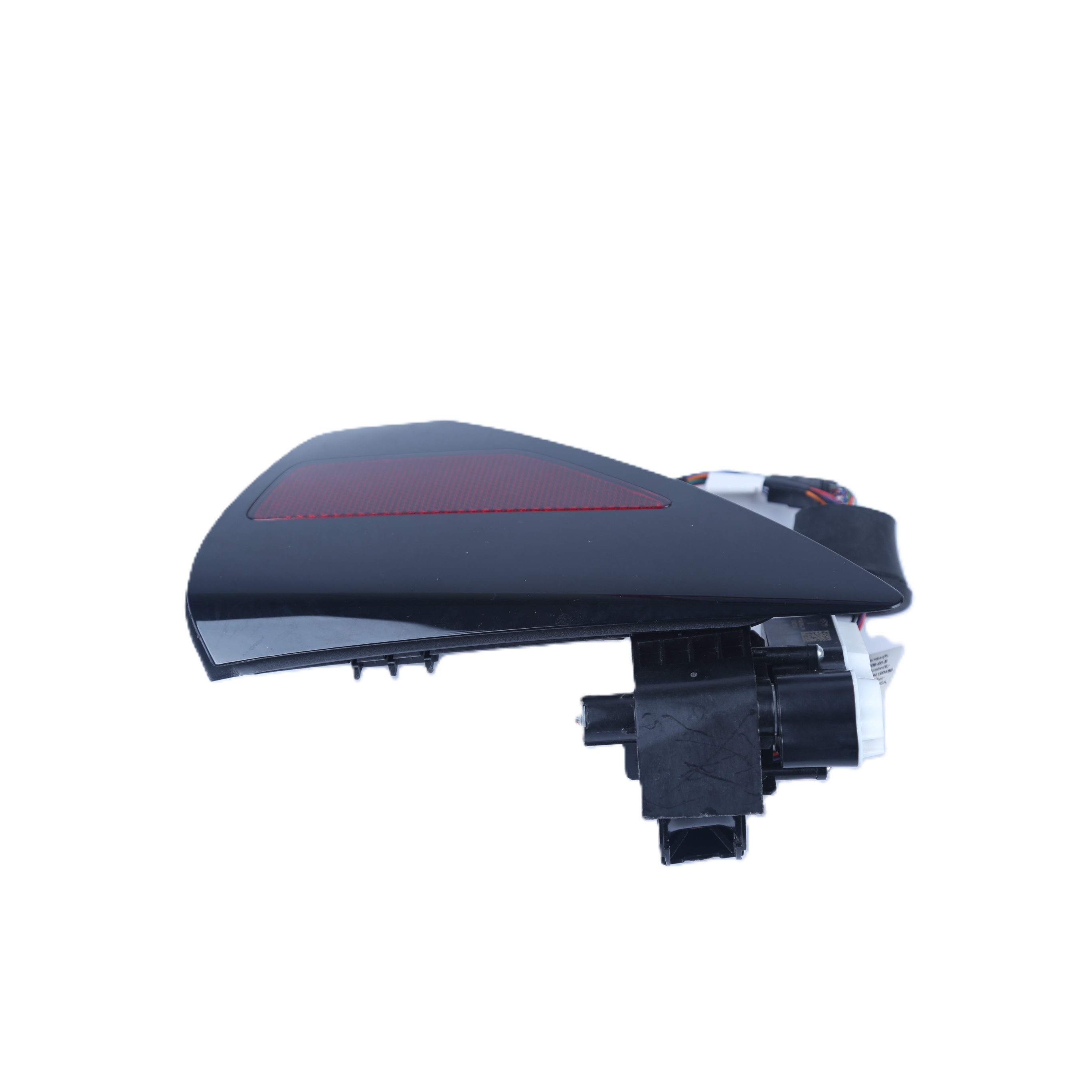
The long-term durability of automotive headlight assemblies depends fundamentally on the material composition of both the housing and lens components. Understanding which materials resist environmental degradation, thermal stress, and mechanical wear helps vehicle owners and fleet managers make informed decisions about replacement parts and maintenance strategies. Modern headlight systems face continuous exposure to ultraviolet radiation, temperature fluctuations, road debris impact, and chemical contaminants, making material selection a critical engineering consideration that directly affects performance longevity and total cost of ownership.
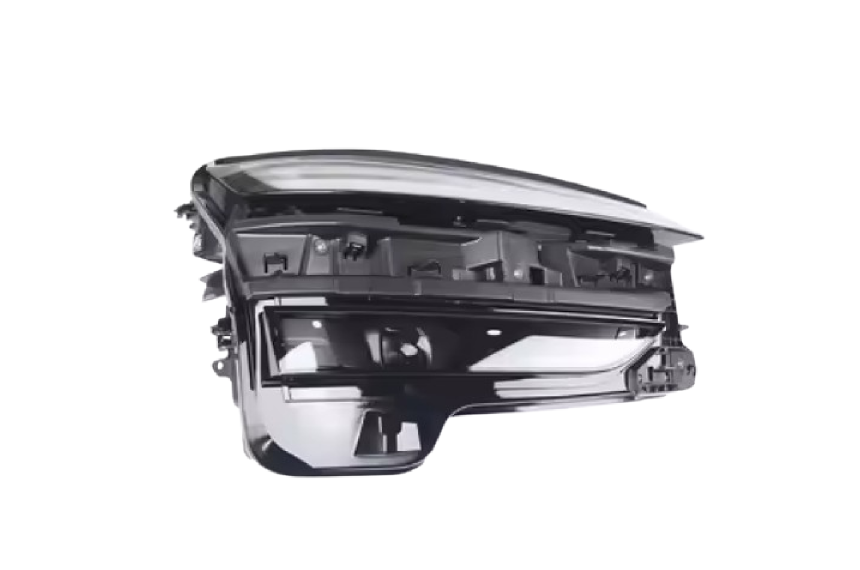
Material science has evolved significantly in headlight manufacturing over the past three decades, transitioning from glass lenses and metal housings to advanced polymer systems that offer superior design flexibility and weight reduction. However, not all polymers deliver equivalent durability profiles, and the specific formulation, additives, and processing methods determine how well a headlight assembly maintains optical clarity and structural integrity throughout its service life. This article examines the key materials used in contemporary headlight construction, their degradation mechanisms, and the performance characteristics that differentiate high-quality components from inferior alternatives.
Primary Housing Materials and Their Durability Characteristics
Acrylonitrile Butadiene Styrene (ABS) in Headlight Housing Construction
Acrylonitrile Butadiene Styrene represents the most widely adopted thermoplastic for headlight housing fabrication due to its exceptional balance of mechanical strength, impact resistance, and manufacturing processability. ABS polymers demonstrate excellent dimensional stability across the temperature ranges experienced in automotive applications, typically from negative forty to positive ninety degrees Celsius. The material's three-component structure combines acrylonitrile's chemical resistance, butadiene's toughness and impact strength, and styrene's rigidity and processability, creating a composite material system that withstands the stresses imposed on automotive lighting assemblies.
High-strength ABS formulations specifically engineered for headlight applications incorporate specialized additives that enhance ultraviolet resistance and thermal stability. These enhanced ABS compounds resist the embrittlement and discoloration that plague standard ABS grades when exposed to prolonged sunlight and heat cycling. The material maintains structural integrity even when subjected to the elevated temperatures generated by high-intensity discharge lamps or LED arrays, which can create localized hot spots exceeding eighty degrees Celsius in the housing cavity. Quality ABS housings retain their impact resistance throughout the service life, preventing the crack propagation that commonly occurs in lower-grade thermoplastics after years of thermal cycling.
Polypropylene and Reinforced Composite Alternatives
Polypropylene-based materials offer cost advantages for headlight housing construction but generally deliver inferior long-term durability compared to ABS formulations. Standard polypropylene exhibits lower heat deflection temperatures and reduced dimensional stability, making it unsuitable for the demanding thermal environment within modern headlight assemblies. However, glass-fiber reinforced polypropylene compounds partially address these limitations by significantly improving rigidity and heat resistance, though they remain more susceptible to ultraviolet degradation than properly formulated ABS materials.
Some manufacturers employ polycarbonate-ABS blends for housing construction, seeking to combine polycarbonate's superior heat resistance with ABS's processing advantages and cost profile. These alloy materials can deliver performance characteristics intermediate between pure ABS and pure polycarbonate, though the specific blend ratio and compatibilizer chemistry significantly influence the resulting durability profile. The long-term performance of these blended materials depends heavily on the quality of the compounding process and the precision with which the manufacturer controls the composition ratios throughout production runs.
Lens Material Selection and Optical Durability
Polycarbonate Lens Technology and UV Stabilization
Polycarbonate has become the dominant lens material for contemporary headlight assemblies, displacing traditional glass lenses due to its exceptional impact resistance, design flexibility, and weight advantages. The material's outstanding toughness prevents shattering during stone impacts that would destroy glass lenses, significantly enhancing safety and reducing replacement frequency from road hazard damage. Polycarbonate's thermoforming capabilities enable complex lens geometries that optimize light distribution patterns while accommodating aerodynamic vehicle styling requirements impossible to achieve with molded glass components.
However, unprotected polycarbonate suffers from inherent vulnerability to ultraviolet radiation, which causes photodegradation of the polymer chains, leading to yellowing, hazing, and eventual cracking of the lens surface. UV-stabilized polycarbonate formulations incorporate specialized additives that absorb or reflect ultraviolet wavelengths before they can damage the polymer matrix. High-quality UV stabilization packages typically combine UV absorbers, which chemically neutralize ultraviolet energy, with hindered amine light stabilizers that scavenge free radicals generated during photodegradation. Premium headlight lenses feature these stabilizers distributed throughout the polycarbonate matrix rather than relying solely on surface coatings, ensuring consistent UV protection even if the outer surface becomes abraded.
Hard Coating Systems and Abrasion Resistance
The relatively soft surface of polycarbonate compared to glass necessitates protective hard coating application to maintain optical clarity throughout the headlight service life. These hard coatings, typically based on siloxane or acrylic chemistries, create a sacrificial barrier that resists scratching from airborne particles, car wash brushes, and cleaning procedures. The coating thickness, typically ranging from five to fifteen microns, must balance abrasion resistance against the coating's inherent brittleness, which can lead to microcracking if applied too thick or without proper adhesion promotion.
Advanced multi-layer hard coating systems incorporate distinct functional layers that address different degradation mechanisms simultaneously. The primer layer ensures chemical bonding between the coating and polycarbonate substrate, preventing delamination during thermal cycling. The intermediate layer provides the primary scratch resistance through high crosslink density silicate networks, while the outer layer may incorporate hydrophobic functionality to facilitate water beading and self-cleaning behavior. The quality and proper application of these coating systems fundamentally determine whether a polycarbonate headlight lens maintains its optical clarity for five years or degrades within eighteen months of service.
Environmental Degradation Mechanisms Affecting Headlight Materials
Ultraviolet Radiation and Photodegradation Processes
Ultraviolet radiation represents the primary environmental threat to headlight material durability, particularly in regions with high solar intensity and extended daylight hours. UV photons possess sufficient energy to break chemical bonds in polymer chains, initiating free radical cascades that progressively degrade material properties. Polycarbonate lenses without adequate UV stabilization develop characteristic yellowing within twelve to twenty-four months of exposure, as chromophoric groups form within the degraded polymer structure. This discoloration not only creates an aesthetically poor appearance but also reduces light transmission efficiency, effectively dimming the headlight output and compromising nighttime visibility.
The photodegradation process accelerates at elevated temperatures, as thermal energy increases molecular mobility and reaction rates within the polymer matrix. Headlight assemblies mounted on vehicle fronts experience combined UV and thermal stress that exceeds the conditions encountered by most other automotive exterior components. ABS housings with insufficient UV stabilization similarly undergo photodegradation, though the visual impact typically manifests as chalking and surface roughness rather than the transparent yellowing observed in polycarbonate lenses. Quality headlight materials incorporate UV stabilizer loadings specifically calibrated to deliver protection throughout a ten-year service life under typical automotive exposure conditions.
Thermal Cycling and Material Fatigue
Repeated heating and cooling cycles impose significant mechanical stress on headlight materials, as thermal expansion and contraction create dimensional changes that accumulate fatigue damage over time. The temperature differential between cold winter nights and hot summer days can exceed eighty degrees Celsius in many climates, while the internal headlight environment experiences even more extreme variations when lamps cycle on and off. Polycarbonate lenses expand and contract at different rates than ABS housings, creating interfacial stresses at mounting points and sealing surfaces that can lead to crack initiation after thousands of thermal cycles.
LED headlight systems generate less heat than halogen or HID predecessors, reducing the thermal load on materials and extending potential service life. However, even LED assemblies create localized hot spots where heat sinks contact the housing structure, and these concentrated thermal zones can accelerate material degradation in specific regions. High-quality headlight materials maintain their mechanical properties across the full automotive temperature range, preventing the embrittlement at low temperatures that causes impact failure in cold climates and avoiding the creep deformation at elevated temperatures that leads to sagging lenses and misaligned optical patterns.
Chemical Exposure and Environmental Contaminant Resistance
Automotive headlight assemblies encounter numerous chemical agents throughout their service life, including road salt, petroleum products, cleaning solutions, and atmospheric pollutants. These substances can attack polymer materials through various mechanisms, including plasticizer extraction, surface etching, and stress cracking. Road salts, particularly calcium chloride and magnesium chloride formulations, prove especially aggressive toward certain polymer formulations, causing surface degradation and accelerating crack propagation in stressed areas. Fuel splash and oil contact present additional challenges, as hydrocarbon solvents can soften polycarbonate and ABS materials, leading to dimensional changes and reduced mechanical strength.
Premium headlight materials incorporate chemical resistance packages that protect against these common automotive contaminants without compromising other performance characteristics. The material formulation must balance chemical resistance against impact toughness and optical clarity, as additives that enhance one property often degrade others. UV-stabilized polycarbonate lenses with proper hard coating systems demonstrate excellent resistance to most automotive chemicals, though they remain vulnerable to strong alkaline cleaners and certain organic solvents. Headlight housing materials with superior chemical resistance maintain their structural integrity and sealing performance even after years of exposure to road spray, preventing the moisture ingress that leads to internal condensation and reflector degradation.
Advanced Material Technologies Enhancing Headlight Longevity
Nano-Composite Additives and Performance Enhancement
Recent advances in polymer science have introduced nano-scale additives that significantly enhance the durability characteristics of headlight materials without substantially increasing manufacturing costs. Nano-silica particles dispersed within polycarbonate matrices improve scratch resistance and reduce thermal expansion coefficients, while nano-clay platelets create tortuous paths that slow moisture diffusion and enhance dimensional stability. These nano-composite formulations deliver property improvements beyond what conventional filler systems achieve because the enormous surface area of nano-particles enables effective reinforcement at low loading levels that preserve optical clarity and processing characteristics.
Carbon nanotube additives represent an emerging technology for headlight housing materials, offering potential benefits including enhanced thermal conductivity for improved heat dissipation from LED arrays and increased electrical conductivity that may reduce static charge accumulation and dust attraction. However, the high cost of carbon nanotubes currently limits their application to premium automotive segments, and manufacturing challenges related to achieving uniform dispersion throughout polymer matrices must be resolved before widespread commercial adoption becomes economically viable. As production scale increases and costs decline, nano-engineered materials may become standard in mainstream headlight assemblies, delivering durability improvements that extend replacement intervals beyond current norms.
Self-Healing Coating Systems
Self-healing coating technologies represent a promising approach to maintaining headlight lens clarity despite the inevitable minor scratches and abrasions that occur during normal vehicle operation. These advanced coating systems incorporate microcapsules containing reactive monomers that release and polymerize when scratches rupture the capsule walls, filling damage sites and restoring surface integrity. Alternative self-healing mechanisms employ shape-memory polymers that flow and level when heated by sunlight or warm water, smoothing over minor surface imperfections without requiring any external intervention.
While self-healing coatings show considerable promise in laboratory testing, their real-world performance on automotive headlight lenses faces challenges related to healing efficiency for deeper scratches, durability of the healing mechanism over multiple damage-repair cycles, and compatibility with standard polycarbonate processing methods. Current-generation self-healing coatings typically address only superficial micro-scratches rather than the deeper abrasions caused by significant impacts or aggressive cleaning procedures. As the technology matures, future headlight generations may incorporate self-healing capabilities that substantially reduce the optical degradation currently considered inevitable over extended service periods.
Material Quality Indicators and Selection Criteria
Certification Standards and Performance Specifications
Quality headlight materials meet specific industry standards that define minimum performance requirements for optical properties, weathering resistance, and mechanical durability. SAE and ECE regulations establish testing protocols that simulate years of environmental exposure through accelerated weathering chambers that combine UV radiation, elevated temperatures, and moisture cycling. Materials passing these certification tests demonstrate proven resistance to the degradation mechanisms that compromise inferior formulations, providing objective evidence of expected service life rather than relying solely on manufacturer claims.
Specification documents for premium headlight components typically define minimum requirements for UV stabilizer loading, hard coating thickness and adhesion strength, impact resistance at specified temperatures, and chemical resistance to standard automotive fluids. These quantitative specifications enable meaningful comparison between different material formulations and manufacturing sources, though actual long-term performance depends on consistent quality control throughout production. Vehicle owners and fleet managers selecting replacement headlight assemblies should prioritize components manufactured from materials meeting or exceeding original equipment specifications, as cost-reduced alternatives often achieve lower pricing through material downgrades that significantly compromise durability.
Visual and Physical Inspection Methods
Several practical inspection techniques can help assess headlight material quality before purchase or identify early signs of degradation in installed units. High-quality polycarbonate lenses exhibit exceptional optical clarity with no visible haze, cloudiness, or color tint when viewed against a white background under bright light. The lens surface should feel smooth with no perceptible texture variation, and hard coating application should appear uniform without any areas showing orange peel texture or coating discontinuities. Housing materials should demonstrate consistent color throughout the component with no surface chalking, and the material should resist flexing when moderate pressure is applied, indicating appropriate wall thickness and material rigidity.
Early-stage degradation manifests as subtle changes that predict future performance decline if the headlight assembly remains in service. Polycarbonate lenses beginning to fail develop slight yellowing first visible at the lens periphery where thickness is greatest and UV exposure most concentrated. The hard coating may show fine microcracks visible under magnification, indicating coating failure that will accelerate abrasion and allow direct UV attack on the underlying polycarbonate. Housing materials exhibiting surface chalking or color fading demonstrate insufficient UV stabilization and will likely develop brittleness leading to crack formation. Identifying these early warning signs enables proactive replacement before degradation compromises safety-critical illumination performance.
FAQ
How long should headlight lenses made from UV-stabilized polycarbonate maintain optical clarity?
UV-stabilized polycarbonate headlight lenses with properly applied hard coating systems should maintain acceptable optical clarity for five to ten years under typical automotive use conditions. The actual service life depends on geographic location, with vehicles in high-UV regions like the southwestern United States experiencing more rapid degradation than those in northern climates with less intense sunlight. Premium formulations with comprehensive UV stabilizer packages and multi-layer hard coatings can exceed ten years of service while maintaining transmission efficiency above ninety percent, whereas economy-grade materials may show significant yellowing and hazing within three to four years. Regular cleaning with appropriate non-abrasive methods and avoiding harsh chemical cleaners helps maximize lens service life regardless of initial material quality.
Why do some replacement headlight assemblies yellow and crack much faster than others?
The dramatic variation in replacement headlight durability primarily reflects differences in material quality and manufacturing standards rather than design factors. Economy replacement headlight assemblies frequently employ polycarbonate formulations with inadequate UV stabilizer loading or omit the hard coating application entirely to reduce manufacturing costs, resulting in components that degrade within twelve to twenty-four months despite appearing identical to premium alternatives at installation. The housing materials in inferior replacements similarly lack proper UV stabilization additives, leading to premature embrittlement and crack formation. Consumers should prioritize replacement headlights explicitly specifying UV-stabilized polycarbonate lenses with hard coating and high-strength ABS housings, even if these components command higher prices, as the extended service life and maintained performance justify the additional investment compared to frequent replacement of degraded economy alternatives.
Can headlight lens coatings be reapplied after they degrade to restore optical clarity?
Aftermarket headlight restoration processes can temporarily improve the appearance of degraded lenses through aggressive polishing that removes the damaged surface layer, followed by application of protective coatings intended to prevent immediate re-degradation. However, these restoration procedures deliver limited longevity because they cannot address the photodegradation that has already occurred within the polycarbonate substrate below the surface layer. The restoration process removes material thickness, potentially affecting the optical design and reducing impact resistance, while the applied coatings typically lack the adhesion strength and durability of factory-applied hard coating systems. Most restored headlights show renewed degradation within six to eighteen months, making restoration economically viable only as a temporary measure while planning for complete assembly replacement with quality components manufactured from properly stabilized materials.
Do LED headlight systems reduce material degradation compared to halogen bulbs?
LED headlight technology significantly reduces the thermal load on housing and lens materials compared to halogen and HID predecessors, as LEDs generate less waste heat and concentrate thermal output in localized areas managed by dedicated heat sinks rather than broadly heating the entire assembly cavity. This reduced thermal stress extends material service life by decreasing the rate of thermally-activated degradation processes and reducing thermal cycling magnitude that causes fatigue damage. However, LED systems do not eliminate UV exposure from sunlight, which remains the primary degradation mechanism for headlight lenses, meaning that material quality and UV stabilization remain critical factors even in LED assemblies. The combination of LED technology with premium UV-stabilized materials delivers optimal longevity, as the reduced thermal stress and proper photodegradation protection work synergistically to maximize headlight service life beyond what either factor achieves independently.
Table of Contents
- Primary Housing Materials and Their Durability Characteristics
- Lens Material Selection and Optical Durability
- Environmental Degradation Mechanisms Affecting Headlight Materials
- Advanced Material Technologies Enhancing Headlight Longevity
- Material Quality Indicators and Selection Criteria
-
FAQ
- How long should headlight lenses made from UV-stabilized polycarbonate maintain optical clarity?
- Why do some replacement headlight assemblies yellow and crack much faster than others?
- Can headlight lens coatings be reapplied after they degrade to restore optical clarity?
- Do LED headlight systems reduce material degradation compared to halogen bulbs?