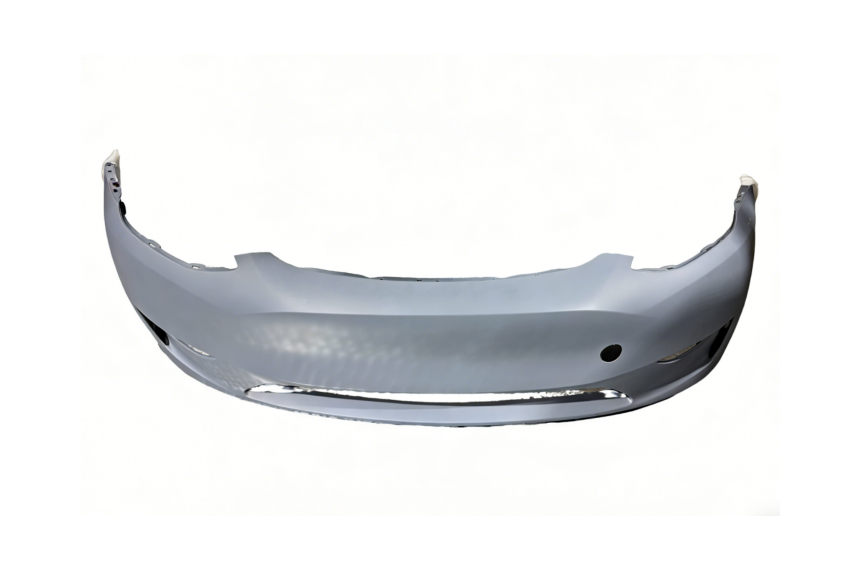
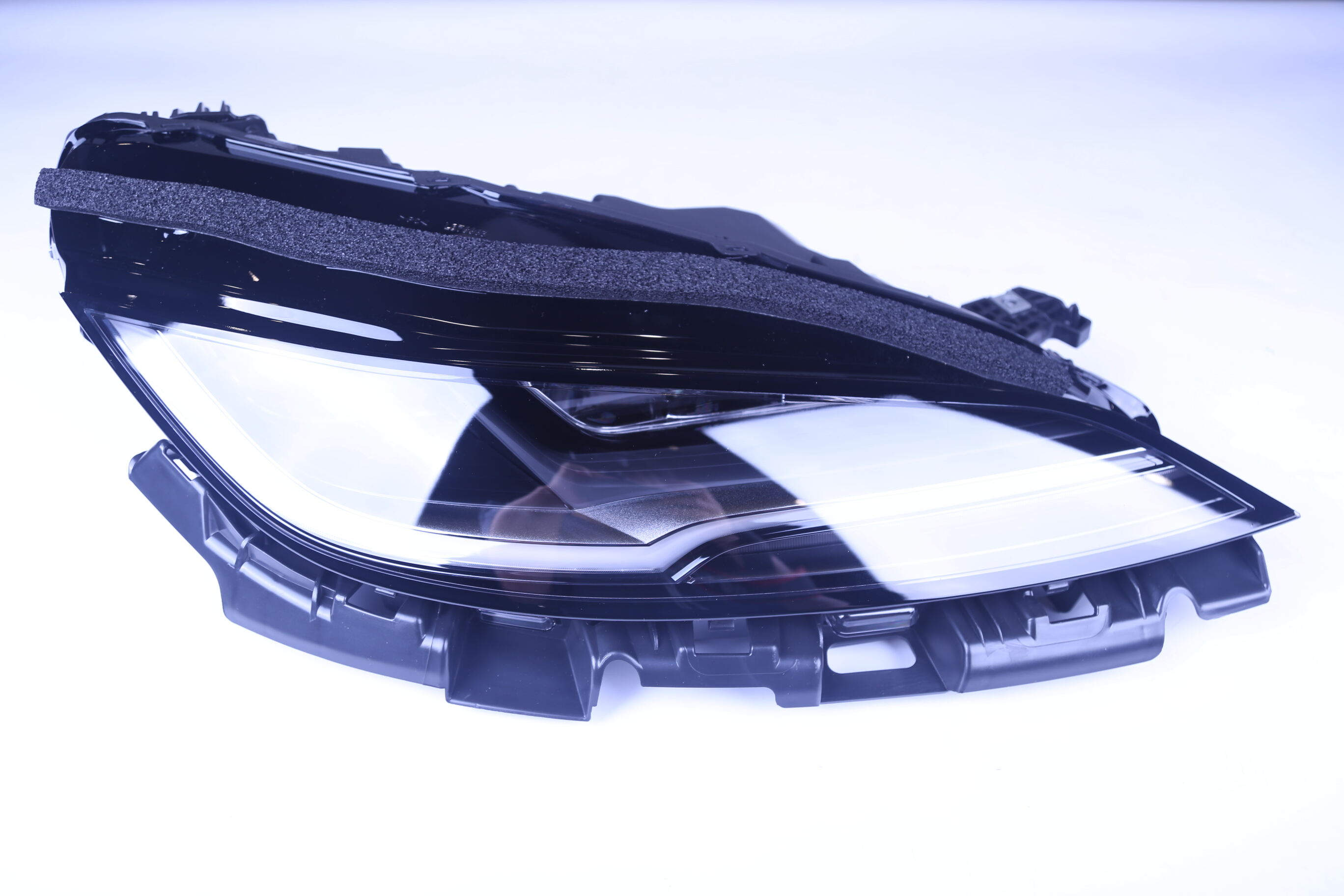
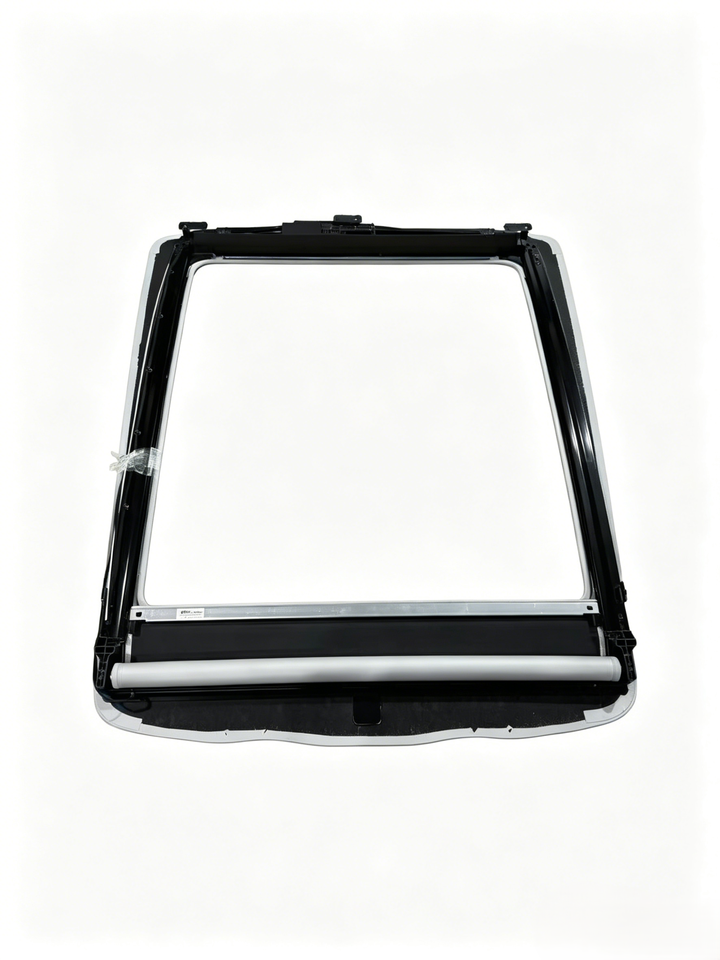
Inteligentní integrace zvyšuje funkčnost automobilového osvětlení a uživatelskou zkušenost
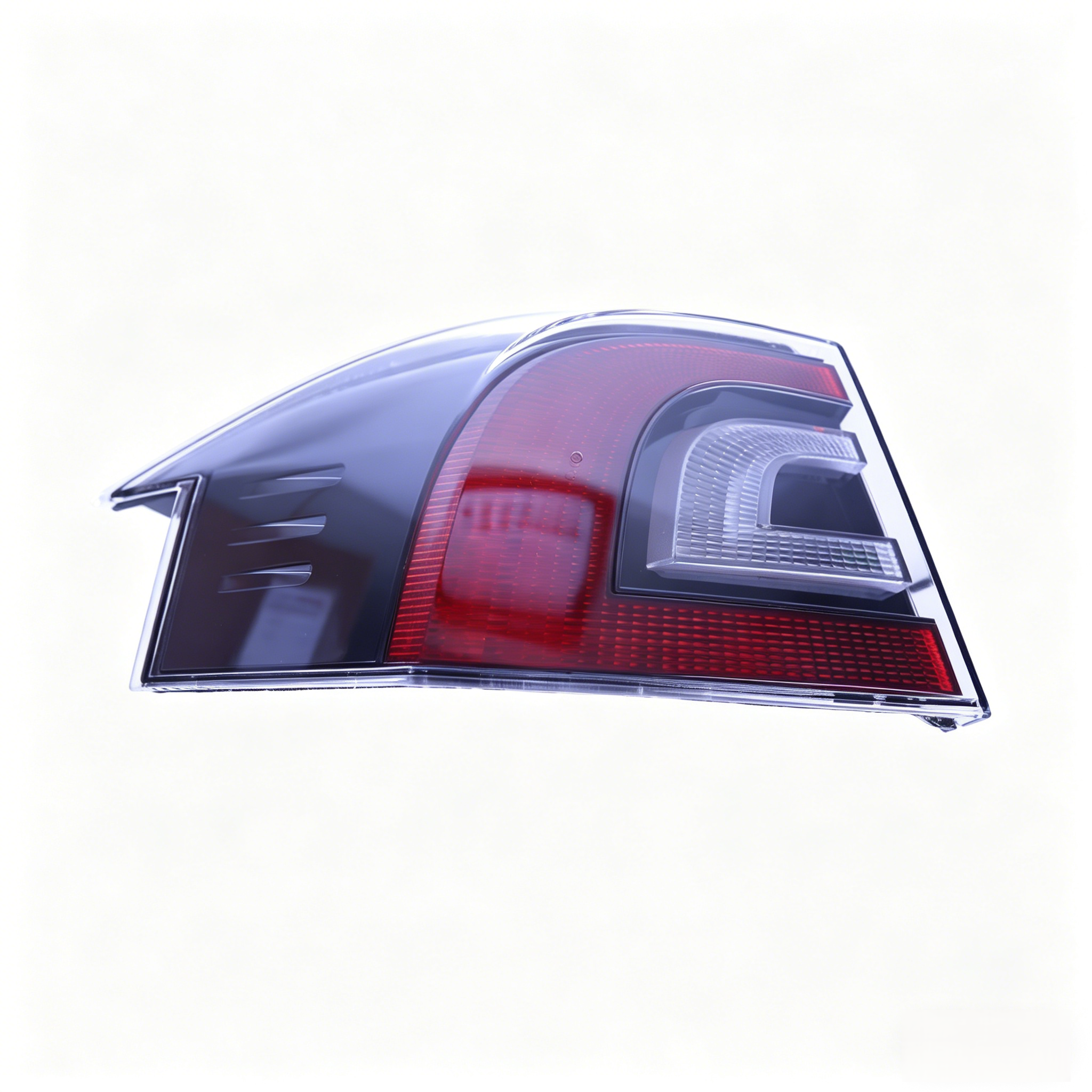
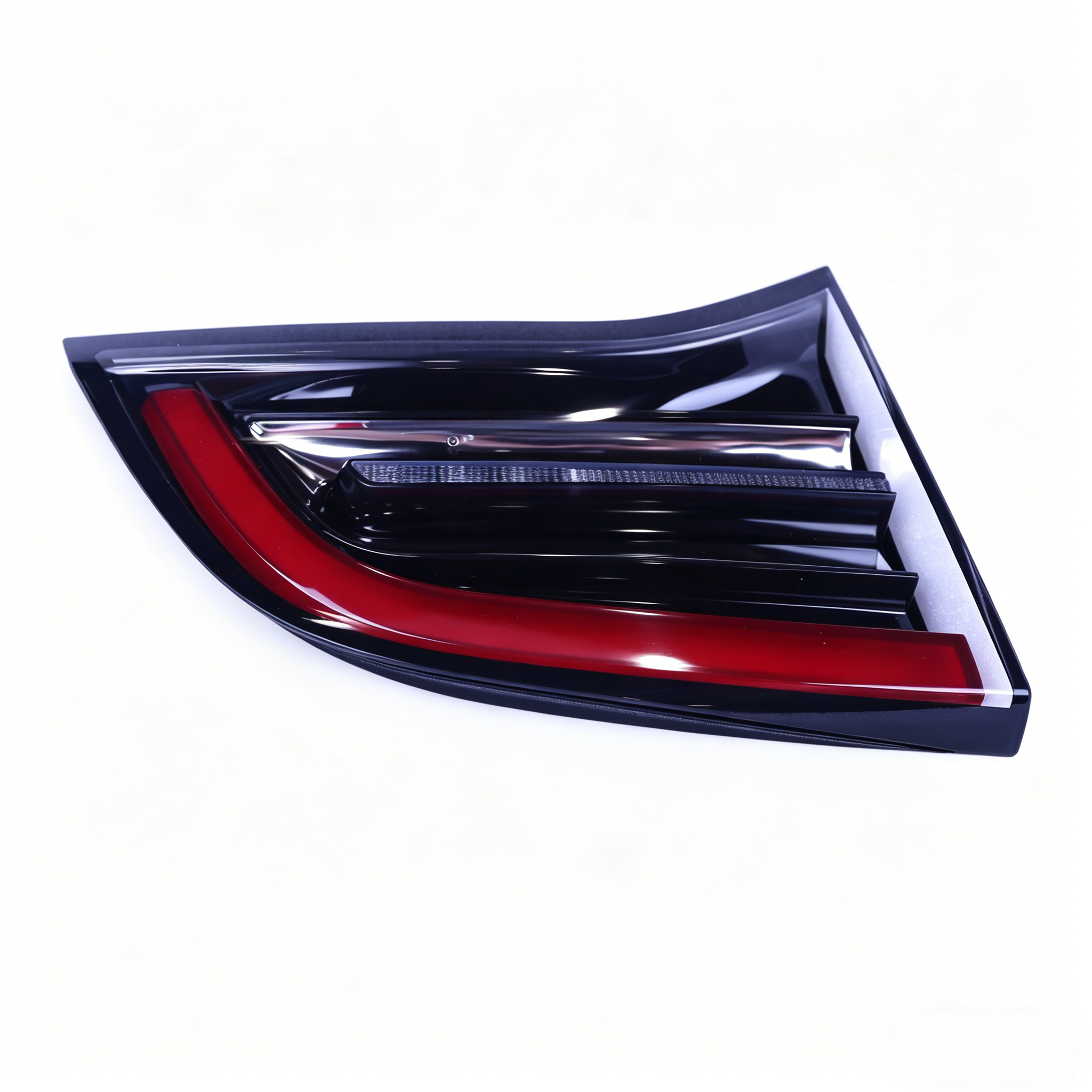
Integrace automobilového osvětlení se širšími systémy řízení vozidla a senzorovými sítěmi vytváří inteligentní ekosystémy, které výrazně rozšiřují funkčnost daleko za rámec jednoduchého zapínání a vypínání, a poskytují sofistikované uživatelské zážitky, které se bezproblémově přizpůsobují měnícím se podmínkám a potřebám řidiče. Moderní vozidla využívají senzory okolního osvětlení, které neustále monitorují úroveň jasnosti prostředí, a automaticky aktivují dálková světla, základní světla a osvětlení přístrojové desky v případě, že podmínky vyžadují doplňkové osvětlení; tím eliminují nutnost manuálního zásahu a zajišťují stálou viditelnost bez ohledu na změny počasí nebo vjezd do tunelu. Tato automatická funkce odstraňuje lidský faktor chyby, kdy by řidič mohl zapomenout zapnout světla za hraničních podmínek viditelnosti, čímž zvyšuje bezpečnost pro obsahující vozidlo i pro ostatní účastníky provozu, kteří by jinak mohli mít obtíže s detekcí nedostatečně osvětleného vozidla. Systémy detekce deště komunikují s řídicími jednotkami automobilového osvětlení, aby aktivovaly mlhová světla nebo upravily světelné paprsky při zaznamenání srážek, čímž optimalizují viditelnost skrz vlhký vzduch, který konvenční světelné paprsky neúčinně rozptyluje. Propojení automobilového osvětlení se systémy navigace umožňuje prediktivní úpravy, kdy charakteristiky nadcházející trasy ovlivňují konfiguraci osvětlení ještě před tím, než vozidlo dosáhne konkrétního místa, a připravují optimální osvětlení pro ostré zatáčky, křižovatky nebo změny nadmořské výšky na základě podrobných mapových dat. Systémy zabránění kolizím jsou integrovány s automobilovým osvětlením tak, aby poskytovaly vizuální varování rychlým blikáním nebo změnou barvy při detekci potenciálních kolizních scénářů ze strany senzorů; tím využívají pozornost přilákající povahu světla k doplnění zvukových varování a ke zvýšení povědomí řidiče o nebezpečných situacích. Sekvence uvítacího osvětlení se aktivují, jakmile majitel vozidla přichází s klíčovým fobem, a osvětlují cestičky a interiér vozidla, čímž zvyšují pohodlí a bezpečnost v temných parkovištích – což ukazuje, jak automobilové osvětlení přesahuje pouze funkci při jízdě a přispívá k celkovému zážitku z vlastnictví vozidla. Interiérové automobilové osvětlovací systémy využívají sofistikované řídicí mechanismy, které umožňují individuální přizpůsobení barvy, intenzity a rozložení světla, čímž vytvářejí personalizované kabiny, které zvyšují pohodlí během delších jízd, aniž by byla narušena ergonomická viditelnost ovládacích prvků a displejů. Algoritmy detekce únavy mohou spustit změny v automobilovém osvětlení, které zvyšují bdělost, pokud monitorovací systémy zaznamenají příznaky ospalosti; subtilní úprava ambientního osvětlení tak pomáhá udržet soustředění řidiče, aniž by ho rozptylovala. Komunikační protokoly umožňují automobilovému osvětlení účastnit se komunikace mezi vozidly; experimentální systémy umožňují autům vyměňovat informace prostřednictvím modulovaných světelných signálů, které by v budoucích chytrých silničních sítích mohly upozorňovat na nebezpečí nebo koordinovat provoz. Diagnostické funkce integrovaných automobilových osvětlovacích systémů sledují stav komponentů a hlásí blížící se poruchy ještě před tím, než dojde k úplnému selhání, čímž umožňují preventivní údržbu a předcházejí neočekávaným poruchám na silnici. Uživatelská rozhraní pro řízení automobilového osvětlení se vyvinula od jednoduchých otočných spínačů až po dotykové obrazovky a hlasové příkazy, čímž se sofistikované nastavení funkcí stalo snadno přístupným bez nutnosti technických znalostí nebo odvádění pozornosti od primárních úkolů řidiče. Data shromážděná senzory podporujícími funkce automobilového osvětlení přispívají k širší inteligenci vozidla a informují algoritmy strojového učení, které optimalizují systémy autonomního řízení a zlepšují celkový výkon vozidla prostřednictvím komplexního povědomí o prostředí.
 ×
×





 EN
EN