Advanced Automotive Lighting Solutions: LED Technology, Adaptive Beams & Safety Features

Get a Free Quote

Our representative will contact you soon.
Email
Name
Company Name
Message
0/1000

automotive lighting

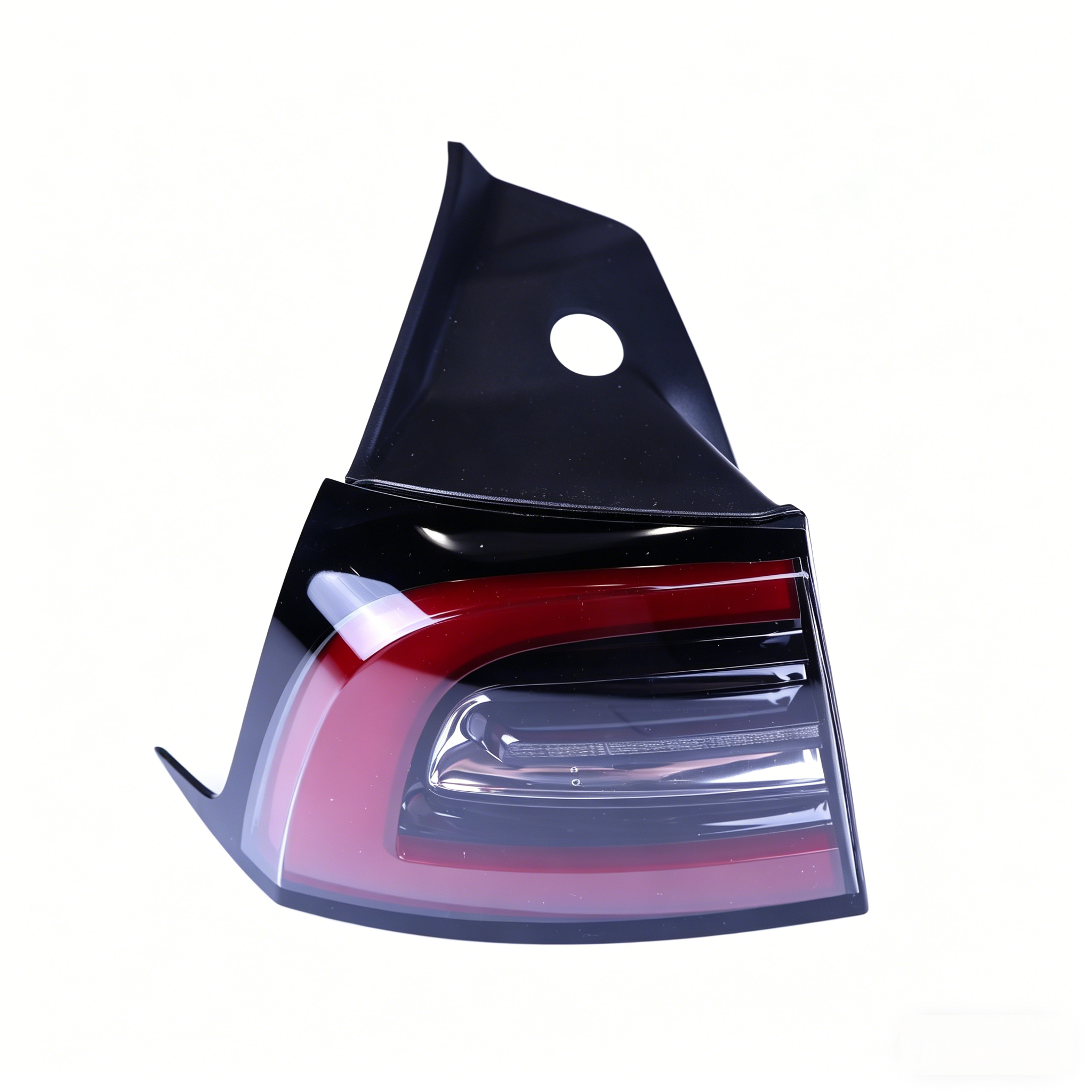
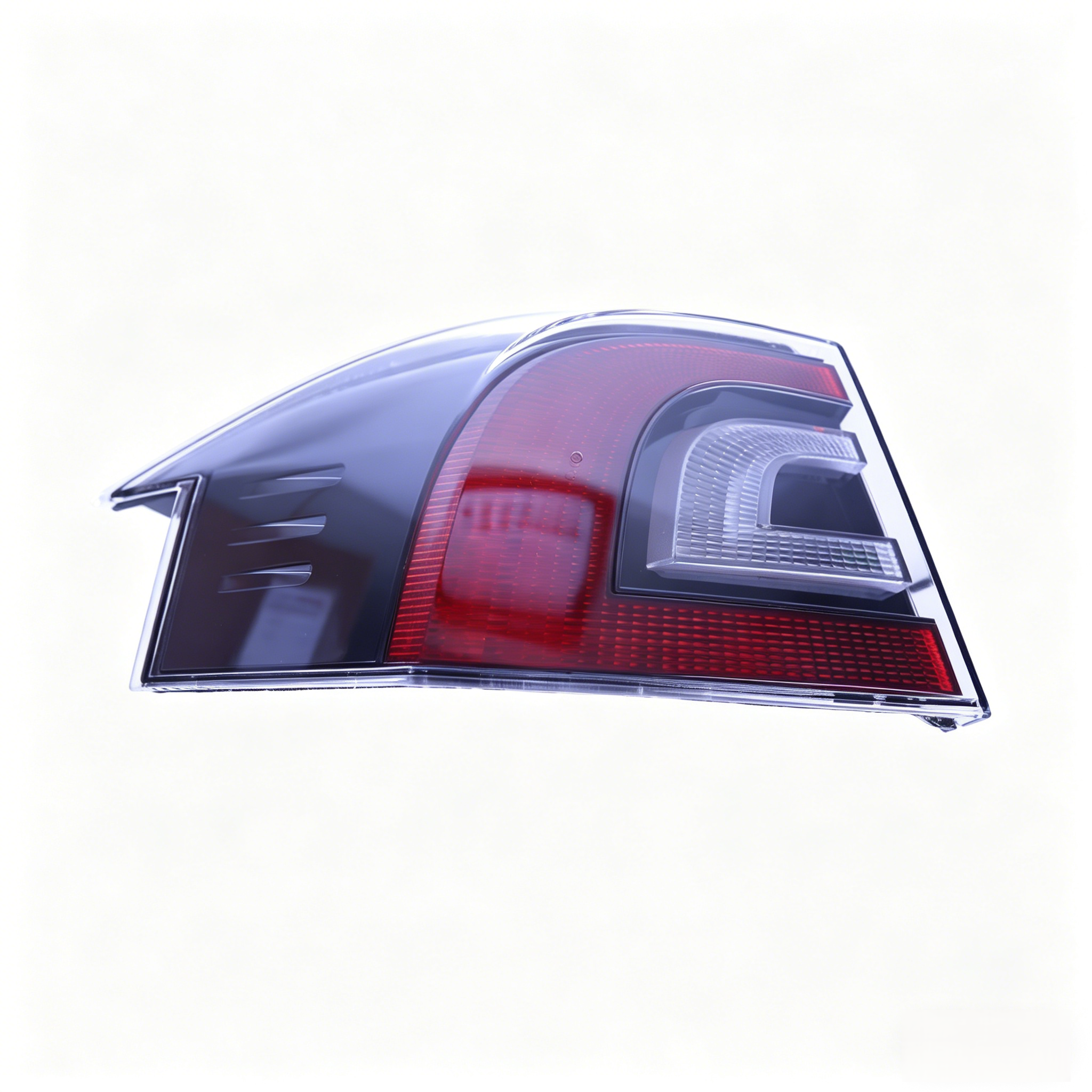
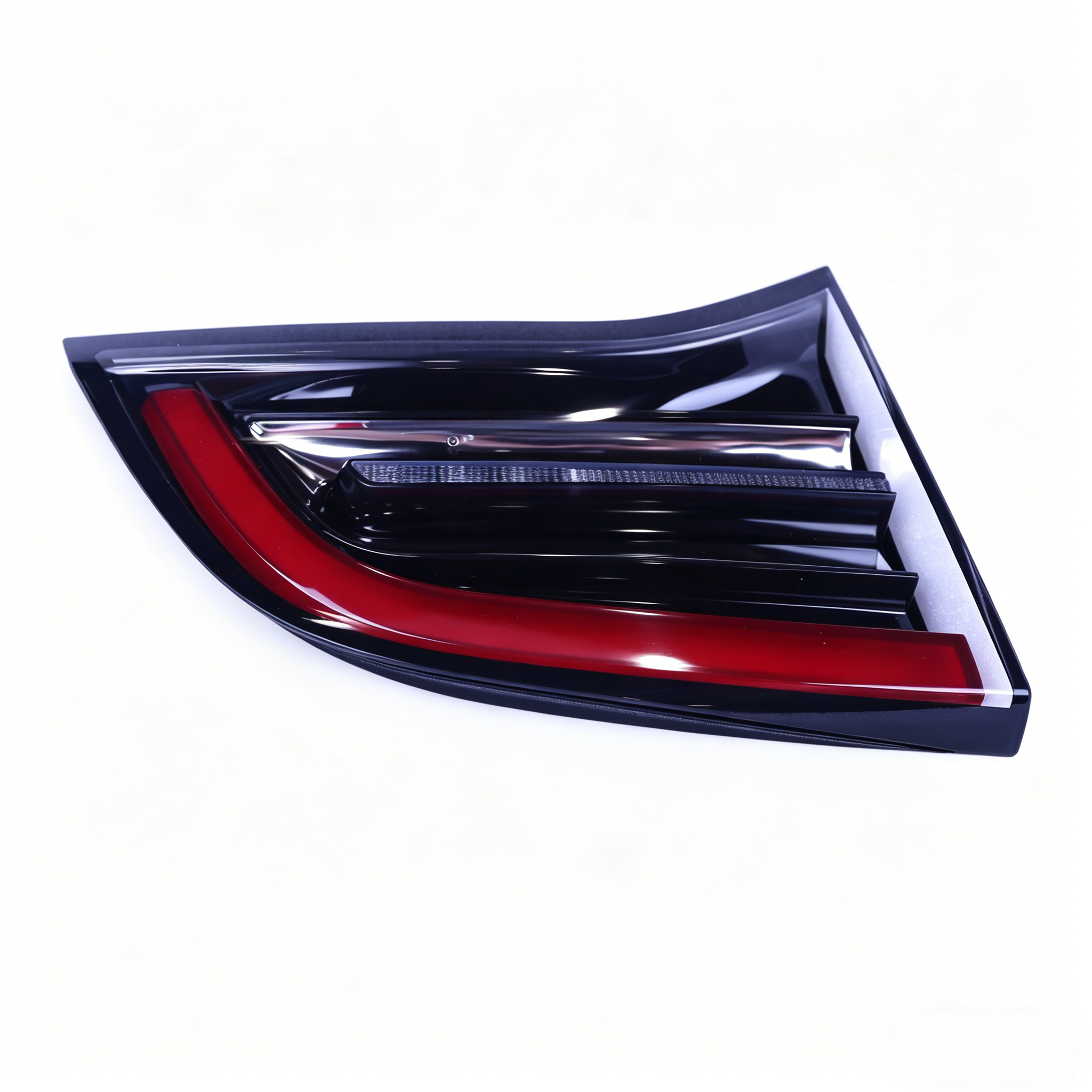
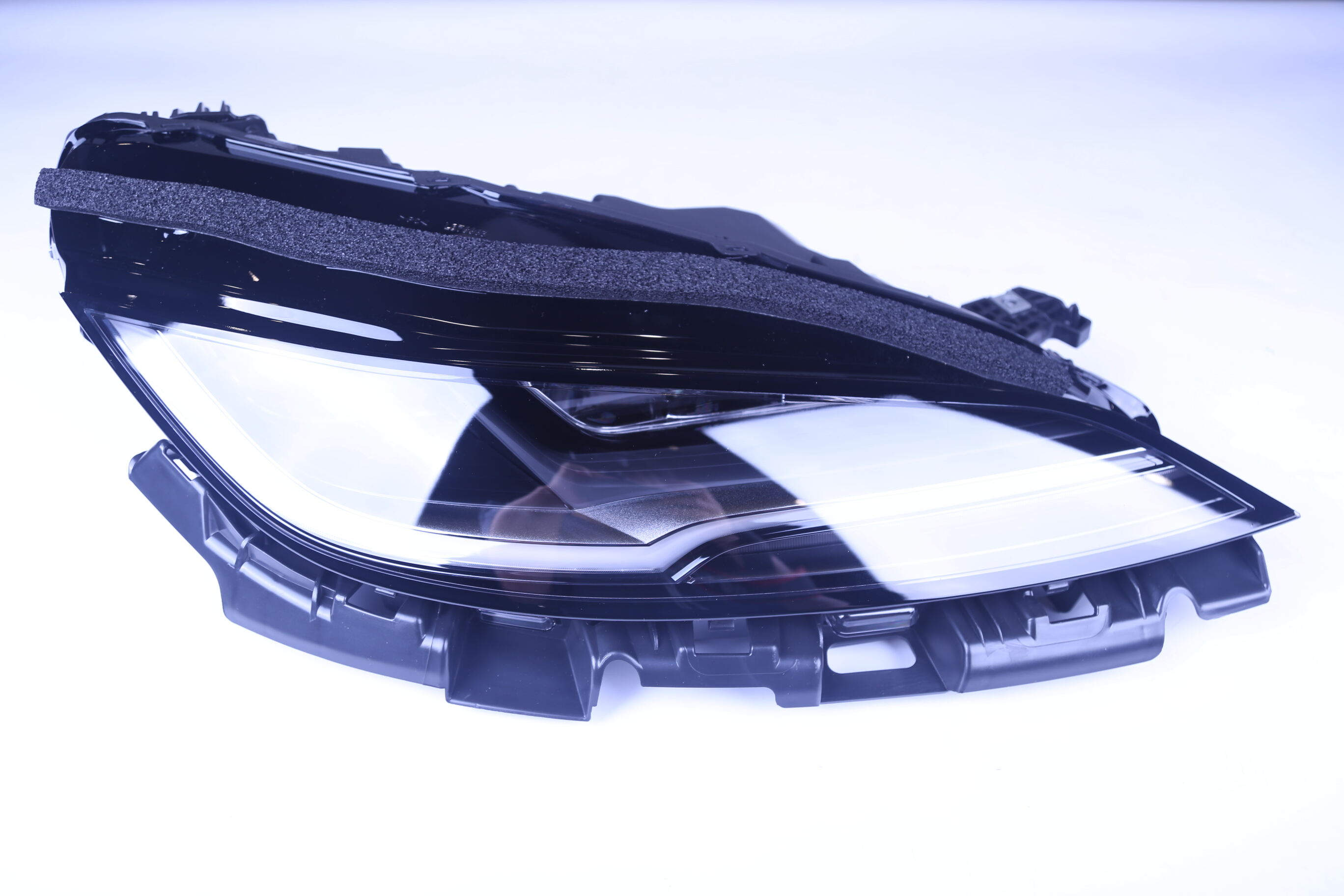
Automotive lighting represents a critical safety and functional component in modern vehicles, serving purposes that extend far beyond simple illumination. These sophisticated systems integrate advanced technologies to enhance visibility, communication, and aesthetic appeal while meeting stringent regulatory standards. The primary functions of automotive lighting include illuminating roadways during low-light conditions, signaling intentions to other motorists, improving vehicle visibility to pedestrians and other drivers, and contributing to the overall design language of contemporary automobiles. Modern automotive lighting systems incorporate diverse technologies including halogen bulbs, high-intensity discharge lamps, and increasingly popular light-emitting diode solutions. Each technology offers distinct characteristics in terms of energy efficiency, luminous output, color temperature, and operational lifespan. The technological evolution has transformed automotive lighting from basic incandescent bulbs into intelligent systems capable of adaptive beam patterns, automatic intensity adjustment, and dynamic cornering illumination. Advanced features such as matrix beam technology allow selective deactivation of specific light segments to prevent glare for oncoming traffic while maintaining optimal illumination elsewhere. Applications of automotive lighting span multiple vehicle areas including headlamps for forward illumination, taillights for rear visibility, turn signals for directional communication, brake lights for deceleration indication, fog lights for adverse weather conditions, daytime running lights for constant visibility, and interior lighting for cabin functionality. The integration of automotive lighting with vehicle control systems enables sophisticated features like automatic headlight activation based on ambient light sensors, adaptive front lighting systems that pivot headlamps according to steering input, and high beam assist that automatically toggles between high and low beams based on detected traffic. These innovations significantly enhance driver confidence, reduce accident risks, and improve overall road safety while contributing to reduced energy consumption and extended component longevity through efficient power management systems.


New Product Releases

The advantages of automotive lighting extend across multiple dimensions that directly benefit vehicle owners and operators in practical, measurable ways. Enhanced safety stands as the foremost benefit, with improved lighting systems dramatically reducing accident rates during nighttime driving and adverse weather conditions. Drivers gain superior road visibility, allowing earlier detection of obstacles, pedestrians, and potential hazards, which translates to increased reaction time and better decision-making capabilities. The implementation of advanced automotive lighting technologies delivers substantial energy savings compared to traditional lighting solutions, reducing fuel consumption in conventional vehicles and extending battery range in electric vehicles through lower power draw. Modern lighting systems last significantly longer than older technologies, with many LED-based solutions operating reliably for the entire vehicle lifespan without requiring replacement, eliminating maintenance costs and inconvenience associated with frequent bulb changes. The superior light quality produced by contemporary automotive lighting provides more natural color rendering, reducing eye strain during extended driving periods and improving driver comfort on long journeys. Adaptive lighting features adjust beam patterns automatically based on driving conditions, ensuring optimal illumination without manual intervention, which allows drivers to focus entirely on road awareness rather than lighting controls. Environmental benefits arise from reduced energy consumption and elimination of hazardous materials found in older lighting technologies, contributing to lower carbon footprints and simplified recycling processes. The quick response time of modern lighting systems, particularly LED technology, activates almost instantaneously compared to traditional bulbs, providing following drivers with earlier brake light warnings and potentially preventing rear-end collisions. Automotive lighting enhances vehicle aesthetics through sleek, modern designs that complement contemporary styling trends while allowing manufacturers to create distinctive brand identities through signature lighting elements. Weather resistance improvements mean modern lighting systems maintain consistent performance across extreme temperature ranges, humidity levels, and environmental conditions without degradation. The reliability of advanced automotive lighting reduces roadside failures and associated safety risks from unexpected lighting malfunctions during critical driving situations. Precise beam control minimizes light pollution and glare affecting other road users, promoting courteous driving behavior and reducing antagonistic interactions between motorists. Integration with vehicle safety systems allows automotive lighting to participate in collision avoidance strategies, with some systems flashing lights to warn drivers of detected dangers. Cost-effectiveness emerges over vehicle ownership periods through reduced replacement expenses, lower energy consumption, and decreased maintenance requirements, offsetting higher initial investment costs. The versatility of modern automotive lighting enables customization options that allow vehicle owners to personalize appearances while maintaining functionality and regulatory compliance.

Practical Tips

Consolidating Foundations, Forging New Paths, Gathering Momentum for Breakthroughs - Jiapei's Two Grand Events of 2026 Conclude Successfully

09

Apr

Consolidating Foundations, Forging New Paths, Gathering Momentum for Breakthroughs - Jiapei's Two Grand Events of 2026 Conclude Successfully

View More
Shanghai Jiapei Partners with Mahle to Launch a New Journey in China's Chassis Aftermarket

07

Apr

Shanghai Jiapei Partners with Mahle to Launch a New Journey in China's Chassis Aftermarket

View More
Jiapei's 2025 Yan'an Summit Concludes Successfully: Empowered by Red Gene, Embarking on a New Journey of

28

Apr

Jiapei's 2025 Yan'an Summit Concludes Successfully: Empowered by Red Gene, Embarking on a New Journey of "Nurturing Ambition, Securing Customer Trust, Forging the Future"

View More

Get a Free Quote

Our representative will contact you soon.
Email
Name
Company Name
Message
0/1000

automotive lighting

Advanced Adaptive Beam Technology Revolutionizes Night Driving Safety

Advanced Adaptive Beam Technology Revolutionizes Night Driving Safety

Adaptive beam technology represents a groundbreaking advancement in automotive lighting that fundamentally transforms the night driving experience through intelligent, dynamic light distribution. This sophisticated system continuously monitors driving conditions, vehicle speed, steering angle, and surrounding traffic to automatically adjust headlight beam patterns in real-time, ensuring optimal illumination without compromising the visibility of other road users. The technology employs multiple light-emitting diodes arranged in precise matrix configurations, each controllable independently to create customized lighting patterns suited to specific driving scenarios. When approaching oncoming traffic, the system selectively deactivates specific LED segments that would cause glare while maintaining maximum illumination in other areas, allowing drivers to benefit from high beam visibility without disturbing other motorists. During cornering maneuvers, adaptive automotive lighting pivots the beam pattern in the direction of steering input, illuminating the intended path before the vehicle enters the turn and revealing potential hazards that would remain hidden with conventional static lighting. The system recognizes various driving environments including urban streets, rural highways, and residential areas, adjusting light intensity and distribution accordingly to provide appropriate illumination levels for each context. In urban settings, the automotive lighting reduces beam intensity to prevent excessive glare reflecting from road signs and nearby buildings while maintaining sufficient visibility for pedestrian detection. Highway driving activates extended range illumination that projects light farther ahead, giving drivers earlier warning of road conditions and obstacles at higher speeds. The integration with GPS navigation data allows predictive beam adjustment, with the system preparing lighting configuration for upcoming curves and intersections based on map information. Drivers experience reduced eye fatigue because the consistent, optimized illumination eliminates the constant adjustment between overly bright and insufficiently lit conditions that characterize traditional lighting systems. The precision control prevents wasted light that contributes to light pollution, focusing luminous output exactly where needed for safe navigation. This environmental consideration aligns with growing awareness of ecological impacts while delivering tangible safety improvements. The reliability of solid-state LED technology underlying adaptive beam systems ensures consistent performance throughout the vehicle lifespan, maintaining sophisticated functionality without degradation that affects older technologies. Vehicle manufacturers implement these advanced automotive lighting features to differentiate premium offerings, but increasing adoption across market segments makes this technology accessible to broader consumer audiences, democratizing safety benefits previously reserved for luxury vehicles.
Energy Efficiency and Longevity Define Modern LED Automotive Lighting Solutions

Energy Efficiency and Longevity Define Modern LED Automotive Lighting Solutions

Light-emitting diode technology has revolutionized automotive lighting by delivering unprecedented combinations of energy efficiency, operational longevity, and performance reliability that traditional lighting solutions cannot match. The fundamental physics of LED operation allows these components to convert electrical energy into visible light with minimal waste heat generation, achieving efficiency levels approaching eighty percent compared to the five to ten percent efficiency typical of incandescent bulbs used in older automotive lighting systems. This dramatic efficiency improvement translates directly into reduced electrical load on vehicle charging systems, decreasing fuel consumption in conventional automobiles and extending driving range in battery-electric vehicles where every watt of power consumption directly affects available mileage. The reduced power requirements enable automotive lighting designers to implement more extensive lighting features without overwhelming vehicle electrical systems, facilitating the adoption of daytime running lights, accent lighting, and enhanced signal visibility that improve safety margins. LED-based automotive lighting operates reliably for fifty thousand hours or more under typical usage patterns, effectively lasting the entire service life of most vehicles without requiring replacement, eliminating the recurring expense and inconvenience of periodic bulb changes that characterize traditional lighting technologies. The extended lifespan stems from the absence of fragile filaments or pressurized gas chambers that fail in conventional bulbs, with solid-state LED construction proving far more resistant to vibration, shock, and thermal cycling encountered in automotive environments. Vehicle owners benefit from reduced maintenance costs as automotive lighting components transition from consumable items requiring regular attention to permanent installations that function reliably throughout ownership periods. The instant-on characteristic of LED automotive lighting provides immediate full brightness without warm-up periods, ensuring maximum visibility from the moment of activation and improving safety during emergency situations requiring rapid lighting response. The fast switching capability enables advanced communication features including dynamic turn signals that sweep across lamp assemblies and brake lights that flash attention-getting patterns to alert following drivers more effectively than static illumination. Thermal management considerations influence LED automotive lighting design, with integrated heat sinks and cooling strategies ensuring consistent performance across extreme temperature ranges from arctic cold to desert heat without performance degradation. The compact size of LED emitters allows automotive lighting designers to create sleek, aerodynamic lamp assemblies that reduce vehicle drag coefficients, contributing to improved fuel efficiency beyond the direct electrical savings. Color temperature options ranging from warm yellowish tones to cool bluish-white hues let manufacturers select automotive lighting characteristics that complement vehicle aesthetics while maintaining excellent visibility and regulatory compliance. Environmental advantages include elimination of mercury and other hazardous substances present in high-intensity discharge lamps, simplifying end-of-life recycling and reducing ecological impact of automotive lighting systems.
Intelligent Integration Enhances Automotive Lighting Functionality and User Experience

Intelligent Integration Enhances Automotive Lighting Functionality and User Experience

The integration of automotive lighting with broader vehicle control systems and sensor networks creates intelligent ecosystems that enhance functionality far beyond simple on-off switching, delivering sophisticated user experiences that adapt seamlessly to changing conditions and driver needs. Modern vehicles employ ambient light sensors that continuously monitor environmental brightness levels, automatically activating headlamps, taillights, and instrument panel illumination when conditions warrant supplemental lighting, eliminating the need for manual intervention and ensuring consistent visibility regardless of weather changes or tunnel entry. This automated operation removes the human error factor where drivers might forget to activate lights during marginal visibility conditions, improving safety for the vehicle occupants and other road users who might otherwise struggle to detect an inadequately lit vehicle. Rain-sensing systems communicate with automotive lighting controllers to activate fog lights or adjust beam patterns when precipitation is detected, optimizing visibility through moisture-laden air that scatters conventional light beams ineffectively. The connection between automotive lighting and navigation systems enables predictive adjustments where upcoming route characteristics inform lighting configuration before the vehicle reaches specific locations, preparing optimal illumination for sharp curves, intersections, or elevation changes based on detailed map data. Collision avoidance systems integrate with automotive lighting to provide visual warnings through rapid flashing or color changes when sensors detect potential impact scenarios, leveraging the attention-grabbing nature of light to supplement audible alerts and enhance driver awareness of dangerous situations. Welcome lighting sequences activate when vehicle owners approach with key fobs, illuminating pathways and vehicle interiors to improve convenience and security in dark parking areas, demonstrating how automotive lighting extends beyond driving functionality to enhance overall ownership experience. Interior automotive lighting systems employ sophisticated controls that allow individual customization of color, intensity, and distribution, creating personalized cabin environments that improve comfort during extended journeys while maintaining ergonomic visibility for controls and displays. Fatigue detection algorithms can trigger automotive lighting changes that increase alertness when monitoring systems identify signs of drowsiness, subtly adjusting ambient illumination to help maintain driver focus without creating distraction. Communication protocols allow automotive lighting to participate in vehicle-to-vehicle interactions, with experimental systems enabling cars to exchange information through modulated light signals that could warn of hazards or coordinate traffic flow in future smart road networks. Diagnostic capabilities built into integrated automotive lighting systems monitor component health and report impending failures before complete malfunction occurs, allowing proactive maintenance that prevents unexpected roadside breakdowns. User interfaces for automotive lighting control have evolved from simple rotary switches to touchscreen menus and voice commands, making sophisticated feature adjustment accessible without requiring technical expertise or distraction from primary driving tasks. The data collected by sensors supporting automotive lighting functions contributes to broader vehicle intelligence, informing machine learning algorithms that optimize autonomous driving systems and enhance overall vehicle performance through comprehensive environmental awareness.

Get a Free Quote

Our representative will contact you soon.
Email
Name
Company Name
Message
0/1000