Präzisionsfertigung für optimale Festigkeit und Haltbarkeit
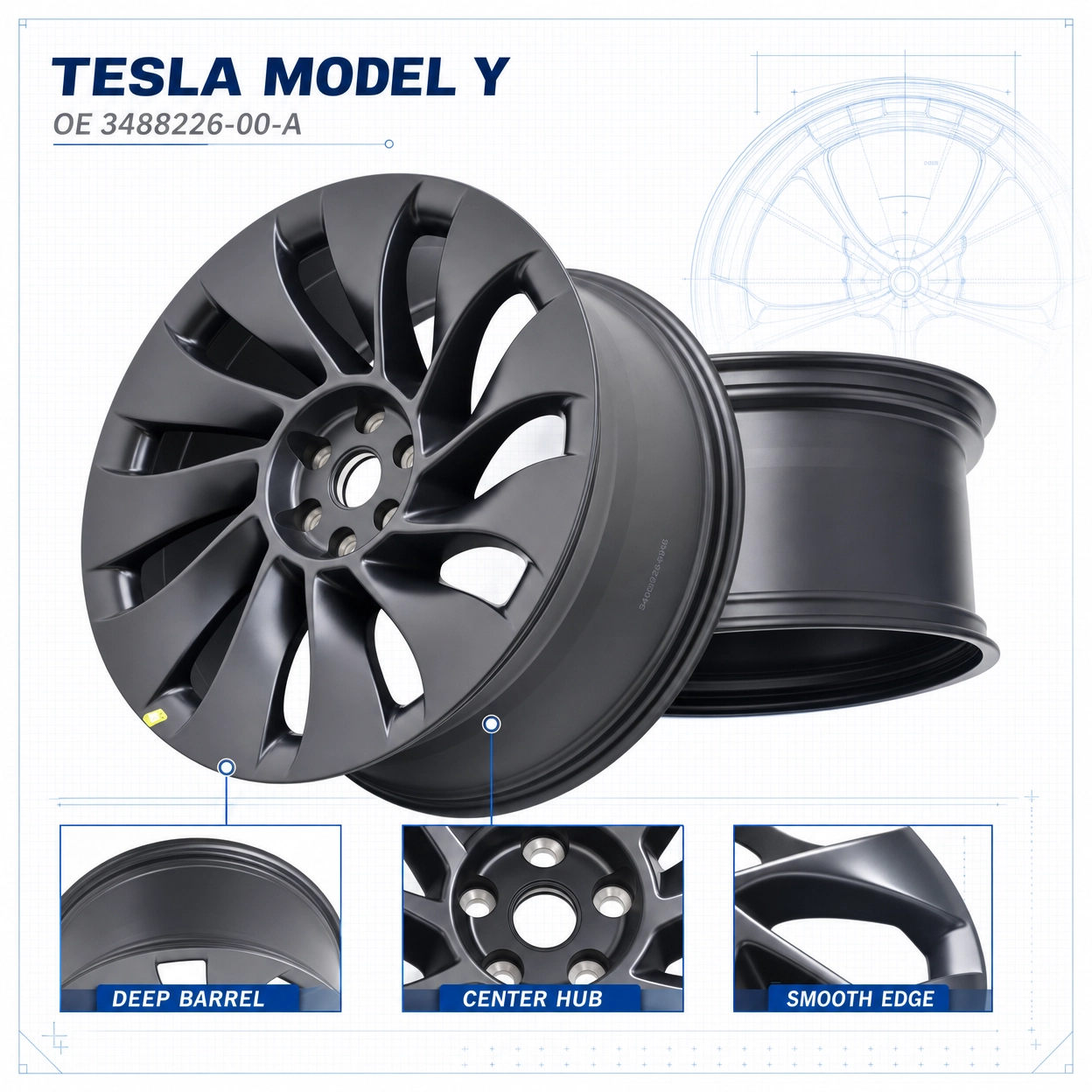
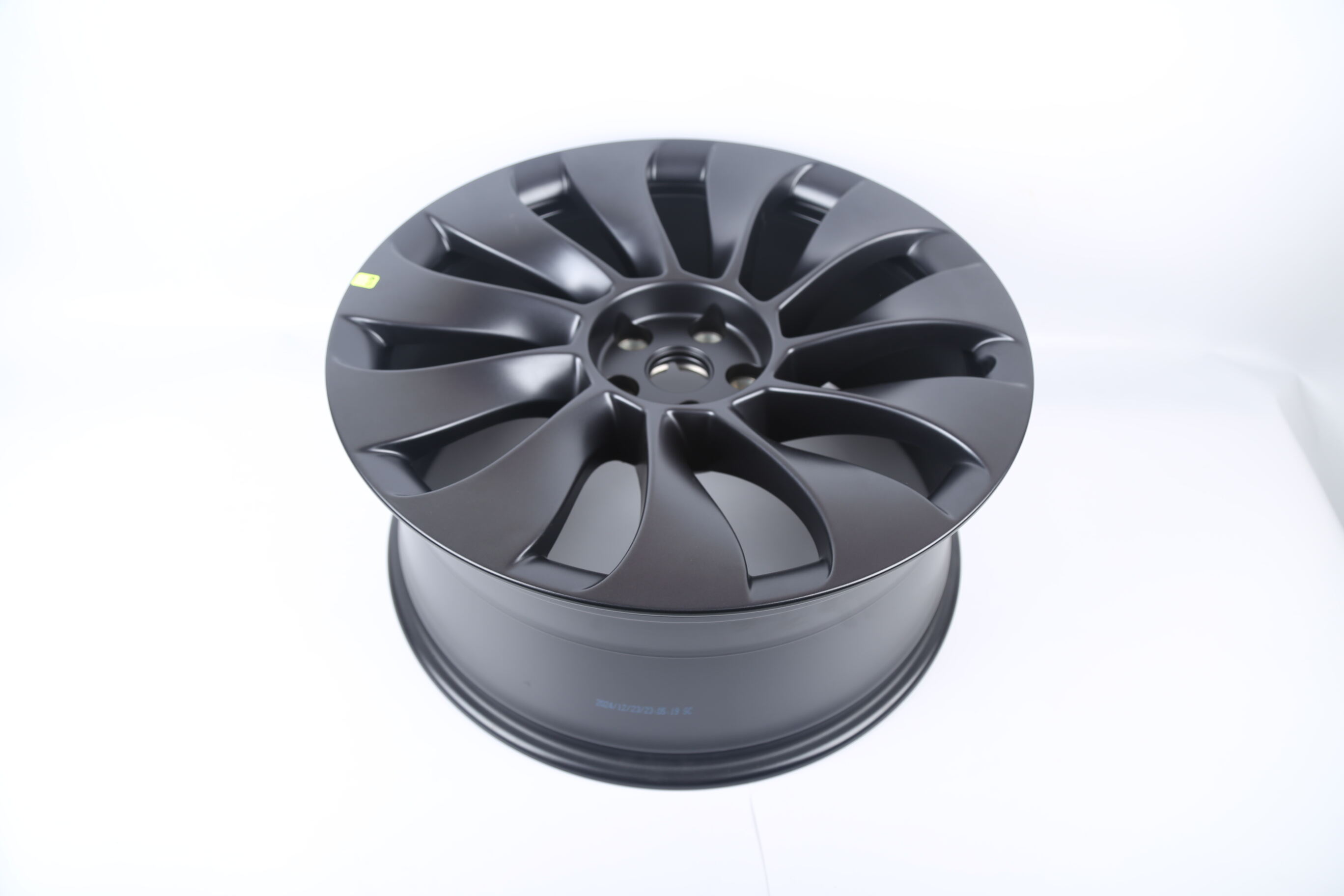
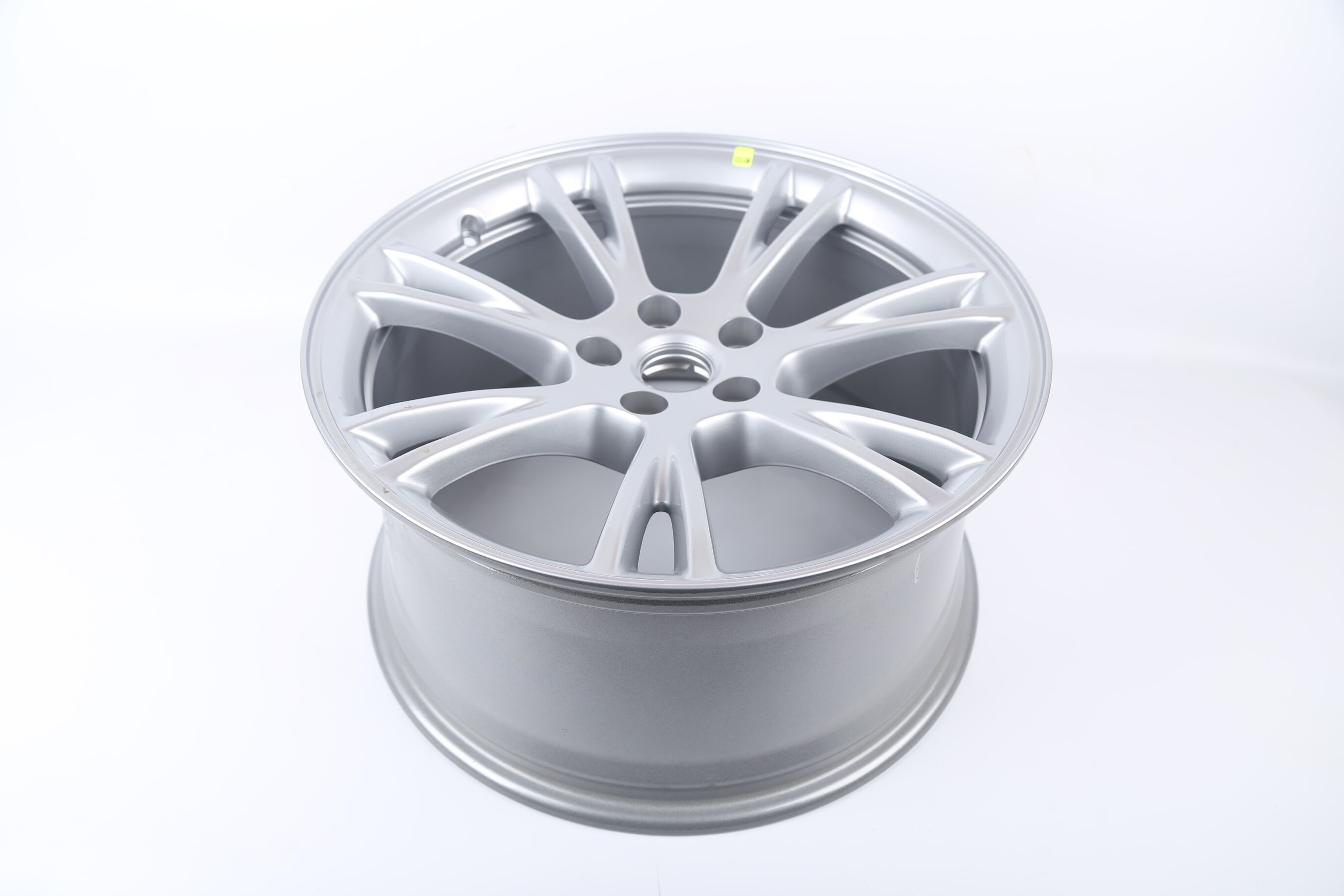
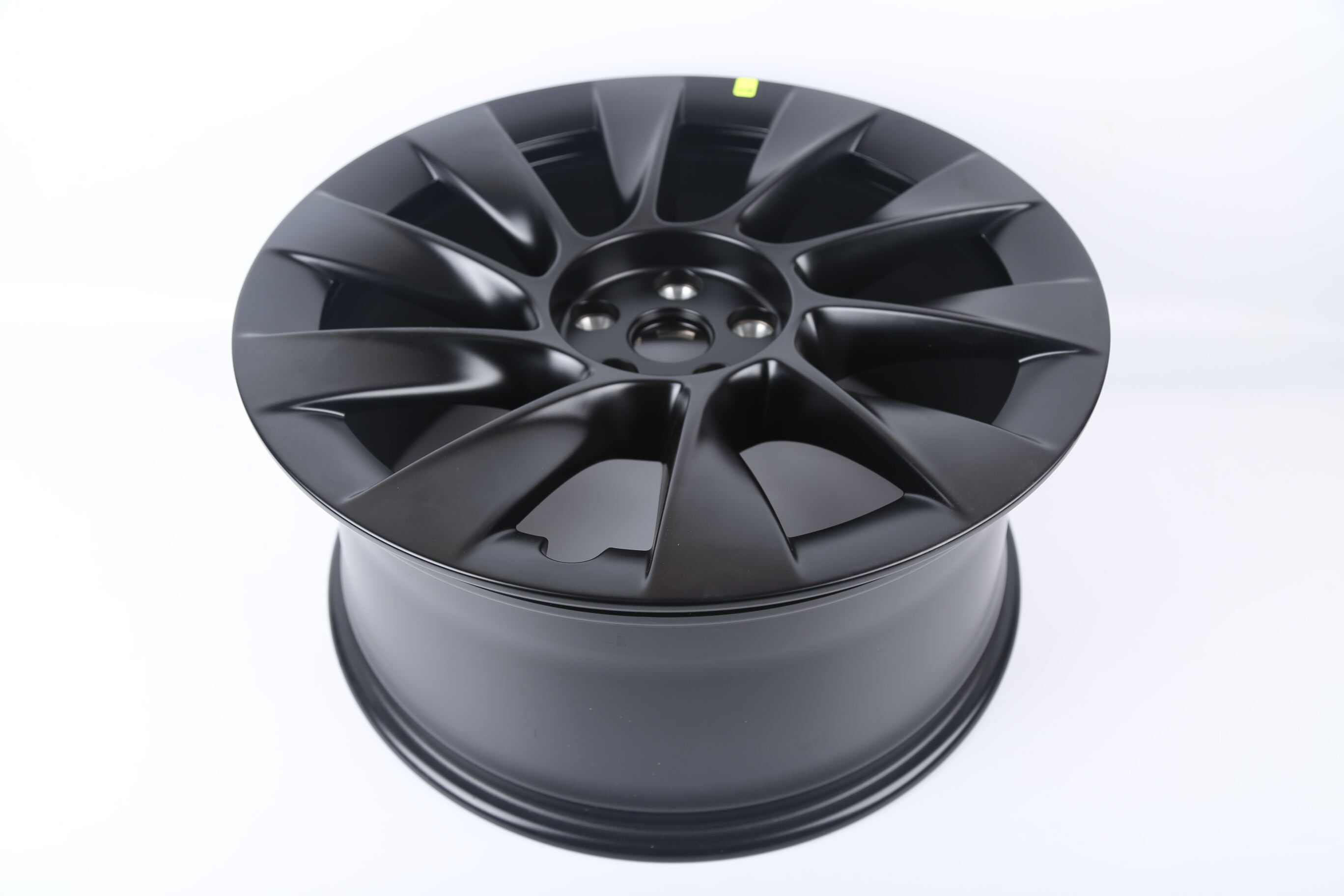
Die zur Herstellung leichter Leichtmetallräder eingesetzten Fertigungsverfahren beinhalten hochmoderne Technologien, die strukturelle Integrität, maßgenaue Präzision und langfristige Haltbarkeit gewährleisten – Eigenschaften, die über herkömmliche Radaufbauverfahren hinausgehen. Bei der Schmiedetechnik wird heißen Leichtmetall-Billets enormer Druck ausgeübt, wodurch die Kornstruktur des Metalls so ausgerichtet wird, dass die Festigkeit in kritischen Belastungsbereichen maximiert wird; gleichzeitig können Konstrukteure die Materialstärke in Bereichen mit geringerer Beanspruchung minimieren und so eine optimale Gewichtsreduktion erreichen, ohne Sicherheitsfaktoren zu beeinträchtigen. Das Flow-Forming-Verfahren kombiniert Gießen mit rotativer Schmiede, um den Felgenkranz zu dehnen und zu verdichten; dadurch entsteht eine dichte, ausgerichtete Kornstruktur, die nahezu vergleichbar ist mit der von vollschmiedeten Rädern – bei einem für Verbraucher erschwinglicheren Preis, wenn sie Leistungssteigerungen ohne Premium-Kosten suchen. Mit computergestützten Konstruktionswerkzeugen können Ingenieure reale Belastungsmuster simulieren und exakt identifizieren, wo Material entfernt und wo Verstärkungen erforderlich sind; das Ergebnis sind Räder, die strenge Sicherheitsstandards erfüllen und gleichzeitig beeindruckende Gewichtseinsparungen ermöglichen. Zu den Qualitätskontrollverfahren zählen Röntgeninspektion, dimensionsgerechte Verifizierung sowie strukturelle Prüfungen, die sicherstellen, dass jedes vom Band laufende Rad strengen Spezifikationen hinsichtlich Konzentrizität, Auswuchtung und Tragfähigkeit entspricht. Die während der Fertigung angewendeten Wärmebehandlungsverfahren verändern die molekulare Struktur der Legierung und verbessern dadurch Härte, Schlagzähigkeit sowie Ermüdungslebensdauer – so halten leichtere Leichtmetallräder jahrelang dem Alltagsbetrieb stand und widerstehen gelegentlichen Schlaglöchern, Bordsteinkontakten und anderen Straßenrisiken, ohne Risse oder bleibende Verformungen zu entwickeln. Oberflächenveredelungsverfahren reichen von Polieren und Lackieren bis hin zu speziellen Beschichtungen, die vor Korrosion, Bremsstaubablagerung und UV-bedingtem Abbau schützen und das äußere Erscheinungsbild des Rades während seiner gesamten Einsatzdauer bewahren. Fortgeschrittene Prüfprotokolle unterziehen leichtere Leichtmetallräder mechanischen Stößen, zyklischer Belastung sowie Umwelteinflüssen, die mehrere Jahrzehnte Nutzung simulieren; dadurch wird ihre Haltbarkeit bereits vor dem Einbau in Fahrzeuge für Endverbraucher validiert – denn Sicherheit und Zuverlässigkeit stehen stets im Vordergrund, unabhängig von etwaigen Leistungsverbesserungen.
 ×
×




 EN
EN