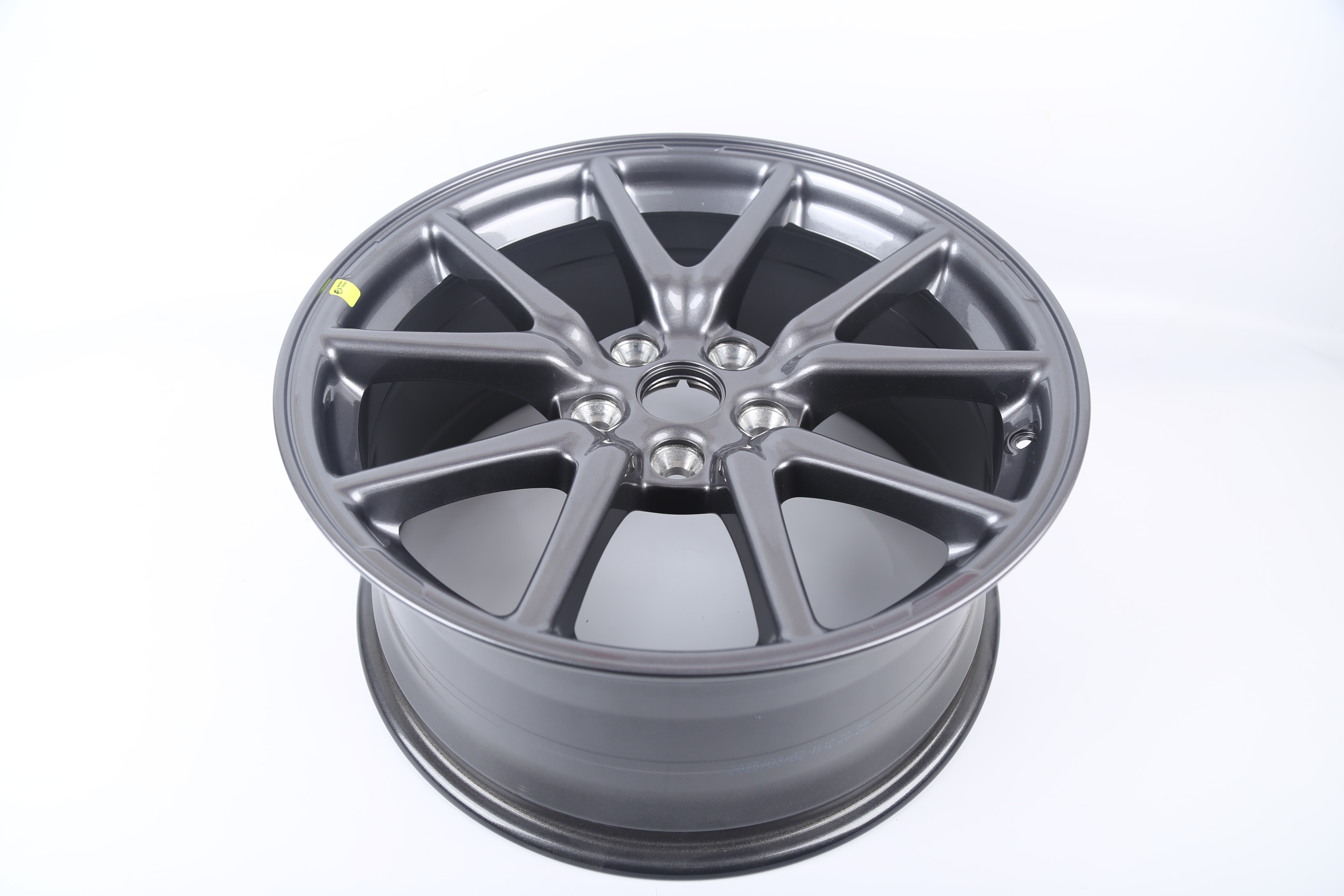
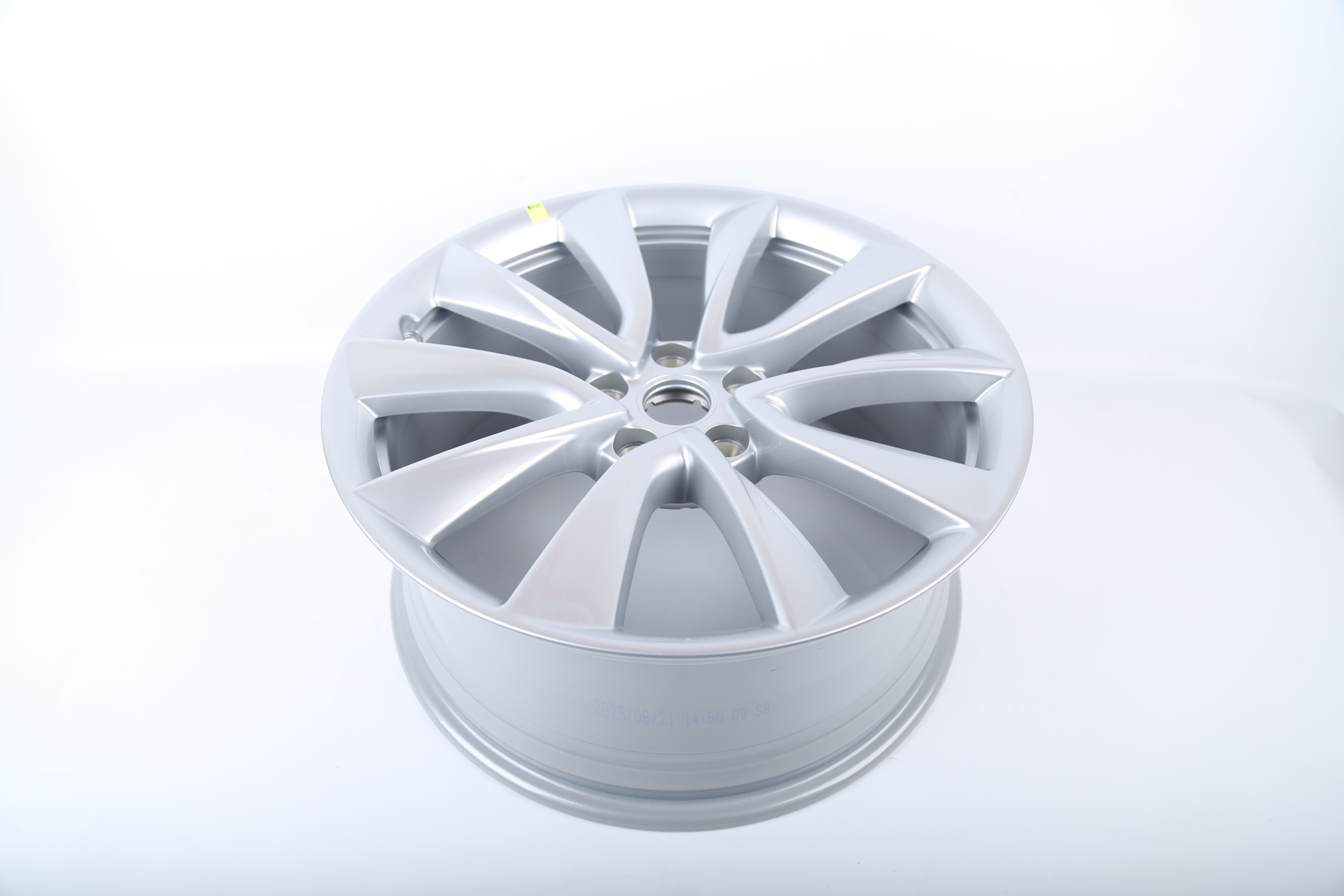
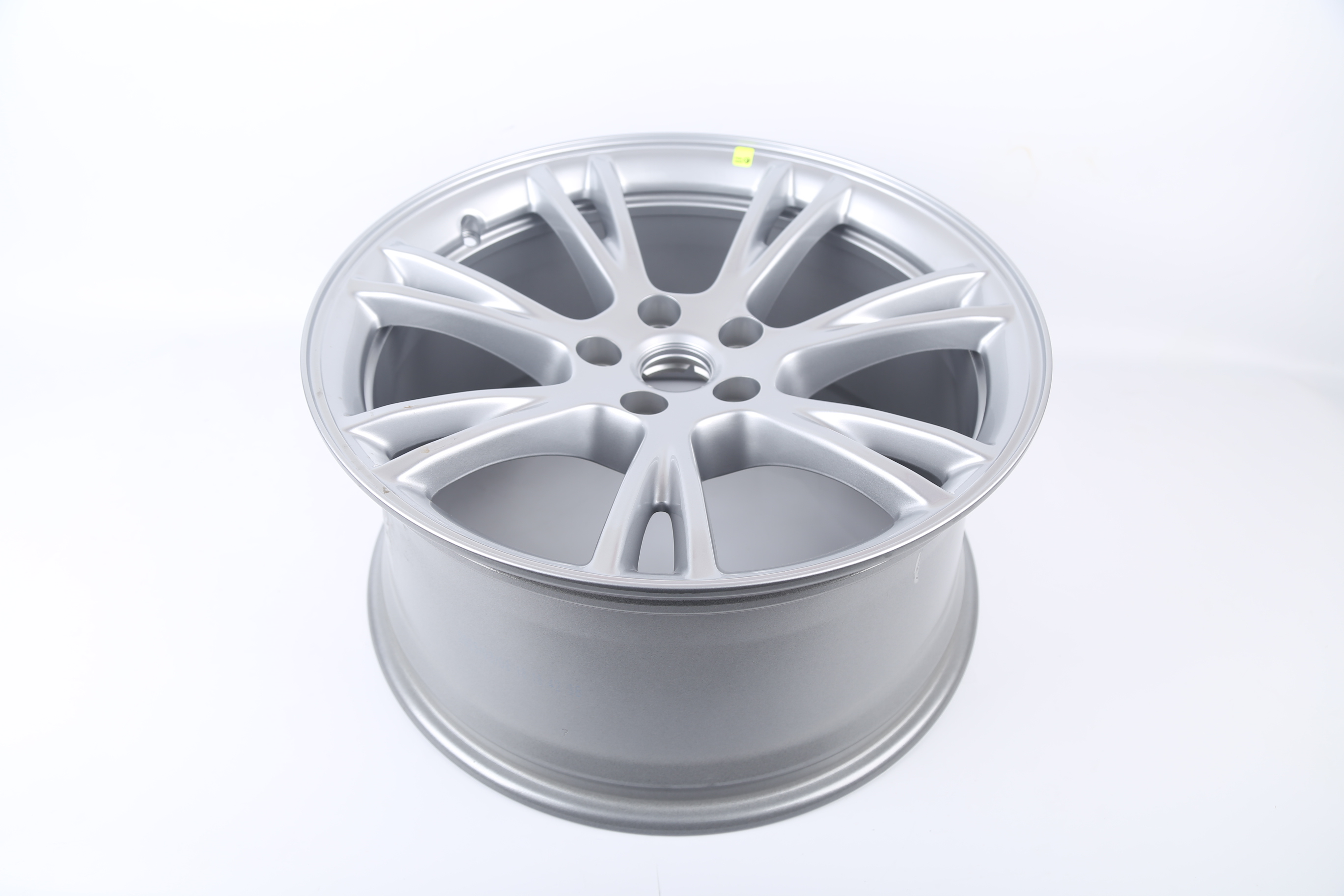
Premium Aftermarket Alloy Wheels - Enhanced Performance, Style & Durability

Get a Free Quote

Our representative will contact you soon.
Email
Name
Company Name
Message
0/1000

aftermarket alloy wheels

Aftermarket alloy wheels represent a significant upgrade opportunity for vehicle owners seeking to enhance both the aesthetic appeal and performance characteristics of their automobiles. These specialized wheel components are manufactured from lightweight metal alloys, typically combining aluminum with other elements such as magnesium, nickel, or silicon to create a product that offers superior strength-to-weight ratios compared to traditional steel wheels. The primary functions of aftermarket alloy wheels extend beyond mere visual enhancement, encompassing improved handling dynamics, better heat dissipation from braking systems, reduced unsprung weight for enhanced suspension response, and increased fuel efficiency through weight reduction. Technologically, modern aftermarket alloy wheels employ advanced manufacturing processes including flow forming, forging, and gravity casting techniques that allow for precise engineering of spoke patterns, offset specifications, and structural integrity. The flow forming process, in particular, creates wheels that combine the lightweight characteristics of forged wheels with the cost-effectiveness of cast designs, making premium performance accessible to a broader range of enthusiasts. Applications for aftermarket alloy wheels span the entire automotive spectrum, from daily driven sedans and SUVs to high-performance sports cars and off-road vehicles, with each application demanding specific design considerations regarding load ratings, width specifications, and bolt pattern configurations. The technological features incorporated into contemporary aftermarket alloy wheels include proprietary alloy compositions that resist corrosion in harsh environments, precision machining that ensures perfect balance at high speeds, and finish options ranging from polished and painted surfaces to powder-coated and chrome-plated treatments that provide both protection and personalization. Vehicle owners select aftermarket alloy wheels to achieve specific performance goals such as reducing rotational mass for quicker acceleration, improving brake cooling through open spoke designs, or simply transforming the visual profile of their vehicle to reflect personal style preferences and stand out from factory-equipped alternatives.

New Products

Upgrading to aftermarket alloy wheels delivers tangible benefits that directly impact your driving experience and vehicle ownership satisfaction. The most immediate advantage comes from weight reduction, as aftermarket alloy wheels typically weigh 30 to 50 percent less than equivalent steel wheels, which translates to improved acceleration, shorter braking distances, and more responsive handling through corners. This reduction in unsprung weight allows your suspension components to react more quickly to road surface changes, providing better ride quality and more precise steering feedback that you will notice during every drive. Enhanced brake performance represents another critical advantage, as the open spoke designs common in aftermarket alloy wheels facilitate superior airflow around brake components, helping to dissipate heat more effectively and reducing the risk of brake fade during spirited driving or when descending steep grades with heavy loads. Fuel economy improvements may seem modest on paper, but the cumulative effect of reduced rotational mass means your engine works less to maintain speed, potentially saving hundreds of dollars in fuel costs over the lifespan of the wheels. The aesthetic transformation cannot be overstated, as aftermarket alloy wheels provide an instant visual upgrade that changes the entire character of your vehicle, making even modest cars look more expensive and performance-oriented while allowing you to express individual style through countless design options ranging from classic multi-spoke patterns to aggressive split-spoke configurations. Durability advantages emerge from the corrosion-resistant properties of aluminum alloys, which naturally form a protective oxide layer that prevents rust and degradation even in coastal environments or regions where road salt is regularly applied during winter months. Aftermarket alloy wheels also maintain their appearance longer than painted steel wheels, as the manufacturing processes and finish treatments employed resist chipping, flaking, and discoloration that plague traditional wheel options. Resale value considerations favor vehicles equipped with quality aftermarket alloy wheels, as potential buyers perceive these upgrades as signs of proper maintenance and owner investment, often willing to pay premiums for vehicles that present well and demonstrate thoughtful enhancement. The performance advantages extend to racing and track applications where aftermarket alloy wheels designed for motorsports deliver the strength needed to withstand extreme lateral forces while maintaining the lightweight characteristics that competitive drivers demand. Customization flexibility represents a significant advantage for enthusiasts who want specific sizing, offset, or finish combinations that factory wheels cannot provide, enabling perfect fitment for lowered suspensions, wide tire packages, or unique aesthetic visions that transform ordinary vehicles into personalized automotive statements.

Practical Tips

Consolidating Foundations, Forging New Paths, Gathering Momentum for Breakthroughs - Jiapei's Two Grand Events of 2026 Conclude Successfully

09

Apr

Consolidating Foundations, Forging New Paths, Gathering Momentum for Breakthroughs - Jiapei's Two Grand Events of 2026 Conclude Successfully

View More
Shanghai Jiapei Partners with Mahle to Launch a New Journey in China's Chassis Aftermarket

07

Apr

Shanghai Jiapei Partners with Mahle to Launch a New Journey in China's Chassis Aftermarket

View More
Jiapei's 2025 Yan'an Summit Concludes Successfully: Empowered by Red Gene, Embarking on a New Journey of

28

Apr

Jiapei's 2025 Yan'an Summit Concludes Successfully: Empowered by Red Gene, Embarking on a New Journey of "Nurturing Ambition, Securing Customer Trust, Forging the Future"

View More

Get a Free Quote

Our representative will contact you soon.
Email
Name
Company Name
Message
0/1000

aftermarket alloy wheels

Superior Weight Reduction and Performance Enhancement

Superior Weight Reduction and Performance Enhancement

The fundamental advantage that sets aftermarket alloy wheels apart from factory steel alternatives centers on their exceptional weight reduction capabilities and the cascading performance benefits this characteristic delivers. Modern aftermarket alloy wheels utilize advanced aluminum alloys that provide structural integrity while weighing significantly less than traditional steel constructions, with typical weight savings ranging from 5 to 15 pounds per wheel depending on size and design specifications. This reduction might seem modest when considering a single wheel, but when multiplied across all four corners of a vehicle, the total unsprung weight savings can reach 40 to 60 pounds, creating measurable improvements in multiple performance categories. Unsprung weight refers to components not supported by the suspension system, and reducing this mass allows suspension components to respond more quickly to road irregularities, maintaining better tire contact with pavement surfaces and improving overall grip levels during acceleration, braking, and cornering maneuvers. The rotational mass reduction proves particularly beneficial for acceleration performance, as the engine expends less energy spinning lighter wheels up to speed, resulting in quicker throttle response and improved performance metrics that drivers can feel during everyday operation. Aftermarket alloy wheels manufactured through advanced processes like flow forming or forging achieve even greater weight reductions while maintaining or exceeding the structural requirements necessary for safe operation under demanding conditions. The performance enhancement extends beyond straight-line acceleration to include braking efficiency, where reduced rotational inertia means less energy must be dissipated to slow the vehicle, contributing to shorter stopping distances and reduced brake component wear over time. Handling characteristics improve dramatically with aftermarket alloy wheels as the reduced unsprung weight allows suspension tuning to work more effectively, providing sharper turn-in response, better mid-corner balance, and more predictable behavior at the limits of adhesion. Track-focused drivers particularly appreciate these performance advantages, as aftermarket alloy wheels designed for motorsports applications combine minimum weight with maximum strength, enabling faster lap times through improved acceleration, braking, and cornering capabilities. The engineering precision employed in manufacturing aftermarket alloy wheels ensures proper balance characteristics that minimize vibrations at highway speeds while maintaining structural integrity under the extreme stress of performance driving, delivering benefits that extend well beyond the initial visual impression.
Advanced Heat Dissipation and Brake System Protection

Advanced Heat Dissipation and Brake System Protection

Aftermarket alloy wheels provide critical thermal management advantages that directly impact brake system performance, longevity, and safety characteristics through superior heat dissipation properties inherent to aluminum alloy construction and thoughtful spoke design engineering. Aluminum possesses thermal conductivity properties approximately three times greater than steel, meaning aftermarket alloy wheels actively transfer heat away from brake components more efficiently than traditional steel wheels, helping maintain optimal operating temperatures even during demanding driving conditions. The spoke designs commonly featured in aftermarket alloy wheels incorporate open patterns that maximize airflow channels between the wheel face and brake assembly, creating natural ventilation paths that continuously introduce cool ambient air while expelling heated air generated by friction between brake pads and rotors. This continuous cooling cycle proves particularly valuable during extended downhill driving, repeated hard braking scenarios, or track use where brake temperatures can climb to levels that compromise stopping power through a phenomenon called brake fade, where excessive heat reduces friction material effectiveness and can even boil brake fluid within the hydraulic system. Performance-oriented aftermarket alloy wheels often feature spoke designs specifically engineered to enhance brake cooling, with directional patterns that function as centrifugal pumps to actively draw air through the wheel assembly as rotational speeds increase, providing greater cooling benefits precisely when thermal loads on the brake system reach their highest levels. The combination of material thermal properties and aerodynamic spoke engineering allows aftermarket alloy wheels to maintain brake component temperatures within optimal operating ranges, extending the service life of brake pads, rotors, and hydraulic fluid while maintaining consistent pedal feel and stopping power across varied driving conditions. Racing applications demonstrate these thermal advantages most dramatically, as competition brake systems generate extreme heat that would quickly overwhelm steel wheels, while aftermarket alloy wheels designed for motorsports provide the cooling characteristics necessary to maintain performance lap after lap without brake fade or component failure. Street-driven vehicles benefit equally from these thermal properties during emergency braking situations where maximum stopping power is critical for accident avoidance, as aftermarket alloy wheels help ensure brake systems deliver full effectiveness when drivers need it most. The durability advantages extend beyond immediate performance considerations to include long-term brake system health, as consistently lower operating temperatures reduce thermal stress on brake components, minimizing warping of rotors, glazing of pad friction materials, and degradation of caliper seals that occur when brake systems repeatedly experience temperature extremes.
Comprehensive Corrosion Resistance and Lasting Aesthetic Appeal

Comprehensive Corrosion Resistance and Lasting Aesthetic Appeal

Aftermarket alloy wheels deliver exceptional resistance to corrosion and environmental degradation through the natural properties of aluminum alloys combined with advanced surface treatments, ensuring long-term aesthetic appeal and structural integrity that far exceeds the capabilities of painted steel wheels exposed to similar conditions. Aluminum naturally forms a thin, hard oxide layer when exposed to oxygen, creating a protective barrier that prevents deeper corrosion from penetrating the base material, a characteristic that proves invaluable in harsh environments where road salt, coastal moisture, or industrial pollutants constantly attack wheel surfaces. This inherent corrosion resistance means aftermarket alloy wheels maintain their structural integrity and appearance even after years of exposure to conditions that would cause steel wheels to rust, bubble, and eventually fail, providing long-term value that justifies the initial investment premium over basic steel alternatives. Modern manufacturing processes enhance this natural protection through various surface treatments including powder coating, which applies electrostatically charged particles that cure into extremely durable finishes resistant to chipping, scratching, and chemical damage, or physical vapor deposition processes that create ultra-hard protective layers measured in microns but providing exceptional resistance to environmental assault. The finish options available for aftermarket alloy wheels extend far beyond simple protection to include polished surfaces that showcase the natural luster of aluminum alloys, painted finishes in virtually unlimited color options that complement or contrast vehicle paint schemes, and specialty treatments like chrome plating or two-tone machined faces that combine polished and painted elements for distinctive visual impact. These diverse finish options maintain their appearance significantly longer than painted steel wheels because the underlying aluminum alloy does not rust, eliminating the blistering and flaking that occurs when moisture penetrates painted steel surfaces and causes expansion as corrosion forms beneath the finish layer. Coastal residents particularly benefit from the corrosion resistance of aftermarket alloy wheels, as the salt-laden air that rapidly destroys steel wheels has minimal impact on properly finished aluminum alloys, maintaining both safety and appearance in environments that represent worst-case scenarios for automotive components. Winter driving in regions where road salt is heavily applied poses similar challenges that aftermarket alloy wheels address effectively, as the aluminum construction resists the aggressive corrosive attack of sodium chloride and calcium chloride road treatments that can destroy steel wheels within a few seasons of exposure. The long-term cost advantages become apparent when considering that aftermarket alloy wheels often outlast multiple sets of steel wheels in harsh environments, providing superior appearance throughout their service life without the refinishing costs associated with corroded steel wheels, ultimately delivering better value despite higher initial purchase prices.

Get a Free Quote

Our representative will contact you soon.
Email
Name
Company Name
Message
0/1000