עמידות יוצאת דופן ותנגדות לקלקול לטווח הארוך
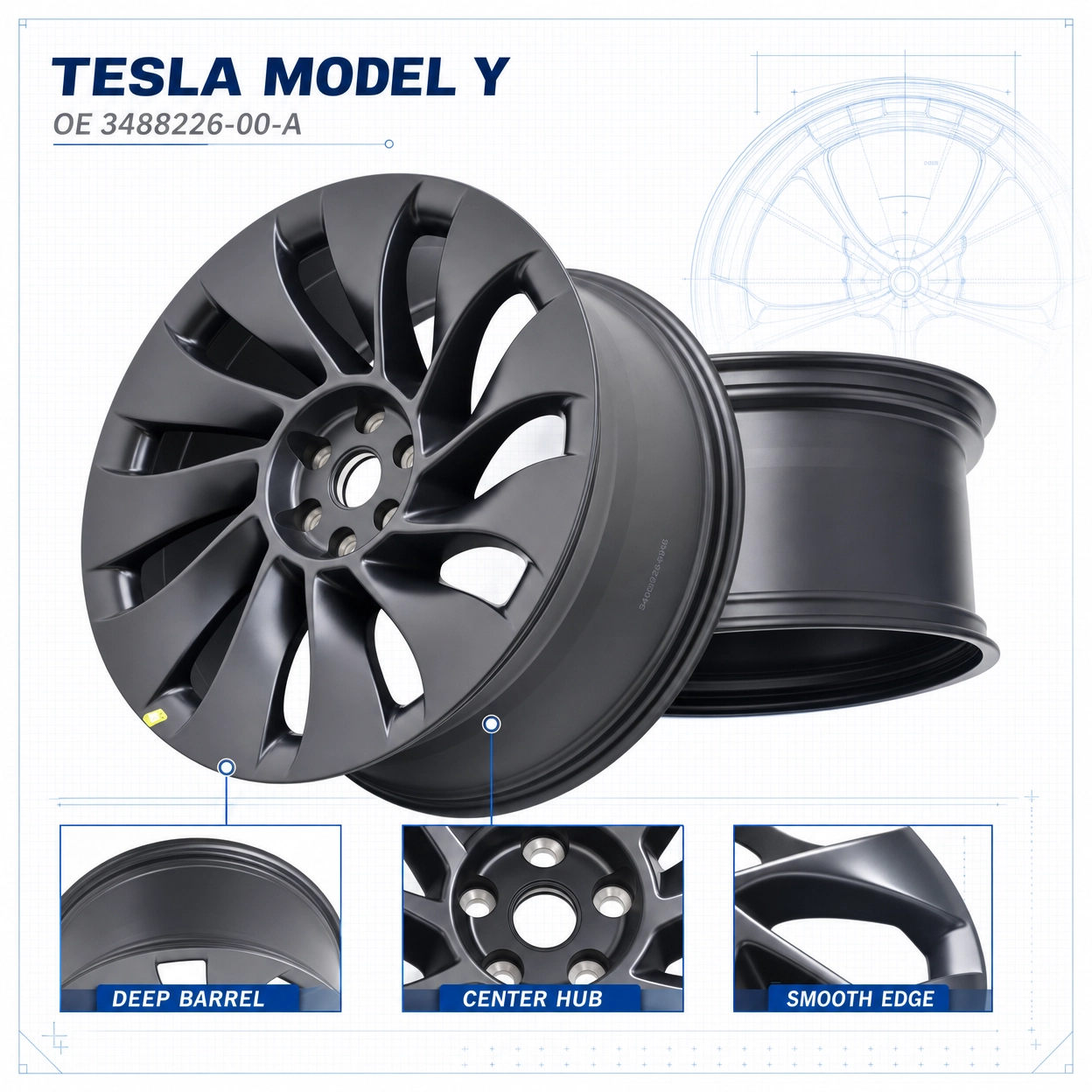
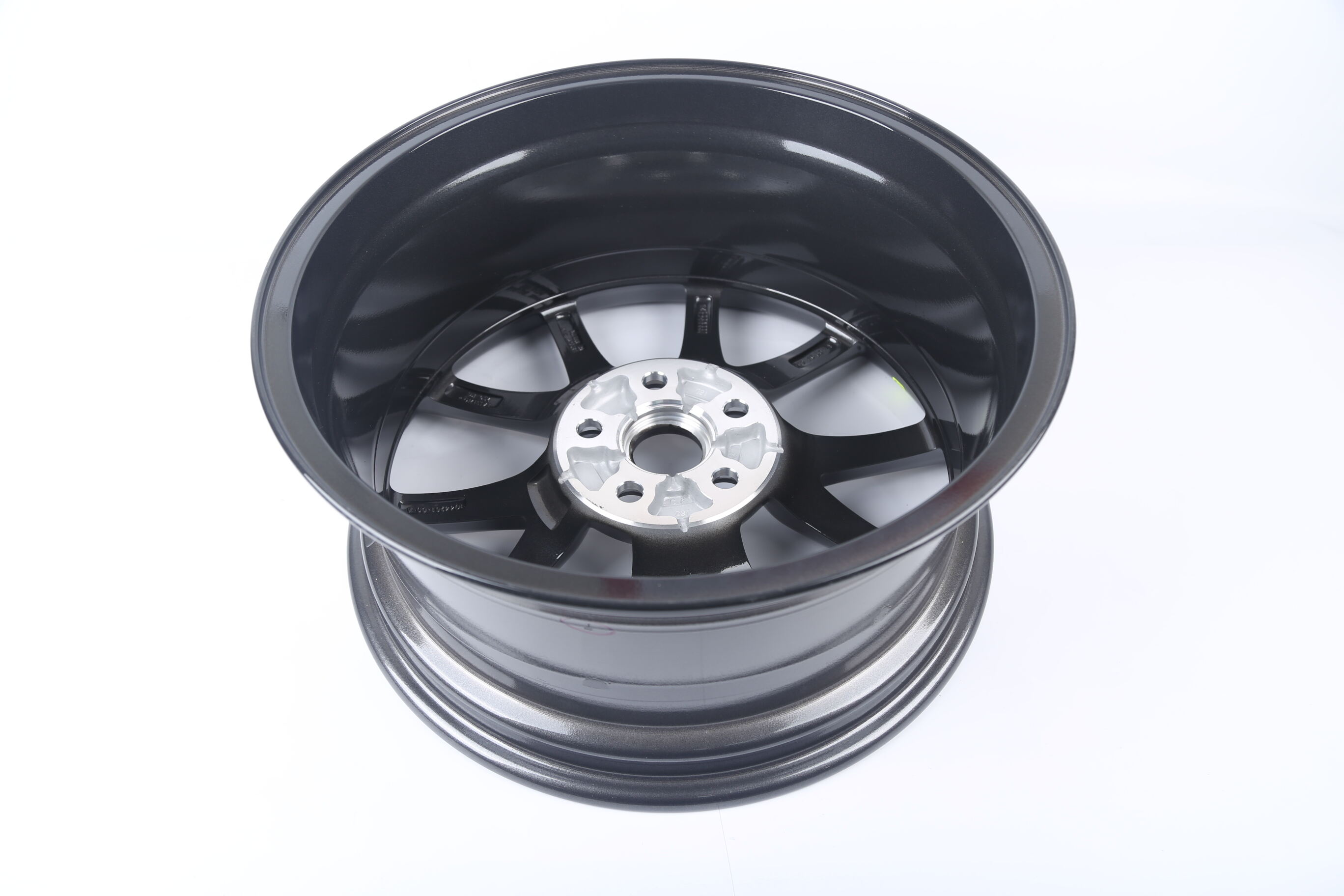
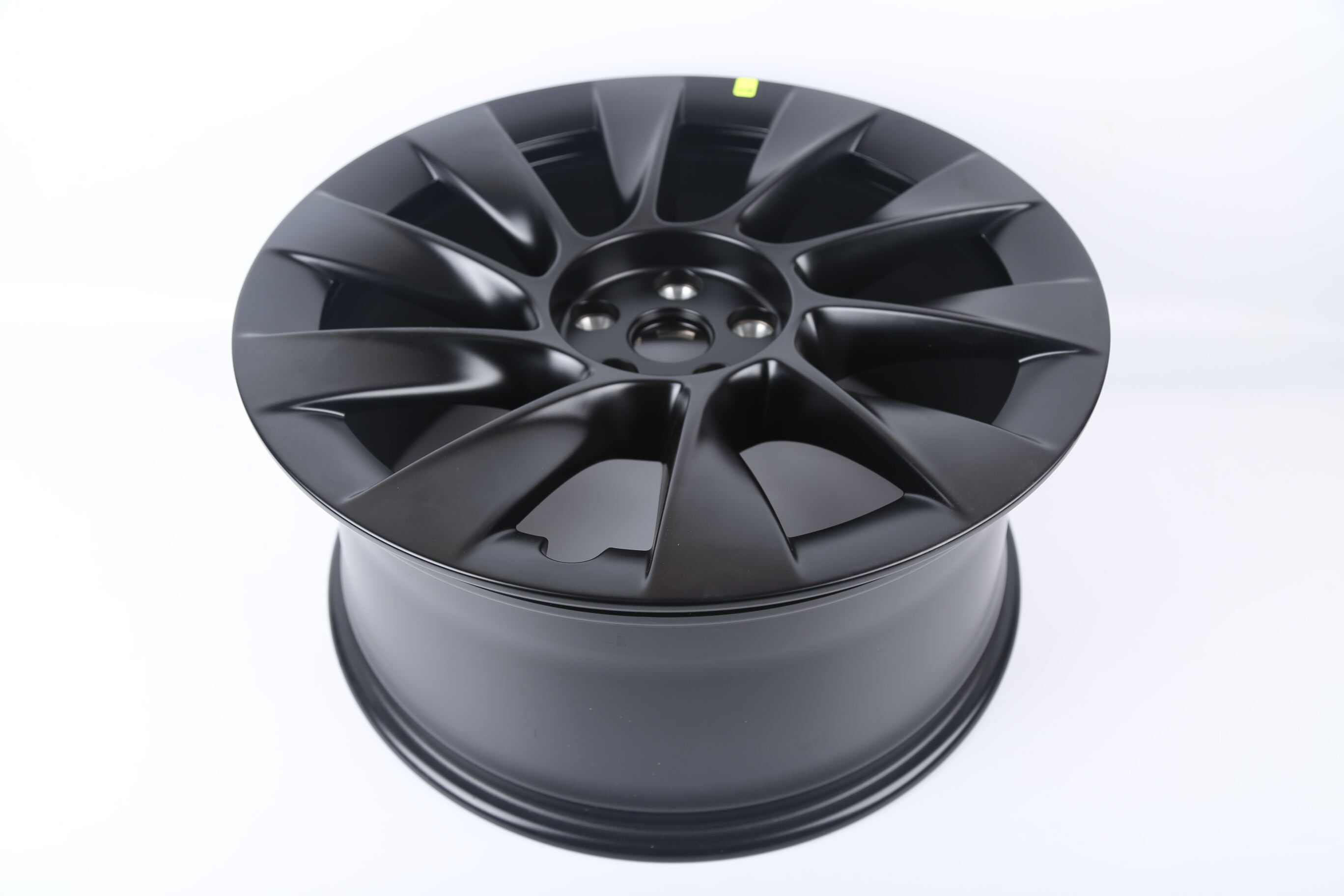
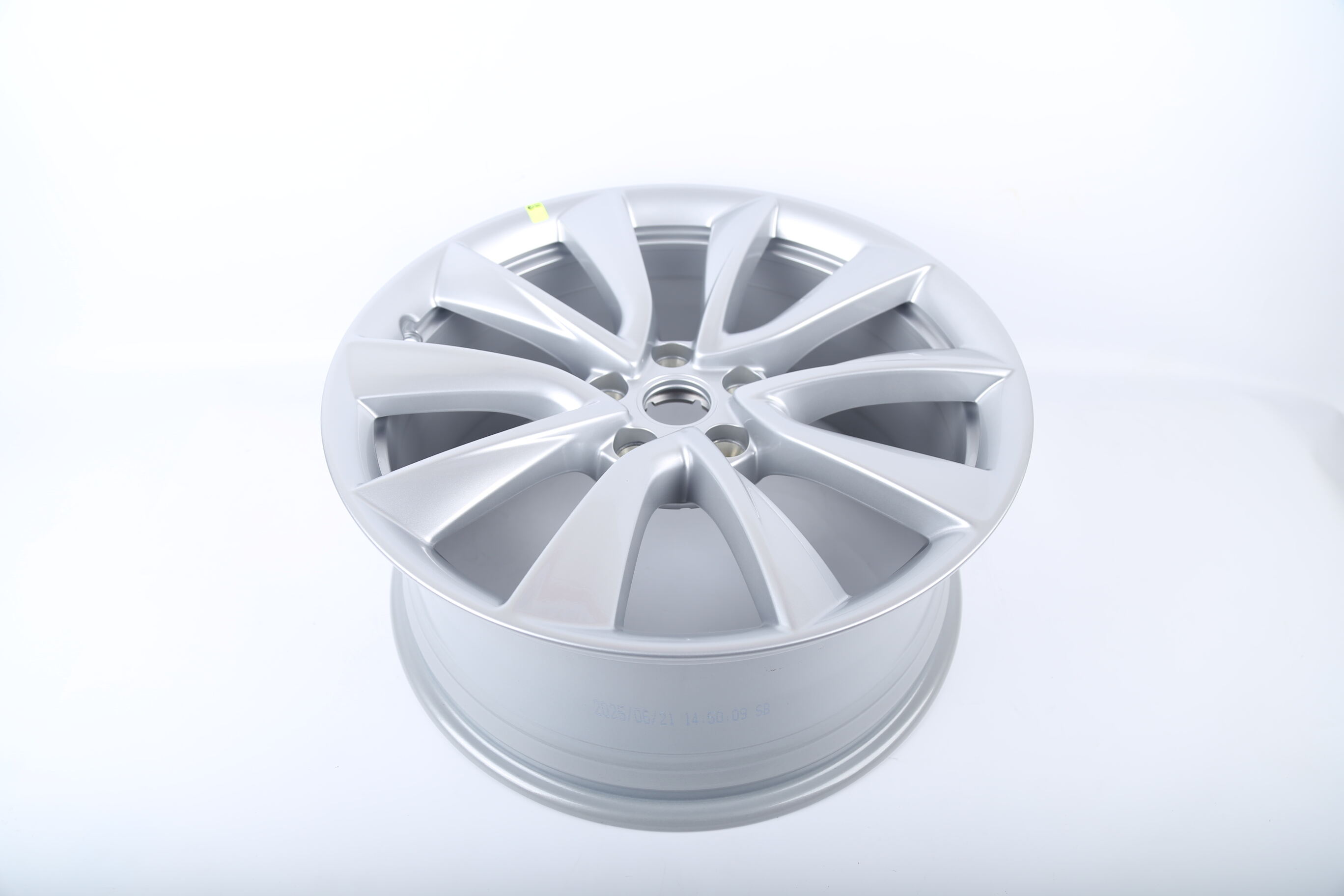
העמידות החריגה לקלקול והעמידות המבנית של גלגלים מسبائك אלומיניום מספקות ערך ארוך טווח שמעל ומעבר לשקולות הקנייה הראשונית, ונותנות שנים של שירות מהימן בתנאי סביבה קשים שיפגעו במהרה בחומרים חלופיים. האלומיניום יוצר שכבה טבעית מגנת של חמצן כאשר הוא נחשף לאוקסיגן, ויוצר מחסום עצמאי-ריפוי שמונע חדירה של לחות וקידום תהליך הקורוזיה גם כאשר המשטח סובל מקריעות או פגמים קלים. עמידות קורוזיבית מובנית זו היא חיונית באזורי אקלים בהם משמש מלח דרכים במהלך החודשים החורפיים, ויוצרת סביבה קורוזיבית אגרסיבית שפוגעת במתכות לא محمיות, וגורמת להתדרדרות מבנית ולפגיעה במראה החיצוני. גלגלים מפלדה דורשים שיטות הגנה כגון צבע או שיכבוב כרום כדי להתנגד לקורוזיה, אך טיפולים משטحيים אלו בסופו של דבר מתנתקים ומתפוררים עקב השימוש הרגיל, ומגלה את המתכת התחתונה ללחות, ומאיץ את היווצרות השייר. גלגלים מسبائك אלומיניום מאפסים את החולשה הזו בזכות תכונות החומר המובנות שלהם, ושמורים על העמידות המבנית והמראה החיצוני שלהם לאורך שנים של שירות, ללא צורך בשיקום מחדש או בהחלפת שכבת ההגנה. יתרונות העמידות אינם מוגבלים לעמידות לקורוזיה בלבד, אלא כוללים גם עמידות להשפעות מכניות (אימפקט) ועוצמת התעייף, אשר מבטיחים ביצועים מהימנים תחת המתחים הנובעים מנהיגה יומיומית. סגסוגות אלומיניום מודרניות כוללות יסודות מוספים ותהליכי טיפול حراري שמייעלים את התכונות המכאניות, ויוצרים חומרים בעלי חוזק מושך העולה על 350 מגה-פסקל, תוך שמירה על הדקתיות הדרושה לספיגת אנרגיית אימפקט ללא כשל קטסטרופלי. שילוב זה של חוזק וגמישות מאפשר לגלגלים מسبائك אלומיניום לעמוד במחזורים החוזרים של מתח הנובעים מאי-שיפועי הדרכים, גומות ופגיעות במדרגות, שיגרמו לעיוות קבוע או סדקים בחומרים פריקים יותר. הדיוק בייצור שניתן להשיג בגלגלים מسبائك אלומיניום מבטיח דיוק ממדי עקבי ואיזון שמתודת החיתוך של פלדה אינה יכולה להתאים, ובכך מפחית רעידות ומאריך את חיי השירות של הצמיגים, הסיביות והרכיבים של מערכת התלוי בכל הרכב. דרישות התיקון נותרות מינימליות, שכן המשטחים החלקים של גלגלים מسبائك אלומיניום מתנגדים הדבקה של אבק בלמים ונקים בקלות עם מוצרים סטנדרטיים לטיפול רכב, ובכך מבטל את הניקוי המפרך שנדרש לשמירה על המראה של חלופות מצופות צבע או כרום. ערך ההשקעה בגלגלים מسبائك אלומיניום מתבטא באורך חיים מוארך, בהפחתת עלויות התיקון, ובתורם החיובי לערך המכר של הרכב, שכן הקונים מזהים את היתרונות באיכות ובביצועים שמרכיבים אלו מספקים.





 EN
EN