EN
EN



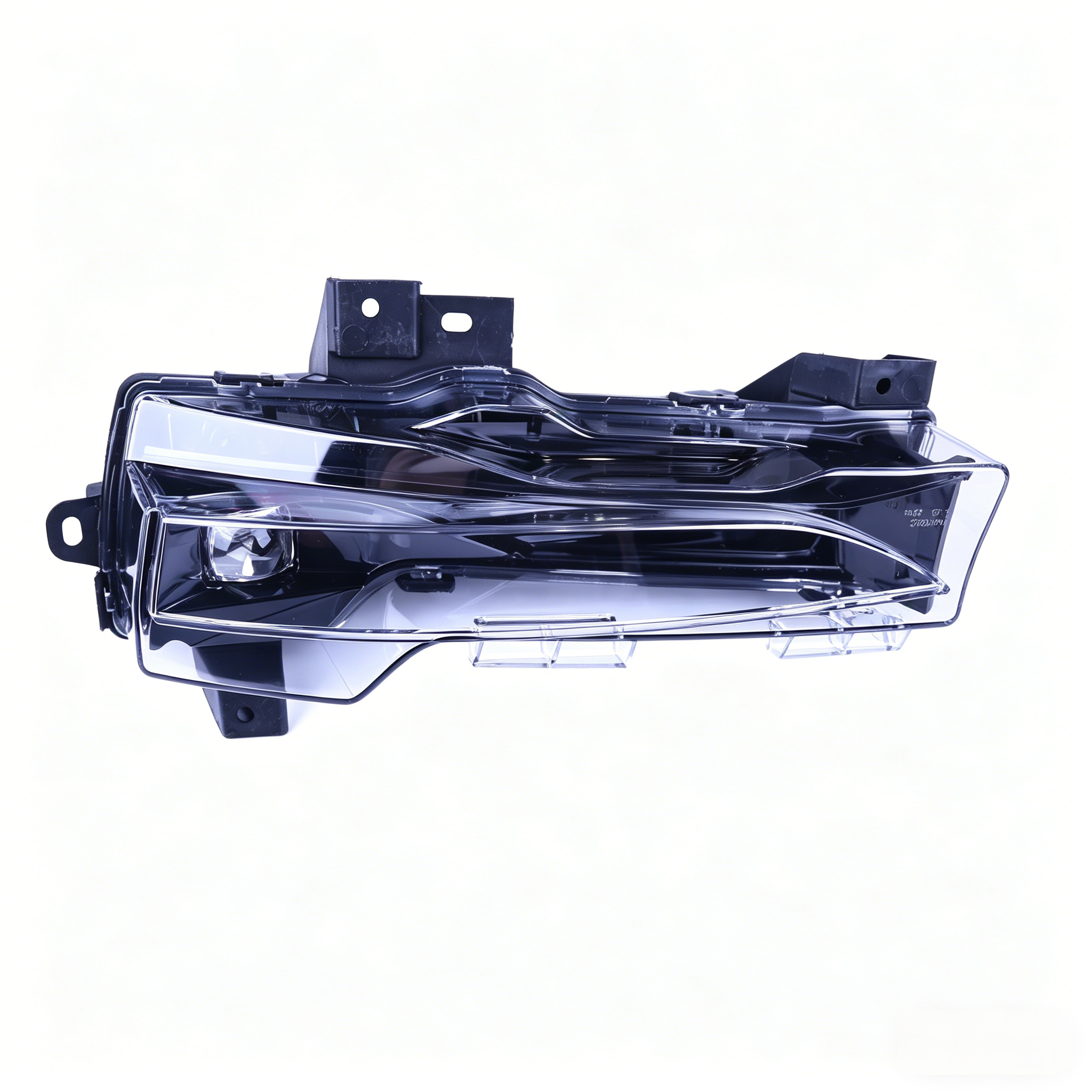
מערכות האור המודרניות ברכב התפתחו בהרבה מעבר למכשירי תאורה פשוטים לטכנולוגיות מתקדמות ותואמות שמתאמות את עצמן באופן דינמי לתנאי הסביבה המשתנים. כאשר רכבים נוסעים דרך ערפל, גשם, שלג ומשטחים שונים של כביש, מערכת האור ברכב חייבת להתאים באופן מתמיד את עוצמתה, תבנית קרן האור וטמפרטורת הצבע שלה כדי לשמור על ראות אופטימלית תוך הקטנת הבהירות המפריעה למשתמשי הדרך האחרים. הבנת האופן שבו מערכות אלו מתאימות לתנאי מזג האוויר ולמצב הכביש השונים היא חיונית הן למפתחי רכב והן לצרכנים המחפשים חוויית נהיגה בטוחה יותר בסביבות מאתגרות.
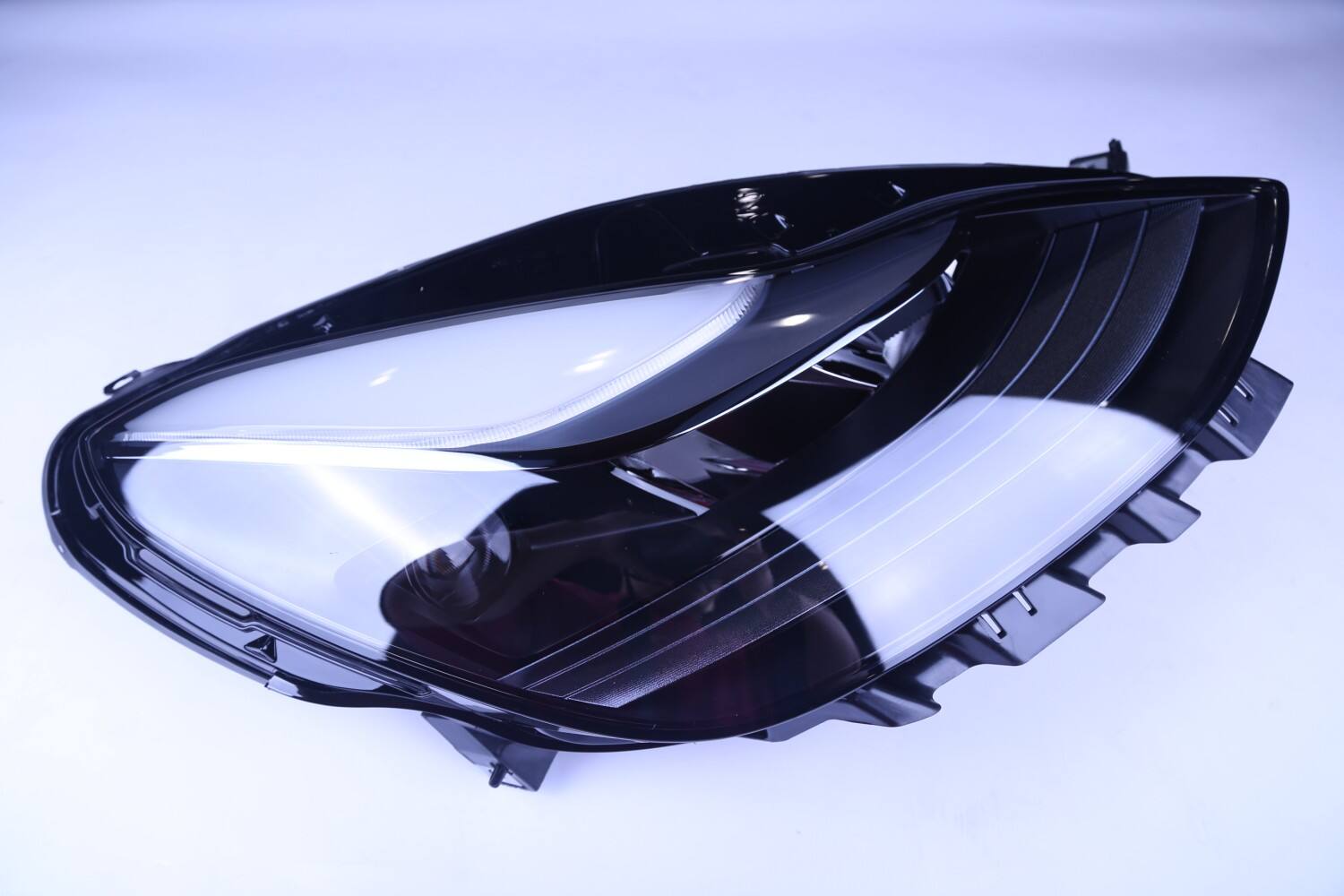
מנגנוני התאמה בתוך מערכות האור ברכב המודרניות מסתמכים על רשתות חיישנים משולבות, אלגוריתמי בקרה מתקדמים וטכנולוגיות תאורה רב-מצבים שפועלים יחד כדי לזהות שינויים בסביבה ולהתאים בהתאם את פרמטרי התאורה. מערכות אלו מנתחות נתונים שנאספים מחישנים לגשם, גלאי אור סביבתי, קלט ניווט GPS ומערכות חזותיות מבוססות מצלמות כדי לקבוע את תצורת התאורה האופטימלית לתנאי הנסיעה הנוכחיים. היכולת של מערכת תאורת הרכב להתאים עצמה באופן יעיל משפיעה ישירות על בטיחות הנהג, טווח הנראות והמניעת תאונות הנגרמות מתאורה בלתי מספקת או לא מתאימה בתנאי מזג אוויר קשים ובמצבים קשים על הכביש.
שילוב חיישנים וגילוי סביבתי במערכות תאורת רכב
טכנולוגיות לזיהוי גשם ולחות
מערכת האור ברכב מסתמכת במידה רבה על חיישני גשם המותקנים על חלון הנהג כדי לזהות את רמות הלחות ועוצמת המשקעים. חיישנים אופטיים אלו פולטים אור אינפרא-אדום שמשתנה באורכו כאשר נמצאים טיפות מים, מה שמאפשר למערכת לקבוע לא רק אם יורד גשם אלא גם את עוצמתו. כאשר נקלט גשם, מערכת האור ברכב מכווננת אוטומטית את דפוסי הזרקורים כדי להפחית את ההשתקפות מהחלקיקים המימיים שיכולים לגרום להבהוב ולפגוע בהבחנה קדימה. מערכות מתקדמות יכולות להבדיל בין גשם קל, גשם בינוני וגשם כבד, ולגרום להתאמות פרופורציונליות בהתפלגות האור ובעוצמתו.
מעבר לגילוי פשוט, חיישני הגשם המודרניים מתקשרים עם מודול הבקרה של מערכת האורות ברכב כדי להפעיל מצבים של אורות ערפל או תבניות קרן מיוחדות לאופטימיזציה בגשם, אשר מכוונות יותר אור כלפי מטה לכיוון משטח הכביש ולא קדימה לתוך המשקעים. התאמה זו מונעת מהאור להפוך לקיר חזותי של אור שמתנזר, אשר מסתיר את ראיית הנהג. המערכת עלולה גם להגביר את עוצמת אורות הסימון הצדדיים ואורות האחוריים כדי לשפר את הנראות לעצמים אחרים בכביש בתנאי רטוב, מה שממחיש את הגישה המקיפה שמערכות האורות האוטומטיות המודרניות נוקטות בהתאמות למטאורולוגיה.
חיישון אור סביבתי והתאמה אוטומטית
חיישני אור סביבתי הממוקמים בנקודות שונות סביב הרכבת מודדים באופן רציף את תנאי האור החיצוניים, מה שמאפשר למערכת האור האוטומובילית לעבור חלקות בין מצבים של אורות נסיעה יומיומיים, תאורה בחשכה ומצבי תאורה מלאה בלילה. חיישנים פוטו-רגישים אלו מודדים את עוצמת האור בערכים של לוקס ומעבירים את הנתונים הללו ליחידת הבקרה של מערכת האור, אשר מחשבת את תצורת התאורה האופטימלית על סמך סדרות סף מוגדרות מראש ואלגוריתמי מעבר הדרגתיים. הרגישות של החיישנים הללו מאפשרת למערכת האור האוטומובילית להגיב לשינויים פתאומיים כגון כניסה למעברים תת-קרקעיים, נהיגה בדרכים יעריות מוצלות במיוחד או התמודדות עם שינויים מזג אוויר פתאומיים שמקטינים באופן דרמטי את כמות האור הטבעי.
השילוב של חישה של אור סביבתי מרחיב את הפונקציונליות מעבר לפעולת הפעלה/כיבוי פשוטה וכולל עמעום רציף ומודולציה של העוצמה שמתאימה לשינויים הדרמטיים באור הטבעי במהלך זמני השחר והשקיעה. זה מונע שינויים פתאומיים באור שיכולים לפגוע זמנית בתהליך ההתאמה של הראייה של הנהג. בנוסף, מערכת האור האוטומובילית משתמשת בנתוני האור הסביבתי בשילוב עם מידע מ-GPS והשעון כדי לחזות את הצרכים באור בהתאם לשעת היום והמיקום הגאוגרפי, ולשנות מראש את ההגדרות לפני שהמצב משתנה, ולא להגיב רק לאחר שהמצב השתנה.
מערכות ראייה מבוססות מצלמה לניתוח מצב הדרך
מערכות תאורה מתקדמות לרכב משתמשות כיום בטכנולוגיית מצלמה הפונה קדימה שמנתחת את תנאי הכביש, תבניות התנועה והמפריעים הסביבתיים בזמן אמת. מערכות ראייה אלו משתמשות באלגוריתמים לעיבוד תמונות כדי לזהות מדרכות רטובות, כיסוי שלג, היווצרות קרח ושקיפות משטח הכביש, ולאחר מכן מעבירות מידע זה למודול בקרת התאורה לצורך התאמות מתאימות. המצלמה יכולה לזהות את דפוסי ההשתקפות האופייניים שמצביעים על מדרכות רטובות או קרות, מה שגורם למערכת התאורה ברכב לשנות את דפוסי קרני האור כדי למזער את ההשתקפות מהמשטח ולמקסם את התאורה היעילה לסימון נתיבים וקצות הכביש.
זיהוי מבוסס מצלמה מאפשר גם למערכת האור האוטומובילית לזהות רכבים נפגשים, רכבים המתקדמים בפנינו ומחזירי אור בצד הכביש, מה שמאפשר ניהול אינטליגנטי של קרני ההליכה שמדליקים אוטומטית את אזורי האור הספציפיים כדי שלא לעקור את הנהגים האחרים, תוך שמירה על עוצמת האור המקסימלית באזורים הלא תפוסים של הכביש. יכולת הדimming הבחירה הזו מייצגת התקדמות משמעותית בטכנולוגיית האור התאמתי, כיוון שהיא מאפשרת לנהגים להנות מראיה משופרת ללא פגיעה בבטיחות או בנוחות של אחרים שמשתמשים באותו כביש.
החלפת דפוס קרני האור התאמתי לתנאי מזג האוויר
אופטימיזציה של אורות ערפל ועיצוב קרני אור לטווח ראייה נמוך
כאשר מערכת الإضاءة האוטומובילית מזהה תנאי ערפל באמצעות שילוב של חיישני ראות, גלאי לחות וניתוח מבוסס מצלמה, היא מפעילה מצבים מיוחדים של אורות ערפל המשנים באופן יסודי את גאומטריית דפוס החזרת האור. האורות הגבוהים הרגילים אינם יעילים בתקופת הערפל, מכיוון שהטיפות המרחפות של מים מפזרות את האור חזרה לכיוון הנהג ויוצרות 'קיר אור' שמפחית את הראות. כדי להיאבק באפקט זה, מערכת האור האוטומובילית משנה את דפוס החזרת האור כלפי מטה ומגבירת את הפיזור האופקי שלו, מאירה את משטח הדרך היישר מול הרכבת תוך הגבלה מירבית של השלכת האור כלפי מעלה, אשר עלולה להתражף מהחלקיקים הערפיליים.
מערכות תאורה אוטומטיות מודרניות מבוססות LED ותאימות יכולים להתאים דינמית את קטעי האור הבודדים כדי ליצור תבניות ערפל אופטימליות ללא צורך ביחידה נפרדת של מנורות ערפל. שילוב זה מאפשר בקרת דיוק גבוהה יותר על גאומטריית קרן האור, כאשר המערכת מסוגלת ליצור תבניות אסימטריות שמאפשרות תאורה טובה יותר של צדי הדרך וסימוני התוואי גם בערפל צפוף. חלק מהמערכת המתקדמות כוללות דיודות פולטות אור (LED) באור חום או באור צהוב סלקטיבי באורך גל מסוים, אשר חודרים בערפל בצורה יעילה יותר מאשר אור לבן, והמערכת לאורות אוטומטית יכולה להזיז באופן אוטומטי את טמפרטורת הצבע לכיוון אורכי הגל הארוכים הללו בעת זיהוי ערפל, מה שמשפר את הניגודיות ומקטין את אפקטים הפיזור.
תבניות תאורה מתאימות לגשם
בזמן גשם, מערכת الإضاءה האוטומטית ניצבת בפני אתגר כפול: לספק תאורה דרך הגשם הנופל, ובמקביל להימנע מהשתקפות מוגזמת משטח הכביש הרטוב שיכולה ליצור זוהר ולפגוע בניגוד. כדי להתמודד עם זה, מערכות מותאמות משנות את הזווית האנכית של קרן האור כדי לצמצם את כמות האור הפוגעת בגשומים באוויר, תוך ריכוז התאורה על שטח הכביש, שם היא מספקת את הערך המרבי. ה מערכת תאורה לרכב עשוי גם להגביר את העוצמה הכוללת כדי לפצות על ספיגת האור על ידי חלקיקי המים, ולוודא ראייה מספקת למרות תופעת הפיזור של האור על ידי המשקעים.
התאמה משתרעת לניהול ההשתקפות המזכירות מראה, האופייניות לכביש רטוב, אשר עשויות להקשות על ראיית סימני מסלולים וסימני דרך. מערכות תאורה מתקדמות לרכב משתמשות בטכניקות קיטוב או בזוויות קרן מסוימות שממזערות את זוויות ההשתקפות משטח, ובכך מפחיתות באופן יעיל את הבהירות המפריעה הנובעת מכבישים רטובים, תוך שימור תאורה מספקת כדי לאפשר לנהג לזהות את גבולות הדרך, את הסימנים על הכביש ואת הסיכונים האפשריים. חלק מהמערכות כוללות דפוסי תאורה פולסיים או מתנודדים שמסייעים למערכת הראייה האנושית להבחין טוב יותר בין עצמים ממשיים להשתקפות, אף על פי שטכניקה זו דורשת קליברציה זהירה כדי למנוע עירוב או אי נוחות.
אסטרטגיות תאורה בתנאי שלג וקרח
תנאי הנהיגה בחורף מציגים אתגרים ייחודיים למערכת האורות של הרכב, כיוון שכבישים מכוסי שלג מאבדים את מרבית נקודות התייחסות החזותיות שעליהן סומכים הנהגים בדרך כלל, בעוד שלג נופל יוצר אפקטים של פיזור דומים לאלה של ערפל. כאשר התנאים של שלג מזוהים באמצעות חיישני טמפרטורה, חיישני משקעים וניתוח קamerate, מערכת האורות של הרכב מתאימה את עצמה כדי לספק שיפור מקסימלי בניגוד לצורך זיהוי קצות הכביש, רכבים אחרים ומפריעים. המערכת עלולה להפחית את עוצמת קרן האור בחלק הקרוב ביותר לקדמת הרכב כדי למזער את האפקט המבלבל של השלג הנופל המואר, תוך שמירה על עוצמה גבוהה יותר במרחקים בינוניים, שם יש לזהות את משטח הכביש והמפריעים.
זיהוי קרח מפעיל התאמות נוספות במערכת האור של הרכב, במיוחד בנוגע לאירוס טקסטורת שטח הכביש. כבישים קפואים נראים לעתים קרובות רגילים באופן מטעה תחת תאורה סטנדרטית, אך זוויות אירוס מיוחדות יכולות לחשוף את הזרקנות האופיינית וחוסר הטקסטורה המצביע על היווצרות קרח מסוכנת. חלק מהמערכת המתקדמות כוללות דפוסי אור או אורכי גל מסוימים שמשפרים את ההבחנה בראייה בין מדרכות יבשות, מדרכות רטובות ומדרכות מכוסות קרח, ומספקות לנהגים אזהרה מוקדמת קריטית לגבי תנאי סיכון שקדימה.
התאמת עוצמה וטמפרטורת צבע דינמית
שליטה אדפטיבית בעוצמת האור בהתאם לתנאים
מערכת האור ברכב מעדכנת באופן רציף את עוצמת האור בהתאם לתנאי הסביבה שזוהו, תוך איזון בין הצרכים המתנגשים של וضوح מרבי לנהג לבין סיכונים של זוהר למשתמשים אחרים בכביש וצריכה מופרזת של חשמל. בתנאי מזג אוויר צלולים ובהירות טובה, המערכת עלולה לפעול בעוצמות אור בינוניות שמספקות תאורה מספקת ללא השפעה מוגזמת על הסביבה החזותית. ככל שהתנאים מתדרדרים בגלל מזג האוויר או החשכה, מערכת האור ברכב מגבירה בהדרגה את עוצמת הפליטה, תוך שימוש באלגוריתמים מתקדמים לבקרת המערכת שמבטיחים מעבר חלק שלא מפריע להתאמה החזותית של הנהג.
התאמת החשיפה הדינמית הזו לוקחת בחשבון מספר גורמים בו זמנית, כולל רמות האור הסביבתי, זיהוי ירידות מים, טווח הראות קדימה ומהירות הרכבת. מהירויות גבוהות דורשות מרחק תאורה גדול יותר, מה שגורם למערכת התאורה ברכב להגביר את עוצמת האור ולהאריך את המרחק שבו פוגע קרן האור כדי לספק זמן תגובה מספיק לסיכונים במהירויות גבוהות. להיפך, בסביבות עירוניות עם תאורת רחוב עשירה ומהירויות נמוכות, המערכת מפחיתה את העוצמה כדי למזער את זיהום האור וצריכת האנרגיה, תוך שמירה על תאורה משנית מספקת לנווט בבטחה.
מודולציה של טמפרטורת הצבע לשיפור הראות
מערכות תאורה מודרניות לרכב, שמצוידות בטכנולוגיית LED או HID מתקדמת, יכולות להתאים את טמפרטורת הצבע של האור הנפלט כדי לאופטימיזציה של הראות בתנאים שונים. טמפרטורת הצבע, שנמדדת בקלווין, משפיעה באופן משמעותי על היכולת של הנהגים לזהות ניגודיות, עומק ופרטים בסביבות שונות. בתנאי לילה בהירים, מערכת התאורה ברכב פועלת בדרך כלל בטמפרטורות צבע גבוהות בין 5500K ל-6000K, ויוצרת אור לבן בהיר או לבן-כחול קליל שמספק רינדור צבעים מעולה וראות למרחק רב הדומה לתנאי האור היום.
כאשר מזוהים תנאי ערפל, גשם או שלג, מערכת האור האוטומטית יכולה לעבור לטמפרטורות צבע חמות יותר בטווח של 3000K עד 4300K, ויוצרת אור צהוב או אמבר יעיל יותר לחדירה דרך המשקעים ומבזר פחות מאור כחול-לבן קריר. התאמת אורך הגל הזו מנצלת את הפיזיקה של בזירה של אור, מכיוון שאורכי גל ארוכים יותר נפגעים פחות מבזירה מסוג ריליי בעת פגיעה בחלקיקים קטנים כגון טיפות מים או بلוריות קרח. היכולת להתאים דינמית את טמפרטורת הצבע מייצגת יכולת התאמה מתוחכמת שמשפרת באופן משמעותי את היעילות המעשית של מערכת האור האוטומטית בתנאי מזג אוויר מגוונים.
שיפור ניגודיות באמצעות אופטימיזציה ספקטרלית
מעבר להתאמת טמפרטורת הצבע הפשוטה, מערכות תאורה מתקדמות לרכב מסוגלות לאופטימיזציה של הרכב הספקטרלי של האור הנפלט כדי לשפר את תפיסת הקונטרסט בתנאי דרכים מסוימים. מערכים מרובה ערוצים של דיודות פולטות אור (LED) מאפשרים למערכת התאורה ברכב להתאים את היחסים בין אורכי הגל השונים בספקטרום הפליטה, ולדגיש צבעים שנותנים קונטרסט טוב יותר בפני חומרים נפוצים משטח הדרכים וסכנות נפוצות. לדוגמה, הגברת רכיב הספקטרום הירוק יכולה לשפר את הראות של צמחייה וסימני דרך לצידי הדרך, בעוד התאמת תוכן הספקטרום האדום משפרת את תפיסת אורות הבלם וסימני האזהרה.
יכולת האופטימיזציה הספקטרלית הזו הופכת ליתרון מיוחד בתנאי ראות קשים, שבהם הבדלים עדינים בקונטרסט יכולים להיות ההבדל בין זיהוי סיכון לבין החטאתו לחלוטין. מערכת התאורה האוטומובילית יכולה להתאים את הפליטה הספקטרלית שלה על סמך תבניות שנלמדו מקלט המצלמה, ובכך לעצב את האור באופן שמקסם את תוכן המידע הנראה לנהג בתנאים הנוכחיים. זהו צעד לקראת תאורה אינטליגנטית ומודעת להקשר, שעוברת מעבר להתאמת בהירות פשוטה כדי לאופטימיזציה יסודית של מה שהנהג יכול לראות וכיצד הוא עורך מידע חזותי במהירות.
מנגנוני התאמה לעקומים ולתנאי השטח
הפעלת תאורת פינה דינמית
מערכת האור ברכב מתאימה לא רק לתנאי מזג האוויר אלא גם לגאומטריה של הכביש, במיוחד בעת ניווט במושבות שבהן תאורת קדימה סטנדרטית משאירת את הנתיב הממשי של הנסיעה בחשכה. אורות פינה דינמיים מפעילים מקורות אור נוספים או מדריכים מחדש קרני אור קיימות כדי לארח את הכביש מלפנים בכיוון הנסיעה במקום לכוון אותן ישר קדימה. התאמה זו מסתמכת על חיישני זווית היגוי, נתוני מהירות הרכב ופעמים רבות גם על מידע ניווט GPS כדי לחזות את מסלול העקומה ולהתאים את התאורה בהתאם עוד לפני שהרכב נכנס לפינה.
מערכות תאורה אוטומטיות מתקדמות מסוג LED מטריצה יכולות ליצור תאורה בפניות ללא תנועה מכנית, על ידי הפעלה סלקטיבית של קטעי LED הממוקמים בצדדים של יחידת התאורה. כאשר הנהג מתחיל להניע את הגירס, מערכת התאורה האוטומטית מפעילה בהדרגה את הקטעים הצדדיים הללו, תוך שיכולת לעדכן את עוצמת האור של חלק מהקטעים הפונים קדימה, ובכך מסובבת באופן יעיל את דפוס האור בכיוון הפנייה. הנחיתה האלקטרונית של קרן האור מספקת זמני תגובה מהירים יותר ודיוק רב יותר מאשר מערכות סיבוב מכניות, וכן מבטלת חלקים ניידים שפגומים במגזר החשוף לבלאי לאורך זמן.
התאמת הגרדיאנט והגובה
שינויי גובה בכביש יוצרים אתגרים משמעותיים לשמירה על תאורה אופטימלית, כיוון שמדרגות תלולות לעלות על הכביש עלולות לגרום לאורות הקדמיים לכוון כלפי השמיים, מה שמפחית את התאורה של משטח הכביש, בעוד שמדרגות יורדות עלולות לגרום להבהוב מוגזם לתנועה הנגדית. מערכת התאורה האוטומטית ברכב פותרת בעיות אלו באמצעות מערכות דינמיות למתן ערך (leveling) שמותאמות את הכיוון האנכי של האורות הקדמיים בהתאם לזווית המוטציה של הרכב, כפי שנמדדת על ידי מאיצנים וחיישני מיקום התלייה. כאשר המערכת מזהה מוטציה כלפי מעלה המציינת נסיעה על מדרגה עולה, היא מורידה אוטומטית את זווית קרן האור כדי לשמור על תאורה מתאימה של הכביש במקום לבזבז אור על ידי השלכתו לאוויר הריק מעל הכביש.
באופן דומה, בעת ירידה במדרגות תלולות, מערכת התאורה האוטומטית ברכב מעלות את זווית הזרקורים כדי למנוע מהאור המרוכז להבהיל נהגים נפגשים הנמצאים בגובה נמוך יותר. התאמות רציפות אלו מתבצעות באופן אוטומטי וחלק, וברוב המקרים הנהג אינו מודע לתיקונים שמתבצעים. המורכבות של מערכות התאורה האוטומטית המודרניות משתרעת גם לתיקון שינויים בזווית הגוף של הרכב הנובעים מהעמסה, כגון בעת נשיאת מטען כבד או גרירת מ trailers, ומבטיחה גאומטריה עקיבה של האירוס ללא תלות בתנאי העמסת הרכב שיכלו אחרת לשנות את כיוון הזרקורים.
התאמה לכבישים לא מסומנים ולשטחים לא מוצבים
לכלי רכב שמצוידים ביכולות נסיעה מחוץ לכביש, מערכת התאורה האוטומטית כוללת מצבים מיוחדים שממגינים את תאורת הכבישים הלא מפורסים, הטריטוריה הרעועה והנעה לאט בסביבות מאתגרות. מצבים של נסיעה מחוץ לכביש מרחיבים בדרך כלל את דפוס קרן האור כדי לספק תחזית טובה יותר בזווית הראייה הצלעית לזיהוי מכשולים, גבים ומאפייני הטריטוריה הדורשים התאמות במסלול הנסיעה. המערכת עלולה גם להפעיל אזורי תאורה משניים שמאירים אזורים קרובים יותר לכלי הרכב, ובכך להתמודד עם עדיפויות השונות של הנראות בנסיעה מחוץ לכביש לעומת נסיעה על כביש מהיר, שבה חשיבותו המרכזית של הראייה למרחק.
מערכות תאורה רכבית מסתגלות למדור יכלו לזהות מצבים קשים בכביש באמצעות דפוסי תנועת התלוי וחיישני דינמיקת הרכב, ואז להתאים את האירוס כדי לפצות על העלייה בתנועה אנכית והשונות בזווית המוטה המתרחשות על משטחים לא שווים. חלק מהמערכות כוללות אלגוריתמי התאמה מנבאים המשתמשים בנתוני מיפוי הקרקע כדי לחזות שינויים עתידיים בגובה או מעברים בין סוגי משטחים, ולהתאים מראש את דפוס האור כדי לשמור על נראות אופטימלית למרות שינויים מהירים בעמדת הרכב שיכלו אחרת לגרום לחורים באירוס או לתנועה מוגזמת של דפוס האור.
ניהול חכם של זוהר מפריע והתאמה לתנועה
מערכות בקרה אוטומטיות של קרני ההלוך הגבוהות
אחת ההתאמות המעשיות ביותר במערכות האור המודרניות ברכב היא ניהול אוטומטי של אור גבוה שזיהה רכבים אחרים ומעדכן את ההארה כדי למקסם את הראות של הנהג ולמזער את העיוורון של נהגים אחרים. מערכות זיהוי מבוססות מצלמה מזהות את פנסי ההליכה של רכבים נפגשים ואת פנסי הסיום של הרכבים שקדימה, ומביאות למערכת האור ברכב להחליף אוטומטית מאור גבוה לאור נמוך. אוטומציה זו מבטיחה שהנהגים ייהנו מההארה המירבית בכל עת אפשרית, ללא צורך בתשומת לב ידנית מתמדת להחלפת האורות – דבר שנוהג להיות מוזנח במהלך הנהיגה האמיתית, וגורם לעיוורון מיותר.
יישומים מתקדמים יוצאים מגבולות בקרת הזרקורים הגבוהים פשוטה של 'דלוק-כבה' וכוללים מערכות זרקורים גבוהים אדפטיביות שמדלימות באופן סלקטיבי רק את האזורים בדפוס האור שיכולים לגרום להבהוב, תוך שמירה על תאורת זרקורים גבוהים באזורים הלא מאוכלסים של הכביש. התאמה חלקית זו מאפשרת למערכת תאורה רכבית לספק נראות טובה בהרבה לעומת תאורת זרקורים נמוכים מסורתיות, תוך שמירה על נהגים אחרים מפני אי נוחות והפרעה לראייה. המערכת עוקבת באופן רציף אחר מספר כלי רכב בו זמנית ויוצרת אזורים דינמיים של צל בדפוס האור המתאימים למיקום כל כלי רכב שזוהה, כאשר הצללים האלה נעים באופן חלק בהתאם לשינוי במיקומים היחסיים.
מעבר בין מצב עירוני למצב כביש מהיר
מערכת האור ברכב מזהה דרישות תאורה שונות לנהיגה בערים לעומת נסיעה על כבישים מהירים ומתחילה בהתאם למהירות, נתוני מיקום GPS ומאפיינים סביבתיים שזוהו. בסביבות עירוניות עם תאורת רחוב אמביינטית, מהירויות נמוכות וה עצירות תכופות, המערכת מדגישה דפוסי קרן רחבים יותר עם תאורה משופרת באזור הקרוב כדי לעזור לנהגים לזהות הולכי רגל, רוכבי אופניים ומפריעים בטווח קרוב. מערכת האור ברכב עלולה להפחית את העוצמה הכוללת באזורים עירוניים מוארים היטב כדי למנוע זוהר מוגזם מחיצי סימונים ופניות בניין, תוך שמירה על תאורה משנית מספקת לביטחון.
נהיגה על כביש מהירה מפעילה מעבר לתבניות קרן ממוקדות לטווח ארוך שמרחיקות את מרחק הראיה כדי להתאים למהירויות גבוהות ולדרישות זמן תגובה ארוכות יותר של נהיגה על כביש מהירה. מערכת התאורה האוטומטית ברכב מגבירה את העוצמה ומרכזה אור רב יותר באזור המרכזי הקדמי, תוך הפחתת תאורת השוליים שמתגלה כפחות יעילה במהירויות כביש מהירה. מעבר זה למצב מסוים מתואם גם עם מערכות אחרות ברכב, כגון הפעלת תאורת צד משופרת בעת שימוש באינדיקטורים לסימון החלפת נתיב, מה שמשפר את הראיה של הנתיבים הסמוכים והאורחים האפשריים באזורי העיוור.
התאמת עוצמת תאורה לפי תנאי מזג האוויר
מערכות תאורה מתקדמות לרכב מסנכרנות את התאמות העוצמה והדפוס שלהן עם נתוני מזג האוויר בזמן אמת שמקבלים דרך מערכות החיבור של הרכב או שמבוטאים באמצעות חיישנים פנימיים. כאשר הרכב מתקרב לאזורים שדווחו בהם על גשם כבד, ערפל או שלג, בהתבסס על נתוני שירות מזג האוויר או על מידע שמקורו במשתמשים אחרים ברכב מחובר (מידע שנקבץ מקהילה), מערכת התאורה של הרכב יכולה להתאים מראש את ההגדרות שלה בהתאם למצב מזג האוויר, עוד לפני שהנהג נתקל בתנאים הללו. התאמה חיזויית זו מספקת מעבר חלק יותר והתכוננות טובה יותר בהשוואה למערכות ריאקטיביות בלבד, אשר מתאמות רק לאחר שהתנאים כבר גרמו לפגם בראות.
המערכת שומרת על למידת תבניות היסטוריות המזהות מיקומים וזמנים שבהם תנאי מזג אוויר מסוימים מתרחשים בדרך כלל, כגון אזורים עירוניים נוטים לערפל בשעות הבוקר המוקדמות או כבישים רטובים מיד לאחר שהגשם מתחיל. ההתנהגות שנלמדה הזו מאפשרת למערכת האורות ברכב לחזות את תנאי הדרך האפשריים ולתאם אסטרטגיות תאורה שמרניות כאשר קיימת אי-ודאות, תוך העדפה של ראייה טובה יותר במקום להמתין לאישור סופי מהחיישנים לכך שהתנאים החמירו. שילוב התאמות מנבאות למזג האוויר מייצג את ההתפתחות לקראת מערכות תאורה אמיתית-אינטליגנטיות שמסייעות באופן פעיל לנהגים ולא רק מספקות תאורה בסיסית.
שאלה נפוצה
איך מערכות האורות ברכב מזהות אוטומטית את תנאי מזג האוויר?
מערכות תאורה לאוטומובילים מזהות תנאי מזג אוויר באמצעות מספר חיישנים משולבים, כולל חיישני גשם על הווידאו שמזדהים עם לחות ועוצמת המשקעים, חיישני אור סביבתי שמודדים את רמות הנראות, חיישני טמפרטורה שמצביעים על תנאים פוטנציאליים של קרח או שלג, ומצלמות פונות קדימה שמנתחות את רמת הרטיבות של פני הכביש והבהירות האטמוספרית. החיישנים הללו עובדים יחד כדי לספק תחושת הסביבה מקיפה שמייצרת התאמות מתאימות בתאורה. המערכת מעבדת נתונים מכל החיישנים בו זמנית כדי ליצור תמונה מדויקת של התנאים הנוכחיים ומפעילה אוטומטית התאמות בדפוס קרן האור, בעוצמתה ובטמפרטורת הצבע שלה כדי למקסם את הנראות ללא צורך בהתערבות הנהג.
האם מערכות תאורה לאוטומובילים מסוגלות להתאים את עצמן באופן שונה גם לגשם וגם לאבקן?
כן, מערכות תאורה מתקדמות לרכב מבדילות בין תנאי גשם וערפל ומיישמות אסטרטגיות התאמה שונות לכל אחד מהן. גשם מפעיל התאמות שפוחתות את ההשתקפות משטח הכביש הרטוב ומניעות את השפעת טיפות הגשם הנופלות, תוך שמירה על תאורת המרחק הקדמי, בדרך כלל על ידי נטיית קרן האור מעט כלפי מטה ובעת необходимости גם על ידי הגברת העוצמה. תנאי ערפל גורמים לשינויים דרמטיים יותר, הכוללים נטייה משמעותית של קרן האור כלפי מטה, הרחבת הפיזור האופקי, הפחתת הקרינה לאופק העליון, ולפעמים מעבר לטמפרטורת צבע חמה יותר שחדירה דרך הערפל יעילת יותר. המערכת מזהה באילו תנאים היא נמצאת על סמך מדידות מרחק הראיה, תבניות זיהוי המשקעים וניתוח של המצלמה ברורות האטמוספרה, ולאחר מכן מיישמת את אסטרטגיית התאורה המיוחדת המתאימה.
האם כל כלי רכב מודרניים מצוידים במערכות תאורה רכבית מותאמות?
לא כל הרכבים המודרניים כוללים מערכות תאורה רכבית מתקדמות במלואן, מאחר שטכנולוגיות אלו נמצאות לרוב בקטגוריית הרכבים הבינונית עד הפרימיום או זמינות כחבילות ציוד אופציונליות. הפעלה אוטומטית בסיסית של פנסי הראשה על סמך האור הסביבתי היא כעת נפוצה ברוב קבוצות הרכבים, אך תכונות מתקדמות כגון התאמת דפוס קרן דינמית, עיכוב סלקטיבי של LED מטריצי, פנסי פינה מתאימים לעקומים ותאורת תגובה לתנאי מזג האוויר מופיעים בדרך כלל ברמות ציוד גבוהות יותר או ברכבים יוקרתיים. טכנולוגיית מערכת התאורה הרכבית הולכת ונעשית זולה יותר ומרחיבה את תפוצתה, ככל שרכיבי ה-LED הופכים זולים יותר והמסגרות التنظימיות מעודדות או דורשות באופן הולך וגובר תכונות תאורה מתקדמות בשל היתרונות לביטחון.
איך מערכת התאורה הרכבית משפרת את הביטחון בתנאים קשים?
מערכת האור ברכב משפרת את הבטיחות על ידי אופטימיזציה מתמדת של הראות בתנאי הנהיגה הנוכחיים, הפחתת עומס הנהג ומזעור זוהר מסוכן למשתמשי דרך אחרים. על ידי התאמה אוטומטית לשינויי מזג האוויר, מבטיחה המערכת שהנהג תמיד יקבל תאורה מתאימה ללא צורך בהתאמות ידניות מתמידות שמסיחות את דעתו מהמשימות העיקריות של הנהיגה. היכולות המותאמות מונעות בעיות נפוצות כגון זוהר מסוכן מהאורות הגבוהים שמעכבים את הראייה של נהגים נפגשים, ראות לקויה באדים או בגשם עקב דפוסי אור לא מתאימים, וניגוד לקוי בכביש רטוב או מכוסה שלג. מחקרים מצביעים על כך שמערכות תאורה רכבית מותאמות מקטינות באופן משמעותי את תאונות הלילה על ידי הרחבת המרחק שבו הנהגים יכולים לזהות סיכונים ותאורת שפה טובה יותר של קצוות הכביש וסימוני התוואי בתנאים קשים שבהם תאורת קבועה מסורתית פועלת בצורה לקויה.