EN
EN



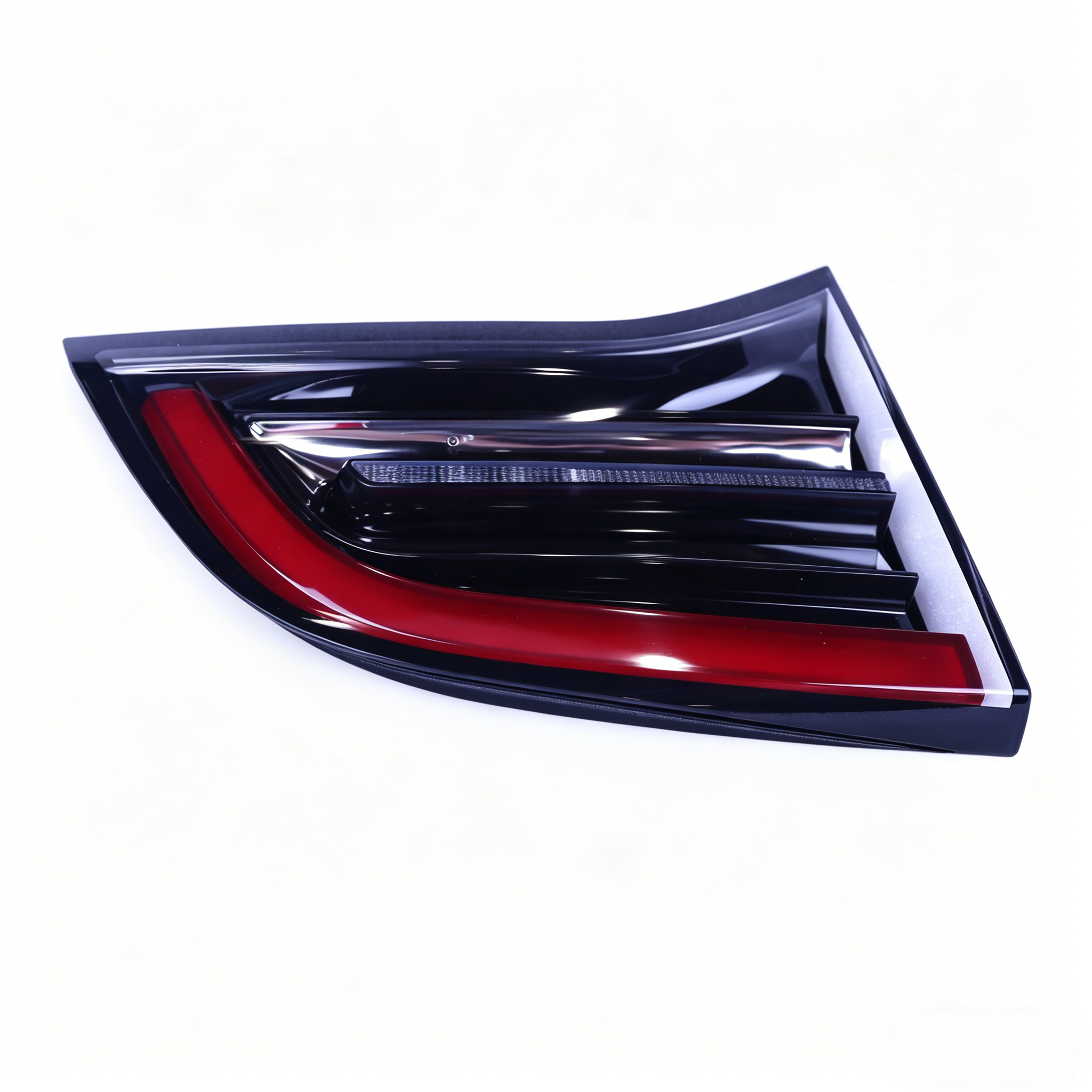
Wytrzymałość systemu oświetlenia samochodowego jest kluczowym czynnikiem, który bezpośrednio wpływa na bezpieczeństwo pojazdu, koszty eksploatacji oraz ogólną wydajność. Wraz z wiekiem pojazdu i narastającym przebiegiem elementy oświetleniowe są stale narażone na czynniki środowiskowe, wahania napięcia elektrycznego, drgania mechaniczne oraz cykle termiczne, które stopniowo naruszają ich integralność. Zrozumienie konkretnych czynników wpływających na żywotność tych systemów pozwala producentom samochodów, operatorom flot oraz właścicielom pojazdów na podjęcie świadomych decyzji dotyczących doboru komponentów, protokołów konserwacji i strategii wymiany. Złożone oddziaływanie między nauką materiałową, inżynierią projektową, warunkami środowiskowymi a wzorcami użytkowania determinuje, jak długo reflektory, światła tylnie oraz inne elementy oświetleniowe będą działać niezawodnie przed koniecznością konserwacji lub wymiany.
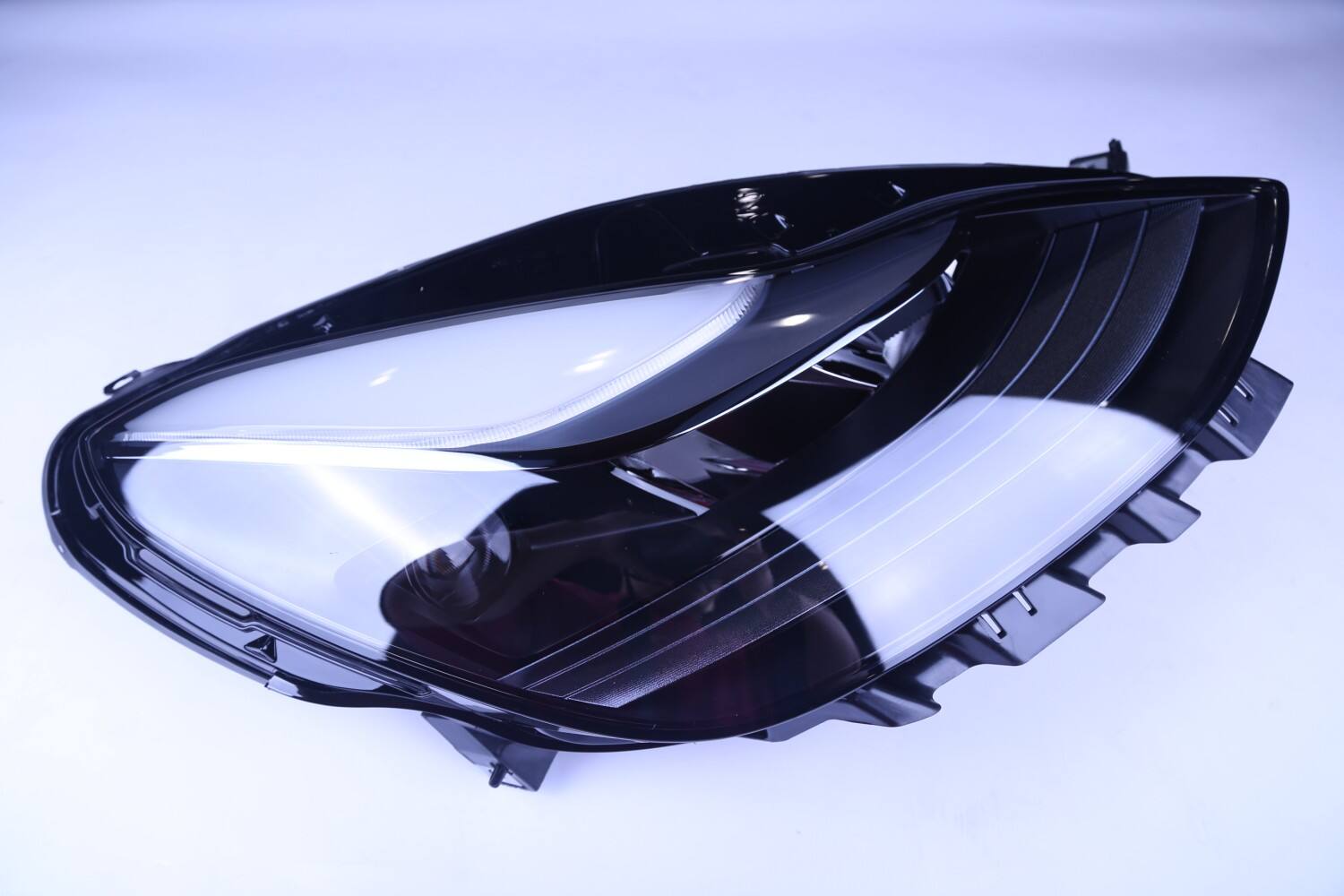
Nowoczesne pojazdy wykorzystują coraz bardziej zaawansowane technologie oświetleniowe — od tradycyjnych żarówek halogenowych po nowoczesne systemy LED i adaptacyjne, które charakteryzują się różnymi cechami trwałości oraz różnymi trybami uszkodzeń. Przejście na rozwiązania oświetleniowe oparte na elementach półprzewodnikowych zasadniczo zmieniło główne mechanizmy awarii wpływające na trwałość systemów oświetlenia samochodowego, przesuwając nacisk z degradacji włókna żarowego na niezawodność obwodów sterujących oraz skuteczność zarządzania ciepłem. Trwałość komponentów nie zależy wyłącznie od samego źródła światła, lecz obejmuje całą zmontowaną jednostkę, w tym materiały obudowy, polimery soczewek, powłoki odbijające, łącza elektryczne, systemy uszczelniające oraz elementy mocujące. Każdy element tego zintegrowanego systemu podlega unikalnym ścieżkom degradacji, których przebieg jest uzależniony od czynników takich jak ekspozycja na promieniowanie UV czy działanie korozyjnych substancji stosowanych na drogach, co czyni kompleksową ocenę trwałości niezbędną do zoptymalizowania zarówno projektowania, jak i strategii konserwacji.
Jakość materiału i standardy produkcji
Degradacja polimerów w elementach soczewek i obudów
Materiały takie jak poliwęglan i akryl stosowane w soczewkach i obudowach systemów oświetleniowych pojazdów są szczególnie podatne na degradację środowiskową w trakcie długotrwałej eksploatacji. Promieniowanie UV pochodzące ze słońca inicjuje reakcje fotochemiczne prowadzące do rozkładu łańcuchów polimerowych, co skutkuje żółknieniem, zamgleniem oraz obniżeniem efektywności przepuszczania światła. Proces ten przyspiesza w regionach o intensywnym nasłonecznieniu, gdzie skumulowane dawki promieniowania UV mogą znacznie skrócić rzeczywistą żywotność niechronionych materiałów soczewek. Współczesne procesy produkcyjne wykorzystują dodatki stabilizujące działanie promieniowania UV oraz twarde powłoki ochronne, które znacznie wydłużają odporność na tę formę degradacji; jednak jakość i grubość tych warstw ochronnych różnią się znacznie w zależności od poziomu technologicznego produkcji oraz segmentu cenowego.
Cyklowanie temperatury dodatkowo obciąża elementy polimerowe w systemie oświetlenia samochodowego, ponieważ powtarzające się rozszerzanie i kurczenie się powodują naprężenia mechaniczne wewnętrzne, które mogą prowadzić do powstawania mikropęknięć i ostatecznego uszkodzenia strukturalnego. Różnica temperatur między nagrzewaniem podczas pracy źródła światła a chłodzeniem otoczenia podczas wyłączania pojazdu poddaje materiały zmęczeniu cyklicznemu, które kumuluje się przez tysiące cykli nagrzewania. Wysokiej jakości formuły poliwęglanu o zwiększonej stabilności termicznej zachowują dokładność wymiarową i przejrzystość optyczną dłużej niż tańsze alternatywy, co bezpośrednio przekłada się na wydłużoną trwałość. Odporność chemiczna odgrywa również kluczową rolę, ponieważ narażenie na płyny samochodowe, środki czyszczące oraz związki stosowane do odtapywania dróg może powodować żrzenie powierzchni lub osłabienie strukturalne materiałów o niewłaściwej formule.
Trwałość metalizacji i powierzchni odbijających
Powierzchnie odbijające w zestawie systemu oświetleniowego pojazdu pełnią kluczową funkcję kierowania i skupiania światła w kierunku zamierzonego wzoru wiązki. Powierzchnie te wykorzystują zazwyczaj metalizację aluminiową lub srebrną, nanoszoną metodą próżniową na precyzyjnie formowane podłoża. Trwałość tych powłok odbijających zależy w dużej mierze od jakości przyczepności warstw metalicznych do materiałów podłoża oraz od skuteczności ochronnych powłok nadmiotowych chroniących przed utlenianiem i działaniem czynników chemicznych. Odwarstwianie stanowi typowy tryb uszkodzenia, przy którym wilgoć środowiskowa przenika przez uszkodzone uszczelki lub przepuszczalne podłoża, powodując oddzielenie się warstwy metalicznej i utratę zdolności odbijania światła.
Kontrola procesu produkcyjnego podczas metalizacji ma bezpośredni wpływ na długotrwałą wytrzymałość; czynniki takie jak czystość podłoża, poziom próżni w komorze napylania oraz jednolitość grubości powłoki przyczyniają się do końcowej wydajności. Komponenty wysokiej klasy systemów oświetleniowych samochodowych przechodzą wiele etapów weryfikacji jakości, aby zapewnić, że powierzchnie odbijające spełniają rygorystyczne normy przyczepności i odporności na korozję. Testy narażenia na czynniki środowiskowe symulują lata eksploatacji w skróconym czasie, umożliwiając identyfikację potencjalnych trybów uszkodzenia jeszcze przed wprowadzeniem komponentów do produkcji. Przejście na technologię LED zmniejszyło w pewnym stopniu naprężenia termiczne działające na powierzchnie odbijające w porównaniu z systemami halogenowymi, jednak przedostawanie się wilgoci pozostaje utrzymującym się problemem wymagającym skutecznych strategii uszczelniania oraz starannej selekcji materiałów na wszystkich etapach montażu.
Integralność połączeń elektrycznych i odporność na korozję
Złącza elektryczne i interfejsy przewodów stanowią kluczowe punkty podatności w dowolnym systemie oświetleniowym pojazdu, ponieważ te połączenia muszą zapewniać niezawodny przepływ prądu przy jednoczesnym wytrzymywaniu surowych warunków środowiskowych. Korozyjne uszkodzenia złączy powstają wtedy, gdy wilgoć i zanieczyszczenia przedostają się do styków, tworząc warstwy tlenków o wysokiej rezystancji, które zwiększają opór elektryczny i powodują lokalne nagrzewanie się. To nagrzewanie przyspiesza dalszą korozję w samowzmocniającym się cyklu degradacji, który ostatecznie prowadzi do niestabilnej pracy lub całkowitego awarii obwodu. Wysokiej jakości złącza są wyposażone w powłoki ze złota lub cyny na powierzchniach styku, odpowiednie uszczelki gumowe oraz solidne konstrukcje zacisków zapewniające stałe naciskanie styków przez cały okres eksploatacji pojazdu.
Jakość przewodów pod względem ich grubości i izolacji w obudowie systemu oświetlenia samochodowego ma również wpływ na trwałość, szczególnie w zastosowaniach wysokoprądowych, gdzie przewody o zbyt małym przekroju mogą się przegrzewać i powodować degradację materiałów izolacyjnych. Elastyczna izolacja z silikonu lub PTFE zapewnia zachowanie właściwości eksploatacyjnych w szerszym zakresie temperatur niż standardowe alternatywy z PVC, zapobiegając pękaniu oraz uszkodzeniom izolacji, które mogłyby prowadzić do zwarcia. Środki zapobiegawcze przed obciążeniem mechanicznym w punktach połączeń zapobiegają zmęczeniu materiału spowodowanemu wibracjami i ruchami termicznymi, które w przeciwnym razie skupiają naprężenia w miejscach lutowania lub zacisków zaciskowych. Regularne protokoły inspekcyjne powinny potwierdzać integralność połączeń, sprawdzając występowanie przebarwień, produktów korozji lub luźnych zacisków, które mogą wskazywać na rozwijające się problemy elektryczne wymagające interwencji zapobiegawczej.
Narażenie na czynniki środowiskowe oraz warunki eksploatacji
Cyklowanie termiczne i skuteczność odprowadzania ciepła
Temperatura pracy stanowi jeden z najważniejszych czynników wpływających na trwałość elementów systemów oświetleniowych w pojazdach, szczególnie w przypadku systemów opartych na diodach LED, gdzie temperatura złącza jest bezpośrednio powiązana z szybkością degradacji strumienia świetlnego oraz niezawodnością obwodów sterujących. Skuteczne zarządzanie ciepłem poprzez odprowadzanie ciepła za pomocą radiatorów, przepływ powietrza konwekcyjnego oraz ścieżek przewodzenia ciepła decyduje o tym, czy wrażliwe elementy elektroniczne działają w zakresie temperatur projektowych, czy też doświadczają przyspieszonego starzenia się spowodowanego naprężeniem termicznym. Systemy LED generują skoncentrowane ciepło w obszarze złącza, które musi być skutecznie odprowadzane za pośrednictwem materiałów międzymetalowych do metalowych radiatorów, a następnie rozpraszone do otoczenia.
Niewłaściwe zaprojektowanie układu termicznego powoduje przekroczenie temperatury w złączach powyżej zalecanych limitów, co wykładniczo przyspiesza ubytek strumienia świetlnego i skraca użyteczny okres eksploatacji. Badania wykazują, że obniżenie temperatury pracy o każde dziesięć stopni Celsjusza może podwoić przewidywaną żywotność elementów LED, co czyni zarządzanie ciepłem kluczowym aspektem projektowania. System oświetlenia samochodowego musi znaleźć kompromis między wymaganiami dotyczącymi odprowadzania ciepła a ograniczeniami estetycznymi, przestrzennymi oraz docelowymi kosztami, co często wymaga zaawansowanej symulacji i optymalizacji termicznej w trakcie procesu rozwoju. W zastosowaniach motocyklowych dominują strategie chłodzenia pasywnego ze względu na obawy dotyczące niezawodności aktywnych systemów wentylatorowych, co zwiększa znaczenie geometrii radiatora, jego powierzchni oraz przewodności cieplnej materiału.
Przenikanie wilgoci i degradacja uszczelek
Przenikanie wilgoci stanowi utrzymujący się zagrożenie dla trwałości systemów oświetlenia samochodowego, ponieważ kondensacja wewnętrzna może powodować korozję połączeń elektrycznych, degradację powierzchni odbijających oraz zaparowanie elementów optycznych. Systemy uszczelniające muszą uwzględniać różnice w rozszerzalności termicznej między materiałami o różnych właściwościach, zachowując przy tym nieprzepuszczalność dla wody ciekłej i pary wodnej przez lata eksploatacji w warunkach skrajnych temperatur oraz naprężeń mechanicznych. Uszczelki gumowe i kleje silikonowe stanowią główne bariery, lecz ich skuteczność zależy od prawidłowego docisku, przygotowania powierzchni oraz zgodności materiału z sąsiadującymi komponentami.
Otworki wentylacyjne (breather vents) wbudowane w nowoczesne system oświetlenia samochodowego projekty umożliwiają wyrównywanie ciśnienia wewnętrznego przy jednoczesnym blokowaniu przepływu wody ciekłej dzięki technologii membran hydrofobowych. Te otwory wentylacyjne zapobiegają różnicom ciśnień, które w przeciwnym razie powodowałyby napływ wilgoci do zespołów podczas schładzania się gorącego powietrza po wyłączeniu urządzenia. W przypadku braku sprawnej wentylacji ujemne ciśnienie wewnętrzne działa jak pompa, zasysając wilgotne powietrze otoczenia przez styki uszczelek. Regularne inspekcje powinny potwierdzać, że membrany wentylacyjne pozostają niezablokowane przez nagromadzenie się zanieczyszczeń, które mogłyby zakłócić ich funkcjonowanie. Wysokiej jakości materiały uszczelniające zachowują elastyczność w całym zakresie temperatur bez utraty giętkości ani pękania, co wymaga starannego doboru elastomerów i może obejmować użycie materiałów premium, takich jak fluorosilikon, zapewniających zwiększoną trwałość w ekstremalnych warunkach.
Zmęczenie wibracyjne i gromadzenie się naprężeń mechanicznych
Ciągłe narażenie na wibracje, które jest nieodłącznym elementem eksploatacji pojazdów samochodowych, poddaje każdy komponent systemu oświetlenia samochodowego cyklicznym naprężeniom mechanicznym, które gromadzą się w postaci uszkodzeń zmęczeniowych w trakcie całego okresu użytkowania pojazdu. Punkty mocowania, wewnętrzne uchwyty oraz połączenia elektryczne są narażone na powtarzające się obciążenia, które mogą prowadzić do powstawania pęknięć, poluzowania elementów zaczepnych lub awarii materiału, jeśli zaprojektowane zapasy wytrzymałości okazują się niewystarczające. Zgodność częstotliwości rezonansowej pomiędzy wzbudzeniami wibracyjnymi a własnymi częstotliwościami drgań komponentów powoduje wzrost poziomu naprężeń, co może skutkować przyspieszonym uszkodzeniem przy określonych prędkościach jazdy lub warunkach nawierzchni drogowej.
Solidne projekty systemów oświetlenia samochodowego uwzględniają izolację wibracyjną poprzez elastyczne interface’y montażowe, odpowiednie materiały tłumiące oraz wzmocnione elementy konstrukcyjne w miejscach poddawanych wysokim naprężeniom. Analiza metodą elementów skończonych przeprowadzana w trakcie etapu rozwoju pozwala zidentyfikować punkty skupienia naprężeń wymagające modyfikacji projektu lub ulepszenia materiałów, aby osiągnąć założone cele trwałości. Testy drogowe na torach próbnych oraz publicznych trasach drogowych walidują prognozy analityczne, narażając prototypy na rzeczywiste widma wibracji, które ujawniają potencjalne tryby uszkodzeń jeszcze przed wprowadzeniem produktu do produkcji seryjnej. Testy wibracyjne na poziomie poszczególnych komponentów zgodnie ze standardami motocyklowymi i samochodowymi zapewniają, że każdy element jest w stanie wytrzymać określone poziomy przyspieszenia w zakresie częstotliwości bez degradacji, choć ostateczna trwałość w warunkach rzeczywistych zależy od prawidłowej integracji tych elementów w całe systemy pojazdowe.
Charakterystyki systemu elektrycznego i jakość energii elektrycznej
Podatność na przebiegi przejściowe napięcia oraz strategie ochrony
Środowisko elektryczne w systemach pojazdów naraża elektronikę systemów oświetleniowych samochodowych na różne przebiegi przejściowe przekroczenia napięcia, które mogą uszkodzić wrażliwe elementy w przypadku braku odpowiednich środków ochrony. Przebiegi przejściowe związane z odciążeniem akumulatora występują w momencie jego odłączenia podczas pracy alternatora obciążonego, generując szczyty napięcia potencjalnie przekraczające sto woltów. Sytuacje związane z rozruchem za pomocą kablów pomocniczych wiążą się z ryzykiem odwrotnej polaryzacji w przypadku nieprawidłowego połączenia przewodów, natomiast przełączanie obciążeń o dużym prądzie o charakterze indukcyjnym powoduje skoki napięcia rozprzestrzeniające się przez wiązki przewodów. Każdy z tych zdarzeń zagraża układom sterowania diodami LED, modułom sterującym oraz innym elementom elektronicznym, chyba że zastosowane zostaną solidne rozwiązania tłumienia przebiegów przejściowych.
Projekty wysokiej jakości systemów oświetlenia samochodowego obejmują wiele warstw ochrony, w tym diody ograniczające napięcie przejściowe, kondensatory filtrujące na wejściu oraz funkcję wyzwalania wyzwalacza nadprądowego, który odłącza zasilanie w przypadku wystąpienia usterki. Te elementy ochronne zwiększają koszty, ale znacznie poprawiają niezawodność, zapobiegając katastrofalnym awariom spowodowanym anomaliami elektrycznymi. Normy badawcze wymagają, aby komponenty elektryczne stosowane w pojazdach wytrzymywały określone profile napięć przejściowych bez uszkodzeń ani pogorszenia parametrów pracy, co potwierdza skuteczność obwodów ochronnych. Jakość systemu elektrycznego pojazdu wpływa również na trwałość oświetlenia, ponieważ alternatory o słabej regulacji napięcia lub zbyt dużym współczynniku tętnień przyspieszają starzenie się komponentów poprzez zwiększone obciążenie elektryczne kondensatorów i urządzeń półprzewodnikowych.
Dokładność sterowania prądem i obwody sterujące LED
Elektronika kierująca przepływem prądu przez elementy LED w systemie oświetlenia samochodowego ma bezpośredni wpływ zarówno na spójność mocy świetlnej, jak i na trwałość komponentów. Precyzyjna regulacja prądu zapewnia utrzymanie docelowej jasności oraz zapobiega warunkom przepływu nadmiernego prądu, które przyspieszają degradację złącza i skracają czas życia użytkowego. Topologie zasilaczy impulsowych, powszechnie stosowane w sterownikach LED, przekształcają napięcie akumulatora na odpowiednie poziomy prądu z wysoką sprawnością, minimalizując generowanie ciepła odpadowego, które w przeciwnym razie wymagałoby dodatkowego zarządzania ciepłem.
Jakość komponentów w obwodach sterujących decyduje o niezawodności w warunkach eksploatacji motocyklowej, z szczególnym naciskiem na kondensatory, cewki i półprzewodniki mocy, które muszą wytrzymać podwyższone temperatury, naprężenia napięciowe oraz prądy tętniące przez cały okres użytkowania pojazdu. Komponenty klasy automotive, oznaczone do pracy w rozszerzonym zakresie temperatur i przeznaczone do zastosowań wymagających wysokiej niezawodności, są droższe niż ich odpowiedniki klasy konsumenckiej, ale zapewniają znacznie lepszą trwałość. Projekt sterownika systemu oświetlenia samochodowego musi również uwzględniać strategie obniżania obciążenia termicznego, które zmniejszają prąd przepływający przez diody LED przy wykryciu podwyższonej temperatury, chroniąc w ten sposób komponenty przed niestabilnością termiczną i zapewniając bezpieczną pracę. Możliwości diagnostyczne pozwalające wykrywać i raportować degradację komponentów lub wystąpienie uszkodzeń umożliwiają stosowanie podejść opartych na konserwacji predykcyjnej, polegających na wymianie zespołów jeszcze przed całkowitym awarią.
Zgodność elektromagnetyczna i ograniczanie interferencji
Nowoczesne projekty systemów oświetlenia samochodowego wykorzystujące zasilacze impulsowe oraz sterowanie modulacją szerokości impulsu generują emisje elektromagnetyczne, które należy odpowiednio kontrolować, aby zapobiec zakłóceniom w systemach komunikacyjnych pojazdu, elektronice rozrywkowej oraz modułach krytycznych dla bezpieczeństwa. Niewystarczające filtrowanie zakłóceń elektromagnetycznych może spowodować, że zakłócenia przewodzone będą się rozprzestrzeniać przez przewody pojazdu, a zakłócenia promieniowane – sprzęgać się z obwodami wrażliwymi. Z drugiej strony system oświetlenia samochodowego musi wykazywać odporność na zakłócenia elektromagnetyczne pochodzące od innych systemów pojazdu, zapewniając stabilną pracę mimo bliskości urządzeń wysokoprądowych, takich jak silniki napędu elektrycznego lub systemy bezprzewodowego ładowania.
Osiągnięcie zgodności elektromagnetycznej wymaga starannej układanki płytki obwodów, odpowiednich strategii ekranowania oraz skutecznego filtrowania zarówno linii zasilania wejściowego, jak i połączeń wyjściowych do obciążenia LED. Umieszczenie elementów w taki sposób, aby zminimalizować powierzchnie pętli dla prądów wysokiej częstotliwości, zmniejsza emisje przewodzone i promieniowane bezpośrednio w ich źródle. Zgodność ze standardami EMC stosowanymi w motoryzacji zapewnia, że systemy oświetleniowe współistnieją harmonijnie w złożonym środowisku elektromagnetycznym nowoczesnych pojazdów, bez utraty swoich właściwości w czasie spowodowanej naprężeniem wynikającym z zakłóceń lub anomaliami działania. Trwałość w długim okresie zależy częściowo od zapasu EMC: elementy pracujące w pobliżu progów odporności na zakłócenia mogą wykazywać zachowanie niestabilne lub przyspieszone starzenie się w porównaniu do rozwiązań charakteryzujących się solidnym zapasem odporności.
Zachowania użytkowników i praktyki konserwacyjne
Wpływ cyklu pracy na tempo zużycia elementów
Cykl pracy, jaki przeżywa system oświetlenia samochodowego, ma istotny wpływ na tempo zużycia komponentów oraz przewidywaną żywotność eksploatacyjną. Pojazdy użytkowanych głównie w krótkich przejazdach miejskich z częstymi uruchomieniami silnika ulegają większej liczbie cykli termicznych niż pojazdy poruszające się głównie trasami międzymiastowymi przy podobnym rocznym przebiegu, ponieważ każde zimne uruchomienie naraża komponenty na wstrząs termiczny oraz ryzyko skraplania się wilgoci. Pojazdy komercyjne lub służby ratunkowe, w których źródła światła są włączone przez dłuższe okresy, obciążają systemy zarządzania temperaturą i gromadzą liczbę godzin pracy znacznie przekraczającą typowe profile użytkowania w przypadku samochodów osobowych.
Projekty systemów oświetleniowych samochodowych opartych na diodach LED wykazują szczególną wrażliwość na temperaturę pracy, przy czym prognozy ich przydatnego okresu użytkowania opierają się na założeniach dotyczących temperatury złącza, które mogą nie odzwierciedlać rzeczywistych warunków eksploatacyjnych w zastosowaniach charakteryzujących się trudnymi warunkami termicznymi. Producent podaje deklarowany okres użytkowania na podstawie ustandaryzowanych warunków testowych, który w zależności od konkretnego profilu eksploatacji może być znacznie przekroczony lub nieosiągnięty w praktyce. Operatorzy flot korzystają z monitorowania rzeczywistych wskaźników awarii w stosunku do intensywności użytkowania, ustalając interwały konserwacji dostosowane do realnych cykli roboczych, a nie ogólnych harmonogramów opartych wyłącznie na czasie kalendarzowym. Zrozumienie zależności pomiędzy wzorcami użytkowania a degradacją komponentów umożliwia bardziej dokładne modelowanie kosztów całkowitego cyklu życia oraz planowanie wymiany.
Metody czyszczenia oraz wpływ narażenia na środki chemiczne
Działania konserwacyjne mają bezpośredni wpływ na trwałość systemów oświetlenia pojazdów, przy czym szczególny nacisk kładzie się na metody czyszczenia oraz dobór środków chemicznych. Ścierające metody czyszczenia lub agresywne rozpuszczalniki mogą uszkodzić powłoki soczewek, przyspieszyć degradację polimerów lub naruszyć materiały uszczelniające. Automatyczne myjnie samochodowe wykorzystujące wysokociśnieniowe natryski i detergenty o odczynie zasadowym narażają zespoły oświetleniowe na oddziaływanie chemiczne oraz siły mechaniczne, które stopniowo pogarszają stan powierzchni i warstw ochronnych. Poprawne procedury czyszczenia określają łagodne techniki stosujące roztwory o odczynie obojętnym (pH) oraz miękkie materiały pozwalające usuwać zanieczyszczenia bez uszkadzania powierzchni funkcjonalnych.
Nadmierna ilość brudu drogowego, pozostałości owadów oraz opad przemysłowy chemicznie oddziałują z czasem na materiały soczewek; niektóre zanieczyszczenia mają charakter kwasowy lub zasadowy i powodują żrzenie powierzchni poliwęglanowych. Szybkie usuwanie tych osadów zapobiega długotrwałemu narażeniu na działanie chemikaliów, które w przeciwnym razie spowodowałoby trwałe uszkodzenie. Zabiegi regeneracyjne soczewek zmętniałych lub pożółkłych zapewniają jedynie tymczasowe poprawienie wyglądu, ale nie mogą odwrócić zaawansowanej degradacji polimeru – dlatego ochrona zapobiegawcza jest skuteczniejsza niż interwencja naprawcza. System oświetlenia samochodowego wymaga okresowej kontroli pod kątem uszkodzeń mechanicznych, stabilności mocowania oraz szczelności uszczelek; natychmiastowe reagowanie na wszelkie nieprawidłowości zapobiega eskalacji drobnych usterek do całkowitego uszkodzenia zespołu.
Uwagi dotyczące modernizacji i modyfikacji
Modyfikacje systemu oświetlenia pojazdu dokonywane poza serwisem producenta mogą znacznie wpływać na trwałość i niezawodność, jeśli zostaną wykonane w sposób niewłaściwy. Żarówki zastępcze o mocy różniącej się od wartości określonych w specyfikacji oryginalnego wyposażenia mogą przekraczać dopuszczalne granice temperaturowe projektu, co prowadzi do przedwczesnego zużycia obudowy lub uszkodzenia połączeń elektrycznych. Zestawy konwersji LED montowane w obudowach zaprojektowanych dla żarówek halogenowych zmieniają charakterystykę rozpraszania ciepła i często nie są prawidłowo zintegrowane z obwodami sterującymi, co skraca żywotność komponentów lub powoduje niebezpieczne tryby awarii. Komponenty pozaserwisowe wysokiej jakości, zaprojektowane specjalnie dla konkretnych modeli pojazdów, zapewniają zazwyczaj akceptowalną trwałość, podczas gdy uniwersalne produkty ogólnego przeznaczenia często poświęcają długowieczność na rzecz niższej ceny.
Modyfikacje mające na celu zwiększenie mocy świateł muszą uwzględniać możliwości układu elektrycznego oraz ograniczenia związane z zarządzaniem ciepłem, aby uniknąć przyspieszonego zużycia. System oświetleniowy pojazdu działa jako zintegrowane rozwiązanie konstrukcyjne, w którym zmiana jednego elementu wpływa na inne komponenty oraz na ogólną niezawodność zespołu. Profesjonalna instalacja zgodna z wytycznymi producenta zapewnia, że modyfikacje nie zakłócają prawidłowego działania systemu i nie wprowadzają dodatkowych ryzyk awarii. Właściciele pojazdów powinni upewnić się, że zamienne komponenty spełniają obowiązujące normy bezpieczeństwa i posiadają odpowiednie certyfikaty, ponieważ produkty niskiej jakości mogą ulec przedwczesnej awarii lub stworzyć niebezpieczne warunki eksploatacji. Dokumentowanie wszelkich modyfikacji ułatwia późniejszą diagnostykę i zapewnia, że technicy serwisowi są świadomi zmian konfiguracji wpływających na zachowanie systemu.
Architektura projektowa i dobór technologii
Charakterystyka trwałości technologii źródła światła
Podstawowa technologia generowania światła wybrana dla systemu oświetlenia samochodowego określa podstawowe oczekiwania co do trwałości oraz główne tryby awarii. Tradycyjne żarówki halogenowe charakteryzują się określonym okresem użytkowania ograniczonym parowaniem i kruchością włókna, który zwykle wynosi od kilkuset do ponad tysiąca godzin pracy – w zależności od napięcia projektowego i konfiguracji włókna. Te części zużywalne wymagają okresowej wymiany w ramach standardowej konserwacji, przy czym awaria zachodzi stosunkowo nagłe poprzez przerwanie się włókna. Technologia halogenowa charakteryzuje się dojrzałymi procesami produkcyjnymi oraz niskimi kosztami komponentów, jednak wymaga częstszej obsługi niż alternatywy oparte na elementach półprzewodnikowych.
Technologia LED przekształciła trwałość systemów oświetlenia samochodowego, eliminując awarie związane z włóknem żarowym oraz zapewniając czas pracy potencjalnie przekraczający okres eksploatacji pojazdu, pod warunkiem prawidłowej implementacji. Degradacja diod LED przebiega stopniowo poprzez spadek strumienia świetlnego, a nie nagłą awarię, przy czym wydajność świetlna maleje powoli w ciągu dziesiątek tysięcy godzin pracy. Jednak trwałość systemów LED zależy krytycznie od niezawodności obwodów sterujących oraz skuteczności zarządzania temperaturą, co przesuwa typ awarii ze źródła światła na wspierającą elektronikę. Systemy wyładowcze wysokiej intensywności zajmują pozycję pośrednią: oferują dłuższy czas życia niż systemy halogenowe, ale wprowadzają złożone elektroniki zapłonowe i ogranicznikowe, które same wymagają analizy pod kątem niezawodności. Wybór technologii wiąże się z koniecznością zrównoważenia kosztu początkowego, efektywności energetycznej, jakości światła oraz oczekiwanej trwałości w ramach ogólnych ograniczeń systemowych.
Złożoność adaptacyjnych i dynamicznych systemów oświetlenia
Zaawansowane projekty systemów oświetlenia samochodowego z funkcjami adaptacyjnymi, automatycznym wypoziomowaniem oraz dynamiczną regulacją wzoru wiązki światła wprowadzają dodatkowe elementy mechaniczne i elektroniczne, które wpływają na ogólną trwałość systemu. Silniki krokowe, mechanizmy serwo oraz czujniki położenia umożliwiają te zaawansowane funkcje, lecz stanowią dodatkowe potencjalne punkty awarii, które należy uwzględnić podczas inżynierii niezawodności. Ruchome części poddawane ciągłej regulacji ulegają zużyciu mechanicznemu, co w końcowej fazie prowadzi do pogorszenia dokładności pozycjonowania lub zaklinowania mechanizmu.
Elektronika sterująca zarządzająca funkcjami adaptacyjnymi zwiększa złożoność, która musi zapewniać niezawodność na poziomie motocyklowym przez długie okresy eksploatacji oraz w skrajnych warunkach środowiskowych. Niezawodność oprogramowania staje się czynnikiem trwałości, ponieważ wbudowany kod musi działać bezbłędnie przez miliony cykli operacyjnych bez wycieków pamięci, błędów czasowych ani błędów logicznych, które mogłyby pogorszyć wydajność. Możliwości diagnostyczne umożliwiające wykrywanie i lokalizację awarii w złożonych architekturach systemów oświetleniowych pojazdów pozwalają na kontynuowanie bezpiecznej eksploatacji w trybach obniżonej sprawności w przypadku uszkodzenia poszczególnych komponentów. Poprawne zaprojektowanie systemu zapewnia, że zaawansowane funkcje zwiększają możliwości pojazdu, nie naruszając przy tym podstawowej niezawodności podstawowych funkcji oświetleniowych.
Architektura modularna i serwisowalna
Stopień modularności zaprojektowany w systemie oświetlenia samochodowego ma istotny wpływ na koszty konserwacji oraz skuteczny okres użytkowania. Zespoli, w których poszczególne elementy można wymieniać osobno, umożliwiają celowe naprawy, które wydłużają ogólny okres użytkowania systemu poprzez wymianę wyłącznie uszkodzonych elementów zamiast całych, drogich zespołów. Konstrukcje lamp hermetycznych, w których wszystkie komponenty są połączone w jedną, niemożliwą do serwisowania jednostkę, upraszczają montaż, ale wymagają pełnej wymiany przy awarii dowolnego elementu, co zwiększa koszty cyklu życia mimo potencjalnie niższych początkowych cen zakupu.
Projektowanie pod kątem serwisowalności uwzględnia dostęp do poszczególnych komponentów, położenie złączy oraz wymagania dotyczące elementów mocujących, co wpływa na nakład pracy serwisowej oraz wydajność mechaników. Architektury systemów oświetleniowych w pojazdach samochodowych, które zapewniają optymalną wydajność w połączeniu z praktycznym dostępem serwisowym, zapewniają lepszą wartość długoterminową niż projekty kładące nacisk wyłącznie na początkowy koszt lub aspekty estetyczne. Standaryzacja interface’ów montażowych, połączeń elektrycznych oraz procedur wymiany w całym zakresie modeli zmniejsza złożoność i poprawia niezawodność serwisu. Trend ku większej integracji musi być równoważony z możliwością naprawy, aby osiągnąć optymalny całkowity koszt posiadania w całym okresie użytkowania pojazdu.
Często zadawane pytania
Jak długo powinien działać nowoczesny system oświetleniowy w pojeździe przed koniecznością jego wymiany?
Nowoczesne zestawy systemów oświetleniowych samochodowych oparte na diodach LED są zazwyczaj zaprojektowane tak, aby wytrzymać ponad 20 000 godzin pracy, co odpowiada mniej więcej 10–15 latom normalnego użytkowania pojazdu w zależności od codziennych wzorców jazdy. Jednak rzeczywista trwałość różni się znacznie w zależności od jakości poszczególnych komponentów, skuteczności zarządzania temperaturą, nasilenia oddziaływań środowiskowych oraz stosowanych praktyk konserwacyjnych. Wysokiej klasy systemy montowane fabrycznie charakteryzują się zazwyczaj dłuższym okresem eksploatacji niż tanie alternatywy z rynku wtórnego, dzięki lepszym materiałom i bardziej rygorystycznym procedurom walidacji jakości. Choć same źródła światła LED mogą przetrwać cały okres użytkowania pojazdu, inne elementy – takie jak obwody sterujące, uszczelki czy złącza – mogą wymagać konserwacji lub wymiany już po krótszym czasie, co oznacza, że trwałość całego zestawu zależy od jego najmniej wytrzymałego elementu, a nie tylko od długości życia źródła światła.
Jakie są główne objawy wskazujące na konieczność serwisowania lub wymiany systemu oświetleniowego samochodowego?
Typowymi objawami degradacji systemu oświetlenia pojazdu są zmniejszenie mocy świateł lub nieregularne wzory wiązki światła, gromadzenie się wilgoci wewnątrz zespołu soczewek, żółknięcie lub zamglenie materiałów soczewek, migotanie lub niestabilna praca, całkowitny awaryjny brak działania komponentów oraz uszkodzenia mechaniczne obudów lub punktów mocowania. W systemach LED może wystąpić przesunięcie barwy w kierunku niebieskiego lub pomarańczowego w miarę pogarszania się regulacji temperatury złącza, podczas gdy zaparowanie wewnątrz uszczelnionych zespołów wskazuje na uszkodzenie uszczelnień, co przyspieszy korozję elementów wewnętrznych. Objawy elektryczne, takie jak spalone bezpieczniki, komunikaty błędów na wyświetlaczu pojazdu lub niestabilna praca podczas zimnego rozruchu, wskazują na problemy z obwodem sterującym lub połączeniami, wymagające diagnozy. Regularne wizualne inspekcje podczas rutynowej konserwacji pojazdu umożliwiają wczesne wykrycie powstających usterek jeszcze przed całkowitą awarią, co pozwala na zaplanowaną wymianę zamiast nagłego, awaryjnego remontu na drodze.
Czy warunki środowiskowe mogą znacząco wpływać na czas życia systemu oświetlenia pojazdu?
Czynniki środowiskowe wywierają znaczny wpływ na trwałość systemów oświetlenia pojazdów, przy czym pojazdy eksploatowane w warunkach skrajnego klimatu lub trudnych środowiskach doświadczają przyspieszonego zużycia komponentów w porównaniu do umiarkowanych warunków. Intensywne oddziaływanie promieniowania słonecznego w regionach pustynnych przyspiesza degradację polimerów spowodowaną działaniem promieni UV w materiałach soczewek i obudów, podczas gdy środowiska nadmorskie wprowadzają wilgotność zawierającą sole, które sprzyjają korozji połączeń elektrycznych. Niskie temperatury w klimacie zimnym powodują szok termiczny elementów podczas pracy oraz narażają zespoły na działanie chemicznych środków przeciwlodowych, które atakują uszczelki i elementy metalowe. Obszary przemysłowe z zanieczyszczeniami unoszącymi się w powietrzu lub regiony rolnicze z dużą liczbą owadów stwarzają specyficzne wyzwania związane z trwałością. Pojazdy przechowywane w garażu w czasie nieeksploatacji charakteryzują się dłuższą żywotnością systemów oświetlenia niż te stale narażone na wpływ czynników atmosferycznych, a regularne czyszczenie w celu usunięcia osadów korozyjnych przynosi mierzalne korzyści dla trwałości niezależnie od środowiska eksploatacji.
Czy jakość zamiennych elementów układu oświetleniowego pojazdów znacząco wpływa na ich trwałość?
Jakość komponentów ma ogromny wpływ na trwałość i niezawodność systemów oświetlenia samochodowego; istnieją znaczne różnice w zakresie wydajności między wysokiej klasy oryginalnymi częściami zamontowanymi w fabryce, jakościowymi alternatywnymi częściami z rynku wtórnego oraz tanimi produktami zastępczymi. Oryginalne części oraz komponenty najwyższej klasy z rynku wtórnego podlegają obszernym testom walidacyjnym, w tym cyklowaniu temperaturowemu, narażeniu na wibracje, badaniom odporności na wilgoć oraz ocenie obciążeń elektrycznych, co zapewnia zgodność z wymagającymi standardami motocyklowymi. Produkty tanie mogą rezygnować z drogich materiałów, takich jak polimery stabilizowane przed działaniem promieni UV, elementy elektryczne klasy motocyklowej lub solidne systemy uszczelniania, co prowadzi do znacznego skrócenia czasu użytkowania mimo niższej początkowej ceny. Różnice jakościowe przejawiają się w lepszym zachowaniu właściwości optycznych, większej odporności na degradację środowiskową, bardziej niezawodnych połączeniach elektrycznych oraz dłuższym ogólnym okresie użytkowania, który często uzasadnia wyższe nakłady inwestycyjne dzięki mniejszej liczbie koniecznych wymian oraz zwiększonemu bezpieczeństwu.
Spis treści
- Jakość materiału i standardy produkcji
- Narażenie na czynniki środowiskowe oraz warunki eksploatacji
- Charakterystyki systemu elektrycznego i jakość energii elektrycznej
- Zachowania użytkowników i praktyki konserwacyjne
- Architektura projektowa i dobór technologii
-
Często zadawane pytania
- Jak długo powinien działać nowoczesny system oświetleniowy w pojeździe przed koniecznością jego wymiany?
- Jakie są główne objawy wskazujące na konieczność serwisowania lub wymiany systemu oświetleniowego samochodowego?
- Czy warunki środowiskowe mogą znacząco wpływać na czas życia systemu oświetlenia pojazdu?
- Czy jakość zamiennych elementów układu oświetleniowego pojazdów znacząco wpływa na ich trwałość?