EN
EN



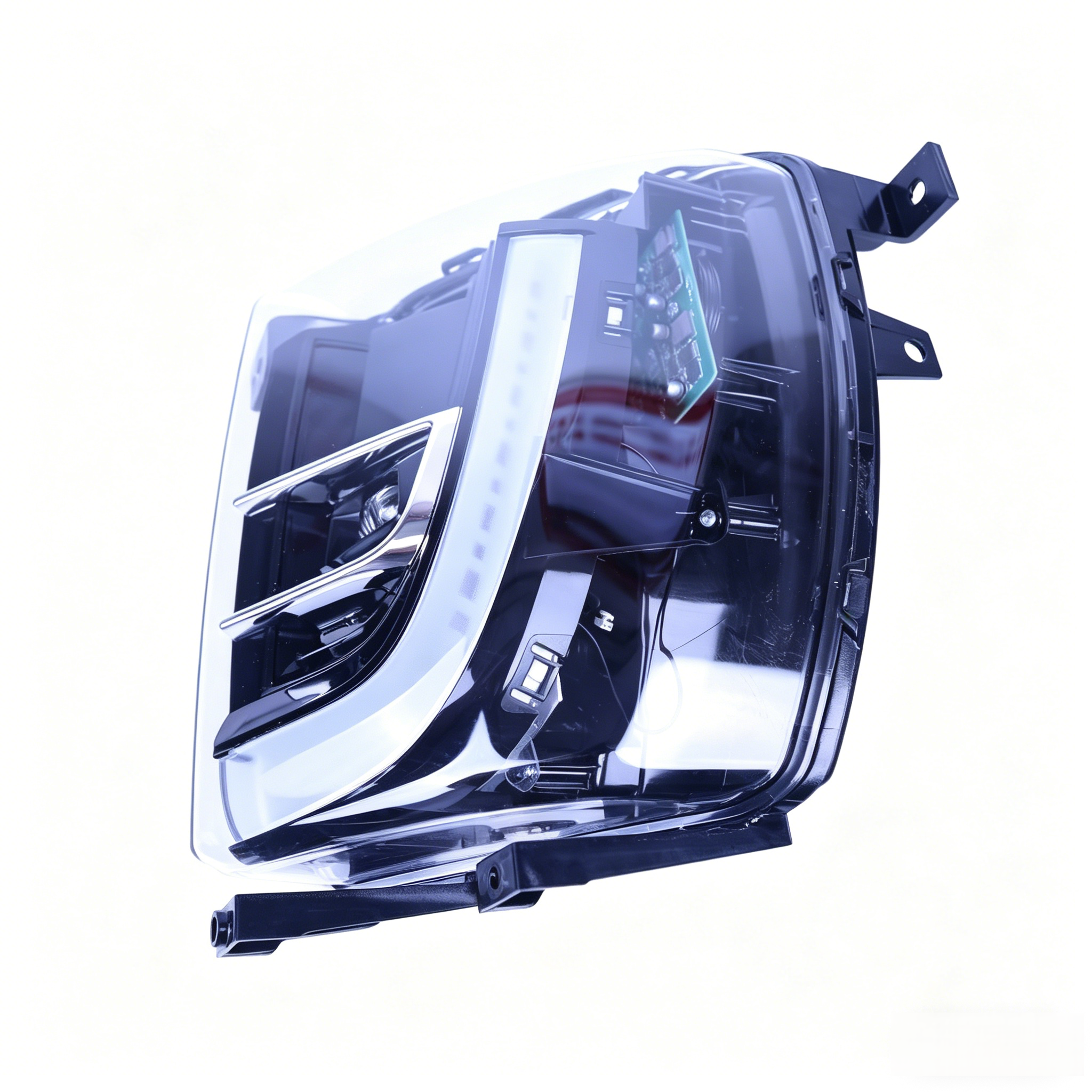
The performance characteristics of an automotive lighting system differ significantly depending on the vehicle category in which it operates. Passenger sedans, electric vehicles, heavy-duty commercial trucks, off-road SUVs, and luxury automobiles each impose distinct requirements on lighting technologies due to variations in electrical architecture, aerodynamic constraints, regulatory compliance needs, and intended operational environments. Understanding these performance variations is essential for engineers, fleet managers, and procurement professionals who must select lighting solutions that align with specific vehicle platform requirements while ensuring safety, energy efficiency, and regulatory compliance across diverse operational scenarios.
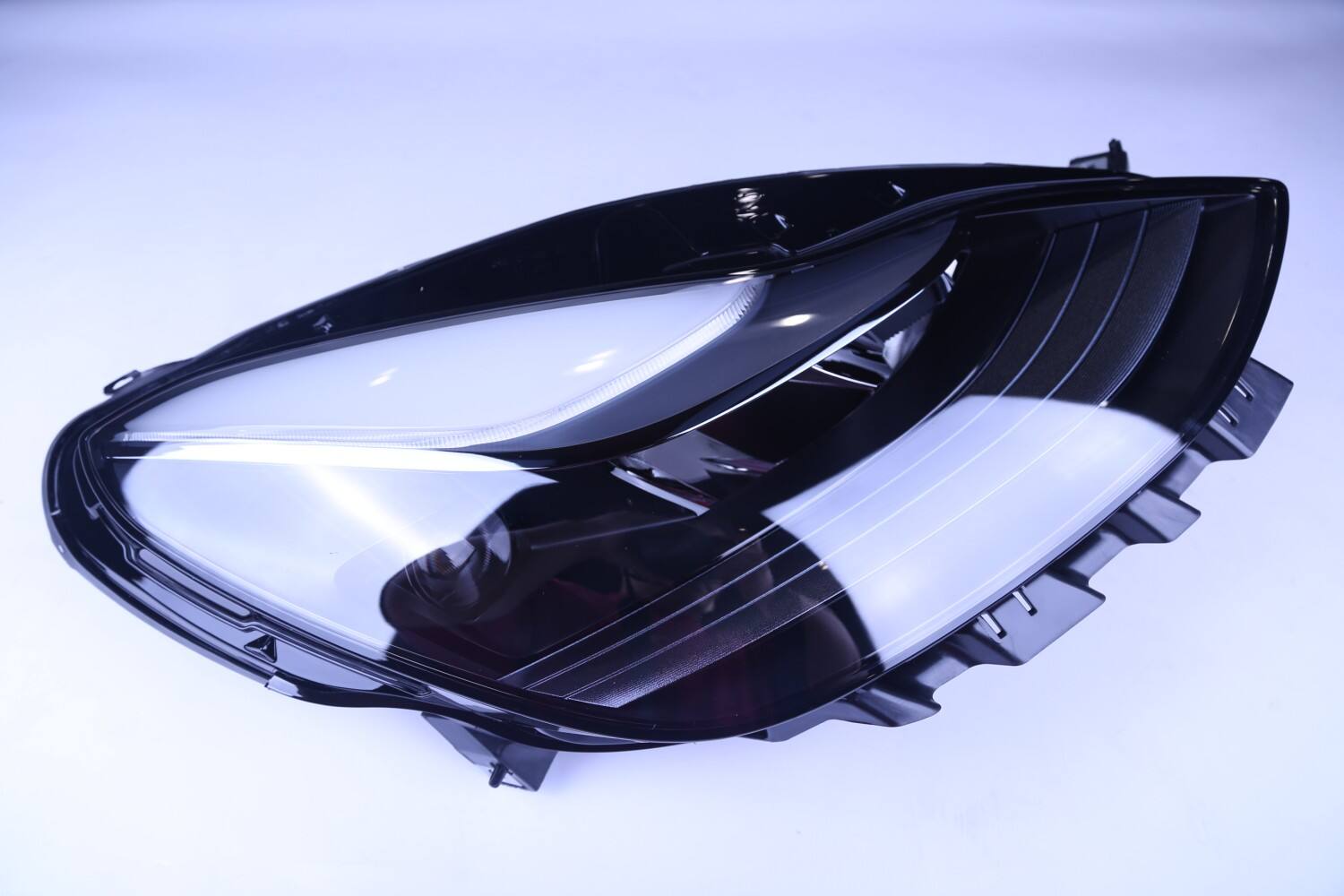
Vehicle category fundamentally shapes how an automotive lighting system must balance luminous output, thermal management, power consumption, durability, and adaptive functionality. Electric vehicles demand lighting assemblies optimized for minimal electrical draw to preserve battery range, while commercial trucks require robust systems capable of withstanding continuous operation over extended duty cycles and extreme environmental conditions. Performance evaluation across vehicle categories requires examining not only photometric specifications but also integration constraints related to mounting architecture, voltage compatibility, thermal dissipation pathways, and the ability to incorporate advanced features such as adaptive beam control or dynamic turn signaling that enhance safety in category-specific driving contexts.
Electrical Architecture and Power Consumption Variations Across Vehicle Segments
Voltage System Differences Between Conventional and Electric Platforms
The electrical architecture of a vehicle category directly influences automotive lighting system performance parameters. Traditional internal combustion engine vehicles typically operate on 12-volt electrical systems, which constrain the power budget available to lighting assemblies and dictate driver circuit design requirements. LED-based lighting systems in these conventional platforms must incorporate voltage regulation circuits that maintain stable operation despite fluctuations in alternator output during engine start cycles and varying electrical loads. In contrast, electric and hybrid vehicles frequently employ dual-voltage architectures with high-voltage battery packs ranging from 400 to 800 volts alongside 12-volt auxiliary systems, enabling more sophisticated power management strategies that can dedicate greater electrical resources to advanced lighting features without compromising propulsion efficiency.
Battery electric vehicles present unique challenges for automotive lighting system designers because every watt consumed by lighting directly reduces available driving range. Performance optimization in this category emphasizes ultra-high efficiency LED configurations that maximize luminous efficacy measured in lumens per watt. Electric vehicle manufacturers increasingly specify lighting assemblies achieving efficacy ratings exceeding 150 lumens per watt, compared to 100-120 lumens per watt commonly accepted in conventional vehicles. This efficiency imperative drives adoption of advanced thermal management techniques including aluminum heat sink integration and active cooling interfaces that prevent LED junction temperature rise, which would otherwise degrade both luminous output and component lifespan. The performance metric hierarchy in electric vehicle lighting prioritizes energy conservation alongside photometric compliance, creating a distinct optimization landscape compared to conventional automotive categories.
Current Draw Profiles and Thermal Management Requirements
Different vehicle categories impose varying current draw profiles on their automotive lighting system components based on operational duty cycles and ambient conditions. Commercial trucks and fleet vehicles that operate continuously for extended periods require lighting assemblies engineered for sustained thermal loads, with heat dissipation capacity sufficient to maintain LED junction temperatures below critical thresholds during multi-hour operation in high-ambient-temperature environments. Performance validation for commercial category lighting involves accelerated life testing under continuous operation conditions that simulate years of daily use compressed into weeks of laboratory evaluation. In contrast, passenger vehicle lighting systems undergo testing protocols that model intermittent operation patterns with frequent on-off cycling, requiring robust driver electronics that withstand thermal stress from repeated inrush currents and temperature fluctuations.
The thermal management architecture within an automotive lighting system must accommodate category-specific packaging constraints that affect heat dissipation pathways. Compact urban vehicles with limited frontal area and tightly packaged engine compartments provide minimal convective airflow over headlamp assemblies, necessitating passive cooling solutions with maximized heat sink surface area and optimized fin geometries. Sport utility vehicles and trucks benefit from larger grille openings and greater frontal airflow that enhance convective cooling, enabling higher luminous output specifications from equivalent LED configurations. Performance testing protocols for automotive lighting systems must therefore replicate category-specific thermal boundary conditions, including airflow velocity profiles, ambient temperature ranges, and radiant heat exposure from adjacent powertrain components that collectively determine real-world operating junction temperatures and long-term reliability projections.
Photometric Performance Requirements Shaped by Operational Context
Beam Pattern Optimization for Urban Versus Highway Driving Environments
The operational environment characteristic of each vehicle category fundamentally shapes automotive lighting system photometric performance requirements. Urban delivery vehicles and compact passenger cars operate predominantly in well-lit metropolitan environments where beam pattern optimization emphasizes wide lateral spread and precise cutoff control to illuminate roadside hazards and pedestrians without causing glare to oncoming traffic or surrounding residents. Performance specifications for urban-focused lighting prioritize horizontal beam width exceeding 70 degrees and sharp cutoff angles that comply with stringent glare metrics, often requiring complex optical designs incorporating multi-faceted reflectors or projection lens systems that shape light distribution with precision exceeding capabilities of simple parabolic reflector designs used in earlier automotive lighting generations.
Highway-oriented vehicle categories including long-haul trucks and touring sedans demand automotive lighting system configurations optimized for extended forward visibility with concentrated beam patterns projecting illumination 200 meters or beyond. Performance evaluation for highway category lighting emphasizes central beam intensity measured in candelas at specific test points defined by regulatory standards, alongside range metrics that quantify the distance at which minimum illumination thresholds remain achieved on road surfaces. Advanced adaptive driving beam systems employed in premium highway vehicles dynamically adjust beam patterns based on traffic conditions detected through camera and sensor integration, selectively dimming portions of the high beam pattern to prevent glare to detected vehicles while maintaining maximum illumination in unoccupied zones, representing a performance capability that transcends static beam pattern specifications characteristic of conventional automotive lighting architectures.
Off-Road and All-Terrain Vehicle Lighting Durability Standards
Off-road capable vehicle categories impose exceptional mechanical durability requirements on automotive lighting system assemblies due to exposure to sustained vibration, impact loads from terrain irregularities, and ingress threats from dust, mud, and water immersion. Performance specifications for off-road lighting incorporate vibration resistance testing exceeding passenger vehicle standards, with assemblies subjected to multi-axis vibration profiles simulating rough terrain traversal frequencies between 10 and 500 hertz at acceleration levels reaching multiple G-forces sustained over thousands of test cycles. Lens materials and mounting hardware must withstand stone impact energies significantly exceeding urban vehicle requirements, necessitating polycarbonate lens constructions with enhanced impact modifiers and reinforced mounting bracket designs that distribute mechanical loads across broader attachment interfaces to vehicle structure.
Ingress protection ratings for automotive lighting system assemblies in off-road categories typically specify IP67 or IP68 compliance, ensuring complete dust intrusion prevention and sustained water immersion resistance at depths exceeding one meter for extended durations. Performance validation includes pressure differential testing that simulates thermal breathing cycles where lighting assemblies heat during operation then cool in cold water crossings, creating vacuum conditions that can draw moisture into inadequately sealed housings. Advanced off-road lighting designs incorporate pressure equalization membranes that permit airflow to accommodate thermal expansion while maintaining moisture barrier integrity, alongside enhanced seal geometries at lens-to-housing interfaces and wire harness penetrations that prevent moisture migration even under extreme pressure differential conditions characteristic of rapid thermal cycling in challenging environmental conditions.
Regulatory Compliance Variations and Regional Performance Standards
Regional Photometric Standard Differences Affecting Vehicle Category Design
Regulatory frameworks governing automotive lighting system performance vary significantly across global markets, creating category-specific compliance challenges for manufacturers serving international vehicle portfolios. European ECE regulations enforce stringent glare control requirements with tightly defined cutoff angles and maximum intensity limitations in zones above the horizontal plane, while North American FMVSS standards permit higher intensity levels in certain regions with less restrictive glare metrics. Performance optimization for global vehicle platforms requires automotive lighting systems capable of meeting the most restrictive combination of regional requirements, often necessitating adaptive beam pattern mechanisms that can be configured during manufacturing or through software updates to satisfy market-specific photometric mandates without requiring distinct hardware variants that increase inventory complexity and manufacturing costs.
Commercial vehicle categories face additional regulatory layers beyond passenger car standards, including specific requirements for marker lamps, clearance lights, and conspicuity treatments that enhance vehicle visibility to surrounding traffic. Heavy truck automotive lighting system designs must incorporate amber side marker lamps at prescribed intervals along vehicle length, retroreflective treatments meeting minimum area and photometric intensity specifications, and supplementary lighting functions including daytime running lamps calibrated to intensity levels distinct from nighttime driving beam specifications. Performance validation for commercial category lighting extends beyond photometric testing to include color coordinate verification ensuring amber, red, and white light sources remain within specified chromaticity boundaries across the operational temperature range and component lifetime, preventing color shift that could compromise regulatory compliance or reduce conspicuity effectiveness in safety-critical visibility scenarios.
Adaptive Lighting Technology Regulatory Status Across Vehicle Categories
The regulatory acceptance of adaptive automotive lighting system technologies varies across markets and vehicle categories, creating performance capability disparities between regional vehicle specifications. Adaptive driving beam systems that dynamically shape high beam patterns to maximize illumination while preventing glare to detected traffic have achieved regulatory approval in European and Asian markets, enabling premium vehicle categories to deploy sophisticated matrix LED and laser-assisted lighting technologies. These advanced systems employ arrays of individually controlled LED elements or mechanical beam steering mechanisms integrated with forward-looking camera systems that detect oncoming and preceding vehicles, then selectively attenuate or redirect portions of the beam pattern in real time, maintaining high beam illumination levels across most of the forward visual field while creating localized shadow zones around detected vehicles.
North American regulatory frameworks historically restricted adaptive high beam functionality, requiring simple binary switching between high and low beam states without permitting dynamic partial beam modulation. Recent regulatory updates have begun enabling adaptive driving beam technology in the North American market, but certification requirements and performance validation protocols remain more restrictive compared to European standards. This regulatory divergence creates automotive lighting system performance variation across vehicle categories based on target market priorities, with European-specification premium vehicles incorporating advanced adaptive features as standard equipment while North American variants of identical vehicle platforms historically offered only conventional static beam patterns or simplified automatic high beam switching without spatial beam modulation capabilities. Fleet operators and vehicle specifiers must therefore evaluate automotive lighting system capabilities in the context of intended operational geography and applicable regulatory frameworks that govern permissible performance enhancements beyond baseline photometric compliance.
Integration Architecture and Advanced Feature Implementation Across Segments
Communication Protocol Requirements for Connected Lighting Systems
Modern automotive lighting system designs increasingly incorporate electronic control units that communicate with vehicle network architectures through standardized protocols including Controller Area Network buses and Local Interconnect Network interfaces. Vehicle category influences the complexity and bandwidth requirements of these communication interfaces, with premium passenger vehicles and electric platforms demanding high-speed data exchange to support advanced features including adaptive beam control, dynamic turn signal animation, and integration with autonomous driving sensor fusion systems. Performance specifications for connected lighting systems define message latency requirements ensuring lighting state changes occur within prescribed timeframes relative to steering input, brake activation, or autonomous system commands, preventing perceptible delays that could compromise safety or create disjointed user experiences inconsistent with premium vehicle category expectations.
Commercial vehicle categories often employ simplified lighting control architectures with reduced communication complexity reflecting different feature priority hierarchies and cost optimization imperatives. Fleet truck automotive lighting system designs may forego advanced adaptive features in favor of robust discrete control interfaces that maximize reliability and facilitate maintenance by technicians without specialized diagnostic equipment. Performance validation for commercial category lighting emphasizes electromagnetic compatibility testing ensuring lighting assemblies neither emit interference disrupting critical vehicle systems nor suffer performance degradation when exposed to electromagnetic fields generated by high-power electrical accessories common in commercial vehicle applications. This category-specific emphasis on rugged simplicity over advanced feature integration reflects distinct operational priorities where lighting reliability and maintainability outweigh incremental performance enhancements from sophisticated adaptive capabilities suited to premium passenger vehicle contexts.
Sensor Integration and Autonomous Vehicle Lighting Coordination
Emerging autonomous and semi-autonomous vehicle categories introduce novel automotive lighting system performance requirements related to sensor integration and coordinated operation with perception systems. LiDAR and camera sensors employed for environmental mapping and object detection can suffer performance degradation from lighting reflections and lens contamination, necessitating careful optical design coordination between lighting assemblies and sensor housings to minimize stray light paths and specular reflections that could create false detections or reduce sensor effective range. Advanced automotive lighting systems in autonomous vehicle categories incorporate sensor feedback loops that modulate beam intensity and pattern based on real-time environmental conditions detected by perception systems, optimizing illumination for both human visibility and machine vision performance across varying weather and ambient lighting conditions.
Performance evaluation for autonomous vehicle lighting extends beyond traditional photometric metrics to include machine-readable signaling capabilities that communicate vehicle intent to surrounding traffic and pedestrians through dynamic lighting displays. Experimental automotive lighting system designs incorporate programmable LED arrays capable of projecting symbolic patterns onto road surfaces or displaying animated sequences on vehicle facades that indicate turning intentions, yielding right-of-way, or acknowledging pedestrian detection. These communication-oriented lighting functions represent performance dimensions beyond conventional illumination requirements, necessitating development of standardized evaluation protocols that assess pattern visibility, comprehension rates among target audiences, and integration reliability within autonomous system operational design domains. As autonomous vehicle categories evolve from experimental platforms toward production deployment, automotive lighting system performance specifications will increasingly encompass these bidirectional communication capabilities alongside traditional forward illumination and regulatory compliance metrics.
Lifecycle Performance and Category-Specific Durability Considerations
Operational Lifespan Expectations Across Vehicle Use Profiles
Vehicle category fundamentally determines the expected operational lifespan and cumulative operating hours that an automotive lighting system must survive while maintaining performance specifications within acceptable degradation limits. Passenger vehicles typically accumulate 1,000 to 2,000 annual operating hours over 10-15 year service lives, resulting in total lighting system operating hours between 10,000 and 30,000 hours depending on usage patterns and geographic location affecting annual daylight exposure. Commercial fleet vehicles may accumulate equivalent operating hours within 3-5 years due to extended daily duty cycles, creating accelerated aging conditions that compress decades of passenger vehicle exposure into compressed timeframes requiring enhanced component reliability margins and conservative performance derating to ensure regulatory compliance maintenance throughout service life.
LED-based automotive lighting system designs specify component lifetimes using L70 or L80 metrics indicating the operating duration at which luminous output degrades to 70 percent or 80 percent of initial specification, with premium assemblies targeting L80 lifetimes exceeding 50,000 hours under controlled junction temperature conditions. Category-specific performance projections must account for real-world thermal conditions that may elevate LED junction temperatures beyond laboratory test conditions, accelerating degradation rates according to Arrhenius relationship models that predict exponential lifetime reduction with increasing operating temperature. Commercial vehicle lighting specifications often incorporate more conservative lifetime projections and lower initial luminous output targets that accommodate greater degradation margins, ensuring minimum regulatory compliance maintenance over extended operational lifetimes despite harsher thermal environments and reduced maintenance intervals compared to passenger vehicle categories where more frequent lamp replacement may be acceptable.
Maintenance Accessibility and Serviceability Design Requirements
Vehicle category influences automotive lighting system serviceability requirements and replacement logistics that affect lifecycle performance maintenance. Fleet commercial vehicles prioritize modular lighting designs with standardized mounting interfaces and simplified electrical connections enabling rapid field replacement by maintenance technicians without specialized tools or extensive vehicle disassembly procedures. Performance specifications for commercial category lighting include detailed service documentation and parts availability commitments ensuring replacement components remain available throughout vehicle service life spanning multiple decades in long-haul truck applications. Sealed-beam and modular lighting assemblies designed for tool-free replacement without headlamp aiming adjustment represent preferred architectures in commercial contexts where maintenance efficiency directly impacts vehicle utilization rates and operational profitability.
Premium passenger vehicle categories increasingly employ integrated automotive lighting system designs where LED light sources, control electronics, and optical assemblies form non-serviceable units requiring complete assembly replacement upon component failure rather than individual lamp replacement. This architectural approach enables sophisticated optical designs and compact packaging that maximize styling flexibility and aerodynamic optimization, but creates higher replacement costs and increased complexity for service technicians requiring specialized diagnostic equipment to identify failure modes within integrated assemblies. Performance evaluation for integrated lighting designs must therefore consider total lifecycle cost implications including initial component cost, predicted failure rates based on reliability testing, replacement labor requirements, and inventory carrying costs for service parts distribution networks supporting diverse vehicle populations across extended geographical service territories with varying ambient conditions affecting component stress levels and failure rate projections.
FAQ
What are the primary factors causing automotive lighting system performance to differ between vehicle categories?
Performance variation stems from differences in electrical architecture voltage levels, thermal management capabilities determined by packaging constraints and airflow patterns, regulatory requirements specific to vehicle weight classes and intended use cases, operational duty cycle expectations affecting lifecycle durability specifications, and integration complexity related to advanced features including adaptive beam control and autonomous vehicle sensor coordination. Electric vehicles prioritize energy efficiency to minimize battery drain, commercial trucks emphasize durability for extended operating hours, off-road vehicles require enhanced mechanical robustness, and premium passenger cars incorporate sophisticated adaptive technologies, creating distinct performance optimization priorities across categories that shape component selection and system architecture decisions.
How do electric vehicles change automotive lighting system design priorities compared to conventional vehicles?
Electric vehicle platforms elevate energy efficiency as the dominant automotive lighting system design priority because lighting power consumption directly reduces available driving range from limited battery capacity. This efficiency imperative drives adoption of ultra-high-efficacy LED configurations exceeding 150 lumens per watt, advanced thermal management enabling operation at optimal efficiency points, and intelligent control strategies that dim or deactivate lighting functions when safety requirements permit. Electric vehicles also enable dual-voltage electrical architectures providing greater power budgets for advanced lighting features without compromising propulsion efficiency, and their instant torque characteristics reduce mechanical vibration exposure compared to internal combustion engines, potentially enabling more delicate optical mechanisms in adaptive lighting systems designed for electric platform integration.
What performance testing differences exist between passenger vehicle and commercial truck lighting validation?
Commercial truck automotive lighting system validation emphasizes extended thermal soak testing simulating continuous multi-hour operation under high ambient temperatures, accelerated vibration protocols representing rough road exposure over hundreds of thousands of miles, enhanced ingress protection verification including high-pressure wash resistance, and electrical compatibility with 24-volt systems common in heavy-duty applications. Passenger vehicle testing focuses more extensively on aesthetic validation including color consistency across lighting functions, integration with vehicle styling themes, and user experience factors such as adaptive feature responsiveness. Commercial testing prioritizes reliability metrics and field maintainability while passenger vehicle validation balances performance, aesthetics, and advanced feature implementation reflecting different value hierarchies between utilitarian commercial applications and consumer-oriented passenger vehicle contexts.
Can the same automotive lighting system design serve multiple vehicle categories without modification?
Platform sharing across vehicle categories requires automotive lighting system designs incorporating sufficient performance margins and feature flexibility to accommodate varying requirements, but complete universality without any modification rarely proves optimal. Shared optical platforms may employ category-specific LED configurations, thermal management enhancements, or control software variants to address distinct electrical architectures, packaging constraints, and regulatory requirements. Modular design approaches enable common optical housings and mounting interfaces across categories while permitting LED driver electronics, heat sink designs, and communication protocols to be tailored for specific vehicle applications. Cost optimization through platform sharing must be balanced against performance compromises and potential over-specification in categories with less demanding requirements, requiring careful analysis of component commonality benefits versus category-optimized design advantages for each vehicle program and target market combination.
Table of Contents
- Electrical Architecture and Power Consumption Variations Across Vehicle Segments
- Photometric Performance Requirements Shaped by Operational Context
- Regulatory Compliance Variations and Regional Performance Standards
- Integration Architecture and Advanced Feature Implementation Across Segments
- Lifecycle Performance and Category-Specific Durability Considerations
-
FAQ
- What are the primary factors causing automotive lighting system performance to differ between vehicle categories?
- How do electric vehicles change automotive lighting system design priorities compared to conventional vehicles?
- What performance testing differences exist between passenger vehicle and commercial truck lighting validation?
- Can the same automotive lighting system design serve multiple vehicle categories without modification?