Katatagan at Mahabang Pagganap
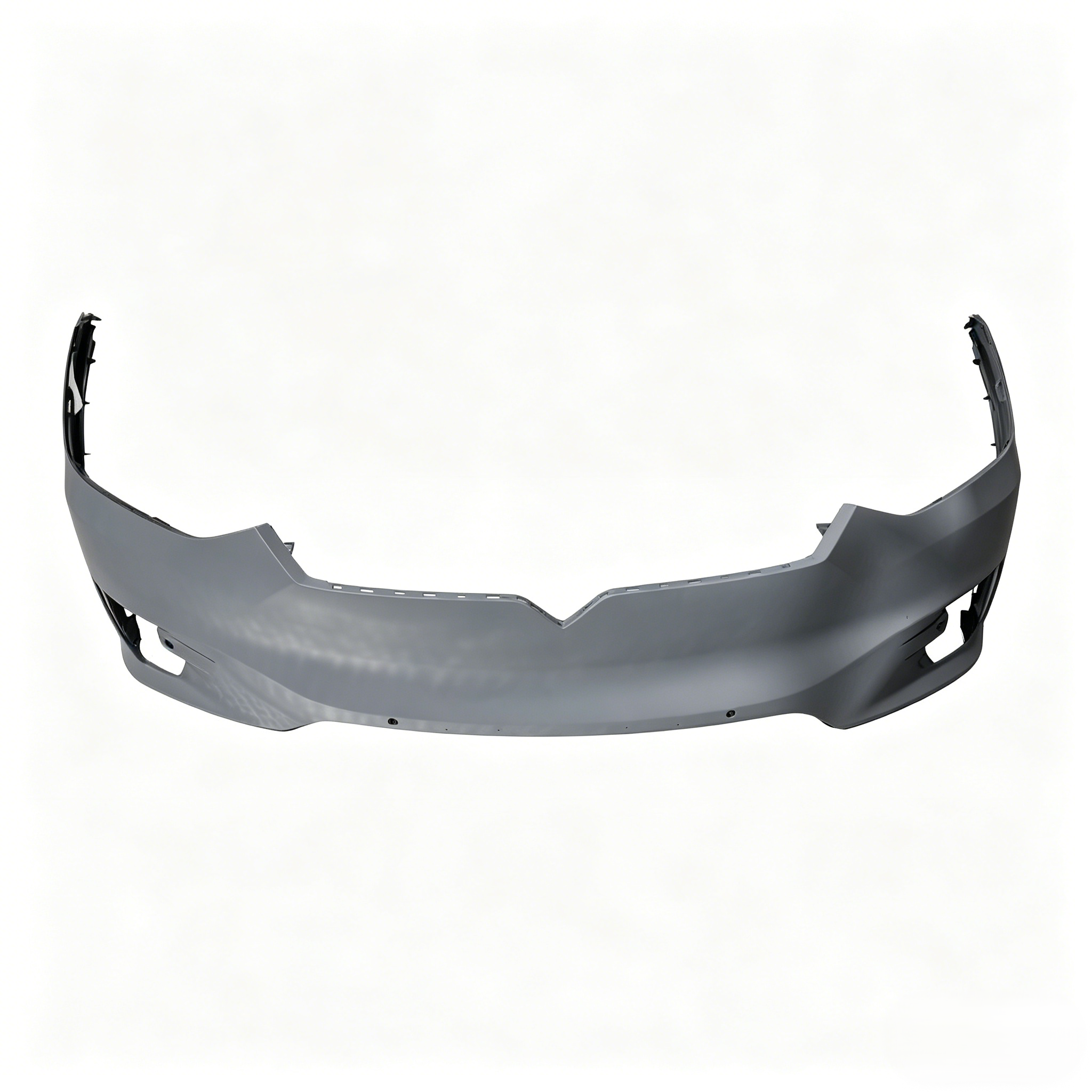
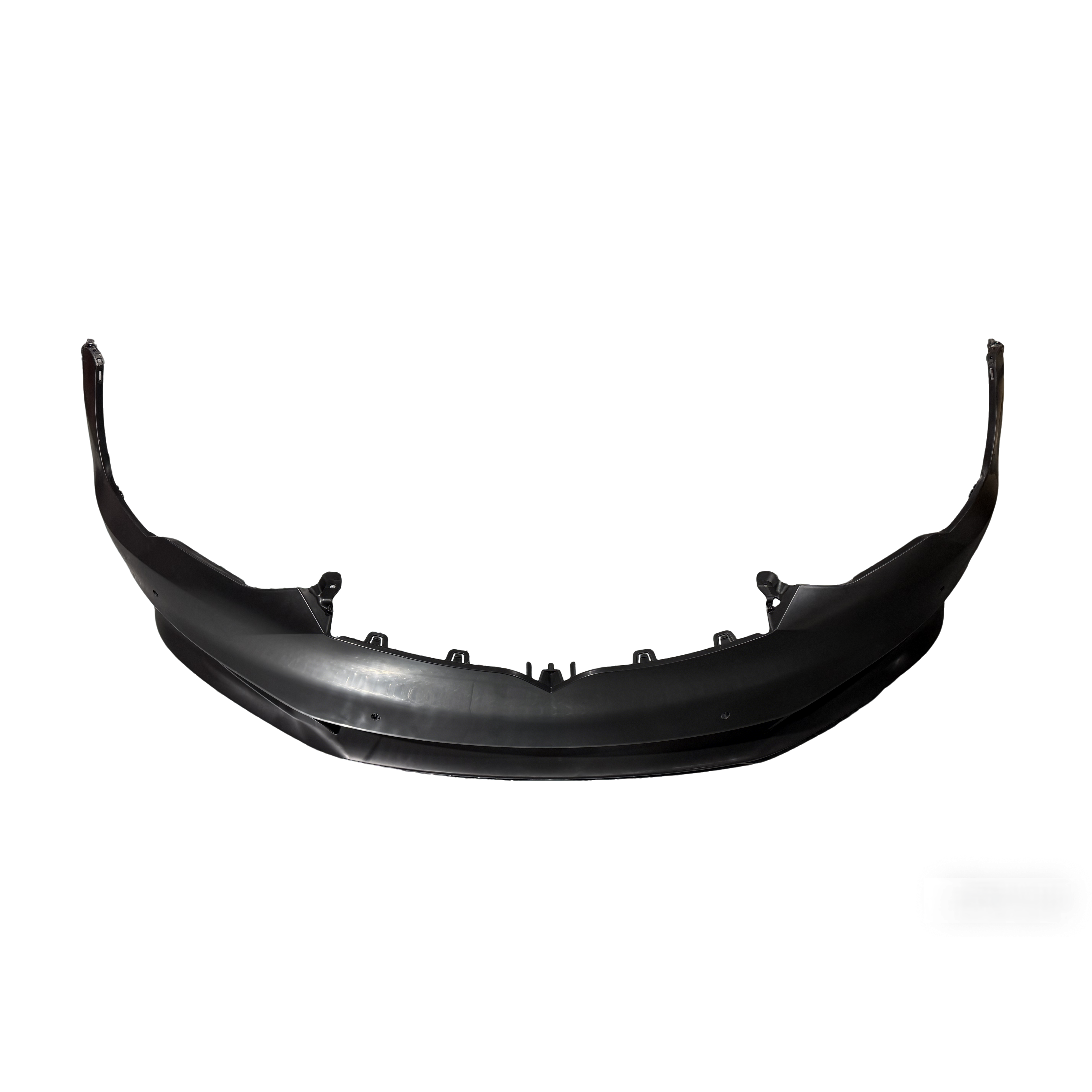
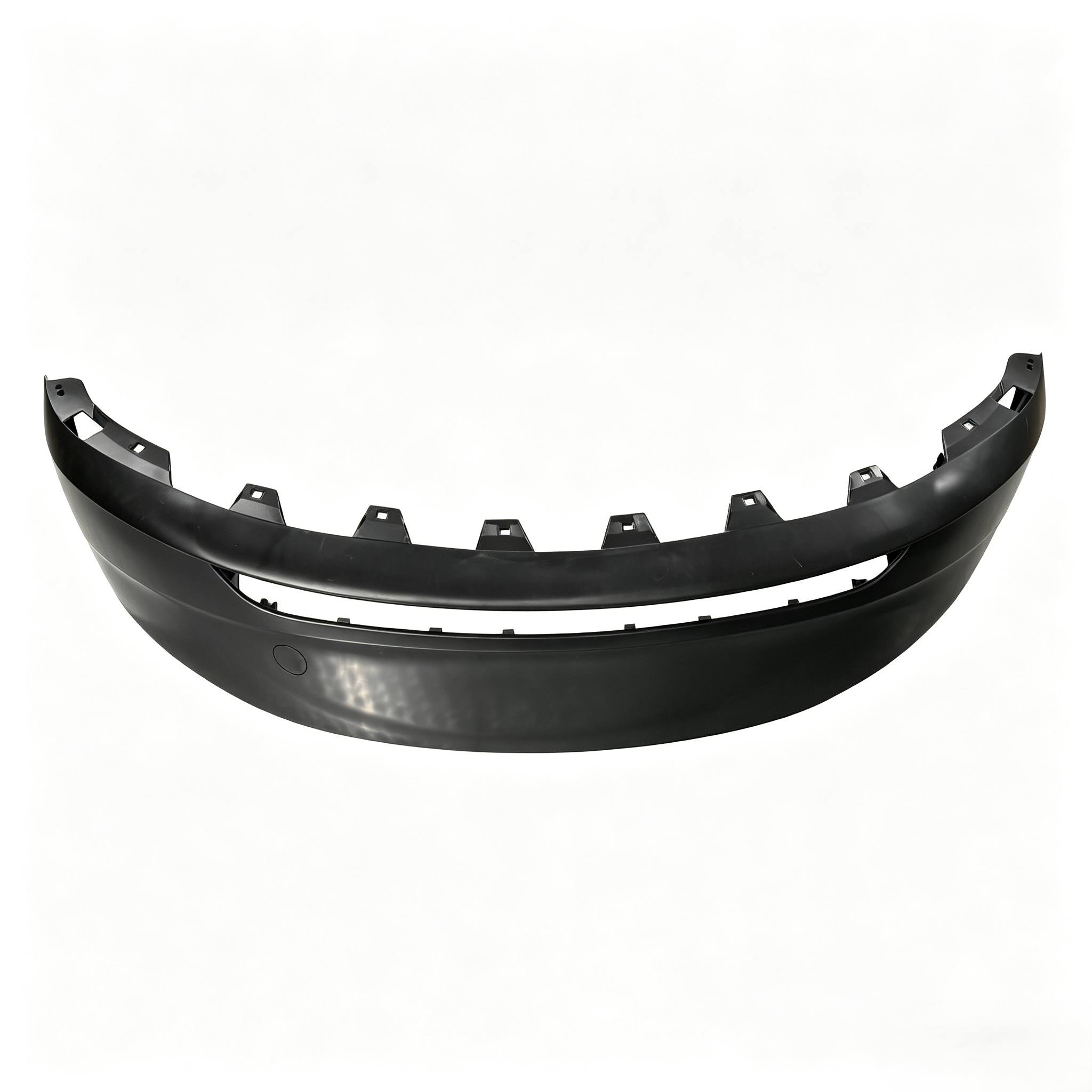
Ang mga exceptional na katangian ng kahabaan ng buhay ng de-kalidad na mga bumper ng sasakyan ay nagsisiguro ng pare-parehong proteksyon at estetikong atractibidad sa buong panahon ng pagmamay-ari ng sasakyan, kahit sa ilalim ng mahihirap na kondisyon ng kapaligiran at sa pangkaraniwang paggamit. Ang pagpili ng materyales ay kumakatawan sa pundasyon ng kahabaan ng buhay ng bumper, kung saan ang mga tagagawa ay pumipili ng mga thermoplastic compound na partikular na binuo upang tumutol sa pag-degrade dahil sa ultraviolet radiation, pagbabago ng temperatura, pagkakalantad sa kemikal, at pisikal na stress. Ang polypropylene at mga thermoplastic olefin ang nangingibabaw sa mga aplikasyon ng bumper fascia dahil sa kanilang mahusay na resistance sa impact sa parehong mataas at sobrang malamig na temperatura, kasama ang likas na flexibility na nagpipigil sa brittle fracture. Ang mga materyales na ito ay dumaan sa malawak na weathering tests na iminimimik ang maraming taon ng pagkakalantad sa araw, na nagsisiguro ng pagkakapareho ng kulay at integridad ng ibabaw sa mahabang panahon. Ang mga reinforcement bars sa loob ng mga bumper ng sasakyan ay gumagamit ng corrosion-resistant coatings o ng mga aluminum alloy na likas na hindi naaapektuhan ng rust, na nananatiling kumakatawan sa istruktural na lakas kahit sa pagkakalantad sa road salt, kahalumigmigan, at mga kemikal na deicer na karaniwang nararanasan sa panahon ng taglamig. Ang mga connection points sa pagitan ng mga bumper at ng frame ng sasakyan ay mayroong isolated mounting systems na nagpipigil sa galvanic corrosion habang tinatanggap ang thermal expansion differences sa pagitan ng magkakaibang materyales. Ang mga paint system na inaaplay sa mga bumper ng sasakyan ay mayroong flexible primers, basecoats, at clearcoats na partikular na binuo upang sumabay sa underlying thermoplastic substrate nang walang cracking o delaminating. Ang mga coating system na ito ay mayroong UV absorbers at stabilizers na nagpipigil sa pagkulay at chalking, na nananatiling parang bagong sasakyan sa showroom kahit matapos ang maraming taon ng pagkakalantad sa araw. Ang mga proseso ng quality control sa panahon ng paggawa ng bumper ay kasama ang dimensional verification, surface finish inspection, at paint adhesion testing na nagsisiguro na ang bawat bahagi ay sumusunod sa mahigpit na mga specification bago mai-install. Ang mga bumper ng sasakyan ay dumaan sa rigorous validation testing na kasama ang thermal cycling sa ekstremong saklaw ng temperatura, accelerated weathering sa mga espesyal na kumbento, at paulit-ulit na impact testing upang patunayan ang pagkakapareho ng performance. Binibigyan ng partikular na pansin ang resistance sa stone impact, kung saan ang mga protocol ng pagsubok ay sinusuri ang resistance ng fascia sa chips at cracks dulot ng graba at debris sa daan. Ang mga mounting system na nag-uugnay sa mga bumper ng sasakyan sa istruktura ng sasakyan ay may engineered flexibility na nagpapahintulot sa thermal expansion habang pinipigilan ang stress concentration na maaaring magdulot ng fastener failure o pinsala sa mounting point. Ang mga design feature tulad ng mga drainage provision ay nagpipigil sa pag-akumula ng tubig sa loob ng mga bumper assembly, na nag-aalis ng mga alalang corrosion at nananatiling buo ang istruktural na integridad sa mga lugar na madalas umuulan. Ang mga konsiderasyon sa serviceability ay nakaaapekto sa disenyo ng bumper, kung saan mayroong mga replaceable sections at accessible fasteners na nagpapadali ng pagre-repair nang hindi kailangang gamitin ang mga espesyal na kagamitan o kumplikadong proseso ng disassembly. Ang ganitong maintenance-friendly na paraan ay nagpapahaba ng epektibong buhay ng bumper sa pamamagitan ng pagbibigay-daan sa ekonomikal na pagre-repair ng lokal na pinsala imbes na kumpletong pagpapalit ng buong assembly. Ang kombinasyon ng materyales na may kahabaan ng buhay, protektibong coatings, at maingat na disenyo ay nagsisiguro na ang mga bumper ng sasakyan ay patuloy na nagbibigay ng safety protection, suporta sa teknolohiya, at kontribusyon sa estetika sa buong panahon ng serbisyo ng sasakyan, na nagmamaksima sa halaga ng pagmamay-ari at kasiyahan ng may-ari.
 ×
×




 EN
EN