Auto Bumpers: Advanced Vehicle Protection Systems with Integrated Safety Technology

Get a Free Quote

Our representative will contact you soon.
Email
Name
Company Name
Message
0/1000

auto bumpers

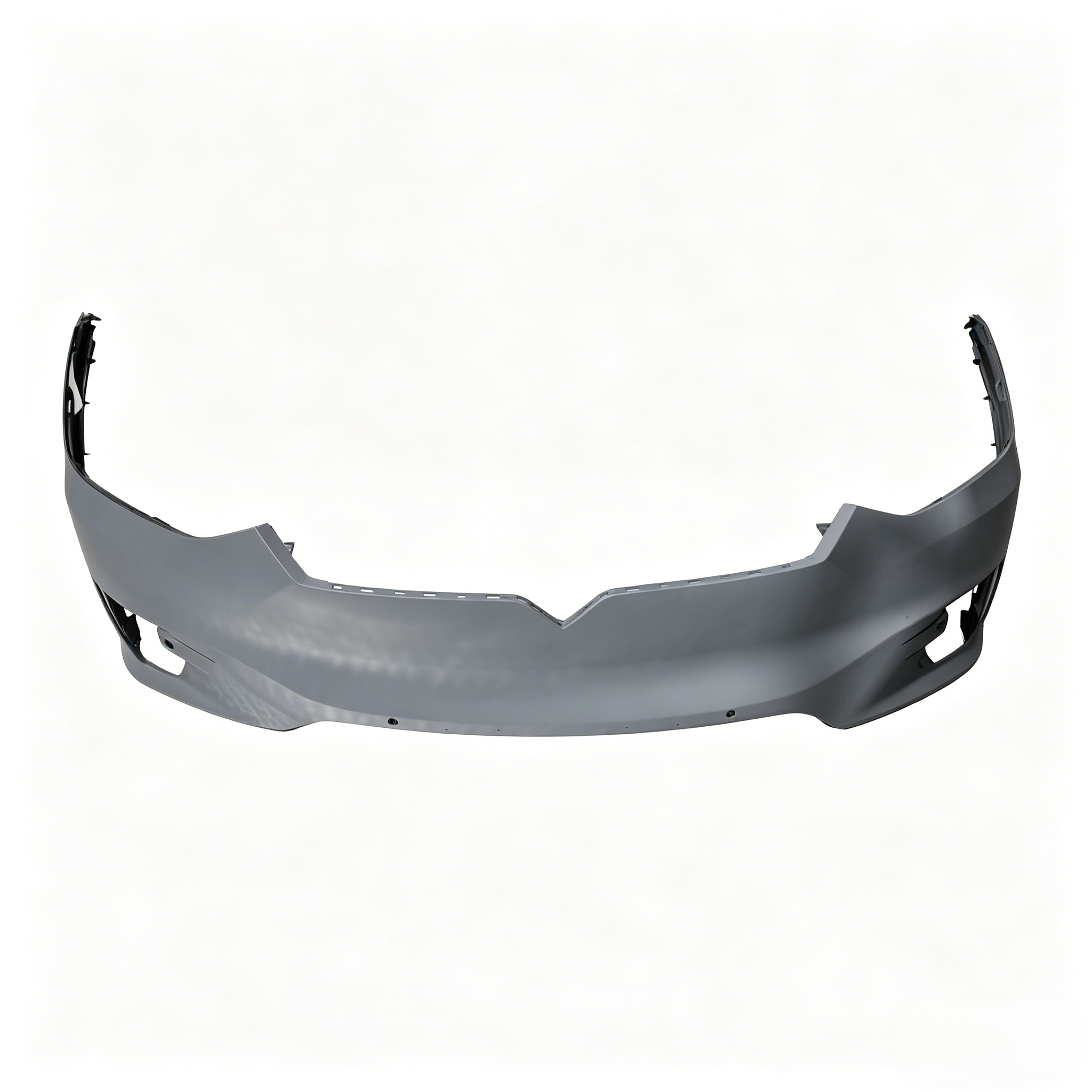
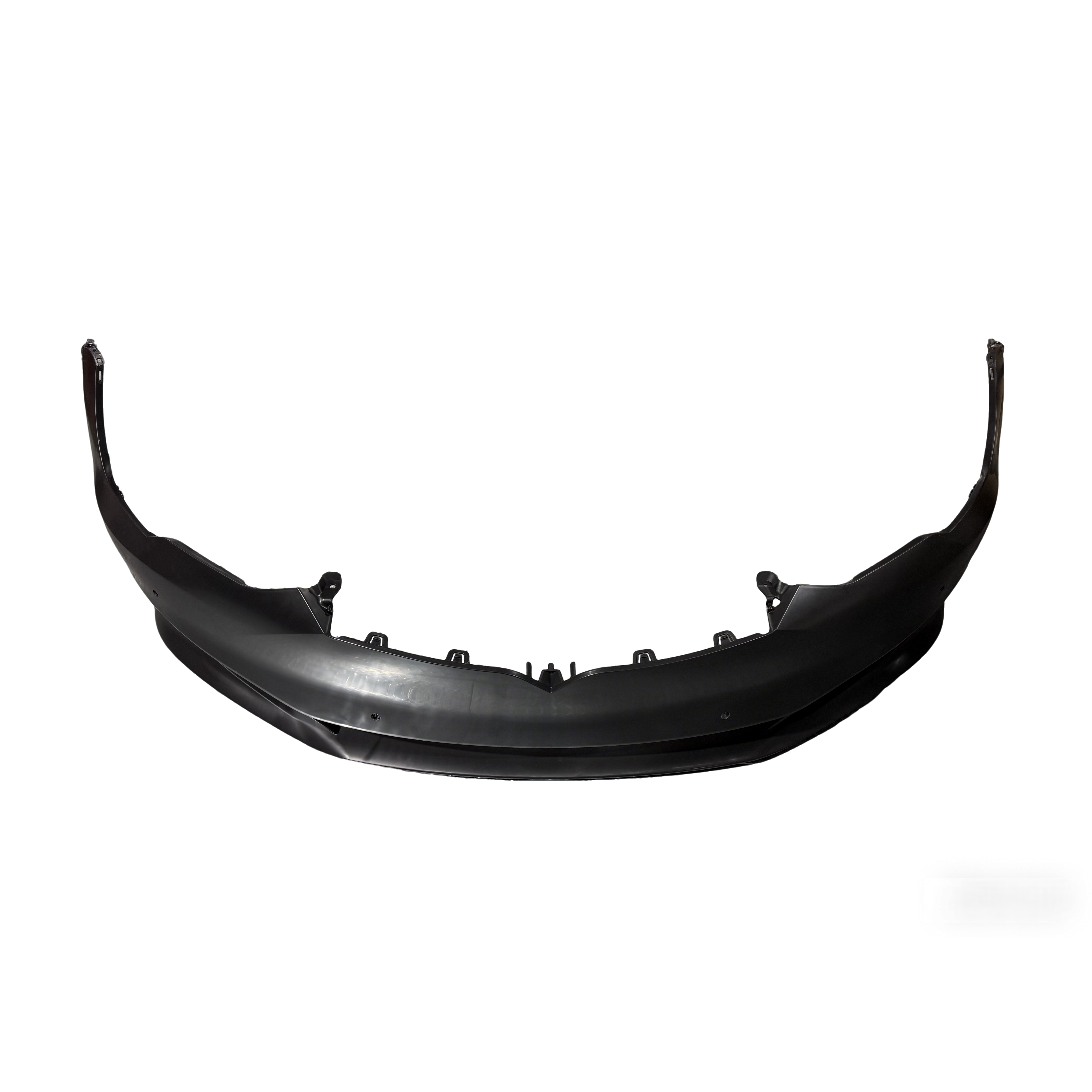
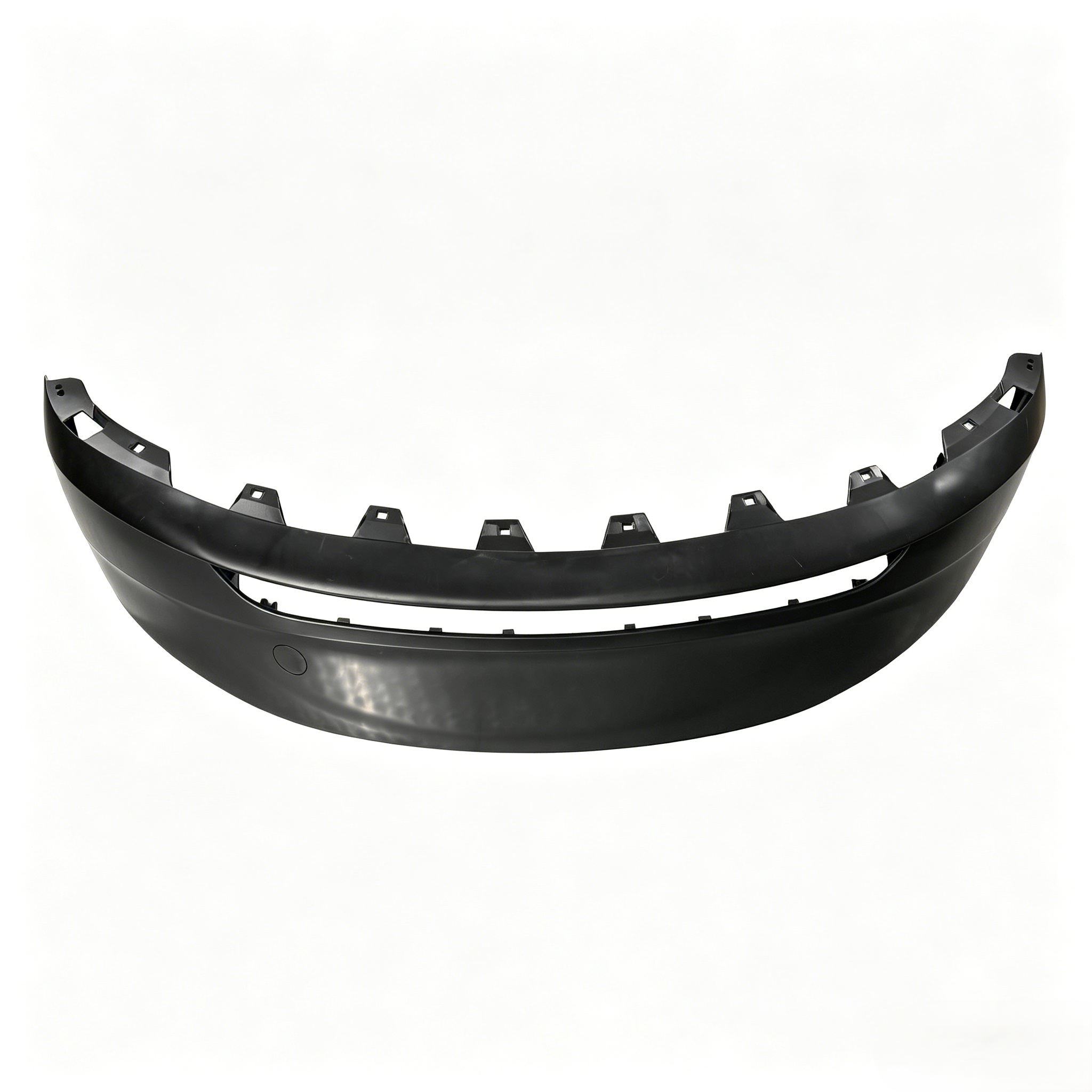
Auto bumpers serve as essential protective components mounted on the front and rear of vehicles, designed to absorb impact energy during collisions and minimize damage to critical vehicle structures. Modern auto bumpers represent a sophisticated integration of safety engineering, aesthetic design, and advanced materials technology. These components function as the first line of defense against low-speed impacts, protecting expensive headlights, grilles, radiators, and other vital systems from damage. The primary purpose of auto bumpers extends beyond mere protection; they play a crucial role in pedestrian safety, aerodynamic efficiency, and overall vehicle appearance. Contemporary auto bumpers typically consist of multiple layers, including a reinforcement bar made from steel or aluminum, an energy-absorbing foam layer, and an outer fascia constructed from thermoplastic materials such as polypropylene or polyurethane. This multi-layered construction enables auto bumpers to effectively dissipate collision forces while maintaining structural integrity. Technological advancements have transformed auto bumpers into multifunctional systems that house sensors for parking assistance, cameras for surround-view monitoring, and radar units for adaptive cruise control and collision avoidance systems. The integration of these technologies makes auto bumpers central to modern vehicle safety architectures. Manufacturing processes for auto bumpers have evolved significantly, incorporating injection molding techniques, precision painting systems, and quality control measures that ensure consistent performance across various environmental conditions. Auto bumpers must withstand extreme temperatures, UV radiation, minor impacts, and chemical exposure while maintaining their protective capabilities and visual appeal. Regulatory standards govern auto bumper design and performance, with requirements varying across different markets and vehicle categories. These standards ensure that auto bumpers provide adequate protection at specified impact speeds while contributing to overall vehicle safety ratings.

New Products

Auto bumpers deliver substantial benefits that directly impact vehicle ownership experience, safety, and long-term value retention. The foremost advantage lies in damage prevention during everyday driving situations. Parking lot mishaps, minor fender benders, and low-speed collisions occur frequently, and properly designed auto bumpers significantly reduce repair costs by absorbing impact energy before it reaches expensive body panels and mechanical components. This protective function translates into tangible financial savings for vehicle owners, as replacing or repairing auto bumpers costs considerably less than fixing damaged frames, engines, or suspension systems. Another critical benefit involves pedestrian safety enhancement. Modern auto bumpers incorporate design features that reduce injury severity when contact occurs with pedestrians or cyclists. The energy-absorbing properties and strategic height positioning of auto bumpers help minimize leg injuries and prevent individuals from being pulled under vehicles during collisions. This safety consideration has become increasingly important as urbanization increases interactions between vehicles and vulnerable road users. Auto bumpers also contribute to improved vehicle aerodynamics, which enhances fuel efficiency and reduces wind noise. Carefully sculpted bumper designs channel airflow around the vehicle, decreasing drag coefficient and improving overall performance. This aerodynamic optimization becomes particularly beneficial during highway driving, where reduced air resistance translates into measurable fuel savings over time. The integration of advanced driver assistance systems within auto bumpers represents another significant advantage. Sensors embedded in bumper structures enable features like blind-spot monitoring, rear cross-traffic alert, and automatic emergency braking. These technologies actively prevent accidents, providing peace of mind and potentially reducing insurance premiums. Additionally, auto bumpers enhance vehicle aesthetics by creating cohesive design language that complements overall styling. Manufacturers offer various finishes, textures, and configurations that allow personalization while maintaining protective functionality. The modular nature of modern auto bumpers facilitates relatively straightforward replacement when damage occurs, minimizing vehicle downtime and repair complexity. Quality auto bumpers maintain their appearance over extended periods, resisting fading, cracking, and deformation despite constant exposure to environmental stressors. This durability ensures vehicles retain their visual appeal and market value throughout ownership. Furthermore, auto bumpers contribute to vehicle resale value by protecting against cosmetic damage that might otherwise diminish buyer interest. Well-maintained bumpers signal careful ownership and comprehensive vehicle care, factors that positively influence purchasing decisions in the used car market.

Practical Tips

Consolidating Foundations, Forging New Paths, Gathering Momentum for Breakthroughs - Jiapei's Two Grand Events of 2026 Conclude Successfully

09

Apr

Consolidating Foundations, Forging New Paths, Gathering Momentum for Breakthroughs - Jiapei's Two Grand Events of 2026 Conclude Successfully

View More
Shanghai Jiapei Partners with Mahle to Launch a New Journey in China's Chassis Aftermarket

07

Apr

Shanghai Jiapei Partners with Mahle to Launch a New Journey in China's Chassis Aftermarket

View More
Jiapei's 2025 Yan'an Summit Concludes Successfully: Empowered by Red Gene, Embarking on a New Journey of

28

Apr

Jiapei's 2025 Yan'an Summit Concludes Successfully: Empowered by Red Gene, Embarking on a New Journey of "Nurturing Ambition, Securing Customer Trust, Forging the Future"

View More

Get a Free Quote

Our representative will contact you soon.
Email
Name
Company Name
Message
0/1000

auto bumpers

Advanced Impact Absorption Technology

Advanced Impact Absorption Technology

The impact absorption capabilities of modern auto bumpers represent a remarkable engineering achievement that combines materials science, structural design, and safety optimization. At the core of this technology lies a carefully engineered reinforcement bar, typically constructed from high-strength steel or lightweight aluminum alloys, which provides the primary structural resistance during collisions. This reinforcement bar is strategically positioned behind the visible bumper fascia, spanning the vehicle width to distribute impact forces across a broader area rather than concentrating stress at a single point. Between the reinforcement bar and outer fascia, manufacturers incorporate energy-absorbing foam structures made from expanded polypropylene or polyurethane materials. These foam components function through controlled deformation, compressing progressively during impact to convert kinetic energy into heat while slowing the collision process. The multi-density foam design ensures optimal performance across various impact speeds, with softer sections activating during minor contacts and denser regions engaging during more severe collisions. Engineering teams conduct extensive computer simulations and physical crash testing to optimize auto bumper geometry, material thickness, and mounting configurations. These validation processes ensure that auto bumpers meet stringent safety standards while minimizing weight penalties that could negatively affect fuel economy. The mounting system itself incorporates controlled collapse zones that allow auto bumpers to deform in predetermined patterns, protecting passenger compartment integrity while managing repair costs. Recent innovations include the integration of active safety components within auto bumper structures, such as deployable pedestrian protection systems that raise hood sections milliseconds before impact. The exterior fascia of auto bumpers utilizes thermoplastic materials selected for their combination of flexibility, durability, and repairability. These materials resist minor impacts without permanent deformation while fracturing in predictable patterns during severe collisions to absorb additional energy. Paint systems applied to auto bumpers incorporate flexible additives that prevent cracking and peeling as the underlying material flexes during temperature changes and minor impacts. The comprehensive approach to impact absorption makes auto bumpers essential safety components that protect both vehicle occupants and other road users while managing repair expenses through intelligent design.
Seamless Technology Integration Platform

Seamless Technology Integration Platform

Contemporary auto bumpers have evolved into sophisticated integration platforms that house numerous sensors, cameras, and communication devices essential for modern vehicle functionality. This transformation reflects the automotive industry shift toward connected, automated driving technologies that rely on comprehensive environmental awareness. Auto bumpers provide ideal mounting locations for these systems due to their forward and rearward positioning, which maximizes sensor field of view and detection range. Parking sensors embedded within auto bumpers utilize ultrasonic technology to detect obstacles during low-speed maneuvering, emitting sound waves and measuring reflection times to calculate precise distances. These sensors typically populate bumper corners and central sections, creating overlapping detection zones that eliminate blind spots around the vehicle perimeter. The integration process requires precise sensor alignment and calibration to ensure accurate distance measurement and reliable obstacle detection. Radar units installed behind bumper fascias enable adaptive cruise control, collision warning, and automatic emergency braking systems. These millimeter-wave radar sensors penetrate bumper materials without requiring visible apertures, maintaining aesthetic continuity while providing long-range detection capabilities. Engineers carefully select bumper materials and optimize fascia thickness in sensor mounting areas to minimize signal attenuation and ensure reliable system performance across all operating conditions. Camera systems integrated into auto bumpers support surround-view monitoring, trailer guidance, and rear-view display functions. These cameras require protective housings within bumper structures that shield sensitive electronics from moisture, temperature extremes, and physical damage while maintaining optical clarity. Auto bumpers also accommodate lighting elements including fog lamps, cornering lights, and decorative accent lighting that enhance visibility and vehicle appearance. Wiring harnesses routed through bumper structures connect these various systems to vehicle electrical architectures, with connector designs that facilitate assembly and service procedures. The modular approach to technology integration allows manufacturers to offer different equipment levels across vehicle variants while maintaining common bumper mounting interfaces. Sensor fusion algorithms combine data from multiple bumper-mounted devices to create comprehensive environmental models that support advanced driver assistance features. As autonomous driving capabilities advance, auto bumpers will increasingly house LIDAR sensors, additional camera arrays, and vehicle-to-everything communication antennas. This technology integration platform functionality makes auto bumpers critical enablers of automotive innovation, supporting safety advancements and feature differentiation that define modern vehicle value propositions.
Durability and Long-Term Performance

Durability and Long-Term Performance

The exceptional durability characteristics of quality auto bumpers ensure consistent protective performance and aesthetic appeal throughout vehicle ownership, even under demanding environmental conditions and regular use scenarios. Material selection represents the foundation of bumper longevity, with manufacturers choosing thermoplastic compounds specifically formulated to resist degradation from ultraviolet radiation, temperature cycling, chemical exposure, and physical stress. Polypropylene and thermoplastic olefin materials dominate bumper fascia applications due to their excellent impact resistance at both elevated and freezing temperatures, combined with inherent flexibility that prevents brittle fracture. These materials undergo extensive weathering tests that simulate years of sun exposure, ensuring color stability and surface integrity over extended periods. The reinforcement bars within auto bumpers utilize corrosion-resistant coatings or inherently rust-proof aluminum alloys that maintain structural strength despite exposure to road salt, moisture, and chemical deicers commonly encountered in winter driving conditions. Connection points between bumpers and vehicle frames incorporate isolated mounting systems that prevent galvanic corrosion while accommodating thermal expansion differences between dissimilar materials. Paint systems applied to auto bumpers feature flexible primers, basecoats, and clearcoats specially formulated to move with the underlying thermoplastic substrate without cracking or delaminating. These coating systems incorporate UV absorbers and stabilizers that prevent color fading and chalking, maintaining showroom appearance despite years of sun exposure. Quality control processes during bumper manufacturing include dimensional verification, surface finish inspection, and paint adhesion testing that ensure each component meets strict specifications before installation. Auto bumpers undergo rigorous validation testing that includes thermal cycling between extreme temperature ranges, accelerated weathering in specialized chambers, and repeated impact testing to verify performance consistency. Stone impact resistance receives particular attention, with testing protocols that evaluate fascia resistance to chips and cracks from gravel and road debris. The mounting systems connecting auto bumpers to vehicle structures incorporate engineered flexibility that allows thermal expansion while preventing stress concentration that could cause fastener failure or mounting point damage. Design features including drainage provisions prevent water accumulation within bumper assemblies, eliminating corrosion concerns and maintaining structural integrity in wet climates. Serviceability considerations influence bumper design, with replaceable sections and accessible fasteners that facilitate repair without requiring specialized tools or complex disassembly procedures. This maintenance-friendly approach extends effective bumper lifespan by enabling economical repair of localized damage rather than complete assembly replacement. The combination of material durability, protective coatings, and thoughtful design ensures that auto bumpers continue delivering safety protection, technology support, and aesthetic contribution throughout vehicle service life, maximizing ownership value and satisfaction.


Get a Free Quote

Our representative will contact you soon.
Email
Name
Company Name
Message
0/1000