bumpers ng kotse
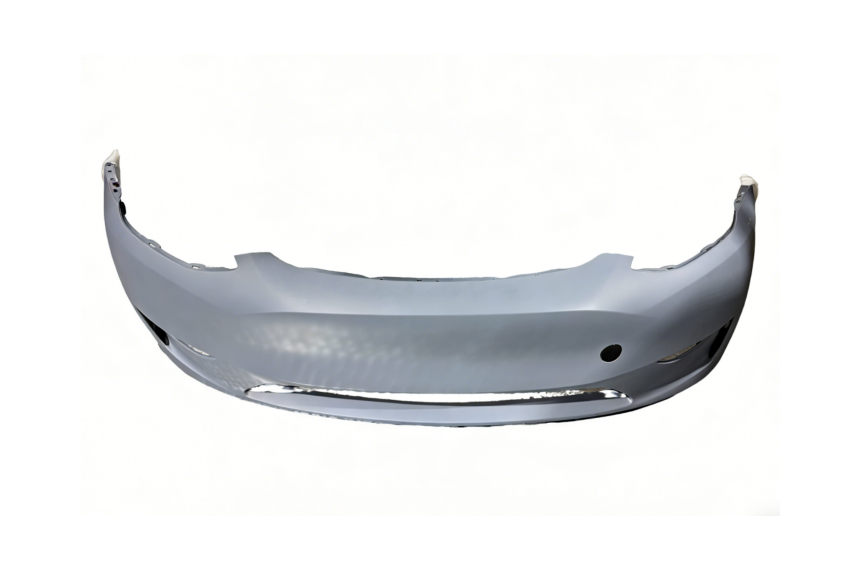
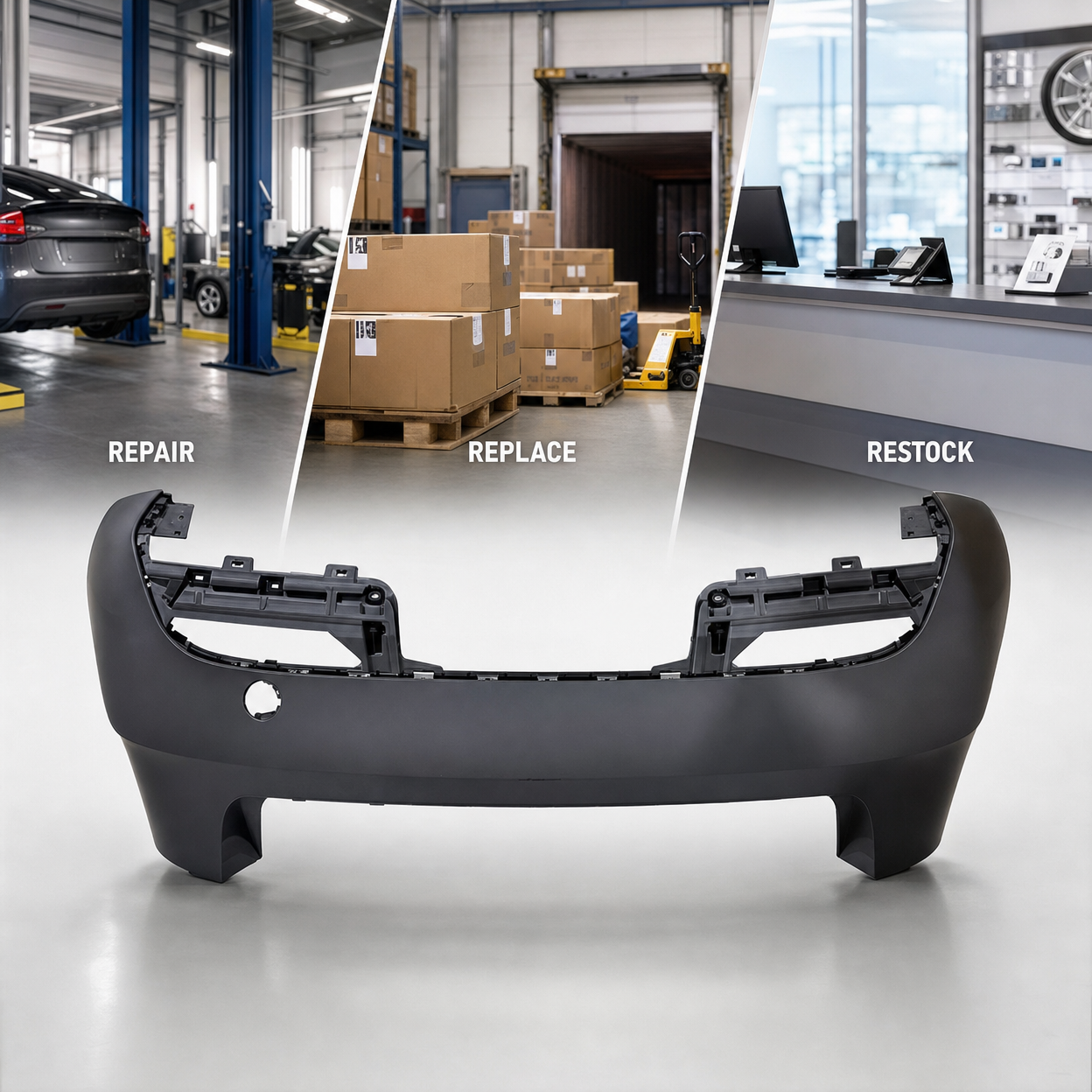
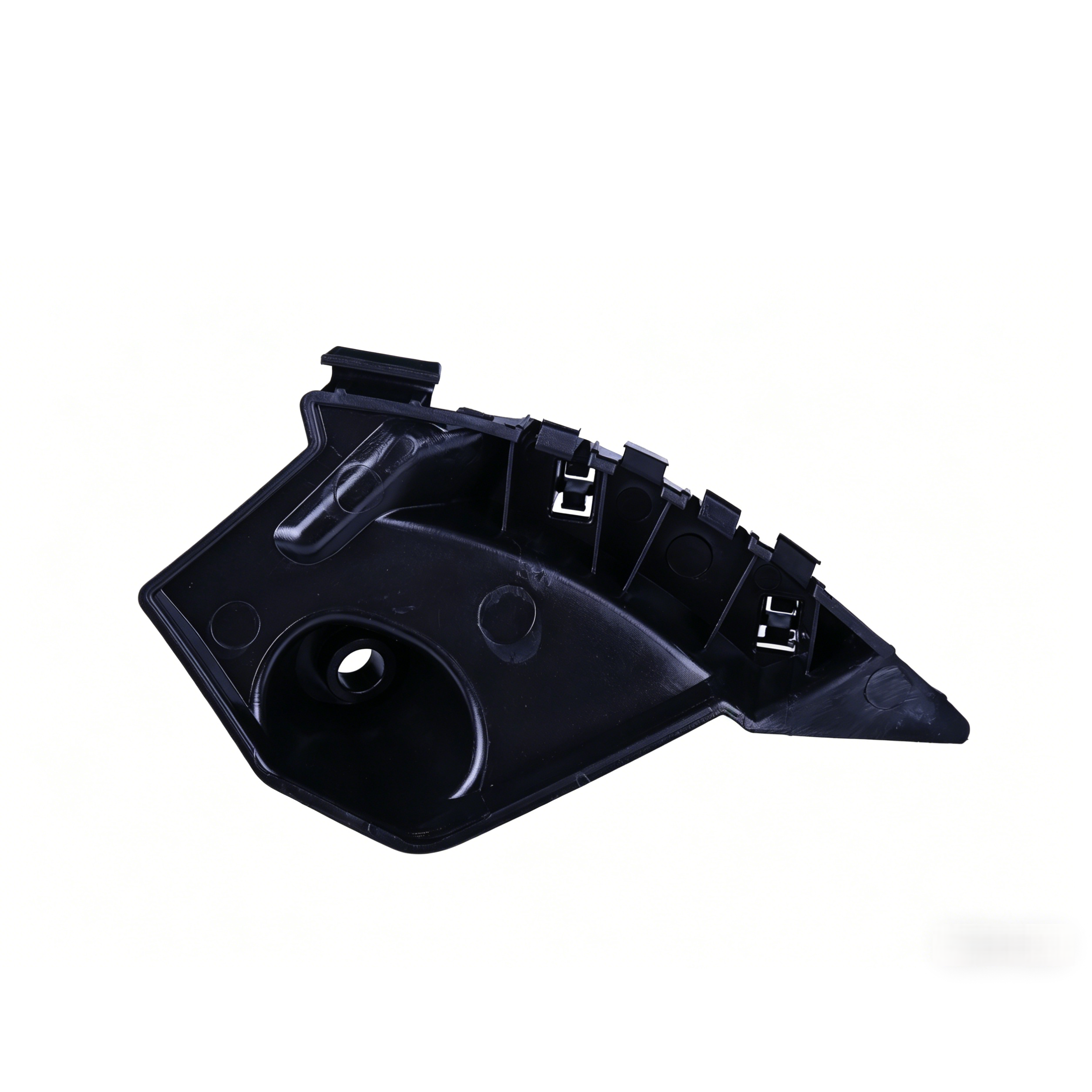
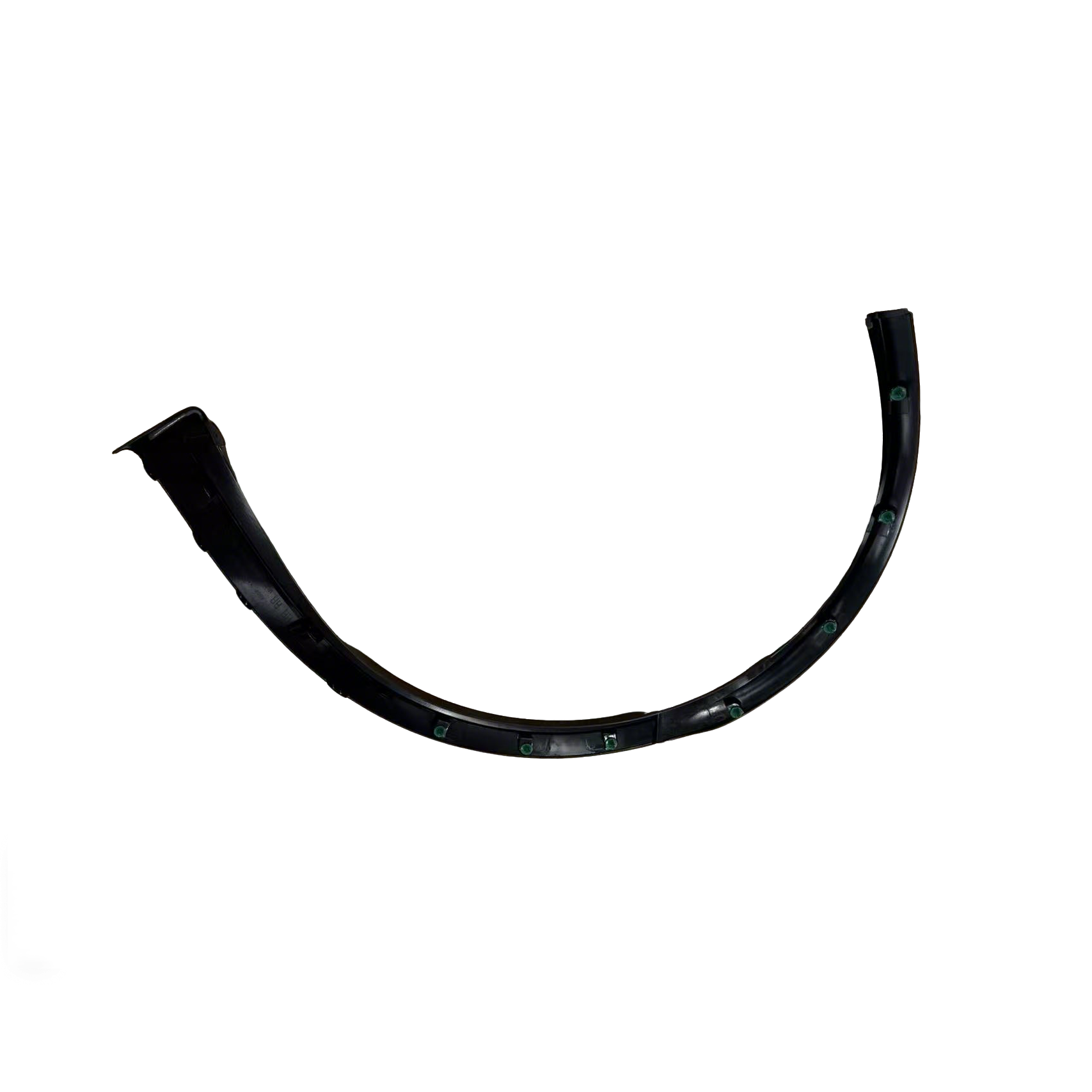
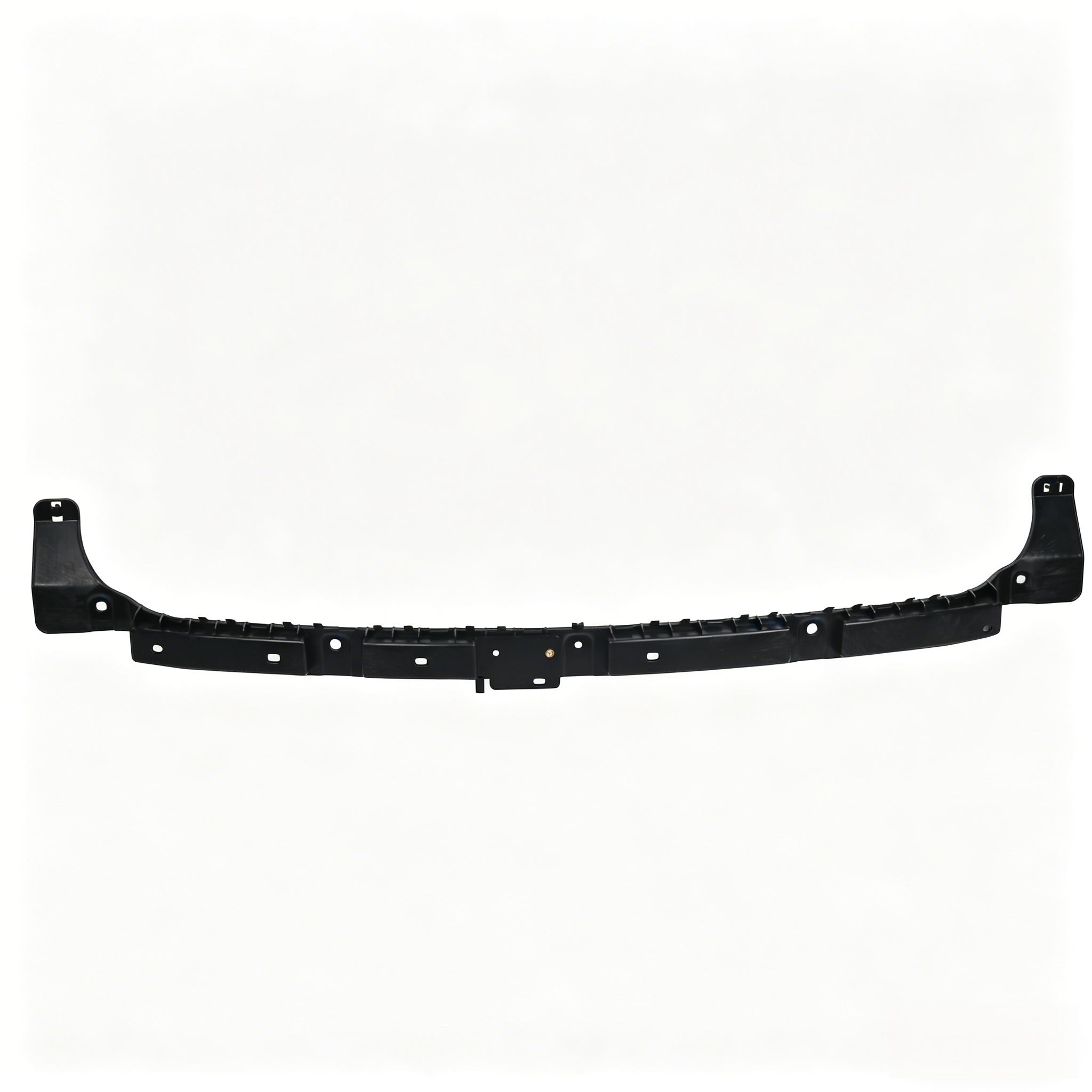
Ang bumper ng sasakyan ay kumakatawan sa isa sa mga pinakamahalagang bahagi ng kaligtasan sa modernong disenyo ng sasakyan, na gumagana bilang unang linya ng depensa sa panahon ng mga collision at impact. Nakaposisyon sa harap at likuran ng mga sasakyan, ang bumper ng sasakyan ay gumagana bilang isang protektibong hadlang na sumusorbo ng enerhiya mula sa mga impact na may mababang bilis, na binabawasan ang pinsala sa pangunahing istruktura ng sasakyan at sa mga mahahalagang sistema nito. Ang mga modernong disenyo ng bumper ng sasakyan ay kasama ang mga advanced na materyales tulad ng thermoplastic polymers, reinforced composites, at aluminum alloys, na inenginyero upang magbigay ng optimal na resistance sa impact habang pinapanatili ang mababang timbang. Bukod sa pangunahing tungkulin nitong protektibo, ang bumper ng sasakyan ay pagsasama-sama nang maayos sa estetika ng sasakyan, na nag-aambag sa kabuuang visual appeal at aerodynamic efficiency nito. Ang teknolohiya ng modernong bumper ng sasakyan ay lubos na umunlad, na ngayon ay kasama na ang mga sensor para sa mga sistema ng tulong sa pagparada, mga mounting point para sa mga camera, at mga housing para sa mga fog light at iba pang mahahalagang komponente. Ang engineering sa likod ng bawat bumper ng sasakyan ay kinasasangkapan ng sopistikadong computer modeling at crash testing upang matiyak ang pagkakasunod sa mahigpit na regulasyon sa kaligtasan sa iba’t ibang merkado. Dinisenyo ng mga tagagawa ang mga komponenteng ito upang sumorbo ng puwersa ng collision sa pamamagitan ng kontroladong deformation, na dinidirekta ang enerhiya ng impact palayo sa passenger compartment at sa mga mahahalagang mekanikal na sistema. Karaniwang binubuo ang bumper ng sasakyan ng maraming layer, kabilang ang panlabas na fascia para sa itsura, isang foam layer na sumusorbo ng impact, at isang reinforcement bar na nagbibigay ng structural integrity. Ang mga prosedura sa pag-install at pagpapalit ay standardisado na sa buong automotive industry, na nagpapahintulot sa epektibong pagre-repair at pagpapanatili. Ang versatility ng aplikasyon ng bumper ng sasakyan ay umaabot sa lahat ng kategorya ng sasakyan, mula sa compact na sedan hanggang sa heavy-duty na truck, kung saan ang bawat disenyo ay nakakustomize upang tugma sa tiyak na mga kinakailangan sa performance at preferensya sa estetika. Ang mga konsiderasyon sa kapaligiran ang nanguna sa mga inobasyon sa paggawa ng bumper ng sasakyan, kung saan ang mga recyclable na materyales at sustainable na paraan ng produksyon ay naging standard na sa industriya. Ang integrasyon ng mga feature para sa proteksyon ng pedestrian ay naging mandatory na sa maraming rehiyon, na nangangailangan ng mga disenyo ng bumper ng sasakyan na bawasan ang panganib ng injury sa panahon ng mga low-speed collision sa mga vulnerable na user ng kalsada.
 ×
×





 EN
EN