Car Bumper Guide: Advanced Protection, Integration & Customization Solutions

Get a Free Quote

Our representative will contact you soon.
Email
Name
Company Name
Message
0/1000

car bumper

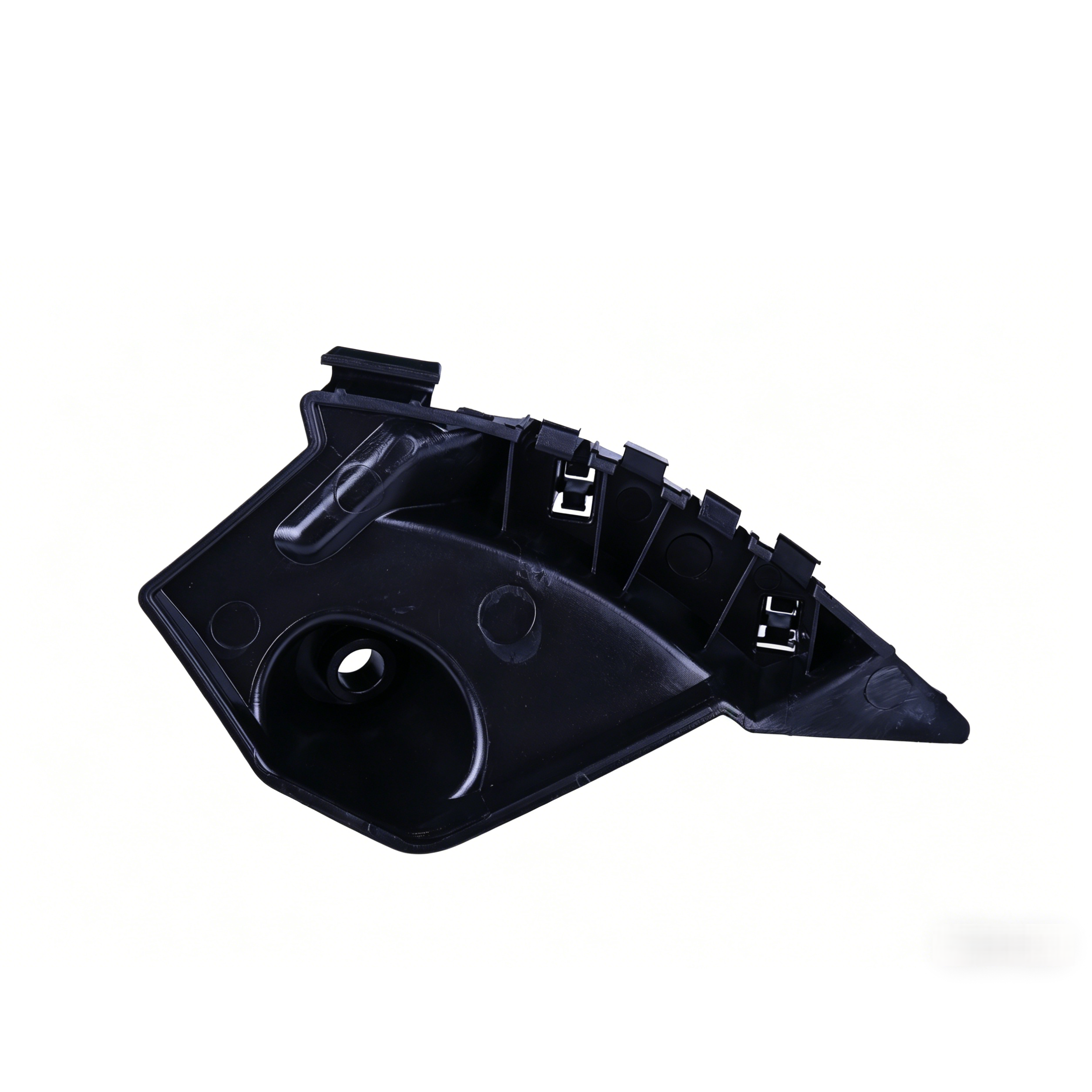
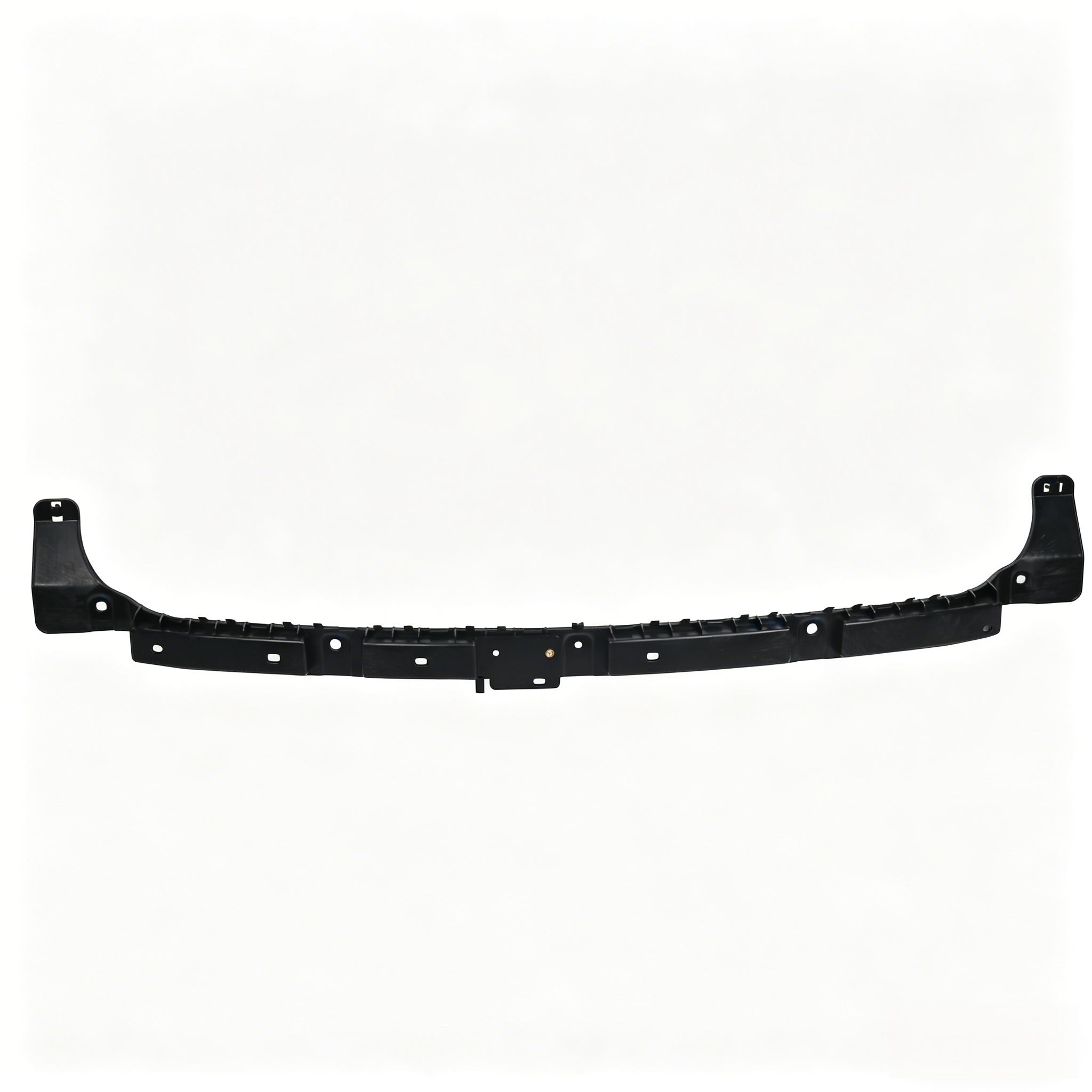
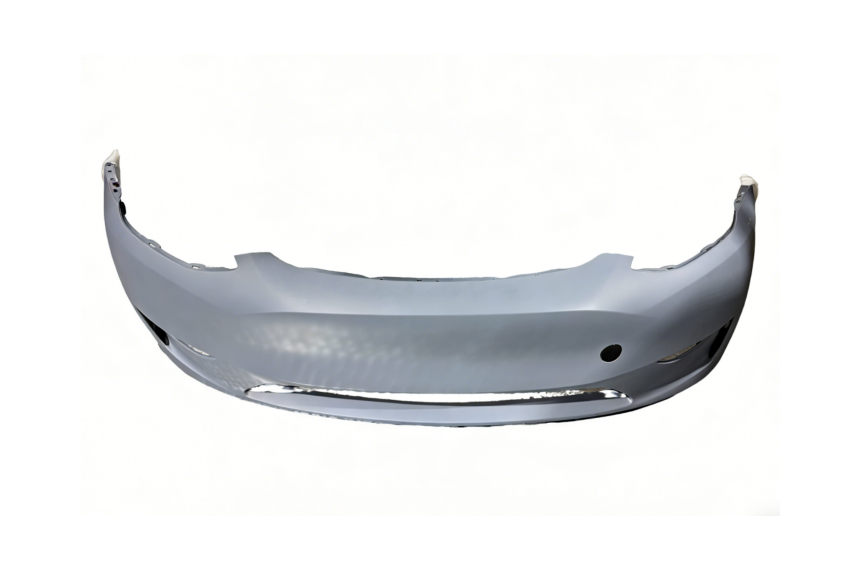
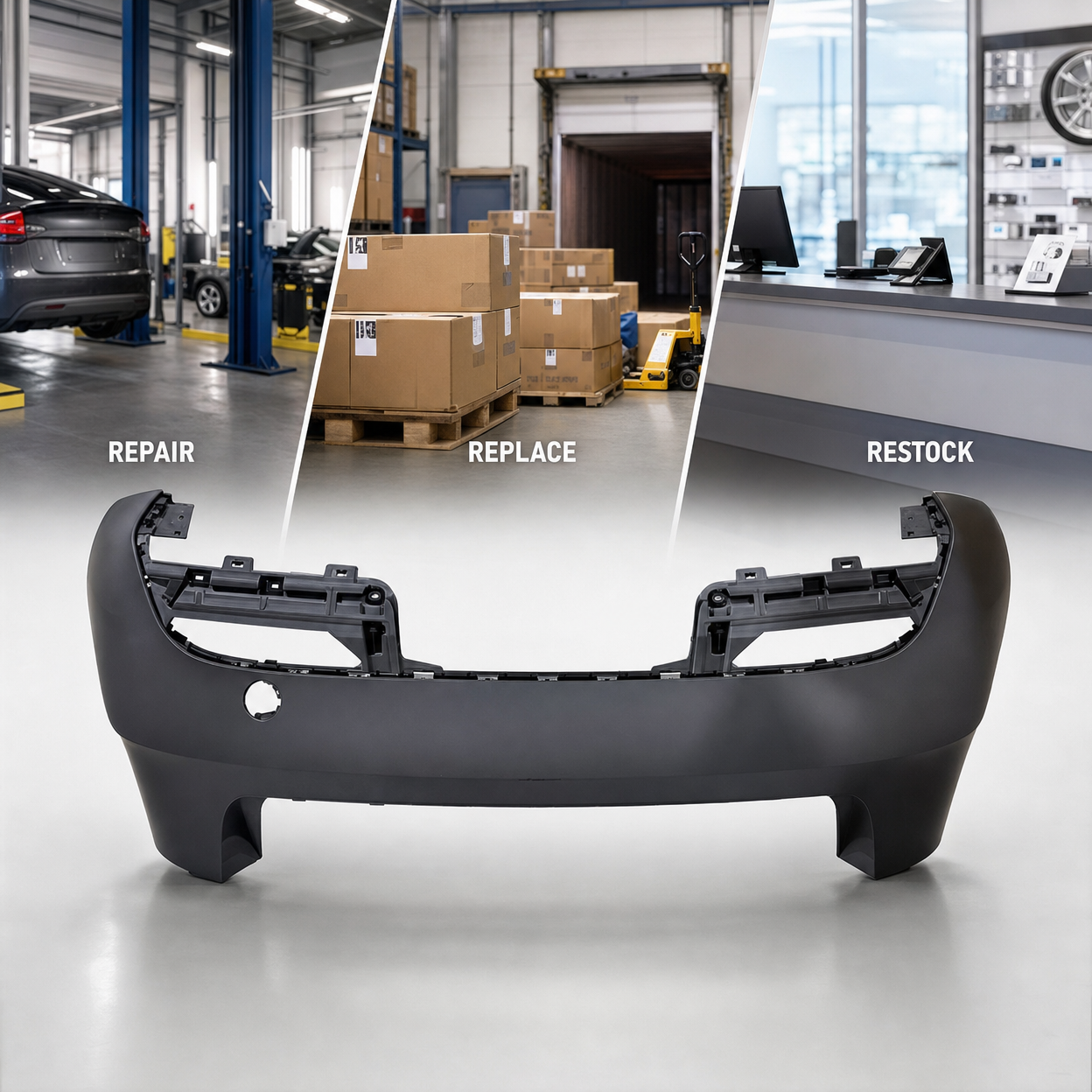
The car bumper represents one of the most critical safety components in modern vehicle design, serving as the first line of defense during collisions and impacts. Positioned at both the front and rear of vehicles, the car bumper functions as a protective barrier that absorbs energy from low-speed impacts, minimizing damage to the vehicle's core structure and essential systems. Contemporary car bumper designs incorporate advanced materials such as thermoplastic polymers, reinforced composites, and aluminum alloys, engineered to provide optimal impact resistance while maintaining lightweight characteristics. Beyond its primary protective role, the car bumper integrates seamlessly with vehicle aesthetics, contributing to the overall visual appeal and aerodynamic efficiency. Modern car bumper technology has evolved significantly, now incorporating sensors for parking assistance systems, mounting points for cameras, and housings for fog lights and other essential components. The engineering behind each car bumper involves sophisticated computer modeling and crash testing to ensure compliance with stringent safety regulations across different markets. Manufacturers design these components to absorb collision forces through controlled deformation, directing impact energy away from the passenger compartment and vital mechanical systems. The car bumper typically consists of multiple layers, including an outer fascia for appearance, an impact-absorbing foam layer, and a reinforcement bar that provides structural integrity. Installation and replacement procedures have been standardized across the automotive industry, allowing for efficient repairs and maintenance. The versatility of car bumper applications extends across all vehicle categories, from compact sedans to heavy-duty trucks, with each design customized to match specific performance requirements and aesthetic preferences. Environmental considerations have driven innovations in car bumper manufacturing, with recyclable materials and sustainable production methods becoming industry standards. The integration of pedestrian protection features has become mandatory in many regions, requiring car bumper designs to minimize injury risks during low-speed collisions with vulnerable road users.

Popular Products

Investing in a quality car bumper delivers substantial benefits that extend far beyond basic protection, making it an essential consideration for vehicle owners seeking comprehensive safety and value. The primary advantage lies in damage prevention, where a well-engineered car bumper absorbs impact forces during minor collisions, protecting expensive components like radiators, engines, and transmission systems from costly repairs. This protective capability translates directly into financial savings, as the relatively inexpensive replacement of a car bumper proves far more economical than repairing major mechanical damage. Modern car bumper designs enhance pedestrian safety through specially engineered crumple zones and energy-absorbing structures that reduce injury severity during accidents, demonstrating the component's role in comprehensive road safety. Vehicle owners benefit from improved insurance premiums when their cars feature advanced car bumper systems, as insurers recognize the reduced risk of extensive damage claims. The aesthetic versatility of contemporary car bumper options allows drivers to customize their vehicles' appearance while maintaining protective functionality, offering choices in colors, textures, and styling elements that complement personal preferences. Aerodynamic benefits emerge from streamlined car bumper designs, contributing to improved fuel efficiency by reducing air resistance and optimizing airflow around the vehicle. The integration capabilities of modern car bumper structures accommodate advanced driver assistance systems, parking sensors, and camera mounts without compromising structural integrity or appearance. Maintenance simplicity represents another significant advantage, as most car bumper components can be easily cleaned, repaired, or replaced without requiring extensive mechanical expertise or specialized tools. Durability improvements in materials technology mean today's car bumper products resist fading, cracking, and degradation from ultraviolet exposure, maintaining their protective properties and appearance throughout extended service lives. The modular design philosophy adopted by manufacturers enables quick repairs, where damaged sections can be replaced individually rather than requiring complete car bumper assembly replacement. Environmental advantages emerge from recyclable materials used in modern car bumper construction, allowing responsible disposal and contributing to circular economy principles. Weight optimization in car bumper engineering reduces overall vehicle mass, improving acceleration, braking performance, and handling characteristics while decreasing fuel consumption. Universal compatibility standards ensure that replacement car bumper components meet original equipment specifications, guaranteeing proper fit and function regardless of the supplier. The psychological comfort provided by a robust car bumper should not be underestimated, as drivers experience greater confidence navigating tight parking situations and urban environments knowing their vehicles possess adequate protection against minor impacts and scrapes.

Practical Tips

Consolidating Foundations, Forging New Paths, Gathering Momentum for Breakthroughs - Jiapei's Two Grand Events of 2026 Conclude Successfully

09

Apr

Consolidating Foundations, Forging New Paths, Gathering Momentum for Breakthroughs - Jiapei's Two Grand Events of 2026 Conclude Successfully

View More
Shanghai Jiapei Partners with Mahle to Launch a New Journey in China's Chassis Aftermarket

07

Apr

Shanghai Jiapei Partners with Mahle to Launch a New Journey in China's Chassis Aftermarket

View More
Jiapei's 2025 Yan'an Summit Concludes Successfully: Empowered by Red Gene, Embarking on a New Journey of

28

Apr

Jiapei's 2025 Yan'an Summit Concludes Successfully: Empowered by Red Gene, Embarking on a New Journey of "Nurturing Ambition, Securing Customer Trust, Forging the Future"

View More

Get a Free Quote

Our representative will contact you soon.
Email
Name
Company Name
Message
0/1000

car bumper

Advanced Impact Protection Technology

Advanced Impact Protection Technology

The revolutionary impact protection capabilities of the modern car bumper stem from years of engineering refinement and materials science breakthroughs that prioritize occupant safety and vehicle preservation. At the core of this protective functionality lies a multi-layer design philosophy where each component serves a specific purpose in the energy absorption hierarchy. The outermost layer of the car bumper, known as the fascia, provides the initial contact point during collisions while maintaining aesthetic appeal through carefully molded contours and finish options. Beneath this visible surface, manufacturers integrate specialized foam materials engineered with precise density characteristics that compress progressively under impact, converting kinetic energy into controlled deformation rather than transmitting forces directly to the vehicle frame. The reinforcement bar, typically constructed from high-strength steel or aluminum alloys, forms the structural backbone of the car bumper system, distributing impact loads across a wider area to prevent localized damage concentration. This sophisticated layering approach allows the car bumper to manage collision forces effectively across a range of impact speeds, from gentle parking taps to more substantial low-speed collisions. Computer-aided design tools enable engineers to optimize every curve and thickness variation in the car bumper structure, ensuring maximum energy absorption while minimizing weight penalties that would negatively affect fuel economy. Real-world crash testing validates these computational models, with manufacturers subjecting car bumper prototypes to hundreds of impact scenarios that simulate various collision angles, speeds, and object types. The results demonstrate impressive protective capabilities, with properly designed car bumper systems preventing damage to critical components during impacts up to specific regulatory thresholds. Advanced variants incorporate active safety elements, where sensors integrated into the car bumper detect imminent collisions and trigger pre-impact safety systems that prepare the vehicle and occupants for contact. This integration transforms the car bumper from a passive protective element into an active participant in comprehensive vehicle safety architectures, enhancing overall accident prevention and mitigation strategies.
Seamless Integration with Vehicle Systems

Seamless Integration with Vehicle Systems

The contemporary car bumper functions as a sophisticated integration platform that accommodates numerous vehicle systems while maintaining its primary protective role, representing a remarkable achievement in automotive engineering and design optimization. Modern vehicles depend on the car bumper to house essential sensors that enable advanced driver assistance features, including parking assistance systems that utilize ultrasonic sensors mounted within the structure to detect obstacles and guide drivers during low-speed maneuvering. Camera systems for surround-view monitoring find protected mounting locations within car bumper assemblies, providing drivers with comprehensive visual information about their vehicle's immediate surroundings while remaining shielded from road debris and weather exposure. The structural design of each car bumper must accommodate these electronic components without compromising impact absorption capabilities, requiring careful engineering to create mounting pockets and routing channels that maintain structural integrity. Lighting systems represent another critical integration challenge, as fog lights, turn signals, and daytime running lights must be positioned within car bumper assemblies to meet visibility requirements and regulatory standards while surviving the harsh automotive environment. The wiring harnesses that connect these various systems pass through specially designed conduits within the car bumper structure, protected from moisture, vibration, and potential damage during minor impacts. Cooling system integration presents additional complexity, as many car bumper designs incorporate air intake openings that channel airflow to radiators and other heat exchangers, requiring precise sizing and positioning to balance cooling efficiency with aerodynamic performance. The mounting interface between the car bumper and vehicle chassis employs engineered attachment points that provide secure retention during normal operation while allowing controlled separation during severe impacts to prevent frame damage. This separation mechanism represents a critical safety feature, enabling the car bumper to absorb maximum energy before detaching rather than transmitting excessive forces into the passenger compartment. Manufacturers continuously refine these integration strategies, developing new techniques that expand car bumper functionality without increasing complexity or compromising reliability, ensuring that drivers benefit from technological advances without encountering maintenance difficulties or reduced durability.
Customization and Aesthetic Versatility

Customization and Aesthetic Versatility

The aesthetic dimension of car bumper design has evolved dramatically, transforming these protective components from purely functional elements into significant contributors to vehicle personality and visual appeal, offering consumers unprecedented customization opportunities. Contemporary car bumper designs emerge from close collaboration between safety engineers and styling teams, resulting in components that satisfy rigorous protective requirements while enhancing overall vehicle aesthetics through carefully sculpted surfaces and integrated design elements. The color matching capabilities of modern car bumper manufacturing enable perfect coordination with vehicle body panels, utilizing advanced painting techniques and quality control processes that ensure consistent appearance across different materials and production batches. Texture options extend beyond traditional smooth finishes, with manufacturers offering car bumper variants featuring carbon fiber patterns, matte surfaces, and specialized coatings that resist scratching and maintain appearance despite exposure to road debris and environmental contaminants. Aftermarket customization opportunities allow vehicle owners to personalize their car bumper appearance through replacement components that offer aggressive styling, enhanced ground clearance, or integrated aerodynamic elements like splitters and diffusers. The modular nature of contemporary car bumper designs facilitates this customization, with standardized mounting points and connection interfaces enabling straightforward installation of alternative components without requiring permanent vehicle modifications. Material selection influences both appearance and performance, as different car bumper constructions utilizing thermoplastics, composites, or metal alloys each deliver distinct visual characteristics alongside their functional properties. The finish durability of modern car bumper products ensures that aesthetic appeal persists throughout the ownership experience, with ultraviolet-resistant materials and advanced coating technologies preventing the fading and discoloration that plagued earlier generations. Design trends influence car bumper styling across vehicle segments, from the aggressive, angular approaches favored in performance applications to the smooth, aerodynamic profiles preferred for efficiency-focused models. Manufacturers recognize that the car bumper significantly impacts first impressions and vehicle recognition, investing substantial resources in developing distinctive design languages that differentiate their products in competitive markets. The balance between protective functionality and aesthetic appeal requires continuous refinement, as engineers work to maintain energy absorption capabilities while accommodating styling preferences for lower ride heights, integrated lighting signatures, and seamless panel transitions that characterize premium vehicle designs.


Get a Free Quote

Our representative will contact you soon.
Email
Name
Company Name
Message
0/1000