Exceptional Durability and Corrosion Resistance for Long-Term Value
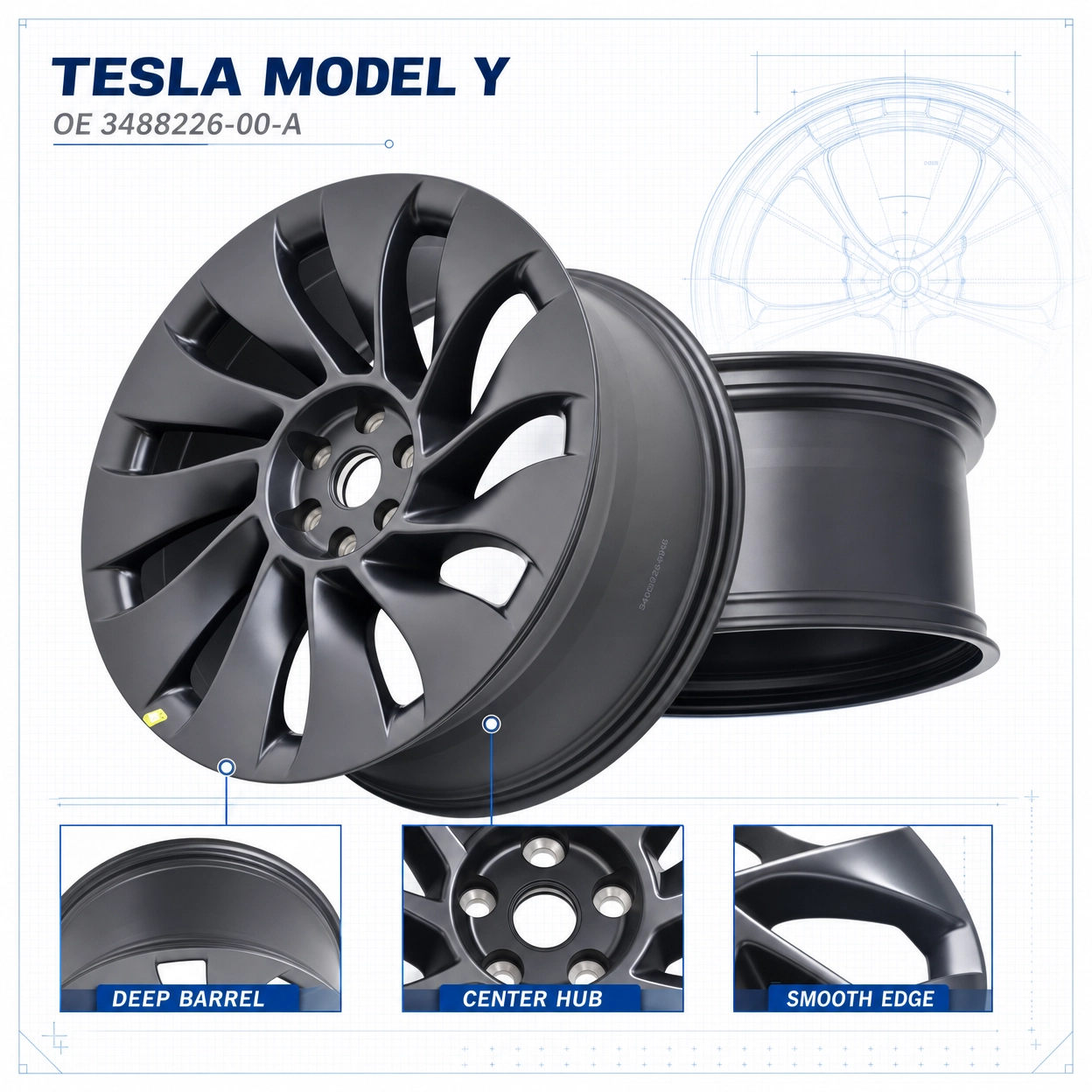
The structural composition and manufacturing quality of an alloy wheel deliver outstanding durability and corrosion resistance that provide lasting value throughout your vehicle's operational life. Unlike steel wheels that succumb to rust and corrosion when protective paint coatings chip or scratch, an alloy wheel resists environmental degradation through the inherent properties of its aluminum or magnesium construction. Aluminum naturally forms a protective oxide layer when exposed to air, creating a barrier that prevents further oxidation and corrosion from penetrating the wheel structure. This self-protecting characteristic means an alloy wheel maintains structural integrity even when surface finishes become scratched or damaged during normal use. The corrosion resistance becomes particularly valuable in regions where road authorities apply salt and chemical deicing agents during winter months, as these corrosive substances rapidly attack steel wheels, causing rust that weakens structural integrity and creates unsightly appearance issues. An alloy wheel withstands these harsh chemical exposures, maintaining both safety and aesthetic appeal throughout years of seasonal challenges. The manufacturing processes used to create an alloy wheel, whether through casting or forging techniques, produce wheels with superior structural consistency and strength compared to stamped steel alternatives. Modern production methods ensure each alloy wheel meets rigorous quality standards, with computerized testing verifying dimensional accuracy, balance specifications, and load-bearing capabilities. This precision manufacturing eliminates weak points and stress concentrations that could lead to premature failure, providing confidence that your wheels will perform reliably under demanding conditions. The impact resistance of an alloy wheel surpasses expectations, as the material properties allow these wheels to absorb and distribute impact forces more effectively than steel wheels, which tend to bend permanently when striking potholes or road debris. While no wheel is indestructible, an alloy wheel typically maintains its structural integrity and balance even after impacts that would render steel wheels unsafe or requiring replacement. This resilience translates into lower long-term ownership costs, as you avoid frequent wheel replacement expenses and wheel balancing services needed to correct damage from road hazards. The finish durability of an alloy wheel has improved dramatically with modern coating technologies, including powder coating, painted finishes, and polished treatments that resist chipping, fading, and weathering. These advanced finishes maintain their visual appeal for years, ensuring your vehicle continues looking its best without requiring frequent wheel refinishing services. The combination of corrosion resistance, structural durability, and finish longevity makes an alloy wheel an investment that preserves value, enhances safety, and maintains aesthetic appeal throughout extended ownership periods, ultimately providing superior return compared to less expensive steel wheel alternatives that require frequent replacement and maintenance.





 EN
EN