Complete Vehicle Integration for Comprehensive Illumination Management
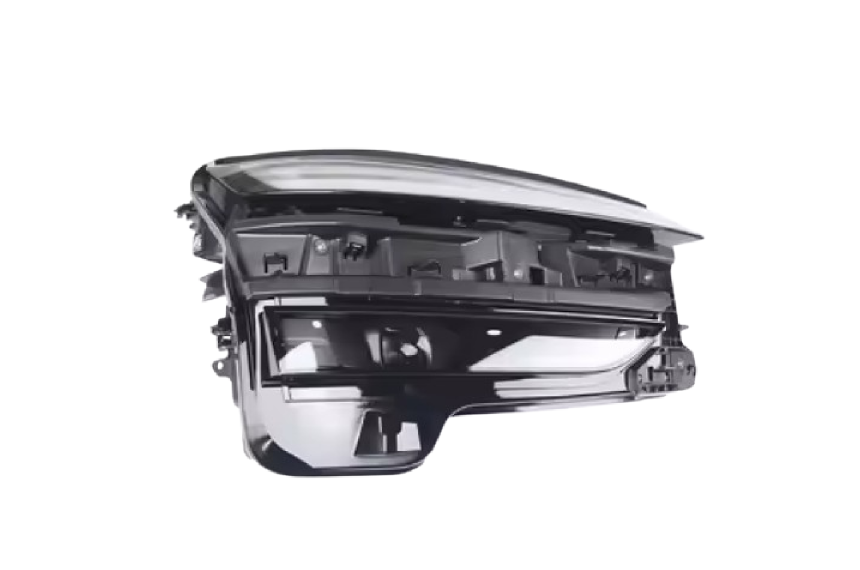
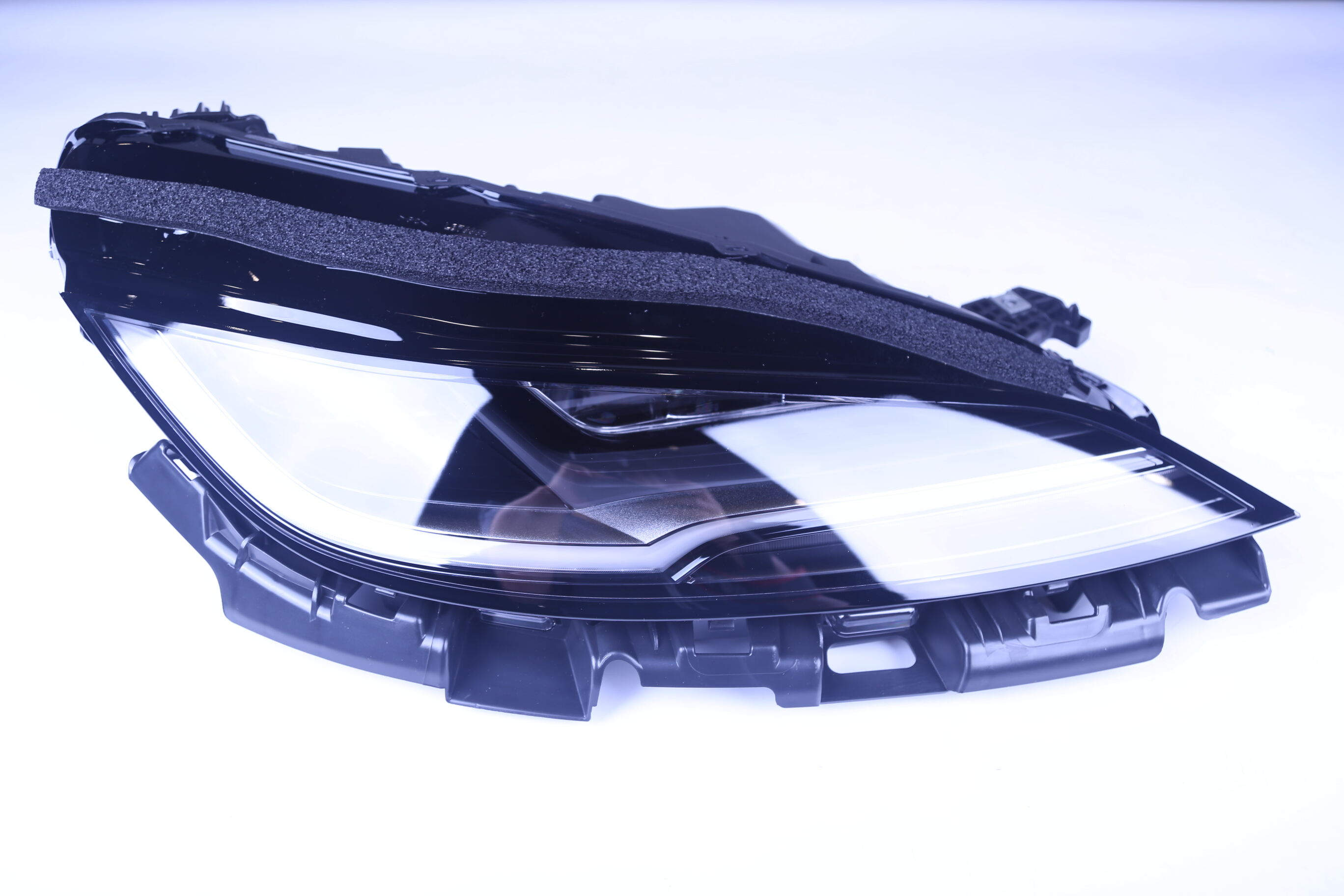
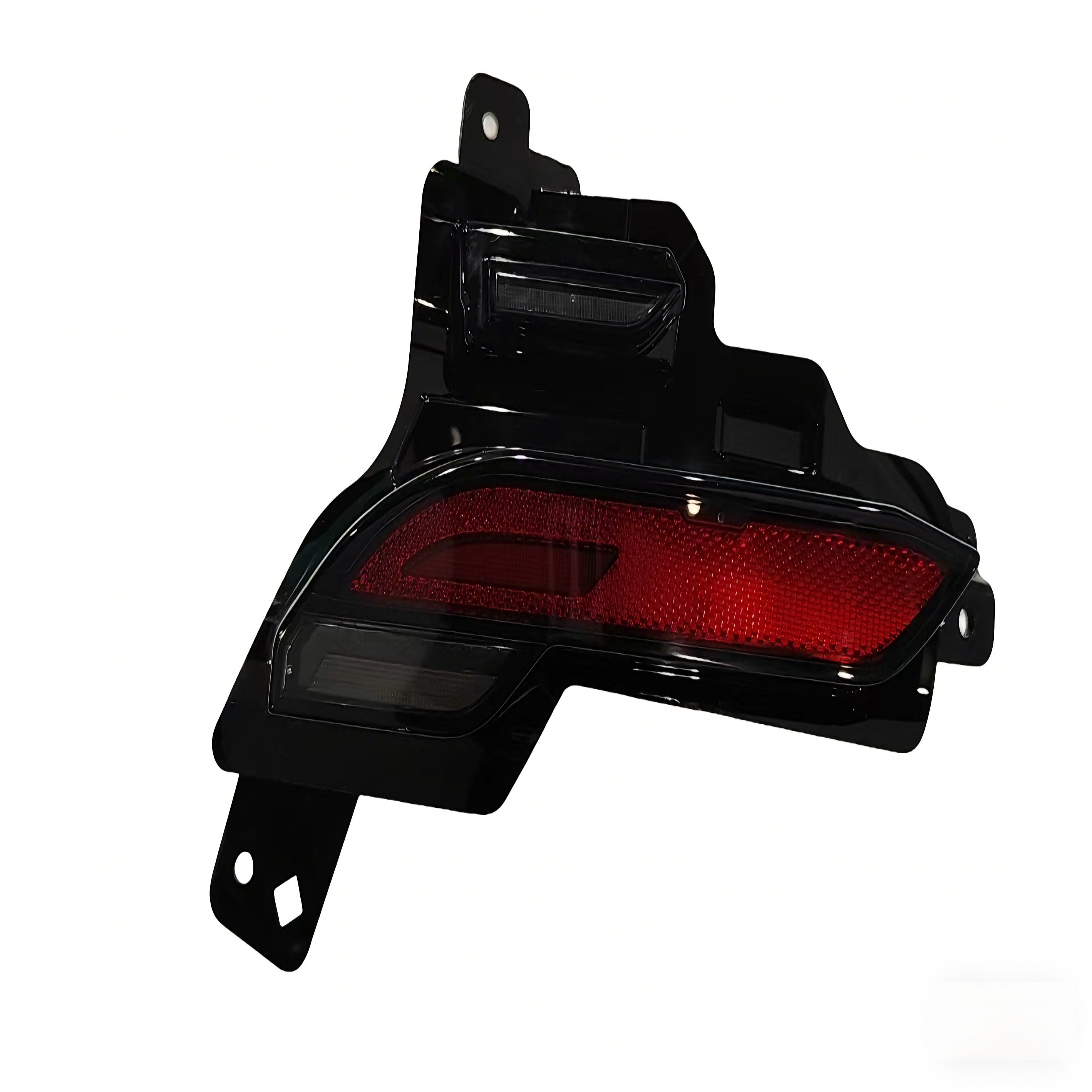
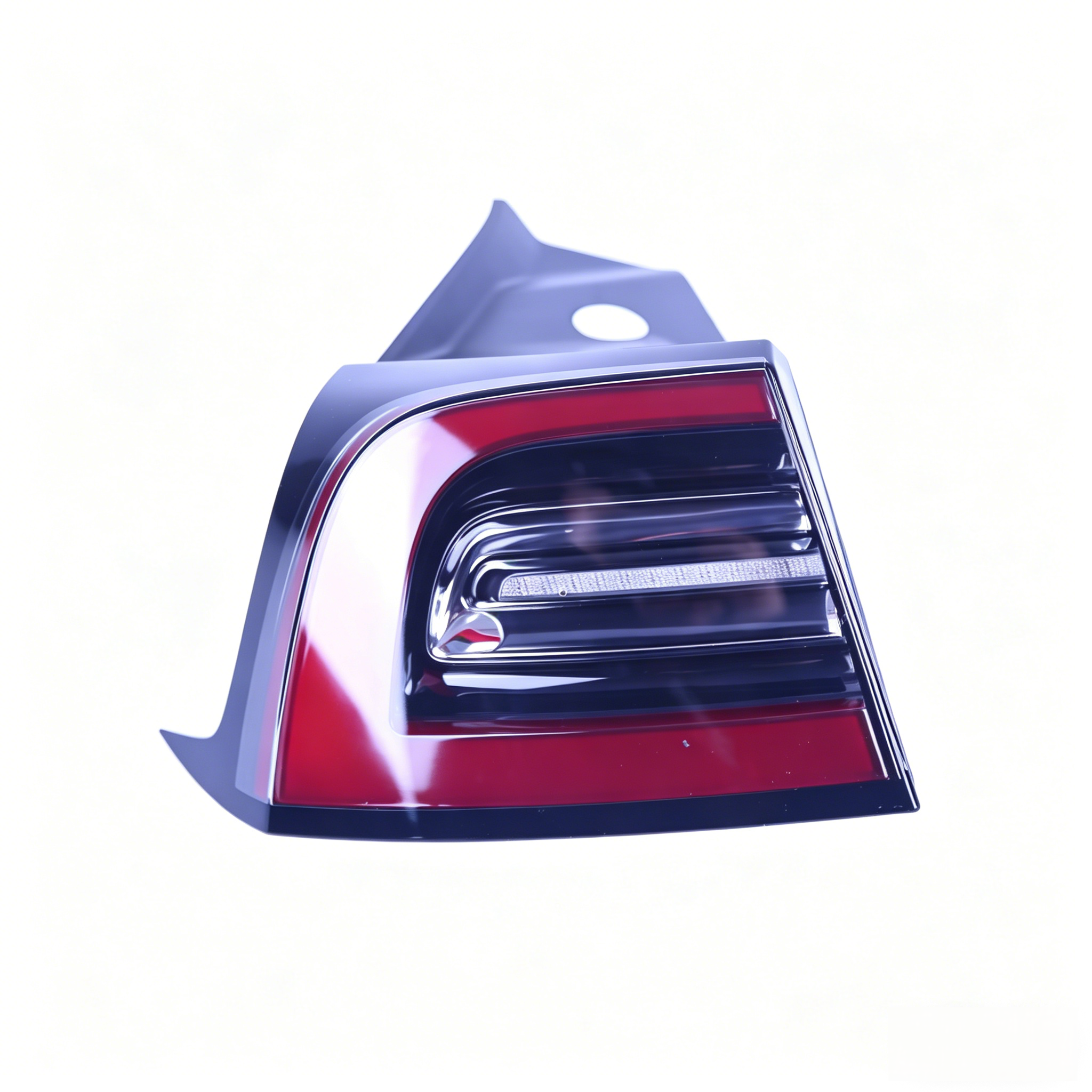
Modern auto lighting systems extend far beyond simple headlight control, offering complete vehicle integration that manages every aspect of automotive illumination for maximum convenience, safety, and efficiency. This comprehensive approach coordinates headlights, taillights, interior lighting, instrument panel illumination, and auxiliary lights into a unified system that responds intelligently to driving conditions and user actions. When you approach your vehicle with the key fob, the system can activate exterior lights to illuminate your path and help locate the vehicle in crowded parking areas. Upon unlocking the doors, interior lights gradually illuminate, providing welcoming visibility as you enter. The system recognizes when you've started the engine and automatically adjusts instrument panel brightness based on ambient light conditions, ensuring optimal gauge visibility without eye strain. As you begin driving and daylight fades or environmental conditions change, the auto lighting system activates headlights and taillights simultaneously, ensuring complete vehicle visibility from all angles. This coordinated activation proves crucial for safety, as partially illuminated vehicles create confusion for other drivers trying to judge distance and speed. The integration extends to turn signals, brake lights, and reverse lights, with some advanced systems featuring sequential turn signals or animated lighting patterns that enhance visibility and communication with surrounding traffic. Interior lighting intelligence includes automatic dimming during nighttime driving to reduce cabin glare and preserve night vision adaptation, while reading lights and footwell illumination respond to individual door operations rather than affecting all passengers simultaneously. The system memory function stores preferred settings for different drivers, automatically adjusting when it recognizes specific key fobs or driver profiles. Energy management algorithms optimize power consumption by dimming or deactivating lights that serve no purpose in current conditions, extending battery life and reducing fuel consumption from alternator load. The auto lighting system communicates with rain sensors, activating lights when wipers operate at certain speeds, ensuring visibility during storms even in daylight hours when drivers might not manually activate lights. Integration with navigation systems allows the auto lighting system to prepare for upcoming tunnels or anticipated sunset times based on route and location data. Diagnostic capabilities monitor all lighting circuits continuously, alerting drivers to burned-out bulbs or electrical faults before they compromise safety or result in traffic citations. The system's learning algorithms adapt to individual preferences over time, refining activation thresholds and brightness levels based on manual adjustments you make, creating a personalized lighting experience that matches your specific needs and comfort levels.






 EN
EN