Advanced Car Lighting System - LED Technology, Adaptive Control & Enhanced Safety Features

Get a Free Quote

Our representative will contact you soon.
Email
Name
Company Name
Message
0/1000

car lighting system

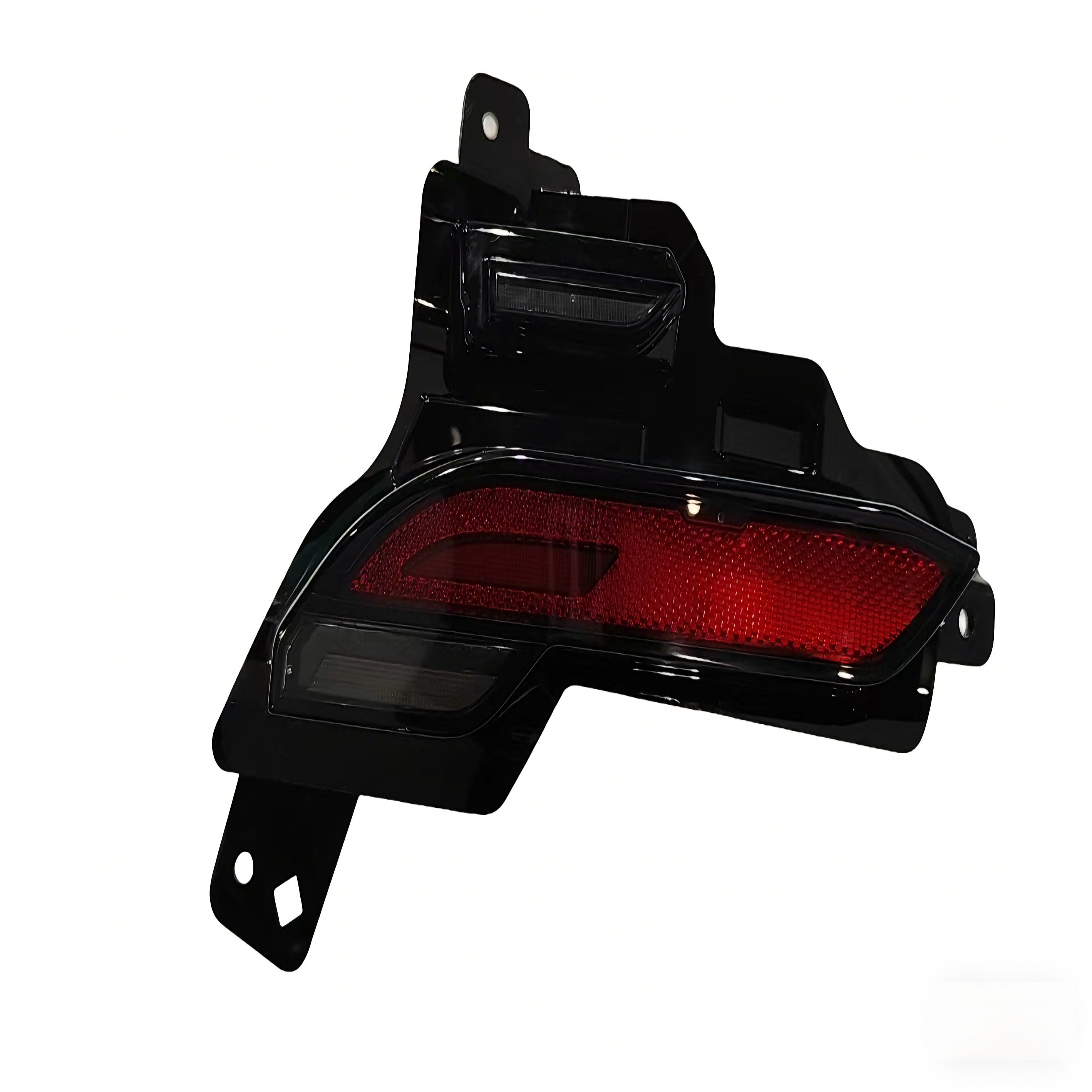
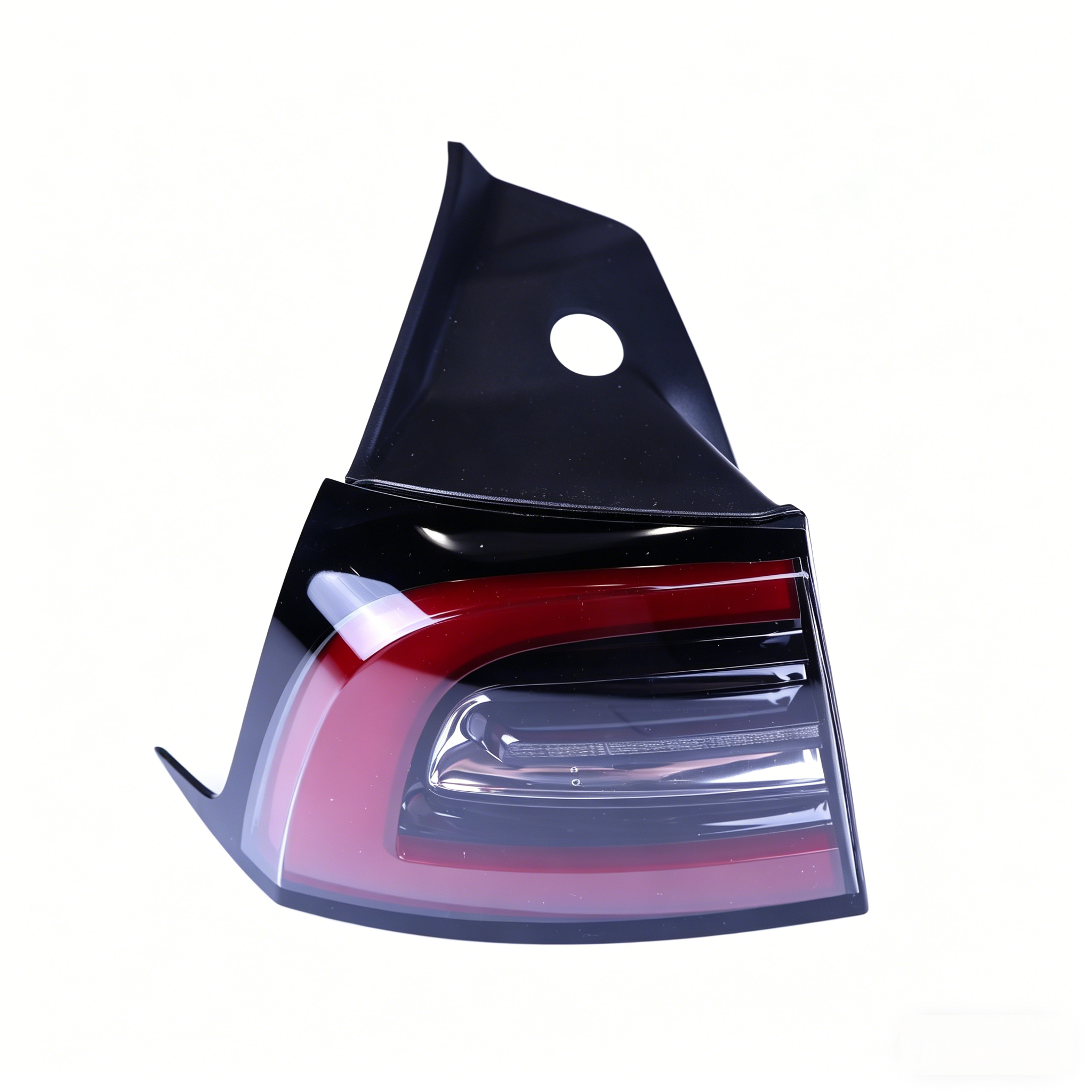
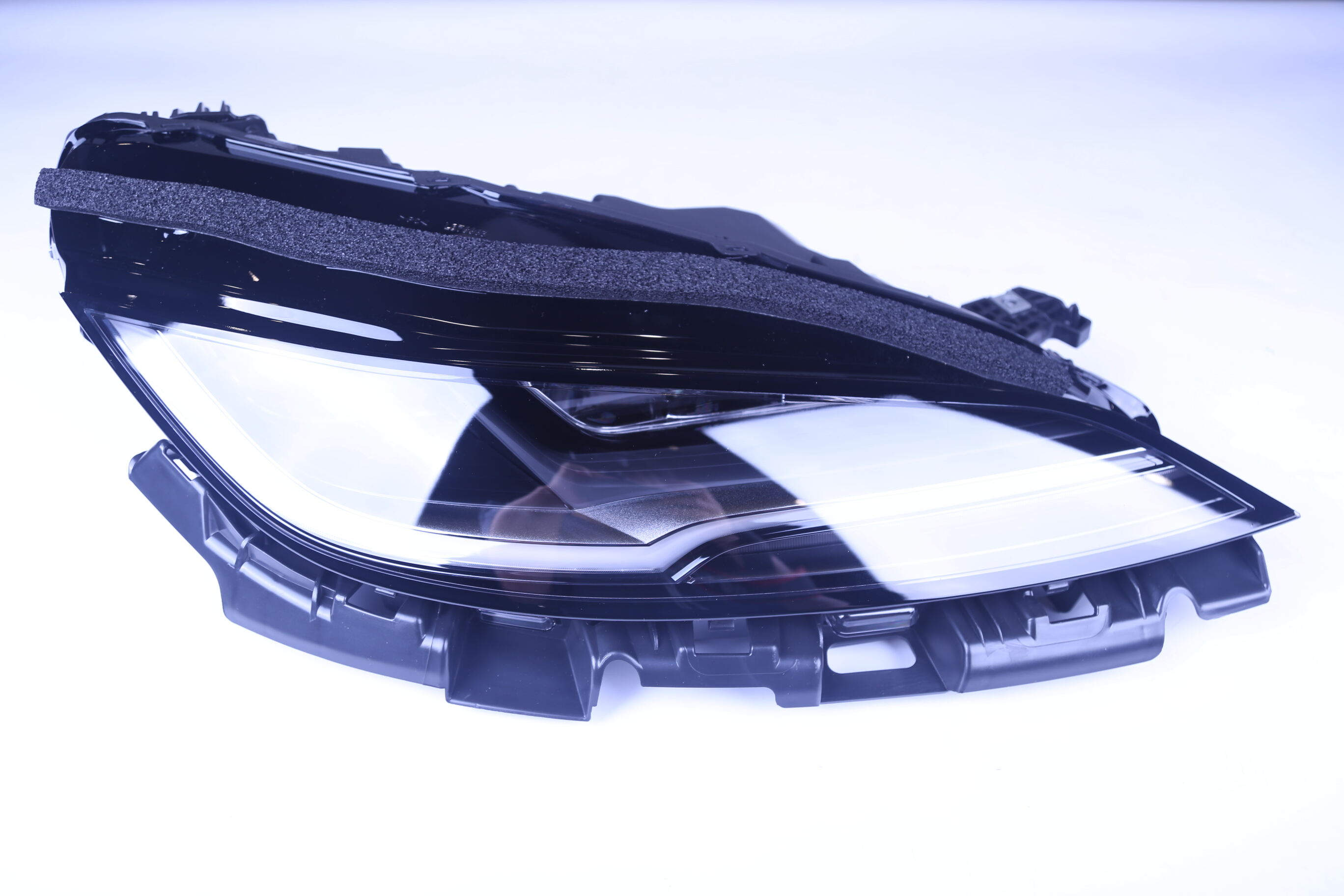
The car lighting system represents a critical safety and functional component in modern vehicles, serving multiple essential purposes that extend far beyond basic illumination. At its core, this system encompasses headlights, taillights, brake lights, turn signals, fog lights, and interior lighting elements that work together to ensure driver visibility and vehicle conspicuity. Modern car lighting systems have evolved significantly from traditional halogen bulbs to incorporate advanced technologies such as LED (Light Emitting Diode), xenon HID (High-Intensity Discharge), and adaptive lighting capabilities. The primary function of the car lighting system is to provide adequate road illumination during low-light conditions, allowing drivers to see obstacles, pedestrians, road signs, and lane markings clearly. Additionally, the system communicates the vehicle's presence, position, and intended actions to other road users, dramatically reducing accident risks. Technological innovations have introduced adaptive headlights that adjust beam patterns based on steering angle and vehicle speed, automatic high-beam control that switches between high and low beams depending on oncoming traffic, and cornering lights that illuminate the direction of travel during turns. The car lighting system also includes daytime running lights that enhance vehicle visibility during daylight hours, emergency hazard lights for roadside assistance situations, and ambient interior lighting that improves passenger comfort and cabin aesthetics. Applications of these systems span across all vehicle categories, from compact cars to commercial trucks, with customization options available for different driving environments and conditions. Weather-specific features like fog lights penetrate mist and rain more effectively than standard headlights, while off-road vehicles may incorporate auxiliary lighting bars for extreme terrain navigation. The integration of smart sensors and computer control modules has transformed the car lighting system into an intelligent network that responds automatically to environmental changes, contributing to both active safety measures and energy efficiency improvements in contemporary automotive design.


Popular Products

The car lighting system delivers substantial practical benefits that directly impact driver safety, vehicle longevity, and overall driving experience. First and foremost, enhanced visibility stands as the most significant advantage, allowing drivers to detect hazards earlier and react with sufficient time to avoid collisions. Modern LED technology in car lighting systems consumes significantly less electrical power compared to traditional bulbs, reducing strain on the vehicle's alternator and battery while improving fuel efficiency. This energy efficiency translates into lower operating costs over the vehicle's lifetime, as LED lights typically last 25,000 to 50,000 hours compared to just 1,000 hours for conventional halogen bulbs. The extended lifespan means fewer replacements, reducing maintenance expenses and the inconvenience of frequent bulb changes. Brightness quality has improved dramatically, with contemporary car lighting systems producing clearer, whiter light that more closely resembles natural daylight, reducing eye strain during night driving and improving color recognition of road signs and markings. Adaptive features provide steering-responsive illumination that follows the road's curve, eliminating dark spots in corners and intersections where accidents frequently occur. Automatic adjustments based on ambient light conditions mean drivers no longer need to manually switch between settings, allowing them to maintain focus on the road ahead. The car lighting system's communication function helps prevent accidents by clearly signaling intentions to other drivers through turn signals and brake lights that activate instantly without the warm-up delay of older technologies. Improved design aesthetics have made vehicle lighting an important styling element that enhances resale value while maintaining functionality. Weather penetration capabilities of specialized fog lights cut through adverse conditions more effectively than high beams, which can reflect off precipitation and reduce visibility. Quick response times of LED brake lights provide following drivers with additional milliseconds of reaction time, potentially preventing rear-end collisions. Modern car lighting systems also integrate with vehicle safety networks, working alongside collision avoidance systems and driver assistance features to create a comprehensive safety ecosystem. The reduced heat output of LED technology minimizes the risk of lens damage and housing degradation, while also decreasing fire hazards in the event of electrical malfunctions. Installation flexibility allows for creative design implementations that manufacturers use to create distinctive brand identities and improve aerodynamic efficiency through streamlined housings.

Practical Tips

Consolidating Foundations, Forging New Paths, Gathering Momentum for Breakthroughs - Jiapei's Two Grand Events of 2026 Conclude Successfully

09

Apr

Consolidating Foundations, Forging New Paths, Gathering Momentum for Breakthroughs - Jiapei's Two Grand Events of 2026 Conclude Successfully

View More
Shanghai Jiapei Partners with Mahle to Launch a New Journey in China's Chassis Aftermarket

07

Apr

Shanghai Jiapei Partners with Mahle to Launch a New Journey in China's Chassis Aftermarket

View More
Jiapei's 2025 Yan'an Summit Concludes Successfully: Empowered by Red Gene, Embarking on a New Journey of

28

Apr

Jiapei's 2025 Yan'an Summit Concludes Successfully: Empowered by Red Gene, Embarking on a New Journey of "Nurturing Ambition, Securing Customer Trust, Forging the Future"

View More

Get a Free Quote

Our representative will contact you soon.
Email
Name
Company Name
Message
0/1000

car lighting system

Advanced LED Technology and Energy Efficiency

Advanced LED Technology and Energy Efficiency

The implementation of LED technology in the car lighting system represents a revolutionary advancement that fundamentally changes how vehicles consume energy and maintain illumination quality. Unlike traditional halogen bulbs that generate light by heating a filament until it glows, LED lights produce illumination through electroluminescence, a process where electrical current passes through semiconductor material to emit photons. This fundamental difference results in remarkable energy efficiency, with LED car lighting systems consuming approximately 75 percent less power than halogen equivalents while producing equal or superior brightness levels. The reduced electrical demand alleviates stress on the vehicle's charging system, allowing the alternator to operate more efficiently and potentially extending its service life by several years. For hybrid and electric vehicles, this efficiency becomes even more critical, as every watt saved in lighting directly contributes to extended driving range and improved battery performance. The exceptional longevity of LED components in the car lighting system eliminates the recurring expense and inconvenience of bulb replacements, with many LED units designed to last the entire lifetime of the vehicle without requiring service. This durability stems from the solid-state construction of LEDs, which contain no fragile filaments or glass envelopes susceptible to vibration damage or thermal shock. The instant-on characteristic of LED technology provides immediate full brightness without warm-up periods, ensuring maximum visibility the moment the car lighting system activates. This rapid response proves particularly valuable for brake lights, where even a fraction of a second can provide crucial additional reaction time for following drivers. Heat management represents another significant advantage, as LED car lighting systems generate minimal thermal energy compared to halogen or HID alternatives, reducing the risk of lens discoloration, housing warping, and potential fire hazards in confined engine compartments. The compact size of LED components allows automotive designers to create sleeker, more aerodynamic lighting assemblies that contribute to improved fuel economy through reduced drag coefficients. Modern car lighting systems utilizing LED arrays can be programmed to create dynamic light patterns, sequential turn signals, and customizable welcome animations that enhance both functionality and aesthetic appeal while maintaining energy efficiency throughout all operational modes.
Adaptive and Intelligent Lighting Control Systems

Adaptive and Intelligent Lighting Control Systems

The integration of adaptive technologies into the car lighting system has transformed passive illumination into an active safety feature that responds dynamically to driving conditions, environmental factors, and vehicle behavior. Adaptive headlights utilize sensors, cameras, and electronic control units to continuously monitor steering angle, vehicle speed, GPS data, and oncoming traffic, automatically adjusting beam patterns to optimize road coverage while minimizing glare for other drivers. This intelligent beam management system in the car lighting system can selectively dim or redirect individual LED elements within the headlight array, creating precise shadow zones that shield oncoming vehicles from direct light while maintaining maximum illumination in all other areas. Cornering lights activate automatically when the steering wheel rotates beyond a predetermined angle or when turn signals engage, projecting additional illumination into the direction of travel to reveal pedestrians, cyclists, or obstacles that would otherwise remain hidden in the darkness beyond conventional headlight reach. The car lighting system's automatic high-beam function detects the headlights or taillights of other vehicles using forward-facing cameras, seamlessly switching between high and low beam settings without driver intervention, ensuring optimal visibility at all times while maintaining courtesy toward other road users. Curve-adaptive lighting adjusts the horizontal aim of headlight beams based on steering input and vehicle dynamics, effectively looking around corners before the vehicle arrives, providing drivers with critical advance warning of upcoming road conditions. Integration with navigation systems allows the car lighting system to anticipate upcoming curves, intersections, and elevation changes based on GPS mapping data, pre-adjusting lighting patterns to match predicted road geometry. Rain and fog sensors trigger automatic activation of appropriate lighting modes, including fog lights and reduced high-beam intensity, adapting to weather conditions faster than human perception can recognize deteriorating visibility. The car lighting system's daytime running lights automatically illuminate when the engine starts, increasing vehicle conspicuity during all daylight hours and reducing the likelihood of multi-vehicle accidents at intersections. Dusk sensors detect declining ambient light levels and automatically activate headlights without requiring driver input, eliminating the common oversight of driving without lights during twilight conditions. These intelligent features within the car lighting system work seamlessly in the background, reducing driver workload while simultaneously improving safety margins through optimized illumination that adapts to real-world driving scenarios.
Enhanced Safety Through Superior Visibility and Communication

Enhanced Safety Through Superior Visibility and Communication

The car lighting system functions as both a visibility tool and a communication device, serving the dual purpose of allowing drivers to see road conditions clearly while simultaneously broadcasting vehicle position and driver intentions to surrounding traffic. Modern advancements in optical design and light source technology have dramatically improved the quality and quantity of illumination provided by the car lighting system, with contemporary LED and HID headlights producing light output measured in thousands of lumens with color temperatures approaching natural daylight. This daylight-similar white light enhances the human eye's ability to distinguish colors, textures, and contrasts in the driving environment, making it easier to identify pedestrians wearing dark clothing, recognize faded road markings, and spot wildlife approaching the roadway. The improved color rendering index of advanced car lighting systems reduces eye fatigue during extended night driving sessions, as the human visual system processes high-quality white light more efficiently than the yellowish glow produced by older halogen technology. Beam pattern optimization ensures that light distribution covers the road surface evenly from directly in front of the vehicle to several hundred feet ahead, eliminating dark patches and providing consistent illumination across the entire field of view. The car lighting system's high-intensity brake lights capture the attention of following drivers more effectively than dim bulbs, reducing reaction times and stopping distances in emergency situations. Research demonstrates that LED brake lights, which illuminate approximately 200 milliseconds faster than incandescent bulbs, can reduce rear-end collisions by providing following drivers with an additional car length of stopping distance at highway speeds. Turn signal visibility has improved through the implementation of sequential LED elements that create animated light patterns, drawing attention more effectively than static blinkers and clearly communicating directional intent even in bright sunlight or adverse weather. The car lighting system's fog lights utilize selective yellow wavelengths and wide, low-mounted beam patterns specifically engineered to penetrate precipitation and ground-level mist without creating reflective glare that reduces visibility. Side marker lights and reflectors integrated into the car lighting system improve lateral visibility, allowing drivers approaching from perpendicular angles at intersections to detect the vehicle's presence earlier and with greater certainty. Emergency flasher functions enable disabled vehicles to broadcast distress signals visible from extreme distances, alerting approaching traffic to roadside hazards and reducing the likelihood of secondary collisions. The standardization of lighting positions and colors across global automotive markets means the car lighting system speaks a universal language understood by drivers worldwide, facilitating safe international travel and reducing confusion in multinational traffic environments.

Get a Free Quote

Our representative will contact you soon.
Email
Name
Company Name
Message
0/1000