Energy Efficiency and Environmental Impact Define Modern Headlight Innovation
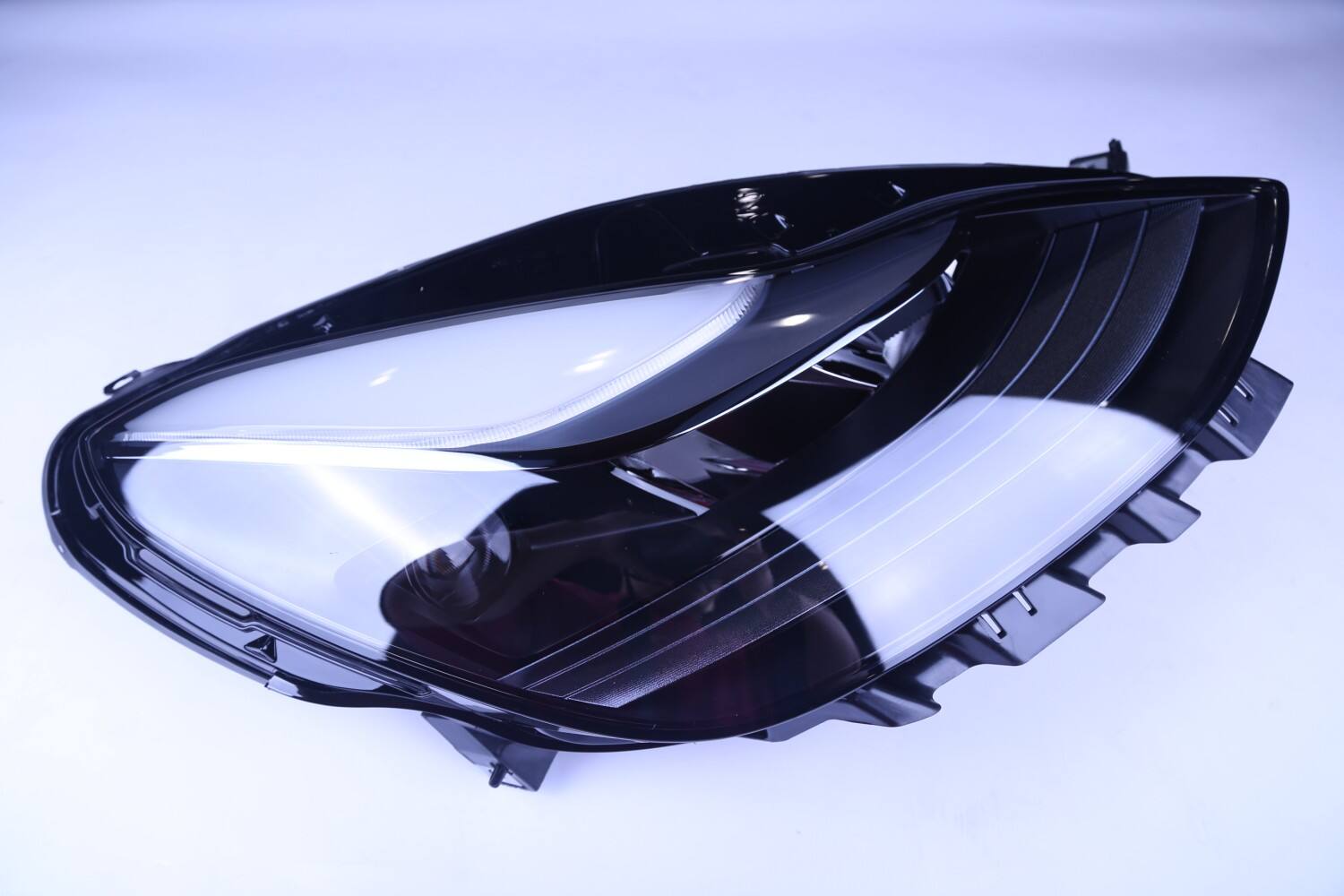
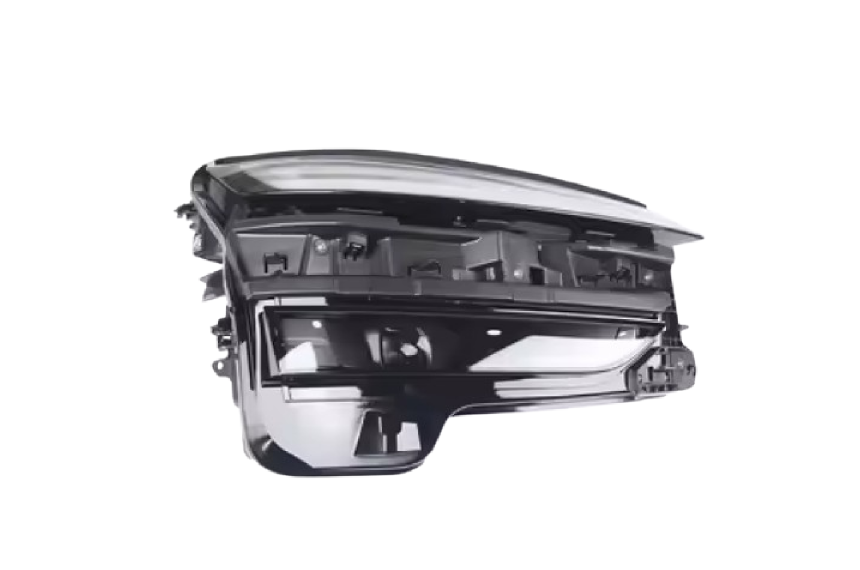
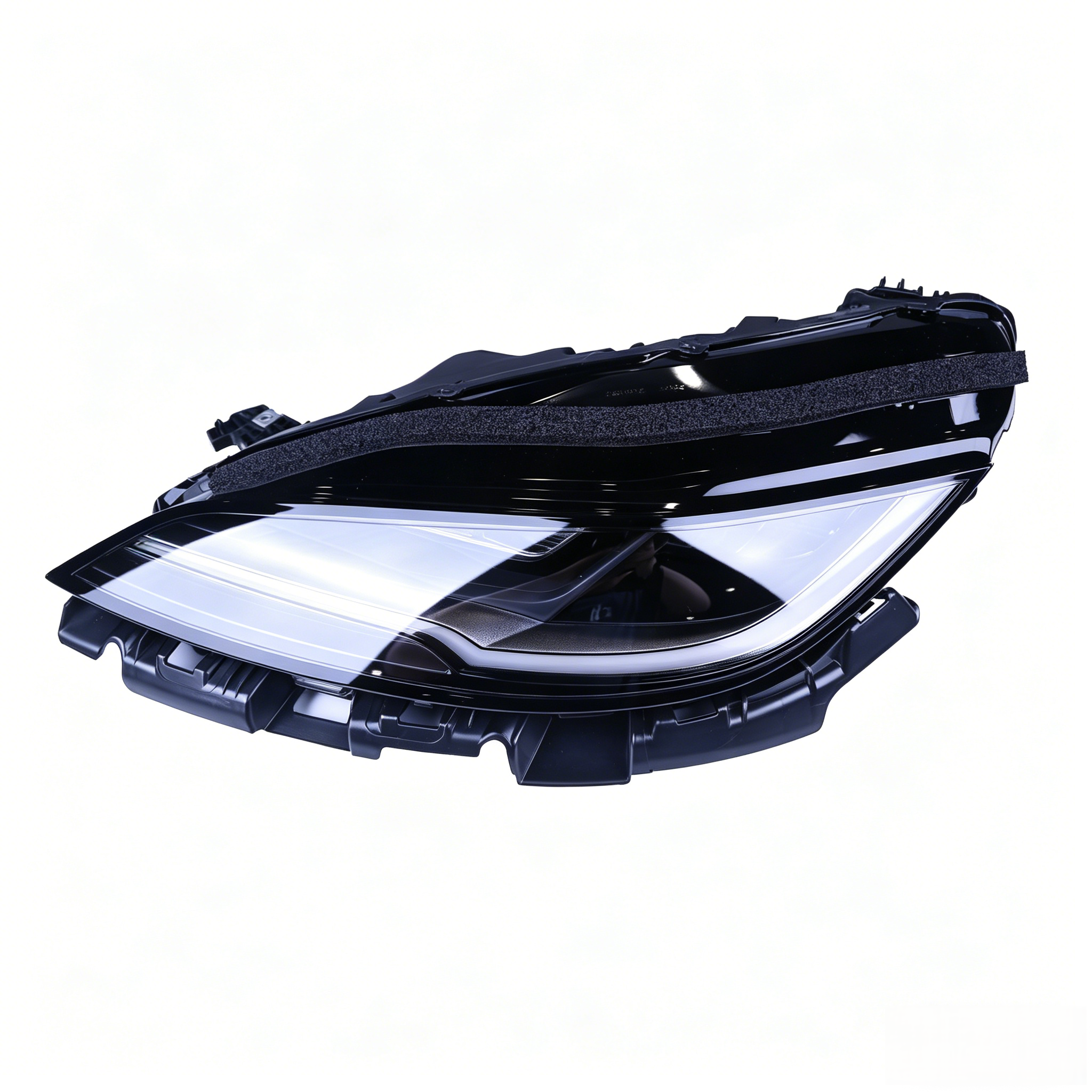
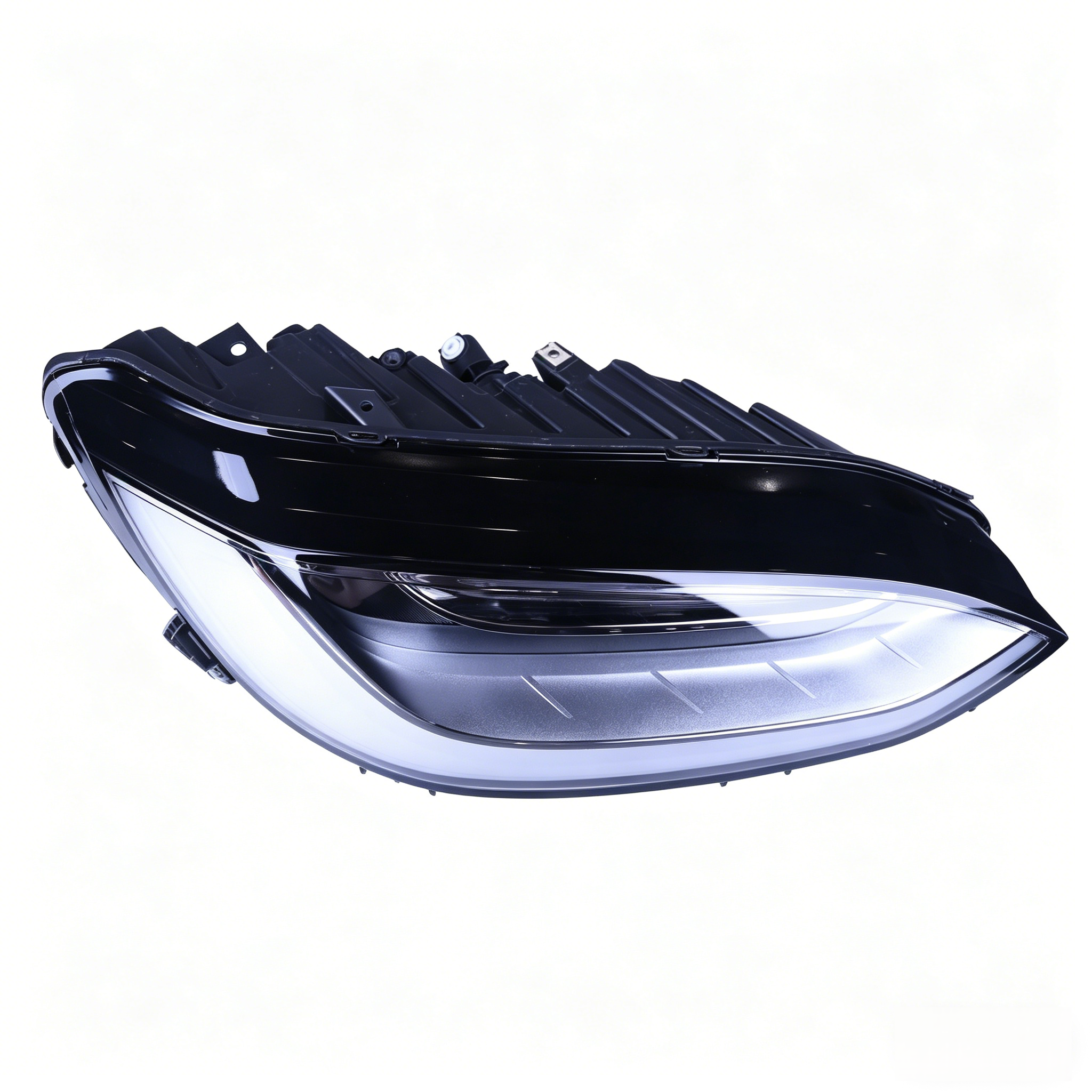
The energy efficiency of modern automobile headlights extends far beyond simple cost savings, representing a fundamental shift in automotive electrical system design and environmental responsibility. Traditional halogen automobile headlights typically consume between 55 and 65 watts per bulb, meaning a pair draws 110 to 130 watts continuously during operation. In contrast, LED automobile headlights achieve equivalent or superior brightness while consuming merely 15 to 25 watts per unit, reducing total power consumption by approximately 75 percent. This dramatic reduction in electrical demand translates directly to decreased load on your vehicle's alternator, which must work less to generate electricity and consequently places reduced mechanical strain on the engine. The cumulative effect manifests as measurable fuel economy improvement, with studies indicating that comprehensive LED lighting upgrades, including automobile headlights and all auxiliary lights, can improve fuel efficiency by up to 0.5 percent in typical driving conditions. While this percentage might seem modest, it accumulates to significant savings over a vehicle's lifetime, particularly for high-mileage drivers and fleet operators managing hundreds or thousands of vehicles. The reduced electrical load also benefits hybrid and electric vehicles more substantially, as every watt saved directly extends battery range. For electric vehicles where range anxiety remains a primary consumer concern, efficient LED automobile headlights contribute meaningfully to extending the distance achievable on a single charge, particularly during winter months when headlight usage increases. The environmental advantages of efficient automobile headlights extend to manufacturing and disposal considerations as well. LED automobile headlights contain no toxic heavy metals like mercury, which contaminates traditional HID bulbs, and their solid-state construction eliminates the fragile glass components and filaments that make traditional bulbs prone to breakage and require careful disposal. The exceptional longevity of LED automobile headlights means fewer units manufactured, transported, and eventually discarded over equivalent service periods, reducing the total environmental footprint across the entire product lifecycle. Heat generation, or rather the lack thereof, represents another efficiency benefit of modern automobile headlights. Traditional halogen systems convert up to 90 percent of consumed energy into heat rather than visible light, creating substantial thermal management challenges and requiring robust housing designs to prevent melting or fire hazards. LED automobile headlights generate minimal heat at the light-emitting surface, allowing more compact and lightweight housing designs that contribute to overall vehicle weight reduction and associated fuel economy improvements. The cooler operating temperature also reduces the risk of lens damage from thermal stress and eliminates the snow and ice melting capability that, while occasionally useful, represents wasted energy from an efficiency perspective. Voltage regulation in modern automobile headlights incorporates sophisticated electronic drivers that maintain consistent light output despite fluctuations in vehicle electrical system voltage, ensuring reliable performance while maximizing efficiency across all operating conditions.





 EN
EN