automotive body panels
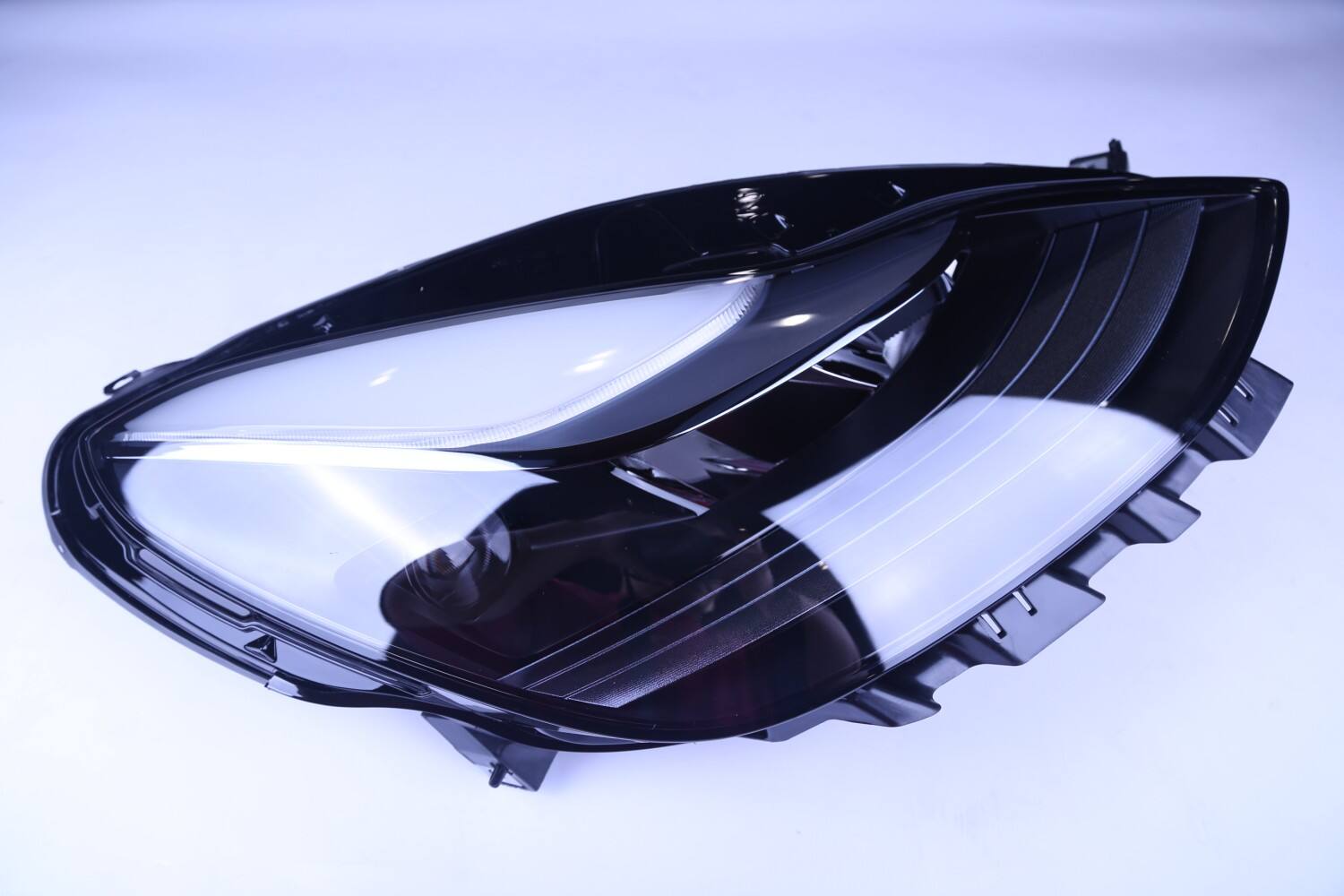
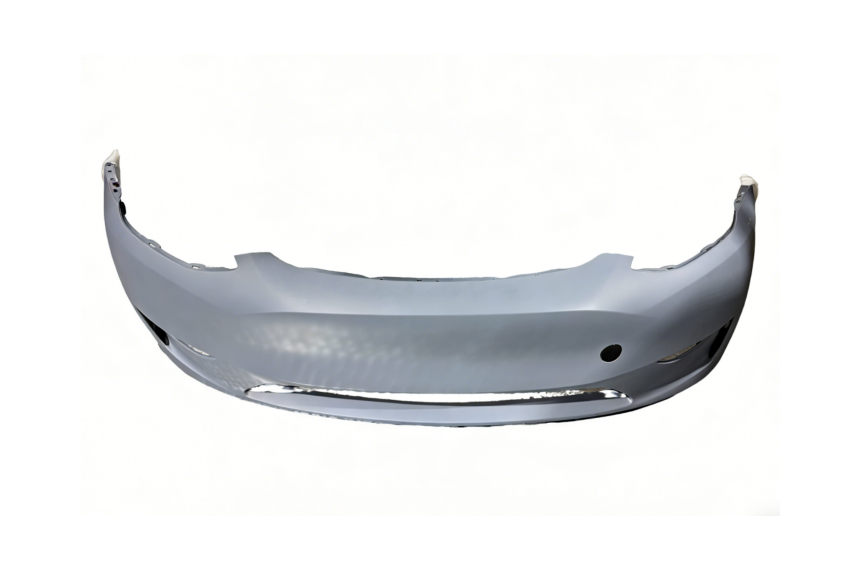
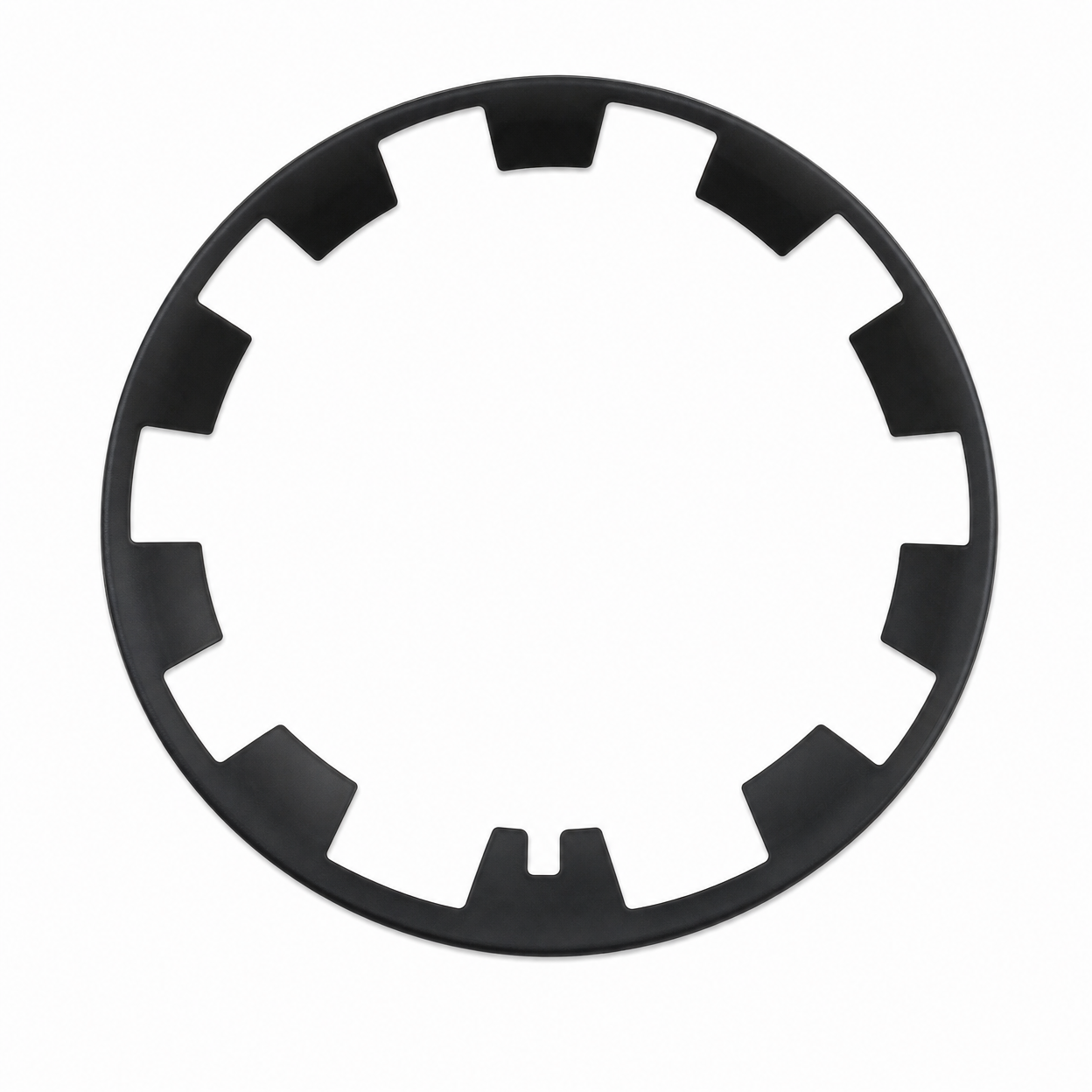
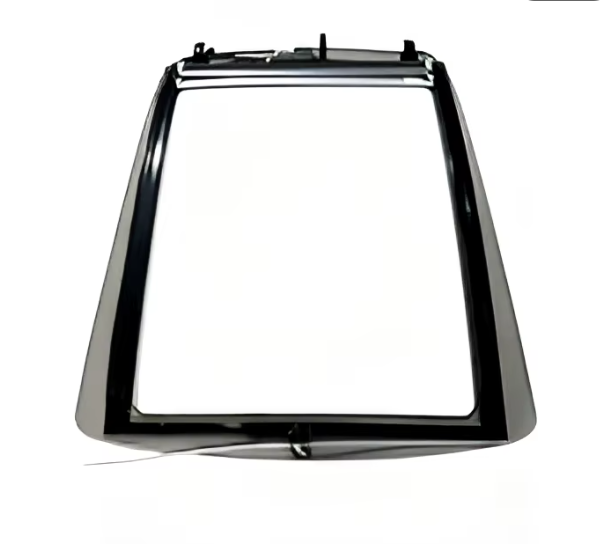
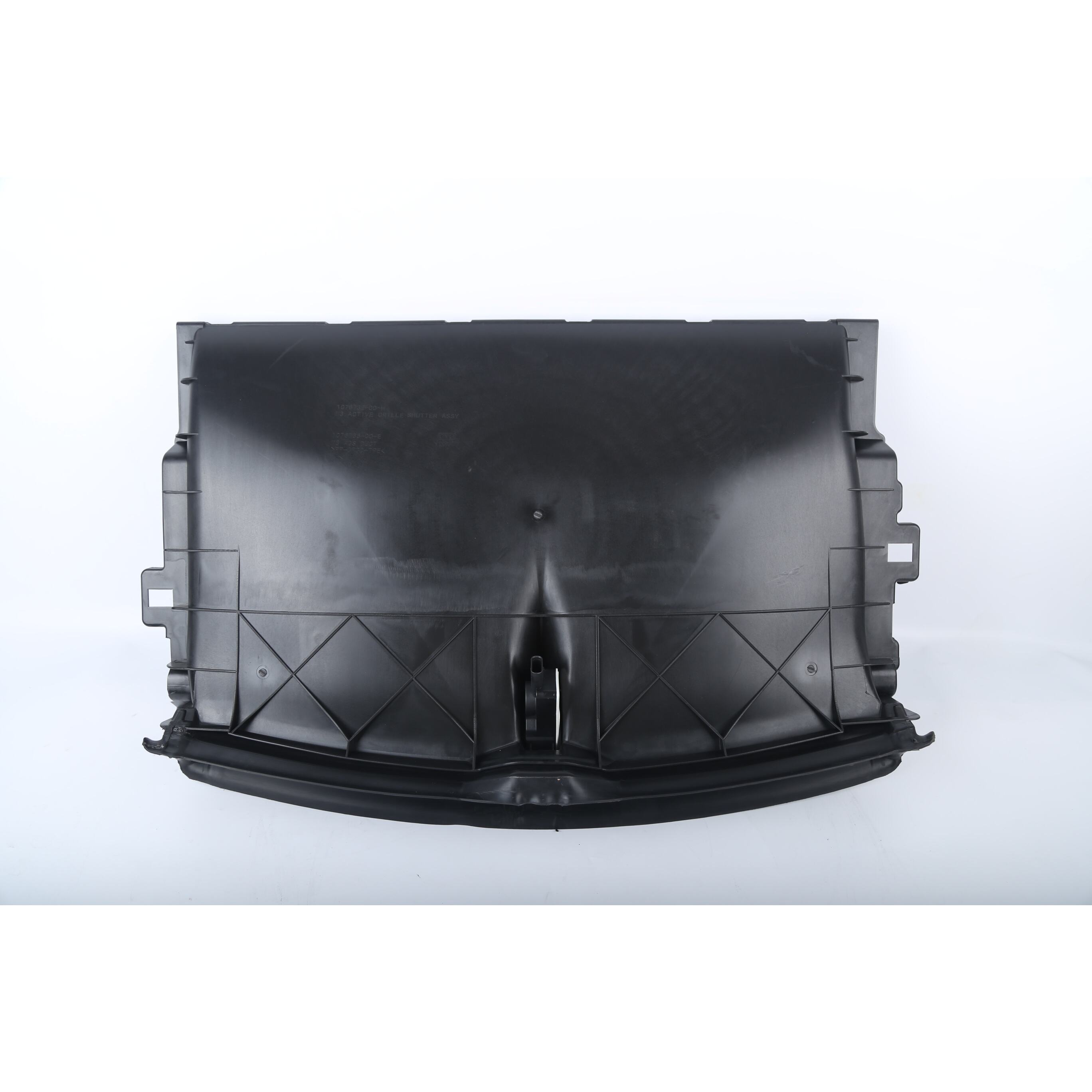
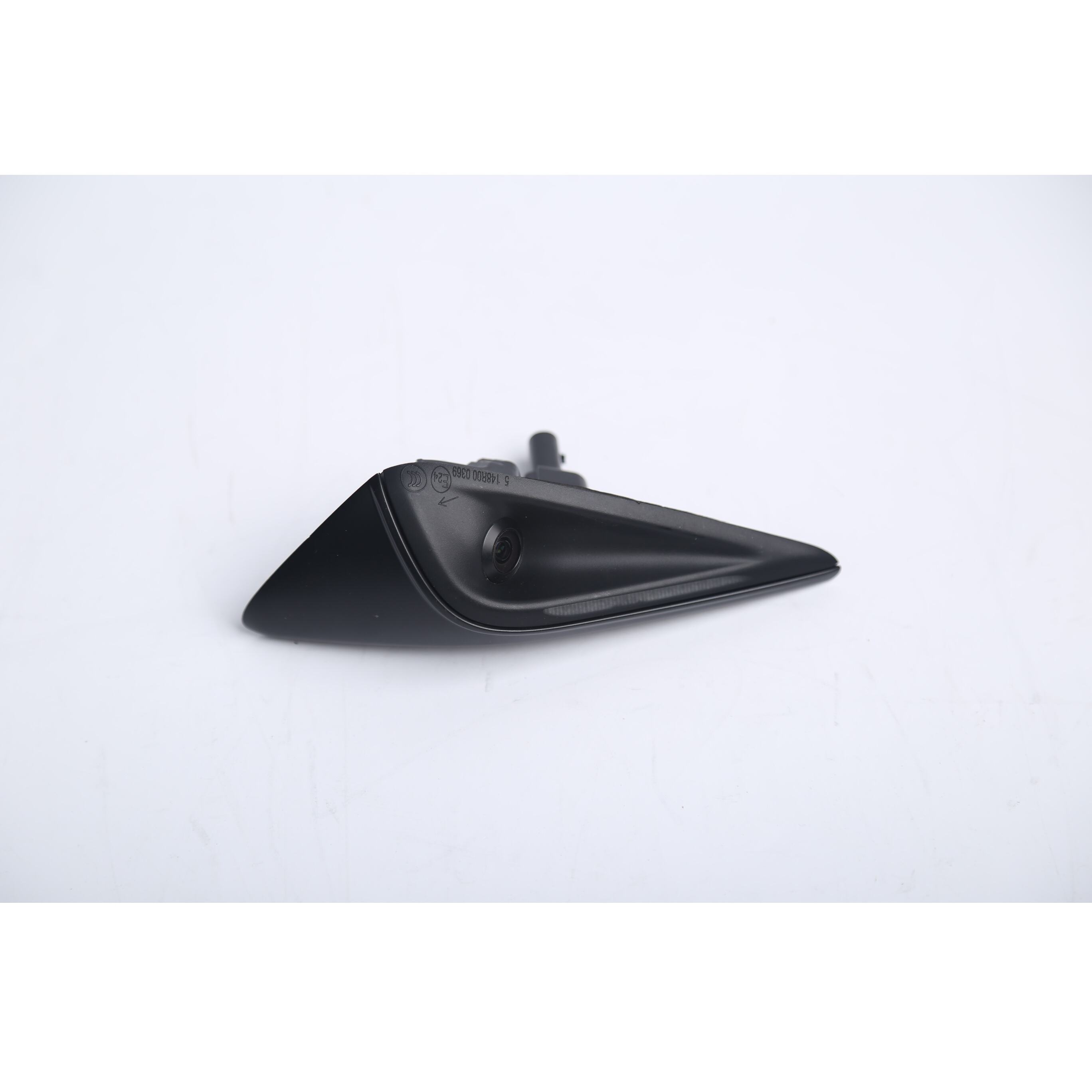
Automotive body panels represent the external structural components that form the visible surface of vehicles, serving as the critical interface between a car's internal mechanics and the outside world. These panels encompass doors, hoods, fenders, roofs, trunk lids, and quarter panels that collectively define a vehicle's aesthetic appearance and protective shell. Modern automotive body panels are engineered using advanced materials such as high-strength steel, aluminum alloys, carbon fiber composites, and specialized plastics to achieve optimal performance characteristics. The primary functions of automotive body panels extend beyond mere visual appeal, as they provide essential protection for passengers and internal components against external impacts, weather conditions, and road debris. These panels contribute significantly to the vehicle's aerodynamic efficiency by reducing drag coefficients and improving fuel economy through carefully designed contours and surfaces. Structural integrity is another vital function, as automotive body panels work in conjunction with the vehicle's frame to absorb and distribute impact forces during collisions, enhancing occupant safety. The technological features incorporated into contemporary automotive body panels include corrosion-resistant coatings, lightweight construction techniques, and precision manufacturing processes that ensure consistent quality and dimensional accuracy. Advanced stamping and forming technologies allow manufacturers to create complex panel shapes that maximize strength while minimizing weight, directly impacting vehicle performance and efficiency. Applications of automotive body panels span across all vehicle categories, from compact passenger cars to heavy-duty commercial trucks, with each application demanding specific material properties and design considerations. The automotive industry continues to innovate in body panel technology, introducing smart panels with integrated sensors, self-healing paint finishes, and modular designs that facilitate easier repairs and replacements. Environmental considerations have driven the development of recyclable materials and sustainable manufacturing processes for automotive body panels, aligning with global initiatives for reducing carbon footprints. The evolution of electric vehicles has further influenced body panel design, with manufacturers exploring aerodynamic shapes and lightweight materials to maximize battery range and performance capabilities.






 EN
EN