Premium Rear Body Panel Solutions - Durable Automotive Body Components for Enhanced Vehicle Performance and Protection

Get a Free Quote

Our representative will contact you soon.
Email
Name
Company Name
Message
0/1000

rear body panel

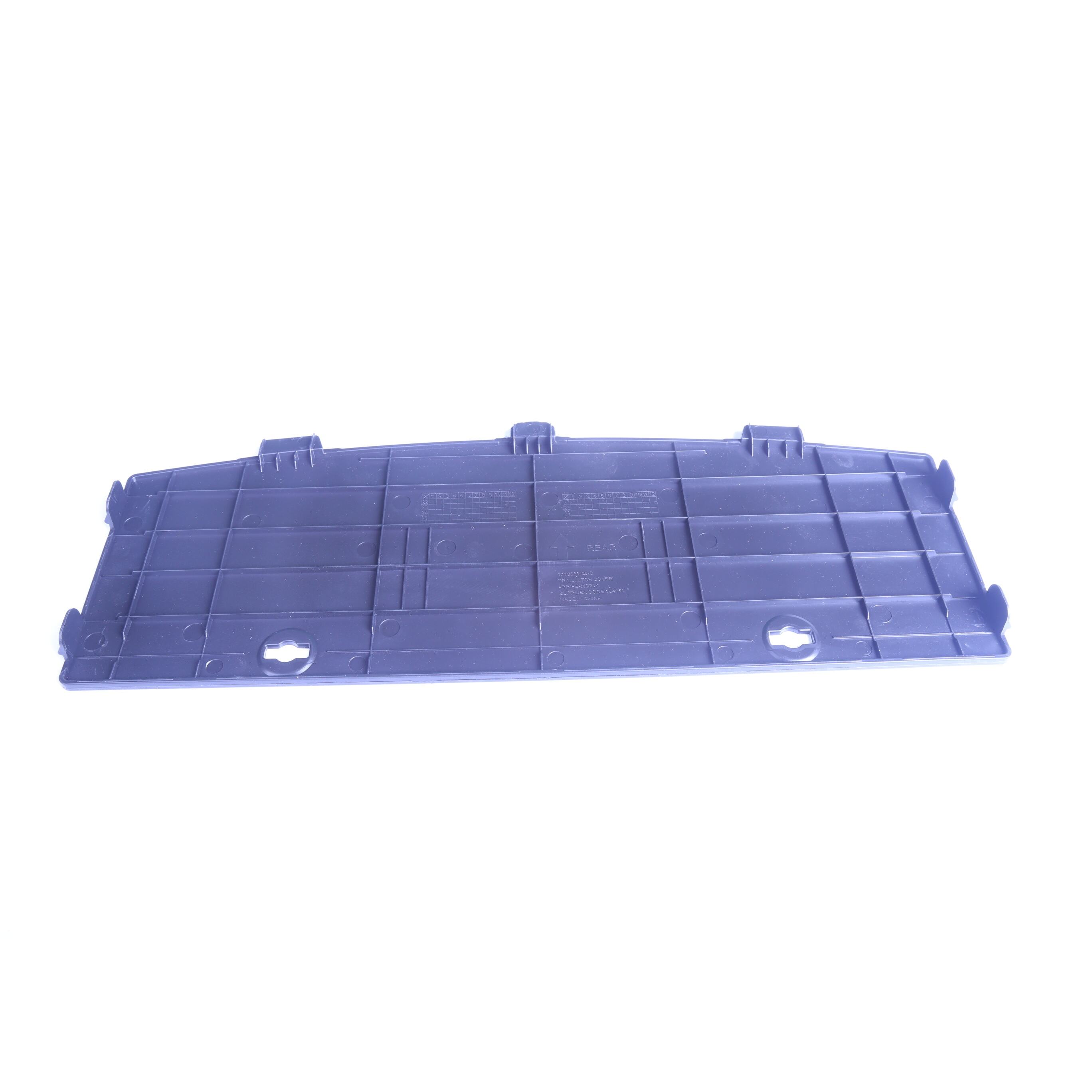
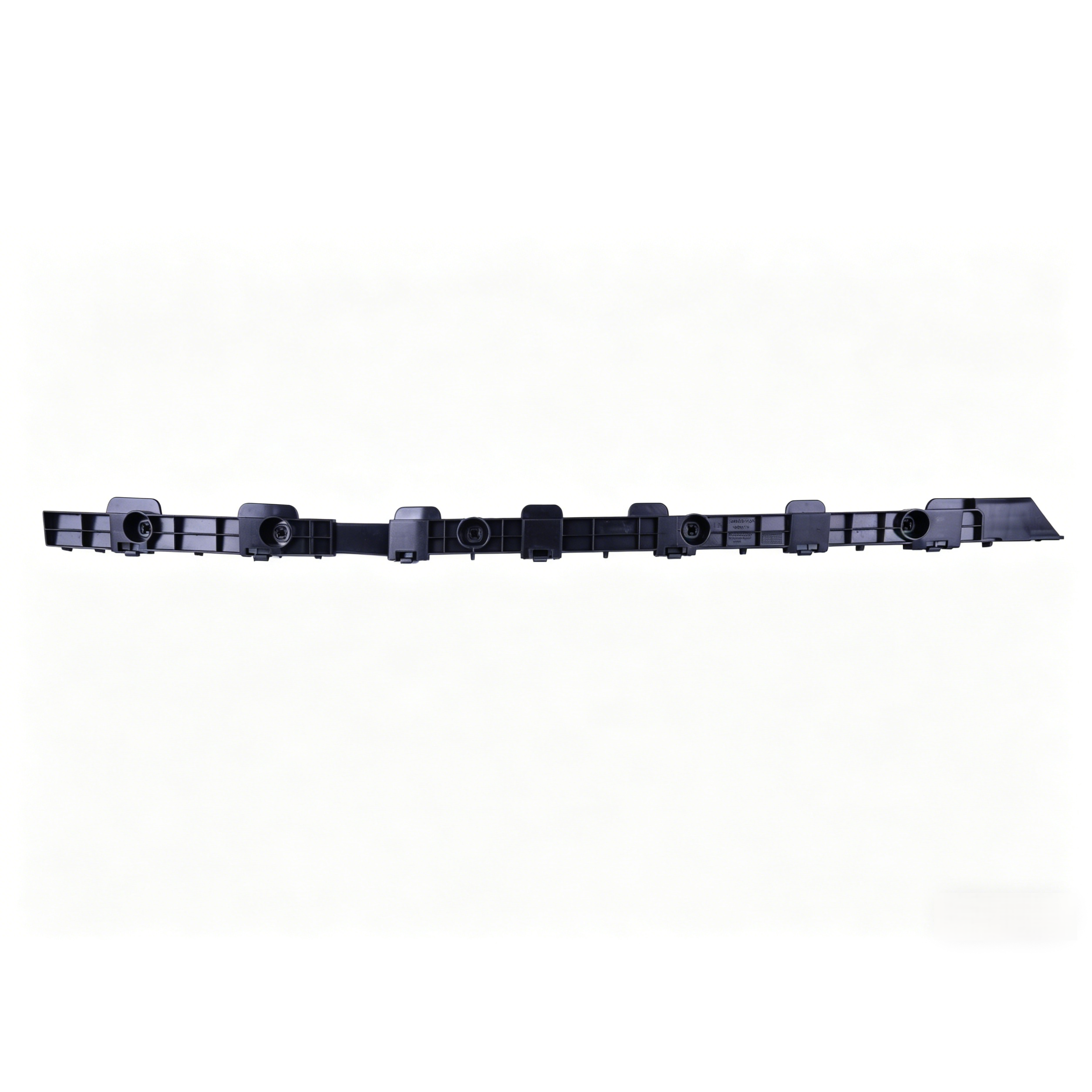
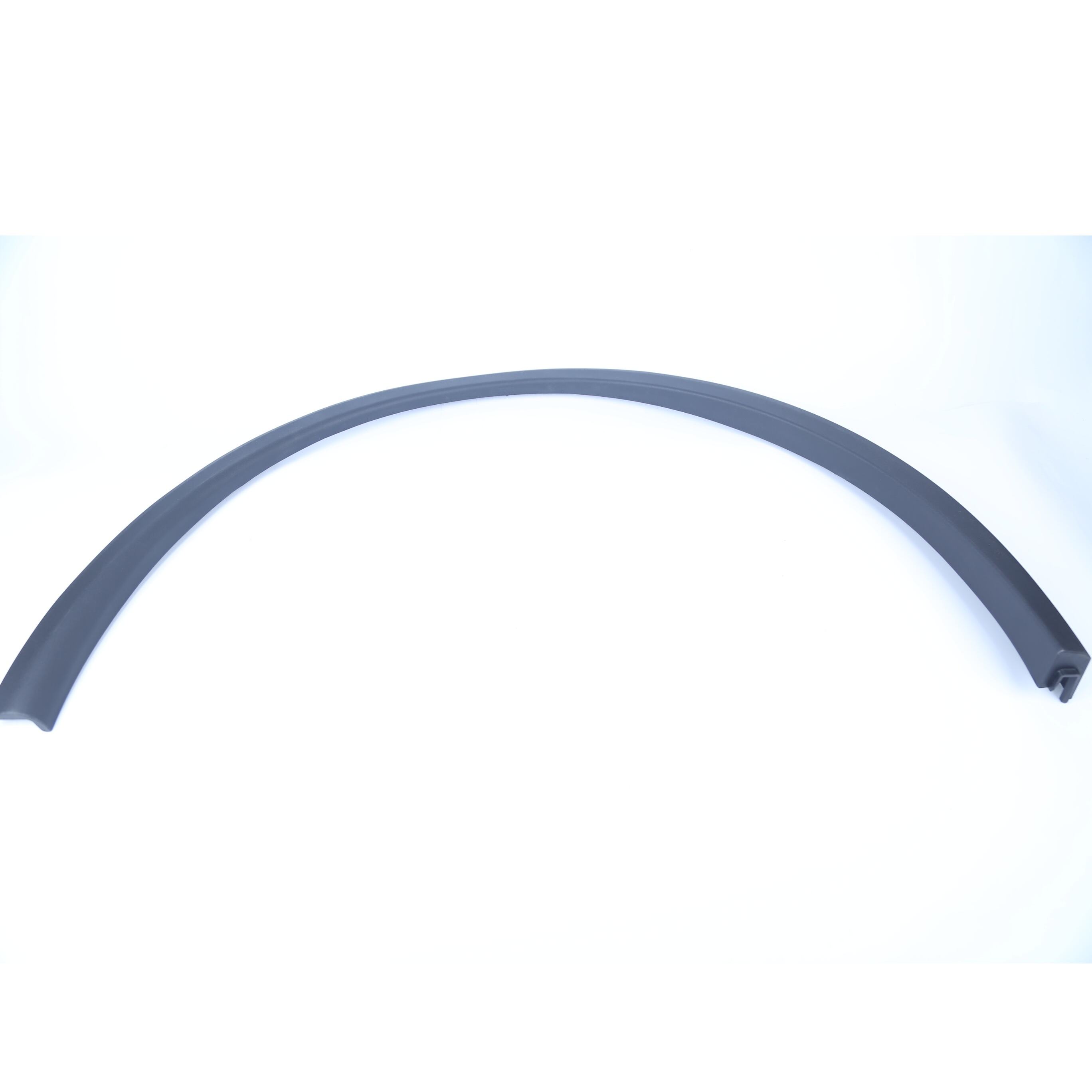
The rear body panel represents a critical structural and aesthetic component in modern vehicle design, serving as the finishing element that spans the back section of automobiles. This essential automotive part forms the visible exterior surface between the rear bumper and the trunk lid or tailgate, contributing significantly to both the vehicle's appearance and functional integrity. The rear body panel plays a multifaceted role in vehicle construction, combining structural support with aerodynamic efficiency and visual appeal. Manufactured using advanced materials such as high-strength steel, aluminum alloys, or composite plastics, this component undergoes precision engineering to meet strict safety standards and quality requirements. The technological features integrated into contemporary rear body panels include stamping processes that create complex contours, corrosion-resistant coatings that extend longevity, and mounting points for various accessories including lights, sensors, and trim pieces. The panel accommodates license plate holders, backup camera housings, and parking sensor installations, making it a hub for modern safety and convenience technologies. Applications of the rear body panel extend across all vehicle categories, from compact sedans to sport utility vehicles and commercial trucks. Each application demands specific design considerations based on vehicle function, loading requirements, and aesthetic preferences. The manufacturing process involves sophisticated die-stamping techniques that ensure dimensional accuracy and consistent quality across production runs. Modern rear body panels often incorporate energy-absorbing zones that enhance crash protection while maintaining structural rigidity during normal operation. The surface preparation and painting processes applied to rear body panels employ multiple layers of protection, including electrocoating primers, color coats, and clear protective finishes that resist environmental damage. This component integrates seamlessly with surrounding body panels through precise engineering tolerances and mounting systems that facilitate assembly while ensuring proper alignment and gap consistency throughout the vehicle's service life.


New Products

Choosing a quality rear body panel delivers substantial benefits that directly impact vehicle performance, safety, and long-term ownership satisfaction. The durability advantage stands paramount, as properly manufactured rear body panels resist the constant exposure to road debris, weather conditions, and environmental contaminants that vehicles encounter daily. This resilience translates into reduced maintenance costs and extended vehicle lifespan, providing tangible financial benefits for owners. The structural integrity provided by a well-designed rear body panel contributes to overall vehicle safety by maintaining the intended crumple zones and impact absorption characteristics engineered into modern vehicles. This protection becomes especially important during rear-end collisions, where the panel works in conjunction with other safety systems to dissipate impact forces and protect occupants. The aesthetic value cannot be overlooked, as the rear body panel significantly influences the vehicle's visual appeal and resale value. A properly fitted panel with excellent finish quality enhances the overall appearance, creating a positive impression that matters when selling or trading the vehicle. The precision engineering of modern rear body panels ensures perfect integration with lighting systems, sensors, and cameras, enabling these technologies to function optimally without interference or misalignment issues. Installation efficiency represents another practical advantage, as quality panels feature accurate mounting points and proper dimensions that simplify the replacement process and reduce labor costs. The corrosion resistance built into premium rear body panels protects against rust formation that commonly affects lower-quality alternatives, particularly in regions where roads are treated with salt during winter months. This protection maintains structural integrity and prevents unsightly deterioration that compromises both function and appearance. The weight optimization achieved through advanced materials and design techniques contributes to improved fuel efficiency without sacrificing strength or protection capabilities. Modern rear body panels accommodate the increasing array of technological features found in contemporary vehicles, including rear parking assistance systems, blind-spot monitoring sensors, and adaptive lighting systems. The flexibility in design allows manufacturers to create distinctive styling elements that differentiate vehicle models while maintaining the practical benefits of proper fit and function. Environmental considerations also factor into the advantages, as recyclable materials and sustainable manufacturing processes reduce the ecological impact associated with vehicle production and eventual recycling at end-of-life.

Latest News

Consolidating Foundations, Forging New Paths, Gathering Momentum for Breakthroughs - Jiapei's Two Grand Events of 2026 Conclude Successfully

09

Apr

Consolidating Foundations, Forging New Paths, Gathering Momentum for Breakthroughs - Jiapei's Two Grand Events of 2026 Conclude Successfully

View More
Shanghai Jiapei Partners with Mahle to Launch a New Journey in China's Chassis Aftermarket

07

Apr

Shanghai Jiapei Partners with Mahle to Launch a New Journey in China's Chassis Aftermarket

View More
Jiapei's 2025 Yan'an Summit Concludes Successfully: Empowered by Red Gene, Embarking on a New Journey of

28

Apr

Jiapei's 2025 Yan'an Summit Concludes Successfully: Empowered by Red Gene, Embarking on a New Journey of "Nurturing Ambition, Securing Customer Trust, Forging the Future"

View More

Get a Free Quote

Our representative will contact you soon.
Email
Name
Company Name
Message
0/1000

rear body panel

Advanced Material Engineering and Manufacturing Excellence

Advanced Material Engineering and Manufacturing Excellence

The rear body panel benefits from cutting-edge material science and manufacturing processes that deliver exceptional performance characteristics unavailable in previous generations of automotive components. Modern production facilities employ computer-controlled stamping presses that achieve tolerances measured in fractions of millimeters, ensuring each panel maintains perfect dimensional accuracy for seamless integration into vehicle assembly lines. The material selection process considers multiple factors including strength-to-weight ratios, formability, and corrosion resistance, resulting in panels that outperform traditional designs while reducing overall vehicle weight. High-strength steel alloys commonly used in rear body panel construction provide superior impact resistance compared to conventional steel, absorbing collision energy more effectively while maintaining structural integrity. Alternative materials such as aluminum alloys offer weight reduction benefits that contribute to improved fuel economy and reduced emissions, addressing both economic and environmental concerns. The stamping process itself represents a technological achievement, with progressive dies that form complex three-dimensional shapes through multiple forming stages, creating the contours and features necessary for modern vehicle design. Surface treatments applied during manufacturing include zinc phosphate conversion coatings that create a foundation for paint adhesion while providing inherent corrosion protection that extends panel life significantly. The electrocoating process follows, where the panel receives an electrically applied primer coat that reaches every surface including hidden areas inaccessible to conventional painting methods, ensuring comprehensive protection against rust formation. Quality control measures implemented throughout production include laser measurement systems that verify dimensional accuracy, ultrasonic testing that detects material flaws, and visual inspections that ensure surface quality meets specifications. These rigorous standards result in rear body panels that consistently meet or exceed original equipment manufacturer requirements, providing buyers with confidence in their purchase. The manufacturing flexibility built into modern production systems allows for efficient creation of panels for various vehicle models, reducing costs through economies of scale while maintaining the customization necessary for specific applications.
Comprehensive Integration with Vehicle Safety and Technology Systems

Comprehensive Integration with Vehicle Safety and Technology Systems

The rear body panel serves as a critical mounting platform and integration point for numerous safety and convenience technologies that define modern vehicle functionality. This component accommodates rear-view camera systems that have become standard equipment on new vehicles, providing precisely positioned housings that maintain optimal viewing angles while protecting sensitive electronic components from environmental exposure. The panel structure incorporates mounting bosses and reinforcements specifically engineered to support the weight and operational forces of powered tailgates and trunk lids, ensuring smooth operation throughout the vehicle's lifetime. Parking sensor systems rely on the rear body panel for proper positioning, with carefully designed recesses that maintain the exact spacing and angles necessary for accurate distance measurement and object detection. These sensors must be positioned with extreme precision, as even minor deviations can affect system performance and reliability. The electrical integration extends to lighting systems, where the rear body panel provides mounting points and wire routing channels for brake lights, turn signals, reverse lights, and increasingly sophisticated adaptive lighting systems that adjust beam patterns based on driving conditions. The structural design considers the stress concentrations that occur around these mounting points, incorporating reinforcements that prevent fatigue cracking and maintain long-term reliability. Modern rear body panels also accommodate radar sensors used for collision avoidance systems and adaptive cruise control, requiring specific material properties that allow radio frequency signals to pass through without interference or attenuation. The integration complexity extends to aesthetic elements such as chrome trim, badges, and decorative panels that enhance visual appeal while maintaining the functional integrity of the underlying structure. Mounting systems for these accessories incorporate clips, fasteners, and adhesive bonding surfaces engineered to provide secure attachment without damaging the panel finish or compromising structural properties. The panel design must also consider thermal expansion and contraction, ensuring that all integrated components maintain proper function across the extreme temperature variations vehicles experience throughout their service lives. Water management features built into the rear body panel design prevent moisture intrusion that could damage electronic components or cause corrosion, incorporating drainage channels and sealed penetrations that direct water away from vulnerable areas.
Long-Term Value Through Durability and Maintenance Advantages

Long-Term Value Through Durability and Maintenance Advantages

The investment in a quality rear body panel yields substantial long-term value through exceptional durability characteristics and reduced maintenance requirements that benefit vehicle owners throughout the ownership period. The multi-layer protection system applied to premium rear body panels begins with the substrate material selection, continues through corrosion-resistant treatments, and culminates in advanced paint systems that resist fading, chipping, and environmental degradation. This comprehensive approach to protection ensures that the panel maintains its appearance and structural integrity even after years of exposure to harsh conditions including ultraviolet radiation, acid rain, road salt, and temperature extremes. The economic advantages become apparent when comparing the lifespan of quality panels against inferior alternatives that require premature replacement due to rust perforation, paint failure, or structural weakness. Vehicle owners benefit from reduced total cost of ownership, as the initial investment in a superior rear body panel eliminates the expenses associated with repeated repairs or replacements. The maintenance advantages extend to cleaning and care, as the high-quality finish resists dirt accumulation and cleans easily with standard washing procedures, maintaining the vehicle's appearance without requiring special treatments or professional detailing services. The structural stability provided by properly manufactured rear body panels prevents the common problems associated with poor-quality alternatives, including misaligned trunk lids, gaps that allow water and dust intrusion, and rattles or squeaks that develop over time. These issues not only affect owner satisfaction but can also lead to secondary problems such as water damage to interior components or premature wear of weatherstripping and seals. The dimensional stability of premium rear body panels ensures that all attached components continue to fit properly throughout the vehicle's life, preventing the cascading failures that occur when one component's deterioration affects surrounding parts. Resale value considerations make the choice of quality rear body panels even more compelling, as prospective buyers recognize vehicles with well-maintained exterior panels and intact protective coatings as superior investments compared to vehicles showing signs of corrosion or poor repair work. The appearance of the rear body panel significantly influences buyer perceptions, as this highly visible component creates immediate impressions about overall vehicle condition and care. Insurance considerations also factor into the long-term value equation, as vehicles equipped with quality replacement panels maintain higher assessed values and may qualify for lower premiums compared to vehicles with substandard repairs or obvious damage.

Get a Free Quote

Our representative will contact you soon.
Email
Name
Company Name
Message
0/1000