Premium Car Bumper Components - Advanced Protection and Integration Solutions

Get a Free Quote

Our representative will contact you soon.
Email
Name
Company Name
Message
0/1000

car bumper components

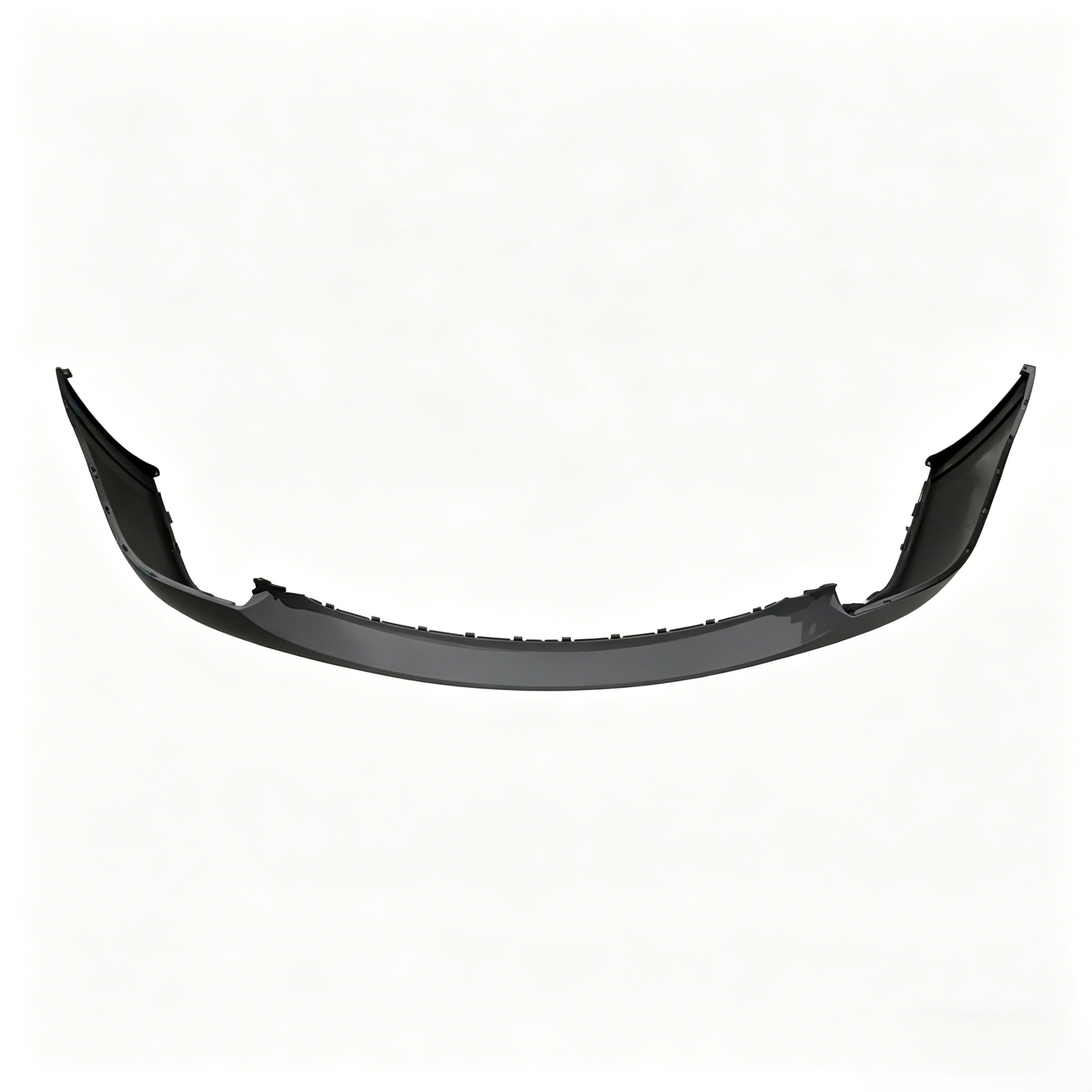
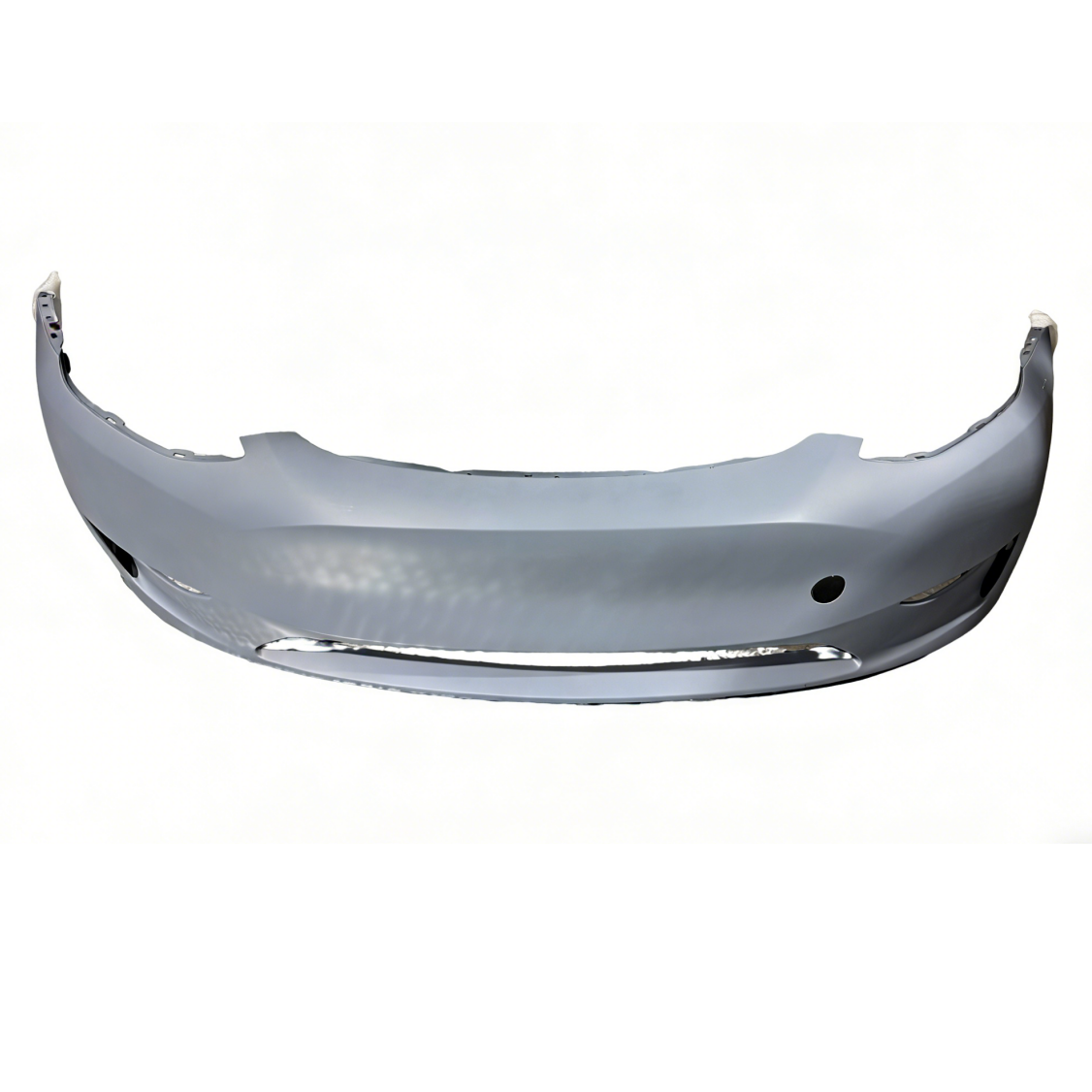
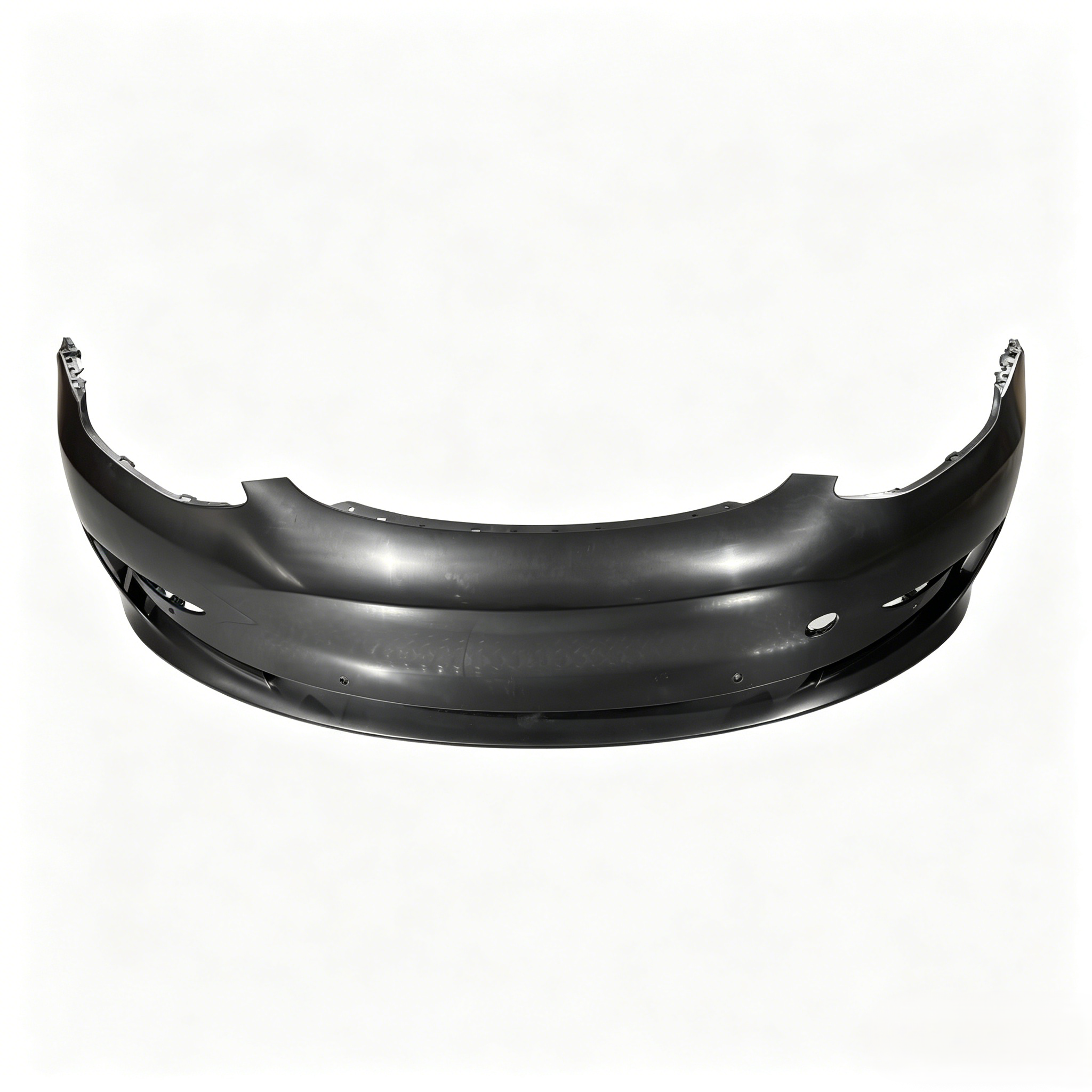
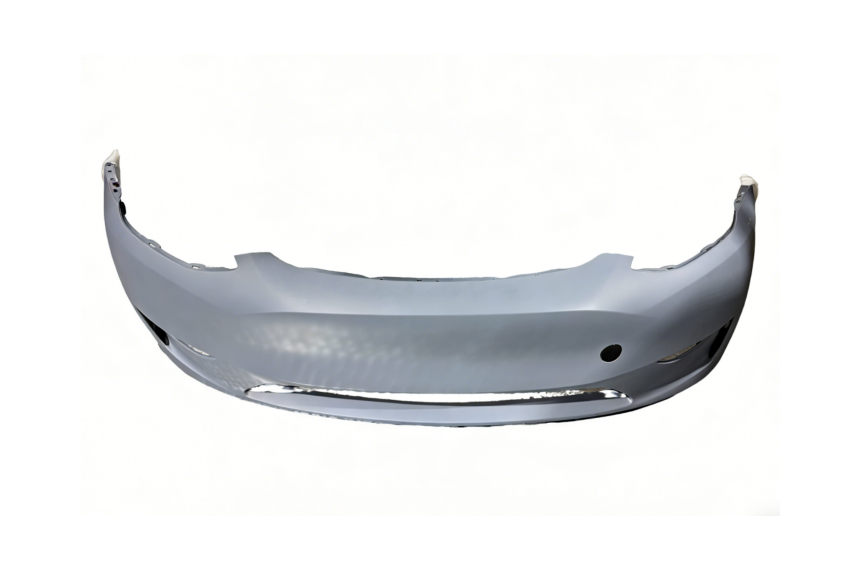
Car bumper components represent critical safety and aesthetic elements in modern vehicle design, serving as the first line of defense during collisions while contributing significantly to overall vehicle appearance. These sophisticated assemblies consist of multiple integrated parts working together to protect both passengers and pedestrians. The primary structure includes the bumper beam, typically constructed from reinforced steel or aluminum, which absorbs and distributes impact forces across the vehicle's frame. Surrounding this core element, car bumper components feature energy-absorbing foam or plastic cushions that compress during collisions, reducing the severity of impacts. The outer bumper cover, manufactured from flexible plastics like polypropylene or thermoplastic olefin, provides the visible surface that matches the vehicle's design language while offering weather resistance and minor impact protection. Modern car bumper components integrate mounting brackets, reinforcement bars, and crash boxes that crumple in controlled patterns to dissipate energy effectively. Advanced systems now incorporate sensors for parking assistance, radar units for adaptive cruise control, and camera housings for surround-view monitoring. The technological evolution of car bumper components has transformed them from simple protective bars into complex multi-functional systems. These components must meet stringent safety regulations while maintaining lightweight construction to support fuel efficiency goals. Manufacturing processes employ injection molding, compression molding, and advanced bonding techniques to create durable, cost-effective parts. The integration of pedestrian protection features has become mandatory in many markets, with car bumper components designed to minimize injury severity through specific deformation characteristics. Paint compatibility, UV resistance, and thermal stability ensure long-term appearance retention. Installation considerations include precise fitment tolerances, clip and fastener systems, and alignment with adjacent body panels. Car bumper components continue evolving with electric vehicle requirements, autonomous driving technologies, and sustainable material innovations driving next-generation designs.


New Product Recommendations

Car bumper components deliver substantial benefits that directly impact vehicle safety, maintenance costs, and driving experience. The most immediate advantage comes from collision protection, where these components absorb impact energy during accidents, preventing damage to more expensive parts like radiators, engines, and frame structures. This protective function translates into lower repair costs for minor collisions, as replacing car bumper components costs significantly less than repairing core mechanical systems. Drivers benefit from enhanced pedestrian safety features built into modern designs, with energy-absorbing structures that reduce injury severity during accidents, providing peace of mind and regulatory compliance. The integration of advanced sensors within car bumper components enables convenient parking assistance, automatically detecting obstacles and alerting drivers to prevent scrapes and collisions in tight spaces. This technology reduces insurance claims and maintains vehicle resale value by preventing cosmetic damage. Aesthetic versatility represents another key advantage, with car bumper components available in various styles, finishes, and colors that allow personalization while maintaining structural integrity. The lightweight construction of contemporary components improves fuel efficiency by reducing overall vehicle weight without compromising protection capabilities. Durability characteristics ensure car bumper components withstand daily wear, including stone chips, minor impacts, weather exposure, and chemical exposure from road salts and cleaning products. Replacement accessibility makes repairs straightforward, with standardized mounting systems allowing quick installation without specialized tools or extensive labor. Environmental benefits emerge from recyclable materials used in manufacturing, with many car bumper components incorporating recycled plastics that reduce environmental impact while maintaining performance standards. Aerodynamic optimization built into component design reduces wind resistance, contributing to improved fuel economy and reduced noise levels at highway speeds. The modular nature of car bumper components facilitates easy upgrades and customization, allowing vehicle owners to refresh appearance or add functional features without complete vehicle modifications. Corrosion resistance ensures longevity in harsh climates, protecting underlying structures from rust and deterioration. Insurance companies often recognize vehicles with advanced bumper systems through reduced premiums due to lower claim frequencies and repair costs. The shock-absorption capabilities protect passengers by preventing sudden deceleration forces from reaching the cabin during low-speed impacts. Car bumper components also serve as mounting points for auxiliary lighting, towing equipment, and license plates, adding functional versatility beyond basic protection.

Latest News

Consolidating Foundations, Forging New Paths, Gathering Momentum for Breakthroughs - Jiapei's Two Grand Events of 2026 Conclude Successfully

09

Apr

Consolidating Foundations, Forging New Paths, Gathering Momentum for Breakthroughs - Jiapei's Two Grand Events of 2026 Conclude Successfully

View More
Shanghai Jiapei Partners with Mahle to Launch a New Journey in China's Chassis Aftermarket

07

Apr

Shanghai Jiapei Partners with Mahle to Launch a New Journey in China's Chassis Aftermarket

View More
Jiapei's 2025 Yan'an Summit Concludes Successfully: Empowered by Red Gene, Embarking on a New Journey of

28

Apr

Jiapei's 2025 Yan'an Summit Concludes Successfully: Empowered by Red Gene, Embarking on a New Journey of "Nurturing Ambition, Securing Customer Trust, Forging the Future"

View More

Get a Free Quote

Our representative will contact you soon.
Email
Name
Company Name
Message
0/1000

car bumper components

Advanced Impact Protection and Energy Absorption Technology

Advanced Impact Protection and Energy Absorption Technology

Car bumper components incorporate sophisticated engineering principles designed to maximize occupant protection while minimizing vehicle damage during collisions. The multi-layer construction begins with high-strength steel or aluminum reinforcement beams that form the structural backbone, strategically positioned to distribute impact forces across the vehicle's strongest points. These beams undergo precision manufacturing processes including hydroforming and roll-forming to achieve optimal strength-to-weight ratios. Between the reinforcement beam and outer cover, car bumper components feature specialized energy-absorbing materials such as expanded polypropylene foam, polyurethane foam, or honeycomb structures that compress in controlled patterns during impacts. This progressive crushing behavior allows the components to absorb kinetic energy gradually, reducing peak forces transmitted to the vehicle structure and passengers. The outer bumper cover, while primarily aesthetic, contributes to the protective system through flexible materials that deform and return to shape after minor impacts, preventing permanent damage from shopping carts, parking bumps, and low-speed collisions. Engineering simulations and crash testing validate that car bumper components meet regulatory standards including Federal Motor Vehicle Safety Standards and European pedestrian protection requirements. The integration of crash boxes or crush cans at mounting points provides additional controlled deformation zones, acting as mechanical fuses that absorb energy before it reaches the frame rails. This design philosophy protects expensive structural repairs while allowing relatively inexpensive replacement of car bumper components after significant impacts. Modern designs incorporate specific zones with varying stiffness characteristics, with softer areas positioned at pedestrian leg height to reduce injury severity, while stiffer sections protect vehicle components. The materials selected for car bumper components balance multiple requirements including impact resistance, temperature stability, chemical resistance, and long-term durability. Thermoplastic materials like polypropylene offer excellent impact properties across wide temperature ranges, maintaining flexibility in cold climates while resisting deformation in heat. Advanced composite materials increasingly appear in premium applications, offering superior strength with reduced weight. The protective value extends beyond collision scenarios to everyday driving, where car bumper components shield vulnerable components from road debris, gravel, and environmental hazards that would otherwise cause costly damage.
Seamless Integration with Advanced Driver Assistance Systems

Seamless Integration with Advanced Driver Assistance Systems

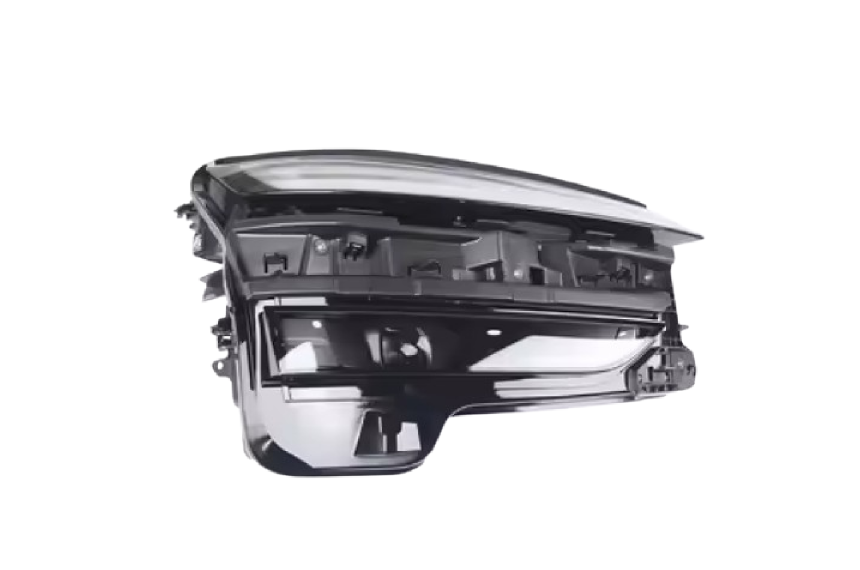
Modern car bumper components serve as essential mounting platforms and protective housings for sophisticated electronic systems that enhance driving safety and convenience. The strategic placement of sensors within bumper structures enables optimal performance of parking assistance, blind-spot monitoring, adaptive cruise control, and collision avoidance systems. Ultrasonic parking sensors embedded in car bumper components emit sound waves to detect nearby objects, providing audible and visual warnings that help drivers navigate tight parking spaces with confidence. These sensors require precise positioning and calibration, with bumper designs incorporating dedicated mounting locations that maintain proper angles and clearances. Radar units integrated into car bumper components operate at millimeter-wave frequencies to detect vehicles, pedestrians, and obstacles at varying distances, enabling adaptive cruise control systems to maintain safe following distances automatically. The bumper structure provides weather protection for these sensitive electronics while ensuring electromagnetic transparency that allows radar signals to transmit and receive without interference. Camera systems increasingly mount within or behind car bumper components, offering wide-angle views for 360-degree monitoring systems that assist with parking, lane changes, and low-speed maneuvering. The design of modern car bumper components accounts for sensor integration from initial concept stages, with aerodynamic considerations balanced against sensor field-of-view requirements. Heating elements embedded in sensor areas prevent ice and snow accumulation that would impair functionality in winter conditions. Wiring harnesses route cleanly through bumper structures, connecting sensors to vehicle control modules while maintaining water resistance through sealed connectors and protective channels. The modular architecture of contemporary car bumper components allows sensor packages to be added or upgraded as vehicle trim levels vary or as technology advances. Collision mitigation systems rely on bumper-mounted sensors to detect imminent impacts and trigger automatic braking or steering interventions, potentially preventing accidents or reducing severity. The integration challenge requires car bumper components to maintain structural integrity and crash performance while accommodating electronic components that must survive impacts without creating hazards. Careful material selection ensures bumper plastics remain radar-transparent across required frequencies while providing adequate protection. The aesthetic integration of sensors into car bumper components demonstrates advanced design capabilities, with sensors either concealed behind painted surfaces or incorporated into design elements like grille patterns. This technological integration transforms car bumper components from passive protective elements into active safety systems that continuously monitor the driving environment and assist drivers in avoiding hazards.
Sustainable Manufacturing and Lifecycle Environmental Benefits

Sustainable Manufacturing and Lifecycle Environmental Benefits

Car bumper components increasingly reflect automotive industry commitments to environmental sustainability through material selection, manufacturing processes, and end-of-life recyclability. The transition toward thermoplastic materials like polypropylene and thermoplastic olefin brings significant environmental advantages compared to traditional thermoset plastics, as these materials can be remelted and reformed multiple times without substantial property degradation. Manufacturers of car bumper components now incorporate post-consumer recycled content, diverting plastic waste from landfills and reducing demand for virgin petroleum-based materials. Some component suppliers achieve recycled content levels exceeding thirty percent while maintaining performance specifications equivalent to virgin material components. The manufacturing efficiency of injection molding processes minimizes material waste, with scrap material from production immediately recycled back into the manufacturing stream. Energy consumption during production has decreased substantially through optimized molding cycles, improved insulation of processing equipment, and heat recovery systems that capture and reuse thermal energy. Lightweight design of car bumper components contributes to vehicle fuel efficiency throughout operational life, with weight reductions of several kilograms per vehicle translating to measurable decreases in fuel consumption and emissions over hundreds of thousands of kilometers. Life cycle assessments demonstrate that the operational fuel savings from lightweight car bumper components significantly outweigh any additional manufacturing energy investments. Design for disassembly principles guide modern component development, with fastening systems and material choices facilitating easy separation during end-of-life vehicle recycling. Standardized material identification markings on car bumper components enable recycling facilities to efficiently sort and process materials, maximizing recovery rates. Bio-based materials enter the supply chain as renewable alternatives to petroleum-derived plastics, with some manufacturers incorporating components derived from plant sources like castor oil or corn. These bio-materials in car bumper components reduce carbon footprint while meeting performance requirements. Water-based paint systems eliminate volatile organic compound emissions during finishing operations, improving air quality around manufacturing facilities and reducing environmental impact. Durability enhancements extend component service life, with UV stabilizers and impact modifiers ensuring car bumper components maintain appearance and performance for vehicle lifetimes exceeding fifteen years in demanding climates. Extended service life reduces replacement frequency, decreasing overall material consumption and waste generation. Closed-loop recycling programs established by component manufacturers accept damaged parts returned from repair facilities, processing them into raw material for new car bumper components. This circular economy approach maximizes resource utilization while minimizing environmental impact throughout the value chain.

Get a Free Quote

Our representative will contact you soon.
Email
Name
Company Name
Message
0/1000