Automotive Bumper: Advanced Protection, Safety Technology & Custom Design Solutions

Get a Free Quote

Our representative will contact you soon.
Email
Name
Company Name
Message
0/1000

automotive bumper

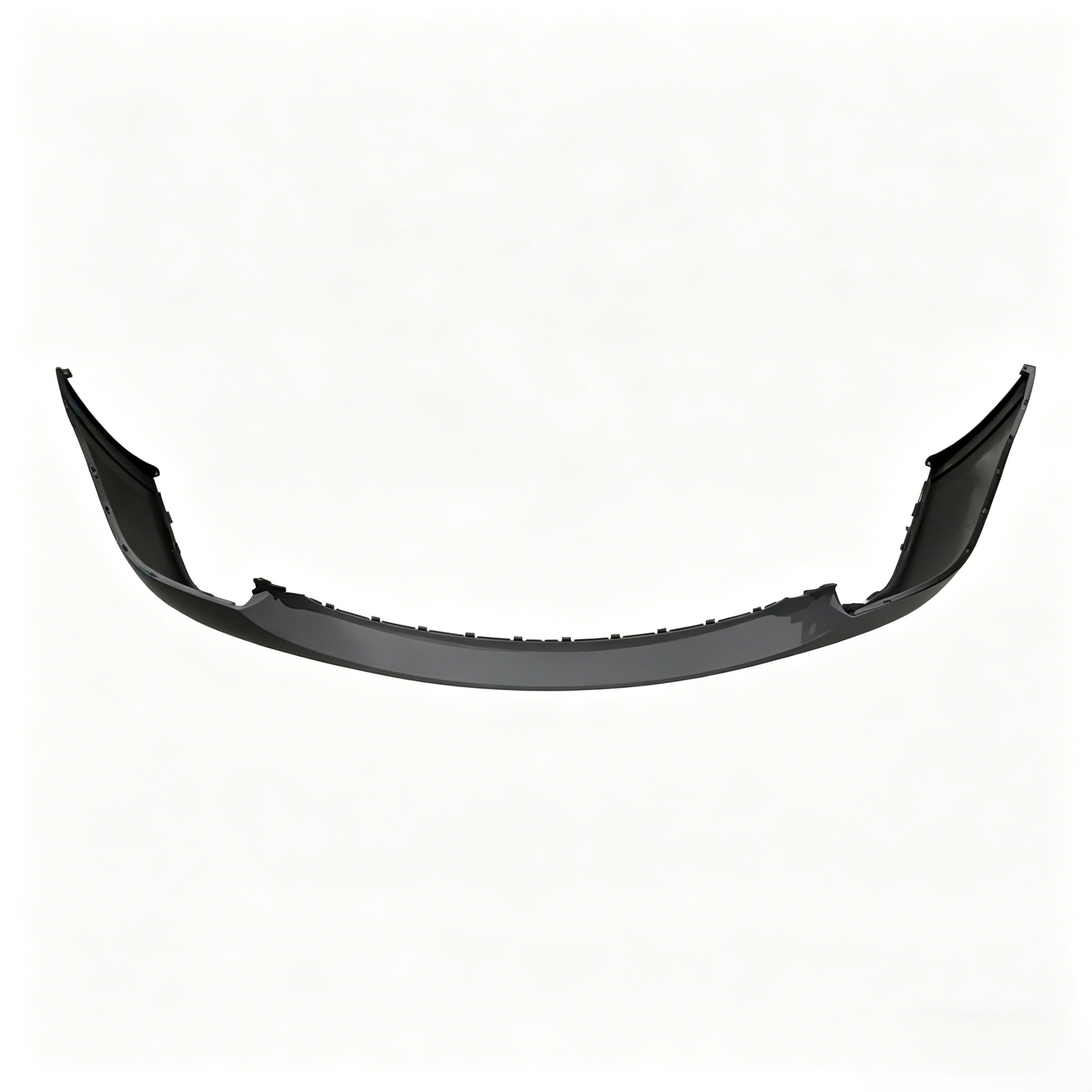
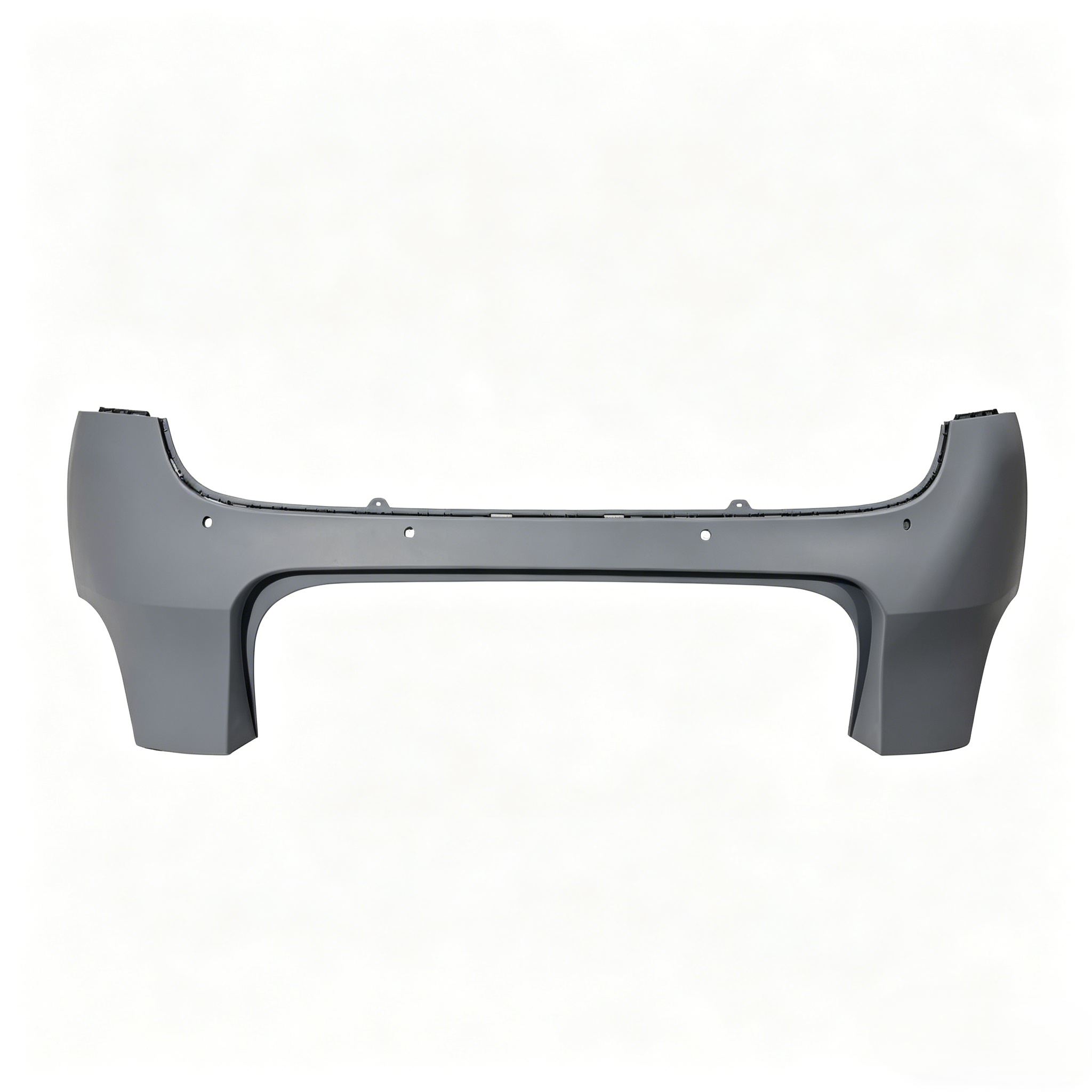
The automotive bumper represents one of the most critical safety components in modern vehicle design, serving as the first line of defense during collisions and impacts. Originally conceived as simple metal bars, today's automotive bumper has evolved into a sophisticated safety system that combines advanced materials, engineering precision, and aesthetic appeal. An automotive bumper is strategically positioned at both the front and rear of vehicles, designed to absorb and dissipate impact energy during low-speed collisions, protecting both the vehicle's structural integrity and its occupants. Modern automotive bumper systems typically consist of multiple layers, including a reinforcement bar made from steel or aluminum, an energy-absorbing foam or plastic component, and an outer fascia that provides the finished appearance. The automotive bumper plays a vital role in pedestrian safety, featuring designs that minimize injury risk during accidents. Advanced automotive bumper technology incorporates sensors for parking assistance, cameras for surround-view systems, and mounting points for radar units used in adaptive cruise control and collision avoidance systems. The materials used in automotive bumper construction have diversified significantly, with manufacturers employing thermoplastics, carbon fiber composites, and reinforced polymers to achieve optimal strength-to-weight ratios. These materials allow the automotive bumper to withstand impacts while contributing to overall vehicle fuel efficiency through weight reduction. The automotive bumper must meet stringent safety regulations across different markets, including federal standards in the United States and European Union directives. Testing procedures for automotive bumper performance include low-speed impact tests, pendulum tests, and pedestrian protection assessments. The integration of the automotive bumper with other vehicle systems demonstrates the component's evolution from a simple protective device to a multifunctional element that enhances safety, aesthetics, and technological capability in contemporary automotive design.

Popular Products

Choosing a high-quality automotive bumper provides vehicle owners with numerous practical benefits that extend far beyond basic protection. First and foremost, the automotive bumper significantly reduces repair costs by absorbing impacts during minor collisions, preventing damage to expensive components like radiators, headlights, and engine parts. When you encounter those unavoidable parking lot mishaps or low-speed fender benders, your automotive bumper takes the hit so your wallet does not have to bear the full burden of extensive repairs. The energy-absorbing properties of modern automotive bumper designs mean that impacts that would have once caused thousands of dollars in damage now result in minimal repair expenses. Beyond cost savings, the automotive bumper enhances overall vehicle safety for everyone on the road. The carefully engineered structure protects passengers by preventing intrusion into the cabin during rear-end collisions, while the front automotive bumper shields critical mechanical systems that keep your vehicle operational after minor impacts. Families particularly benefit from these protective features, as the automotive bumper provides peace of mind knowing that loved ones have an extra layer of security. The automotive bumper also contributes to pedestrian safety through specialized designs that reduce injury severity during accidents, making roads safer for everyone in the community. Modern automotive bumper systems integrate seamlessly with advanced driver assistance technologies, housing sensors and cameras that help prevent accidents before they occur. These embedded systems provide parking assistance, blind spot detection, and collision warnings, transforming the automotive bumper from a passive protective device into an active safety component. Vehicle owners also enjoy aesthetic advantages, as the automotive bumper significantly influences overall vehicle appearance and can be customized to reflect personal style preferences. Replacement options range from standard designs to sport-styled variants, allowing owners to personalize their vehicles while maintaining protection. The automotive bumper improves resale value by keeping the vehicle looking well-maintained and structurally sound, as potential buyers recognize the importance of intact, functional protective systems. Environmental benefits also emerge from modern automotive bumper technology, as lightweight materials reduce fuel consumption and emissions throughout the vehicle's lifetime. Recyclable materials used in automotive bumper construction support sustainability efforts, allowing components to be repurposed rather than ending up in landfills. Insurance companies often recognize vehicles with superior automotive bumper systems through reduced premiums, as these components demonstrably reduce claim frequencies and severities. The practical advantages of investing in quality automotive bumper products create lasting value for vehicle owners through protection, savings, safety, and enhanced driving experiences.

Latest News

Consolidating Foundations, Forging New Paths, Gathering Momentum for Breakthroughs - Jiapei's Two Grand Events of 2026 Conclude Successfully

09

Apr

Consolidating Foundations, Forging New Paths, Gathering Momentum for Breakthroughs - Jiapei's Two Grand Events of 2026 Conclude Successfully

View More
Shanghai Jiapei Partners with Mahle to Launch a New Journey in China's Chassis Aftermarket

07

Apr

Shanghai Jiapei Partners with Mahle to Launch a New Journey in China's Chassis Aftermarket

View More
Jiapei's 2025 Yan'an Summit Concludes Successfully: Empowered by Red Gene, Embarking on a New Journey of

28

Apr

Jiapei's 2025 Yan'an Summit Concludes Successfully: Empowered by Red Gene, Embarking on a New Journey of "Nurturing Ambition, Securing Customer Trust, Forging the Future"

View More

Get a Free Quote

Our representative will contact you soon.
Email
Name
Company Name
Message
0/1000

automotive bumper

Superior Impact Protection and Energy Absorption Technology

Superior Impact Protection and Energy Absorption Technology

The automotive bumper utilizes cutting-edge energy absorption technology that transforms the physics of collision protection into tangible safety benefits for vehicle occupants and reduced damage to vehicle components. At the heart of this protective capability lies a multi-layered system where each component of the automotive bumper serves a specific purpose in managing impact forces. The reinforcement beam, typically constructed from high-strength steel or lightweight aluminum alloys, provides the structural backbone of the automotive bumper system, distributing collision forces across a wider area rather than allowing them to concentrate at a single point. This force distribution is crucial because it prevents localized damage that could compromise the vehicle's frame or safety cage. Between the reinforcement beam and the outer fascia, the automotive bumper incorporates energy-absorbing materials such as expanded polypropylene foam or honeycomb structures that compress during impact, converting kinetic energy into controlled deformation. This controlled crushing action is precisely what makes the automotive bumper so effective at protecting expensive components located behind it, including cooling systems, airbag sensors, and engine mounts. The outer fascia of the automotive bumper, while primarily aesthetic, also contributes to impact management through carefully designed flexibility that allows it to deform and spring back during minor contacts, preventing permanent damage from shopping carts, parking curbs, and other everyday hazards. Advanced automotive bumper designs incorporate computational modeling and real-world crash testing to optimize these layers for specific impact scenarios, ensuring protection across a range of collision angles and speeds. The automotive bumper must perform effectively whether the impact comes from directly ahead, at an angle, or during complex multi-vehicle accidents where forces come from unexpected directions. Modern testing protocols subject the automotive bumper to pendulum impacts, barrier crashes, and pole tests that simulate real-world accident conditions, ensuring that the protection promised translates into actual safety benefits. Vehicle owners benefit directly from this sophisticated engineering through reduced repair bills after minor accidents, as the automotive bumper sacrifices itself in a controlled manner rather than allowing damage to propagate to more expensive systems. This sacrificial design philosophy means that replacing an automotive bumper costs significantly less than repairing frame damage, headlight assemblies, or cooling system components that would be vulnerable without adequate bumper protection.
Seamless Integration with Advanced Driver Assistance Systems

Seamless Integration with Advanced Driver Assistance Systems

The modern automotive bumper has evolved into a technological hub that houses critical sensors and components for advanced driver assistance systems, transforming it from a purely passive protective element into an active safety contributor that helps prevent accidents before they occur. This integration represents a fundamental shift in automotive bumper design philosophy, where engineers must balance traditional impact protection with the need to accommodate sophisticated electronic systems that require precise positioning and unobstructed sensing capabilities. The front automotive bumper typically houses radar sensors that enable adaptive cruise control by continuously monitoring the distance to vehicles ahead, automatically adjusting speed to maintain safe following distances without driver intervention. These radar units must be positioned at specific heights and angles within the automotive bumper structure to provide optimal detection ranges and accuracy, requiring careful coordination between bumper designers and electronics engineers. Ultrasonic sensors embedded throughout the automotive bumper provide parking assistance by detecting obstacles in close proximity, alerting drivers to potential collisions during low-speed maneuvering in tight spaces. The automotive bumper also accommodates mounting points for front-facing cameras that contribute to lane departure warning systems, traffic sign recognition, and pedestrian detection capabilities that enhance overall vehicle safety. This camera integration within the automotive bumper requires careful consideration of lens positioning, vibration isolation, and protection from road debris while maintaining clear sightlines for image capture. The wiring harnesses that connect these sensors run through channels designed into the automotive bumper structure, protected from moisture, temperature extremes, and physical damage that could compromise system functionality. Manufacturers designing the automotive bumper must also consider serviceability, ensuring that sensors can be calibrated, replaced, or upgraded without requiring complete bumper replacement, which would significantly increase maintenance costs for vehicle owners. The materials used in the automotive bumper must be compatible with radio frequency transmission for radar systems, requiring special plastic formulations or strategic placement of metal components to avoid signal interference. This technological integration extends to the rear automotive bumper as well, where backup cameras, rear cross-traffic alert sensors, and parking assistance systems require similar accommodation within the bumper structure. Vehicle owners benefit from this integration through enhanced safety features that were once available only in luxury vehicles but are now becoming standard equipment, with the automotive bumper serving as the essential platform that makes these technologies possible and practical for everyday use.
Aesthetic Versatility and Customization Potential

Aesthetic Versatility and Customization Potential

The automotive bumper serves as a defining aesthetic element that significantly influences vehicle appearance, brand identity, and owner personalization opportunities, demonstrating that protection and visual appeal need not be mutually exclusive in modern automotive design. Manufacturers recognize that the automotive bumper occupies prominent visual real estate at both ends of the vehicle, making it a critical component in establishing the aggressive stance of a sports car, the rugged capability of an off-road vehicle, or the sophisticated elegance of a luxury sedan. Design teams sculpt the automotive bumper to incorporate brand-specific styling cues, including signature grille patterns, lighting elements, and character lines that create immediate visual recognition and emotional connection with potential buyers. The flexibility of modern materials used in automotive bumper construction allows for complex curves, sharp angles, and intricate surface detailing that would be impossible with traditional metal bumpers, enabling designers to push creative boundaries while maintaining structural integrity. Color matching capabilities have advanced significantly, with automotive bumper fascias now featuring paint finishes that perfectly match body panels or incorporate contrasting accents that highlight the vehicle's design language. The automotive bumper also provides mounting locations for fog lights, daytime running lights, and decorative trim pieces that enhance both functionality and visual interest, creating opportunities for manufacturers to differentiate their products in competitive market segments. Aftermarket suppliers offer extensive customization options for the automotive bumper, allowing owners to personalize their vehicles through sport-styled replacements, off-road-oriented designs with increased ground clearance, or luxury upgrades featuring chrome or carbon fiber accents. This customization potential transforms the automotive bumper from a standardized safety component into a canvas for personal expression, enabling owners to modify their vehicles to reflect individual tastes and usage requirements. The replacement process for the automotive bumper has been standardized across the industry, with mounting points and connection interfaces designed for relatively straightforward installation that does not require specialized tools or extensive mechanical knowledge. Vehicle owners considering customization benefit from the wide availability of options, competitive pricing driven by multiple suppliers, and the reversibility of changes, as the original automotive bumper can be reinstalled if preferences change or when preparing the vehicle for resale. The aesthetic impact of the automotive bumper extends to vehicle photography and marketing, where the front fascia often dominates promotional images and becomes the face that consumers associate with specific models and brands. This visual prominence explains why manufacturers invest heavily in automotive bumper design, recognizing that first impressions formed by the bumper's appearance significantly influence purchasing decisions and long-term brand loyalty among consumers who value both substance and style in their vehicle choices.


Get a Free Quote

Our representative will contact you soon.
Email
Name
Company Name
Message
0/1000