Adaptive Lighting Systems That Respond to Real-World Driving Conditions
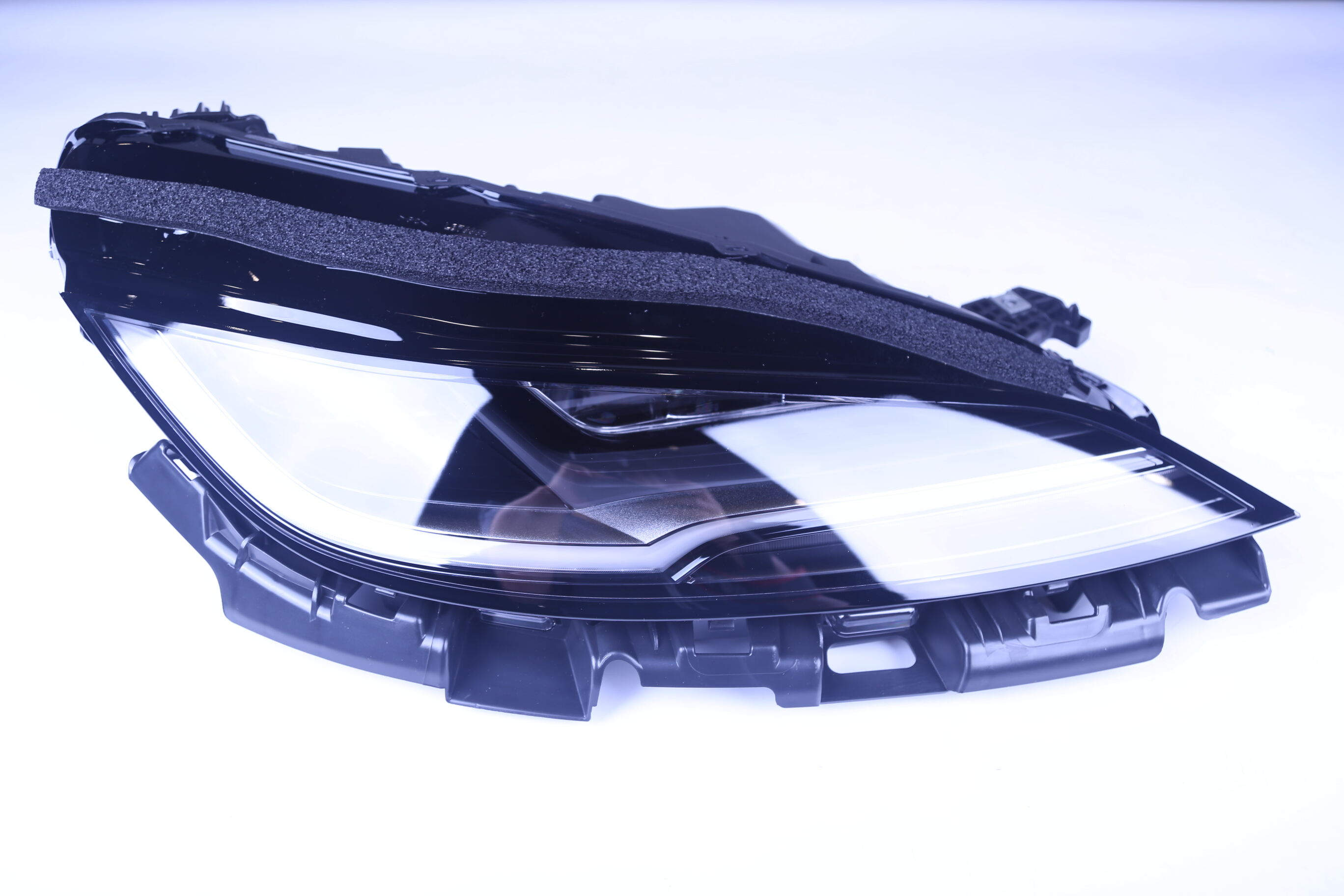
Adaptive lighting systems represent a sophisticated evolution in headlight technology, utilizing sensors, cameras, and intelligent algorithms to automatically adjust beam patterns, intensity, and direction based on constantly changing driving conditions. These systems monitor multiple variables simultaneously, including vehicle speed, steering wheel angle, GPS location, weather conditions, and the presence of other vehicles, processing this information to deliver optimal illumination for each unique situation. When you navigate curved roads at night, adaptive headlights pivot in the direction of your turn before you complete the steering maneuver, illuminating the path ahead and revealing potential hazards hidden beyond the curve. This anticipatory lighting proves especially valuable on winding mountain roads, rural highways with frequent turns, and urban streets with numerous intersections where visibility around corners determines safety. The automatic high-beam functionality integrated into adaptive systems detects oncoming traffic and vehicles ahead, instantly switching between high and low beams without requiring driver intervention. This seamless transition ensures you always benefit from maximum visibility when roads are clear while automatically protecting other drivers from uncomfortable glare when traffic appears. The precision of modern adaptive systems can selectively dim portions of the high beam pattern, creating dark zones around detected vehicles while maintaining high-beam illumination in other areas, a technology called adaptive driving beam or matrix LED lighting. This selective dimming maximizes your visibility without compromising the comfort or safety of other road users, representing an ideal balance between personal benefit and community responsibility. Highway lighting modes optimize beam patterns for high-speed travel, extending the illumination range to provide earlier detection of obstacles and giving you more time to react at elevated velocities. Urban lighting modes widen the beam pattern to illuminate sidewalks, crosswalks, and parking areas, enhancing your awareness of pedestrians and cyclists who share city streets. Weather-responsive features adjust beam intensity and pattern when sensors detect rain, fog, or snow, optimizing light distribution to minimize reflection and glare while maximizing road surface visibility. The integration with navigation systems allows adaptive headlights to anticipate upcoming curves, intersections, and highway exits based on GPS data, preparing appropriate lighting adjustments before you reach these features. This predictive capability creates a proactive safety environment where your vehicle anticipates needs rather than merely responding to current conditions. The learning algorithms employed by advanced adaptive systems analyze your driving patterns and preferences, gradually customizing lighting behavior to match your individual style while maintaining safety parameters. The user interface for adaptive systems typically requires minimal interaction, operating transparently in the background so you can concentrate on driving rather than managing lighting controls, though manual override options remain available when desired.





 EN
EN