dipped beam headlights
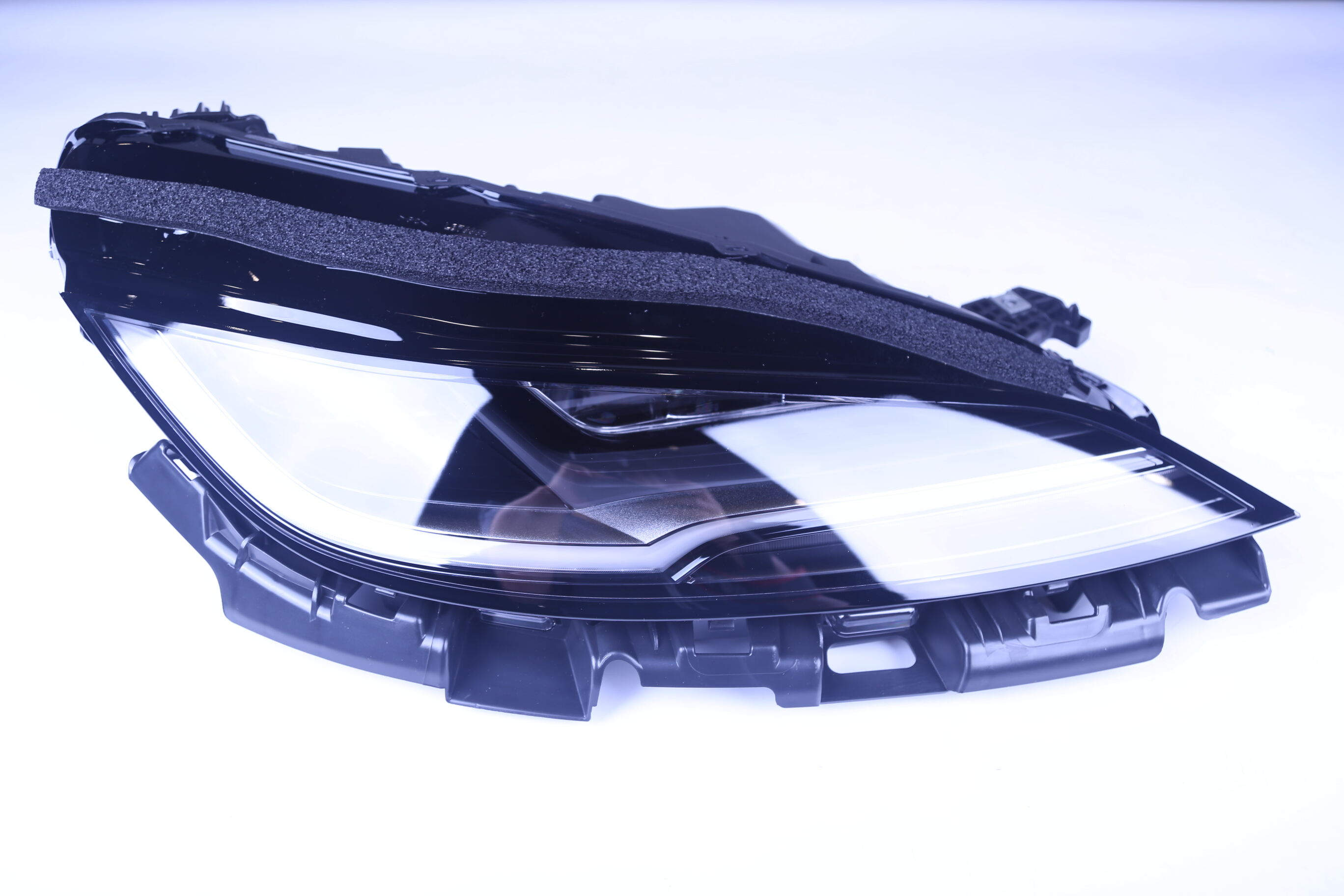
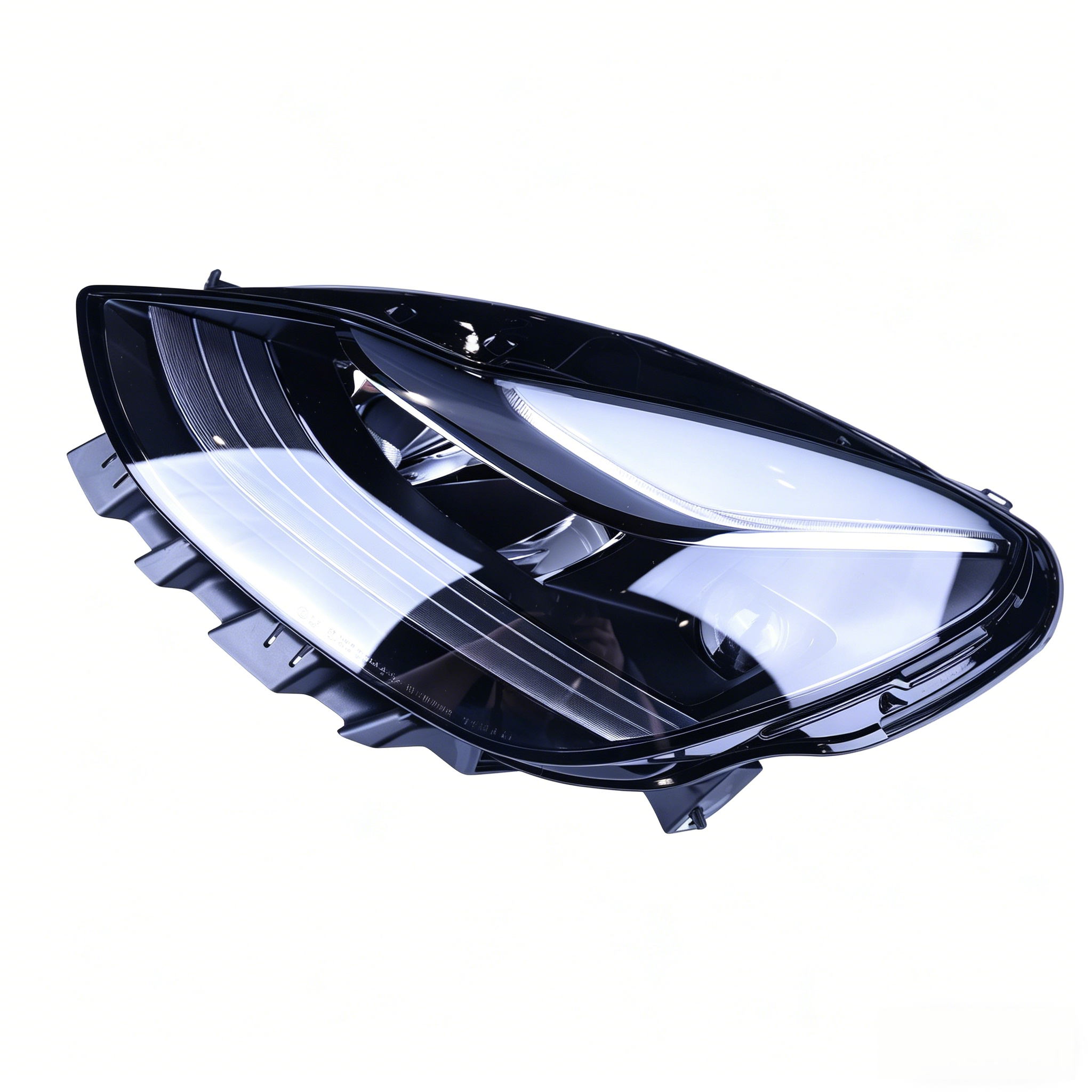
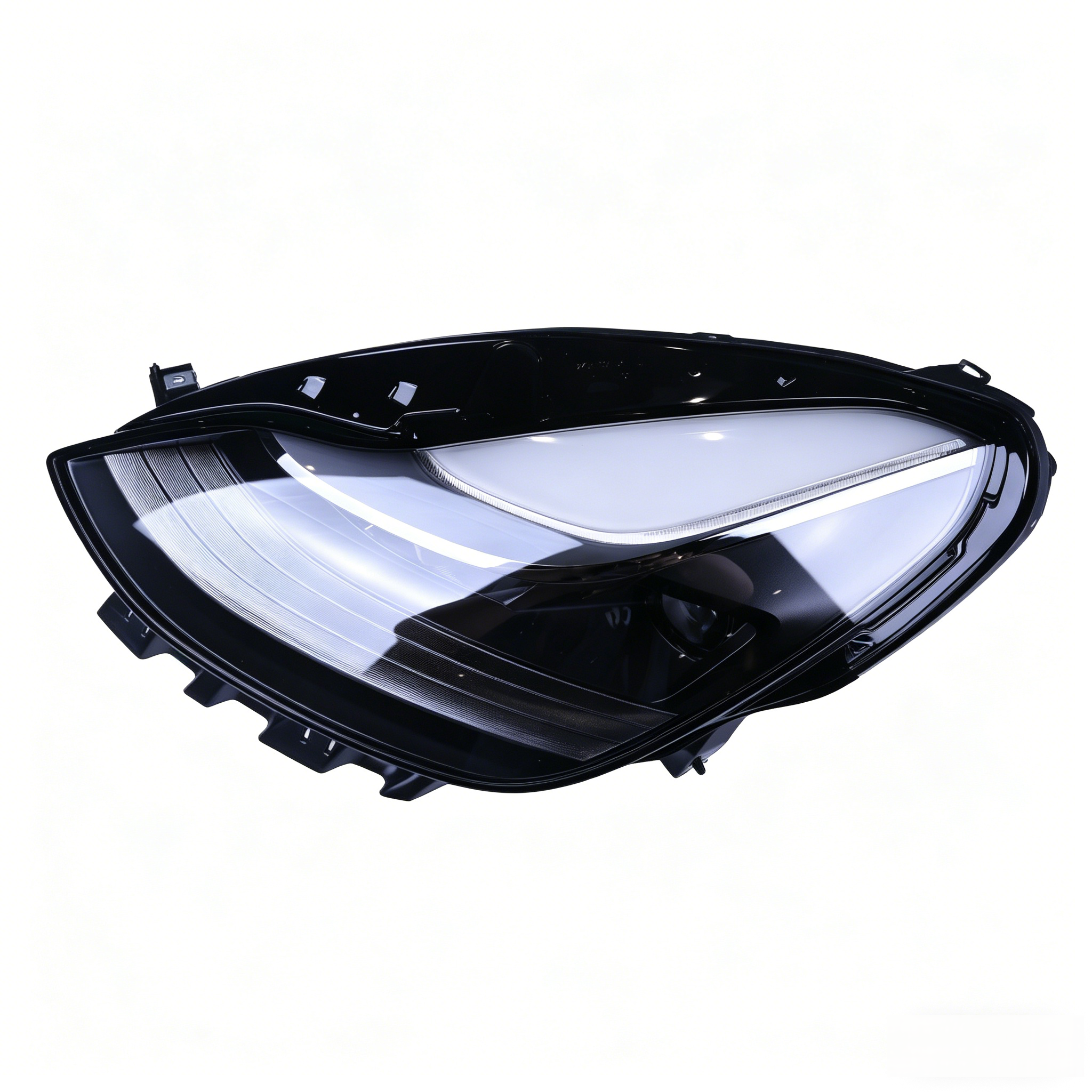
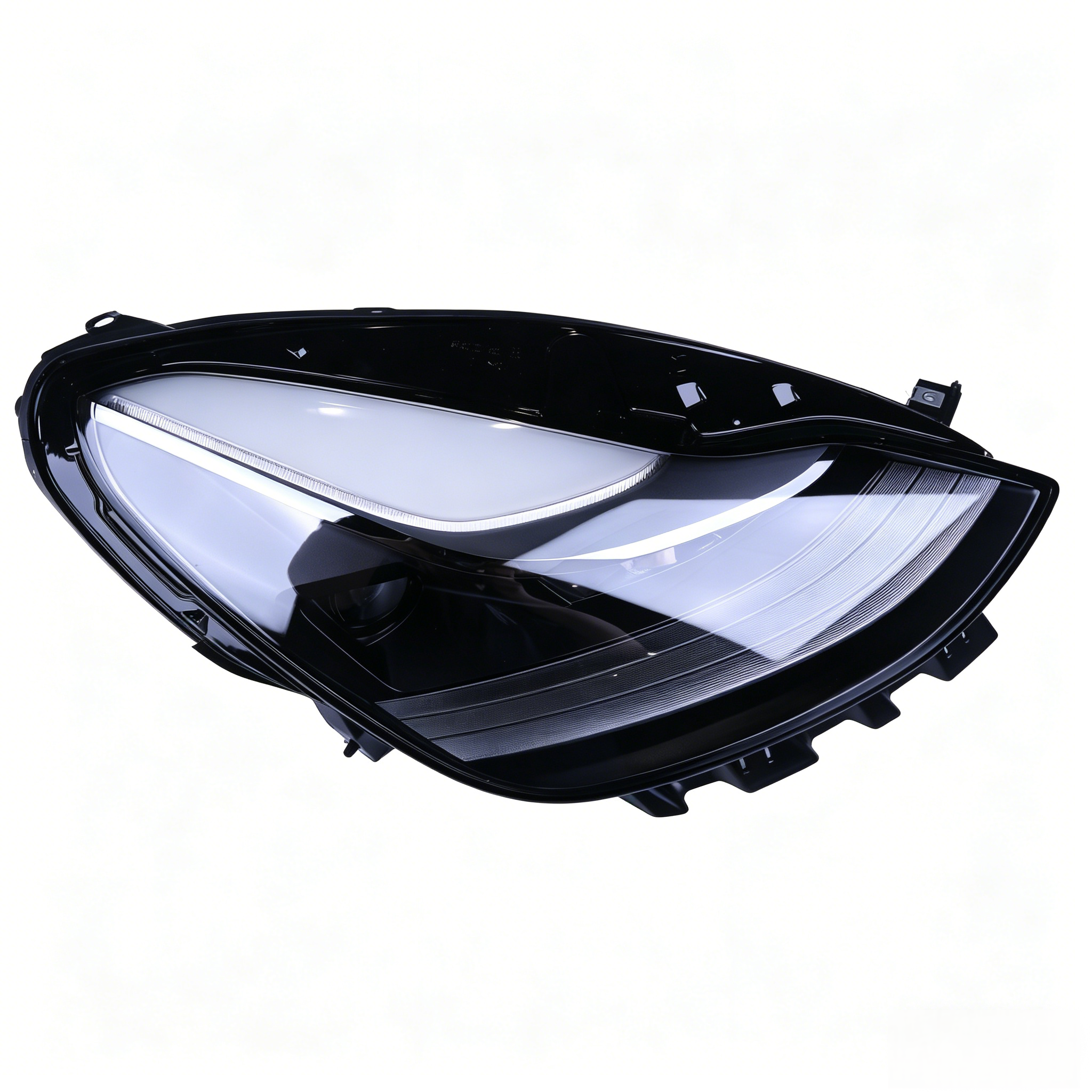
Dipped beam headlights represent a fundamental safety feature in modern automotive lighting systems, designed to illuminate the road ahead while minimizing glare for oncoming traffic and other road users. These headlights operate at a lower intensity compared to high beams, with their light pattern carefully engineered to direct illumination downward and toward the roadside rather than straight ahead at full intensity. The primary function of dipped beam headlights is to provide adequate visibility during nighttime driving, adverse weather conditions, and low-light situations such as dawn, dusk, or when driving through tunnels. Modern dipped beam headlights incorporate advanced technologies including halogen bulbs, xenon discharge lamps, and increasingly popular LED systems that offer superior brightness, energy efficiency, and longevity. The beam pattern is precisely calibrated to create an asymmetric distribution, with the light cut off sharply on the side facing oncoming traffic while extending further on the driver's side of the road. This asymmetric design enables drivers to see road signs, pedestrians, and potential hazards on their side without blinding approaching vehicles. Contemporary dipped beam headlights also feature adaptive lighting systems that can adjust the beam pattern based on steering angle, vehicle speed, and road conditions, enhancing safety and visibility in dynamic driving scenarios. Applications of dipped beam headlights extend across all vehicle categories, from passenger cars and motorcycles to commercial trucks and buses, making them a universal requirement under traffic regulations worldwide. The technological evolution of dipped beam headlights continues to advance with innovations such as matrix LED systems that can selectively dim portions of the beam to avoid dazzling other drivers while maintaining maximum illumination elsewhere, and laser-assisted headlights that extend visibility range significantly beyond traditional systems.





 EN
EN